
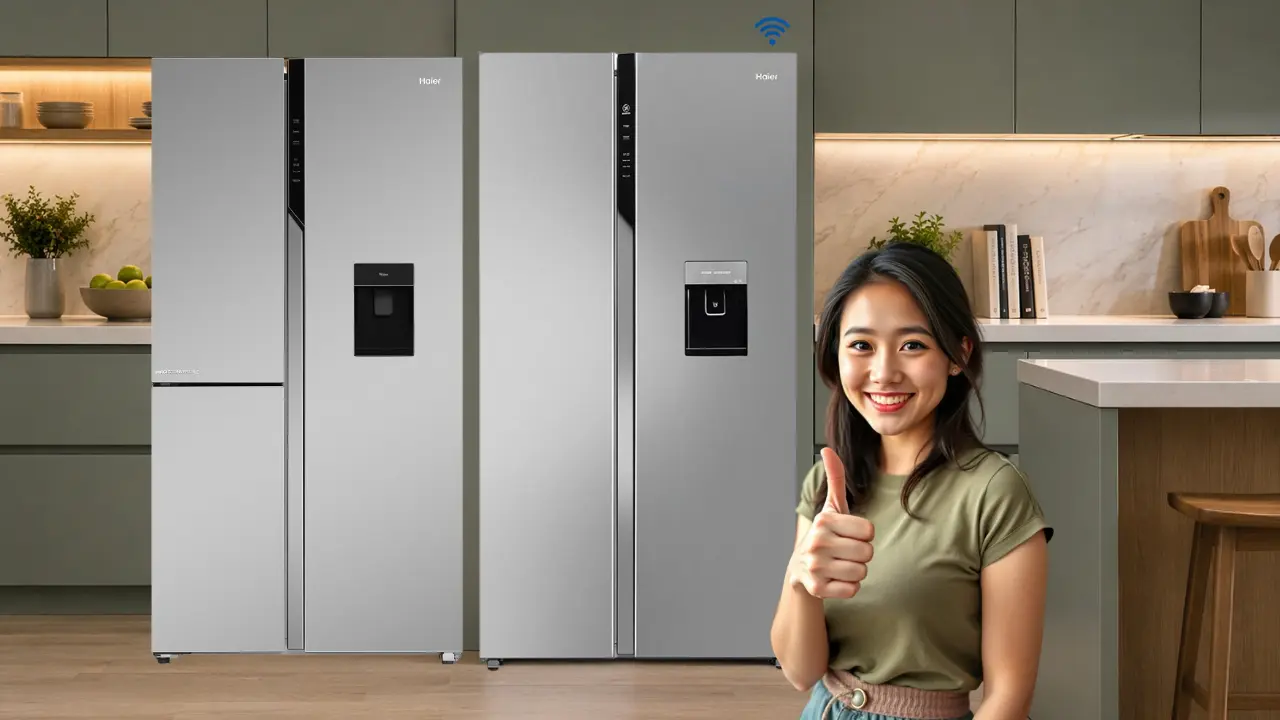

Upgrading to a 2 door or 3 door water dispenser in 2026 means moving from basic hydration to smart, structured convenience.
You get faster access to instant access to cold water through an inbuilt 2.5L BPA-free dispenser, better hygiene, energy efficiency, and seamless integration into modern Indian homes where time, space, and health all matter more than ever.
The problem isn’t water. It’s how we access it.
Walk into a typical Indian home at 8:30 AM.
Someone is filling a bottle before leaving for work.
Someone else is boiling water for tea.
A child is asking for cold water.
And someone is waiting.
Water is available.
But access is slow, fragmented, and inefficient.
That is the hidden system most homes still operate on.
Water is central. Access is outdated.
And that is exactly where 2 door and 3 door water dispensers change the game.
What actually changes when you upgrade?
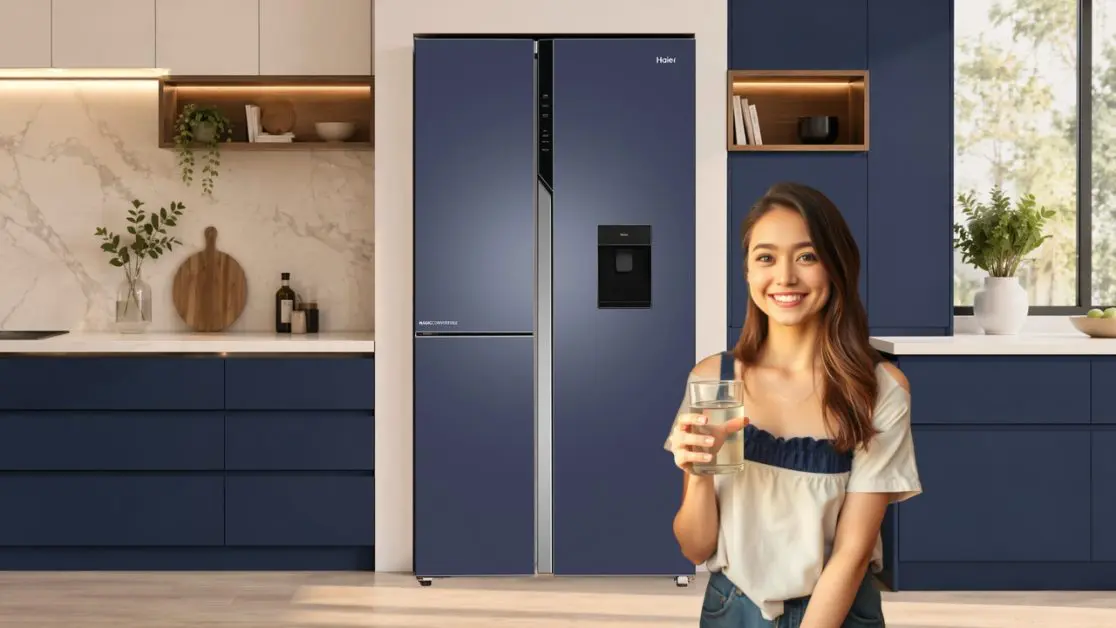
A water dispenser is not just about dispensing water.
It is about organising demand.
Traditional setup vs modern dispenser
| Situation | Traditional Method | 2 Door / 3 Door Dispenser |
| Cold water in summer | Fridge storage | Dedicated chilled output |
| Hygiene | Manual handling | Controlled dispensing |
| Time taken | 3 to 10 minutes | Few seconds |
The upgrade is not convenient. It is system efficiency.
Why 2026 is the tipping point
Something subtle has changed in Indian homes.
Not dramatically. Quietly.
- Urban households now spend 20 to 30 percent more time indoors than pre 2020
- Working professionals manage hybrid schedules
- Families consume more filtered water daily than ever before
- Appliance ecosystems are becoming interconnected
The result?
Water usage has become continuous, not occasional.
And systems designed for occasional use start breaking under continuous demand.
The real difference between 2 door and 3 door water dispensers
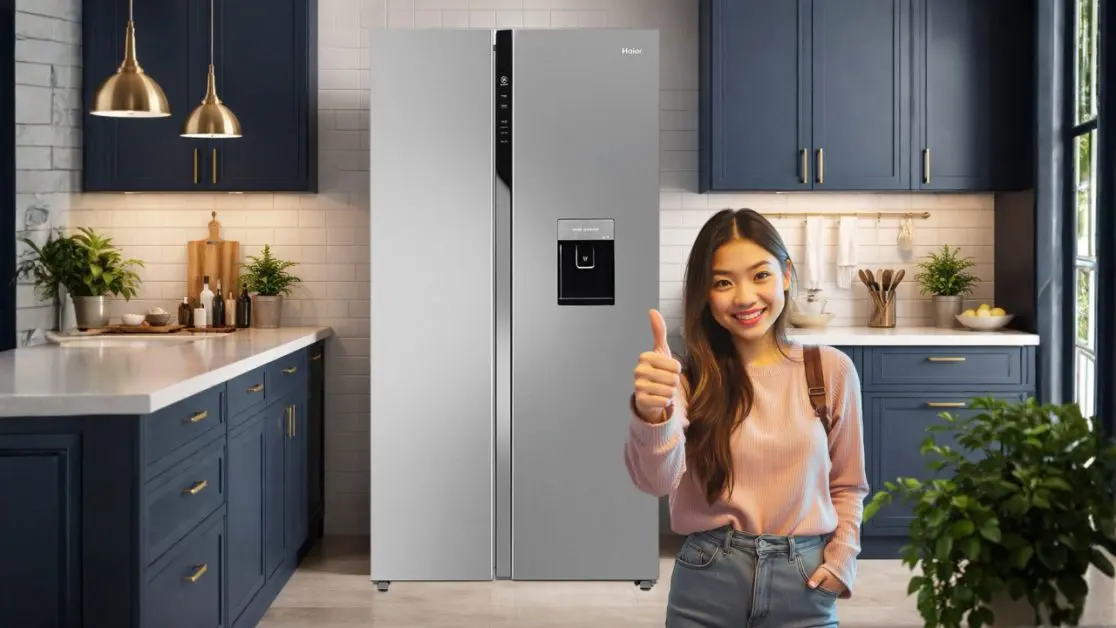
Most people assume it is just design.
It is not.
It is about control over temperature and usage patterns.
Option 1: 2 Door Water Dispenser
- Inbuilt 2.5L BPA-free cold water dispenser + simple storage design
- Simple design, lower cost
- Ideal for small families or solo living
Cost vs benefit
- Economically efficient
- Requires minimal space
- Covers 80 percent of daily needs
But it still forces a choice.
Option 2: 3 Door Water Dispenser
- Same inbuilt cold water dispenser + better storage segmentation and flexibility
- More flexibility in everyday use
- Designed for multi-user households
Cost vs benefit
- Slightly higher investment
- Significantly better usability
- Reduces dependency on other appliances
The third option changes behaviour.
Because most water consumption in Indian homes is frequent and repetitive. It is normal.
The hidden system most people miss
Think of a multiplex theatre.
Every seat is not treated the same.
Airflow, sound, and lighting are optimised for zones.
Homes are moving in the same direction.
Appliances are no longer general. They are specific.
A 3 door water dispenser reflects that shift.
- Cold water for summer
- Normal water for daily hydration
All available instantly.
No switching. No waiting. No compromise.
How modern dispensers fit into real Indian routines

Morning rush
Tea preparation starts faster.
No waiting for water to boil.
Afternoon hydration
Cold water is instantly available during peak heat.
No fridge dependency.
Evening family time
Everyone uses the same appliance differently.
And it adapts.
This is not a feature upgrade.
It is behavioural alignment.
Where smart appliances quietly improve life
Look at how Haier approaches appliances.
Not as isolated machines.
But as systems that reduce friction.
Take the Haier 598L Black White Glass 3 Door Smart Convertible SBS (HRT-683WISU1).
- 83 percent fridge space flexibility
- WiFi-enabled smart control
- In-built water dispenser for direct access
- Digital panel to avoid unnecessary opening
The pattern is clear.
Modern appliances remove steps.
And when you remove steps, you remove stress.
The role of in-built water dispensers in refrigerators
Here is where things get interesting.
Water dispensers are no longer standalone devices.
They are becoming integrated systems.
For example:
- The Haier 592L Graphite Black 3 Door Smart Convertible Refrigerator (HRT-683WGKU1) includes a BPA-free in-built water dispenser
- It delivers clean water without opening the fridge
- It reduces temperature loss and energy consumption
Small design decisions. Big system impact.
Why multi-door systems mirror modern living
The idea of multiple doors is not new.
But its meaning has changed.
Earlier, it was about storage.
Now, it is about segmentation.
What multi-door thinking enables
- Separate zones for different needs
- Reduced cross-usage interference
- Faster access to specific functions
Even in refrigerators like the Haier 596L Regal Steel 2 Door Smart Convertible SBS (HRS-682WRSU1):
- 2.5 litre in-built water dispenser
- Convertible storage flexibility
- Smart connectivity for control
The same principle applies.
Divide systems. Improve outcomes.
The cost of not upgrading
Most decisions are framed around cost.
Few are framed around hidden costs.
What you continue to pay without upgrading
- Time spent waiting for water to heat or cool
- Energy loss from repeated fridge opening
- Clutter from bottles, kettles, and storage
- Inconsistent hygiene
What you gain with a 2 or 3 door dispenser
- Time efficiency
- Energy savings
- Cleaner workflows
- Better hydration habits
Efficiency compounds. Friction accumulates.
How to choose between 2 door and 3 door in 2026
Do not start with features.
Start with usage patterns.
Ask these questions
- How many people use water simultaneously?
- Is your kitchen already appliance-heavy?
- Do you value speed or simplicity?
Decision framework
- Choose 2 door if usage is limited and predictable
- Choose 3 door if usage is varied and continuous
The right appliance is the one that disappears into your routine.
Why this upgrade feels small but changes everything
No one talks about water systems at home.
Because they seem too basic.
But that is exactly why they matter.
The most used systems create the most impact.
A water dispenser is used daily.
Multiple times.
By everyone.
And when that system becomes smarter, faster, and cleaner, the effect spreads across the entire household.
The bigger shift: homes are becoming responsive
Look at the pattern.
- ACs adjust cooling based on seating
- Refrigerators adapt storage dynamically
- TVs optimise viewing experiences
Now water systems are evolving too.
Homes are no longer static. They respond.
And a 2 door or 3 door water dispenser is a small but clear step in that direction.
The one insight to remember
Comfort is not created by big upgrades. It is created by removing small frictions.
So what should you do next?
Look at your kitchen.
Not as a space.
But as a system.
Where are the delays?
Where are the repeated steps?
Where are the small inefficiencies you have accepted as normal?
Because those are the exact places where modern appliances make the biggest difference.
And sometimes, the smartest upgrade is not the most obvious one.
It is the one you use every day.
Frequently Asked Questions
Do I really need a 3-door dispenser, or is 2-door enough for my home?
If your water usage is predictable (1–3 people, low overlap), a 2-door dispenser covers ~80% of needs efficiently.
But if multiple people need water at the same time (family setup, peak hours), a 3-door system removes waiting and adapts better to real-life usage patterns.
I live alone. Am I overthinking this upgrade?
Not really. A 2-door dispenser is ideal for solo living because it gives instant cold water without overcomplicating your setup. A 3-door might feel excessive unless your usage grows.
Is a water dispenser really more hygienic than using bottles and fridge storage?
Yes. Dispensers reduce repeated manual handling, minimize contamination points, and provide controlled output. Traditional setups rely heavily on human hygiene habits, which are inconsistent.
I already filter my water. Does a dispenser still add value?
Yes. Filtration solves purity, dispensers solve access efficiency + hygiene during use. Both are different layers of the same system.
Are water dispensers becoming part of smart appliances now?
Yes. They’re increasingly integrated into refrigerators and connected ecosystems, reducing steps like opening doors or switching appliances.
What’s the real benefit of built-in dispensers in modern refrigerators?
They provide water without opening the fridge, reducing energy loss and improving efficiency, small change, and big system impact.
My mornings feel chaotic. Can a dispenser actually help?
Yes. It removes waiting loops, tea prep, bottle filling, and hydration all happen instantly, reducing bottlenecks.
I often find my fridge cluttered with water bottles. Will this fix it?
Absolutely. A dispenser centralizes water access, eliminating the need for multiple bottles and freeing up fridge space.
What’s the biggest hidden cost of not upgrading?
Time loss, energy inefficiency, clutter, and inconsistent hygiene, these accumulate daily but are rarely noticed.