
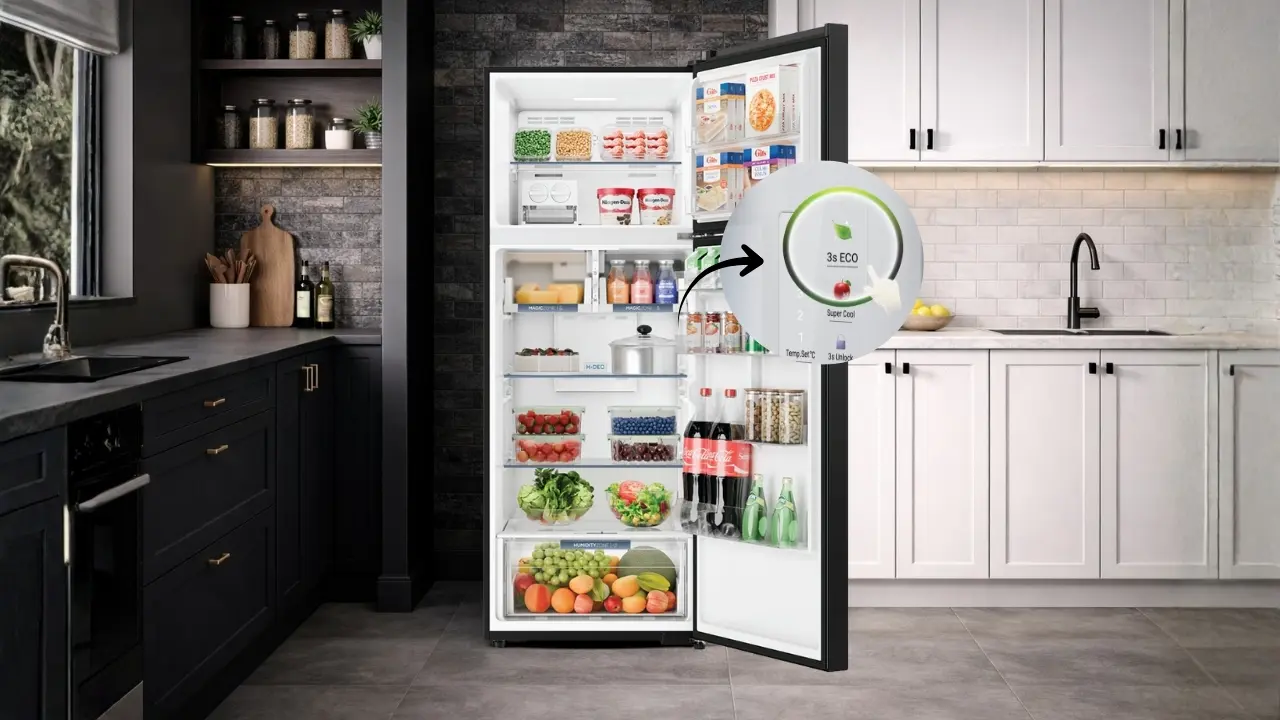

A 3-second Eco Mode works because it turns energy saving into a habit, not a task.
One small, intentional action reduces unnecessary power use, steadies appliance performance, and quietly lowers electricity bills over time.
The real value is not the button. It is the behaviour it builds.
Big savings rarely come from big sacrifices
It is late at night.
The TV is off.
The house has slowed down.
Someone opens the fridge for cold water.
That moment feels insignificant. But inside the refrigerator, cooling cycles wake up, compressors adjust, and energy flows.
Most electricity waste does not come from obvious mistakes.
It comes from small actions repeated every day without thought.
This is where a 3-second Eco Mode changes the equation.
What is 3-Second Eco Mode, really?
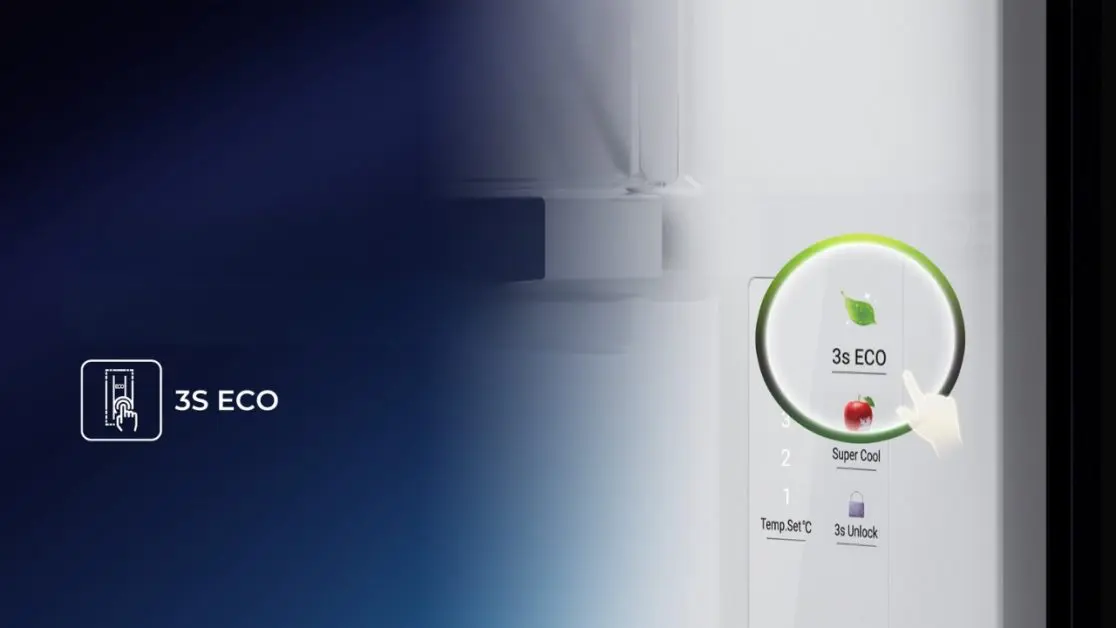
A system disguised as a feature
On select Haier refrigerators, pressing and holding the Eco Mode button for three seconds activates an energy-optimised operating cycle. No apps. No complicated menus. No reminders.
Take the Haier 475L 2 Star Black Glass Double Door Refrigerator (HRF-5252PKG-N) as an example. Its Eco Mode is designed to reduce energy consumption while maintaining consistent cooling for everyday household usage. As per Haier product specifications, this mode can help save up to 6 percent energy under standard conditions .
Six percent feels small.
Until you realise refrigerators run all day, every day.
Why three seconds is a deliberate choice
Three seconds does something interesting.
- It is short enough to remember
- Long enough to feel intentional
- Simple enough to repeat
Designers understand this. Behaviour changes when effort is low and clarity is high.
Habits form when the system respects human attention.
The invisible reason energy bills creep up
Cooling is not constant. It reacts.
Inside a refrigerator, every door opening causes:
- Temperature fluctuation
- Compressor activation
- Additional energy draw
When this happens repeatedly, the appliance works harder than necessary.
This is why technologies like Twin Inverter compressors matter. They stabilize the temperature instead of overcorrecting. The HRF-5252PKG-N uses Twin Inverter Technology to reduce temperature swings, improve efficiency, and support quieter, smoother operation .
Eco Mode works alongside this system. It signals the refrigerator to prioritise efficiency when extreme cooling is not required.
Why Indian homes feel the impact more
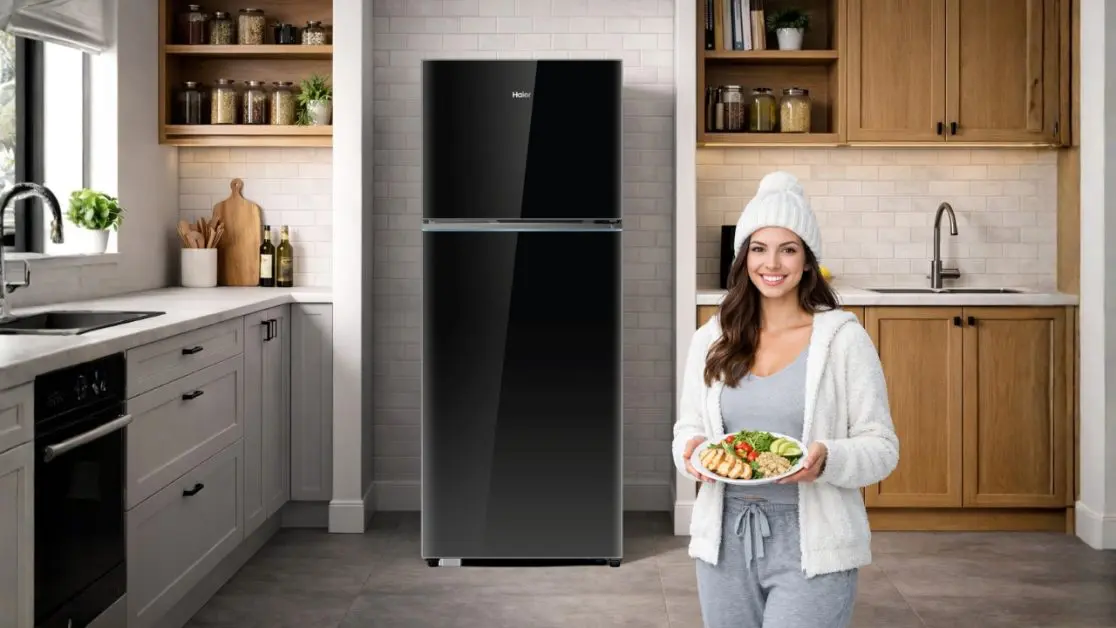
Because our kitchens are always active
Indian households interact with the fridge constantly.
Morning milk.
Afternoon leftovers.
Evening fruits.
Late-night desserts.
Each interaction is small. Together, they define energy usage.
Eco Mode assumes this rhythm. It does not demand restraint. It adapts to reality.
Good technology fits into life. It does not ask life to change.
One action. Three clear outcomes.
Activating Eco Mode leads to:
1. Smarter energy consumption
Cooling cycles run efficiently instead of aggressively.
2. Reduced wear on components
Stable operation means less long-term stress on the compressor.
3. Gradual bill reduction
Not dramatic. But consistent and reliable.
Small actions compound quietly. That is how systems win.
Who benefits most from this feature
Working professionals
You leave early. You return late. The fridge runs without supervision. Eco Mode ensures it does not overwork when usage is predictable.
Efficiency is most valuable when no one is paying attention.
Couples setting up new homes
Every choice feels intentional. Eco Mode aligns with building a home that feels modern, responsible, and effortless. Sustainability becomes a default, not a statement.
Families with busy routines
Parents already manage enough decisions. Eco Mode removes one more thing to think about. One press. Ongoing benefit.
Good systems reduce mental load.
Why this is bigger than one refrigerator
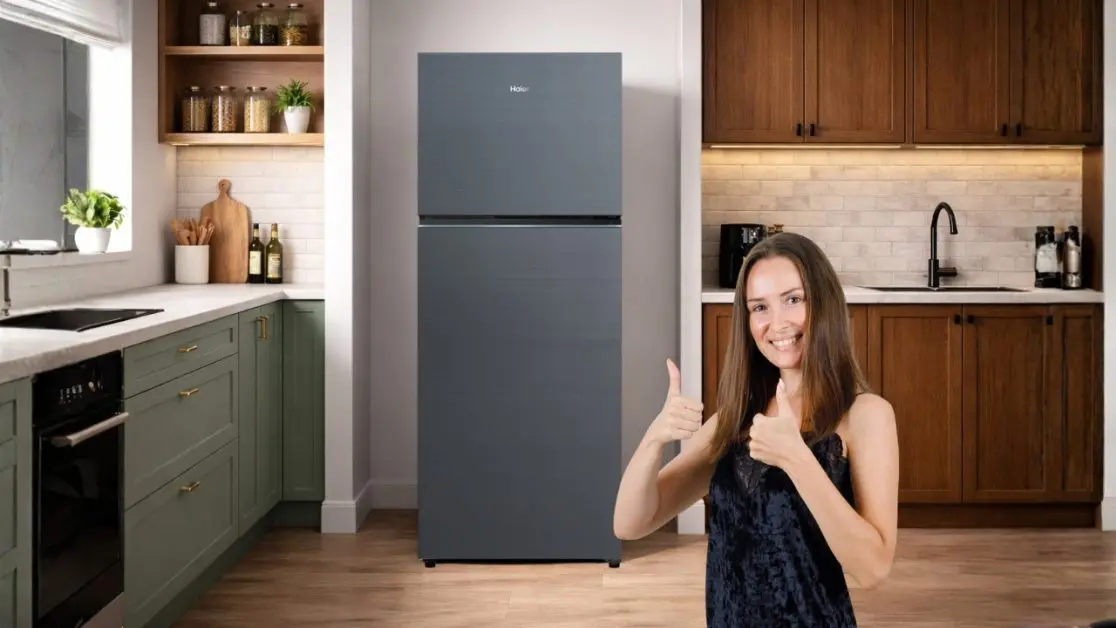
Design shapes behaviour
The most effective innovations do not feel technical. They feel obvious.
Eco Mode does not lecture about saving power.
It makes saving power easier than wasting it.
This thinking runs across modern appliances. Smart cooling zones. Odour control systems. Inverter-driven performance. Each feature solves a small problem. Together, they create calmer homes.
Zooming out: what small actions really add up to
Saving 6 percent energy on a refrigerator may sound modest. But multiply it across:
- Appliances that run 24 hours
- Homes that never fully power down
- Millions of households
Systems scale faster than awareness ever will.
A simple way to see the impact
| Action | Effort | Long-term Effect |
| Press Eco Mode | 3 seconds | Lower energy use |
| Stable cooling | Automatic | Reduced power spikes |
| Inverter efficiency | Continuous | Longer appliance life |
| Habit-based usage | Daily | Predictable bills |
Ease is the real multiplier.
What this says about the future of homes
Energy efficiency is no longer about discipline. It is about design.
When appliances make the right choice automatically, homes feel calmer. Predictable. Less reactive.
You stop worrying about settings.
You stop checking switches.
The home simply works.
The insight worth keeping
Here it is.
The future of energy saving is not dramatic. It is frictionless.
Three seconds is not about speed.
It is about turning intention into routine.
And routines shape outcomes far more reliably than resolutions ever will.
Final thought
Smart living is not about doing more. It is about thinking less.
A refrigerator like the Haier 475L 2 Star Black Glass Double Door Refrigerator (HRF-5252PKG-N) that saves energy through a simple, repeatable action does more than reduce electricity bills. It quietly teaches a better way to live with technology.
Thoughtful design does not demand attention.
It earns trust.
And once you notice that pattern, you start expecting it everywhere.