
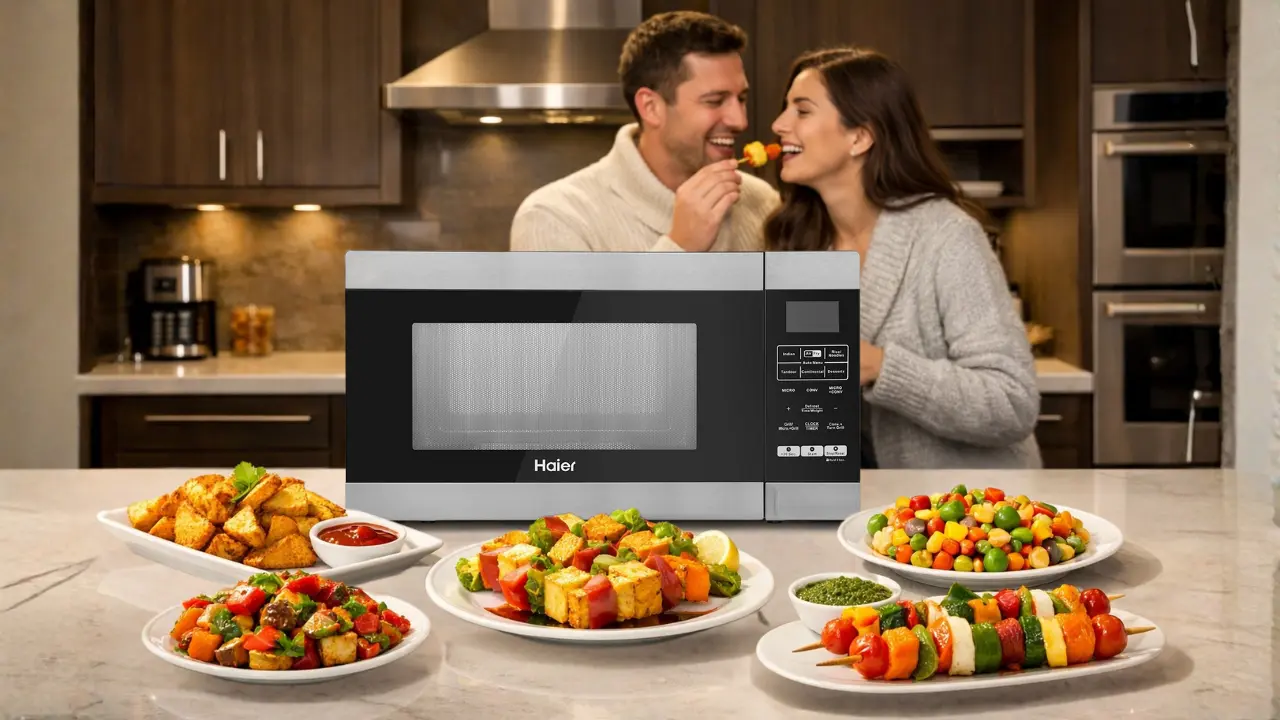

Five minute veggie snacks work in January because they respect reality. Kids are hungry. Parents are tired.
Time is tight. The right snacks use what is already in your fridge, rely on quick heat or crisping, and turn small windows of time into calm moments instead of chaos.
January is not the month for complicated plans.
It is the month for systems that quietly hold things together.
Why January Evenings Feel Harder Than They Should
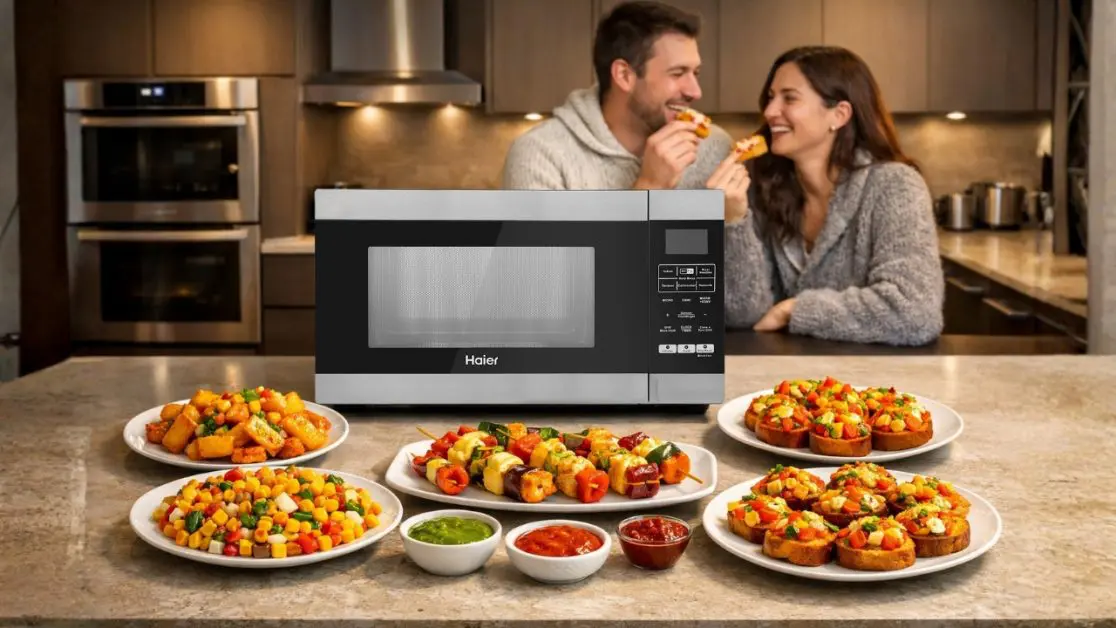
January evenings have a pattern.
School bags hit the floor.
Office laptops finally close.
The sun disappears early.
Hunger arrives loudly.
Dinner is still thirty minutes away, but patience is already gone.
This is where most parents feel the pinch. Not because they cannot cook. But because the gap between work and dinner is unmanaged.
Snacks are not indulgences in January. They are bridges.
A good snack buys time.
A great snack is calm.
The Hidden System Behind Five Minute Veggie Snacks
Speed is not the real goal.
Predictability is.
Five minute veggie snacks work when three things are already decided.
- The base ingredient lives in your fridge or freezer
- The cooking method needs almost no supervision
- The flavour profile feels familiar to kids
When those three line up, effort drops. Consistency rises.
That is how habits form.
Snack Rule Number One: Start With Vegetables Kids Already Accept
This is not the time to introduce kale debates.
January snacks win when they use vegetables children already trust.
Think in categories.
Everyday vegetables that convert well into snacks
- Potatoes
- Paneer
- Corn
- Capsicum
- Carrot
- Bread-adjacent vegetables like onion or tomato
Familiar shapes reduce resistance.
Crisp textures increase acceptance.
That combination matters more than novelty.
Five Minute Veggie Snack Ideas That Actually Work
These are not recipes.
They are frameworks.
Once you understand the pattern, the snack almost makes itself.
1. Paneer Cubes That Feel Like Party Food
Paneer works because it feels special without being new.
The system:
- Pre-cut paneer cubes from the fridge
- Light coating of curd, salt, and one familiar spice
- High heat for crisp edges
Five minutes later, you have something that looks intentional.
Why it works:
Protein keeps kids full. Familiar flavours prevent complaints. Crisp edges feel festive without effort.
2. Bread Bites That Disappear Fast

Bread is already trusted. The trick is transformation.
The system:
- Leftover bread slices
- Quick topping of grated vegetables and cheese
- Short blast of heat until the top sets
This turns leftovers into choice.
Cost: Low
Reward: High acceptance
Effort: Minimal
3. Corn That Behaves Like a Snack, Not a Side Dish
Corn fails when it feels like dinner.
It succeeds when it feels handheld.
The system:
- Frozen or boiled corn
- Butter or olive oil
- Salt and one familiar spice
Serve it warm.
Serve it fast.
Kids respond to temperature as much as taste.
4. Potato Coins That Solve Everything
Potatoes are not the enemy.
Unplanned potatoes are.
The system:
- Thin slices
- Light oil
- High heat until edges crisp
No flipping. No babysitting.
Why it matters:
Potatoes satisfy quickly. A small portion prevents dinner sabotage.
5. Veggie Wrap Fillings That Skip the Wrap
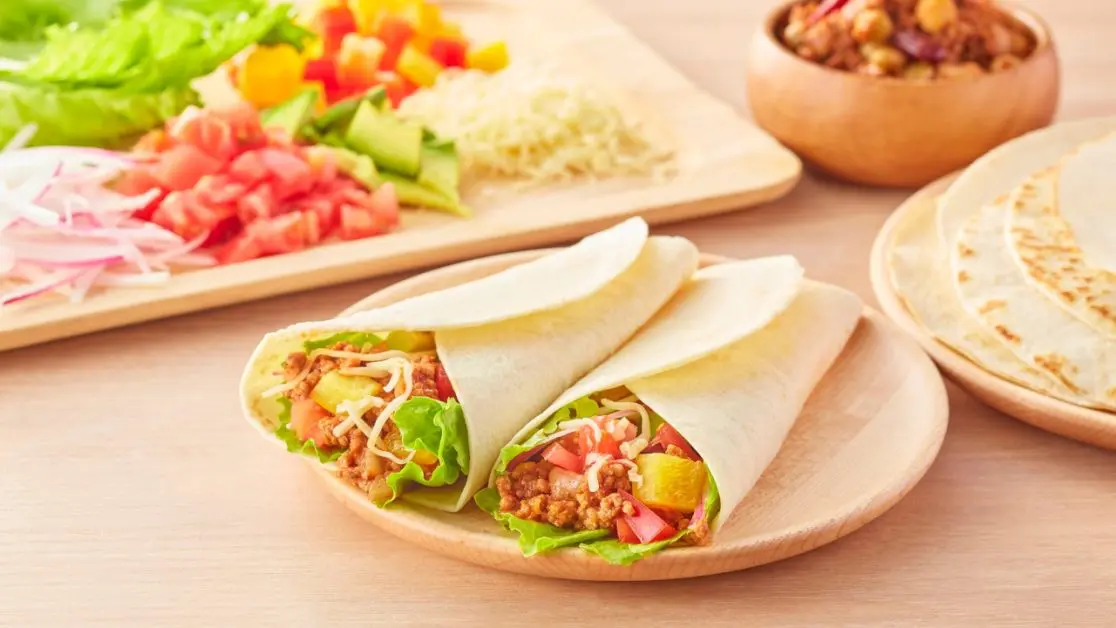
Sometimes the filling is enough.
The system:
- Capsicum, onion, carrot strips
- Quick sauté or roast
- Serve as finger food, not a roll
When vegetables are free from structure, kids explore more easily.
Why Appliances Matter More in January Than Any Other Month
January exposes friction.
Manual processes feel heavier.
Waiting feels longer.
Noise feels sharper.
This is where appliances earn their place, not by showing off features, but by removing decisions.
Preset cooking modes.
Consistent heat.
Hands-free operation.
When something runs quietly in the background, parents can stay present in the foreground.
That is the real upgrade.
The Five Minute Rule Is About Attention, Not Time
Five minutes is not just a number.
It is the maximum attention span a tired parent can spare without resentment.
Any snack that demands more than five minutes of active involvement will fail in January.
That is not laziness.
That is energy management.
What Most People Get Wrong About Kids and Snacks
They assume snacks spoil dinner.
In reality, poorly timed snacks spoil moods.
A small veggie snack at the right moment does three things.
- Reduces meltdowns
- Slows overeating at dinner
- Improves family rhythm
Structure beats restriction every time.
January Is a Season of Systems, Not Willpower

The parents who survive January well are not more disciplined.
They are better prepared.
They keep vegetables washed and cut.
They rely on repeatable snack formats.
They reduce decision fatigue.
Willpower fades. Systems scale.
That applies to kitchens as much as careers.
A Simple Framework You Can Reuse All Month
When you are stuck, ask three questions.
1. What vegetable is already available
2. What cooking method needs the least supervision
3. What flavour profile feels safe today
Answer those three, and the snack reveals itself.
No searching.
No stress.
Why This Matters Beyond Food
Snacks are small, but patterns are not.
Five minute veggie snacks teach kids something quietly powerful.
- Food does not need drama
- Hunger can be handled calmly
- Home responds when they need it
Those lessons last longer than January.
The Bigger Picture
January is loud.
Busy.
Emotionally full.
Homes that feel calm during this month are not doing more.
They are doing fewer things better.
Quick snacks.
Smart defaults.
Less friction.
That is how modern homes stay functional without feeling rushed.
Not through grand gestures.
But through five quiet minutes that work exactly when they are needed.
And once you see that pattern, you start using it everywhere.