
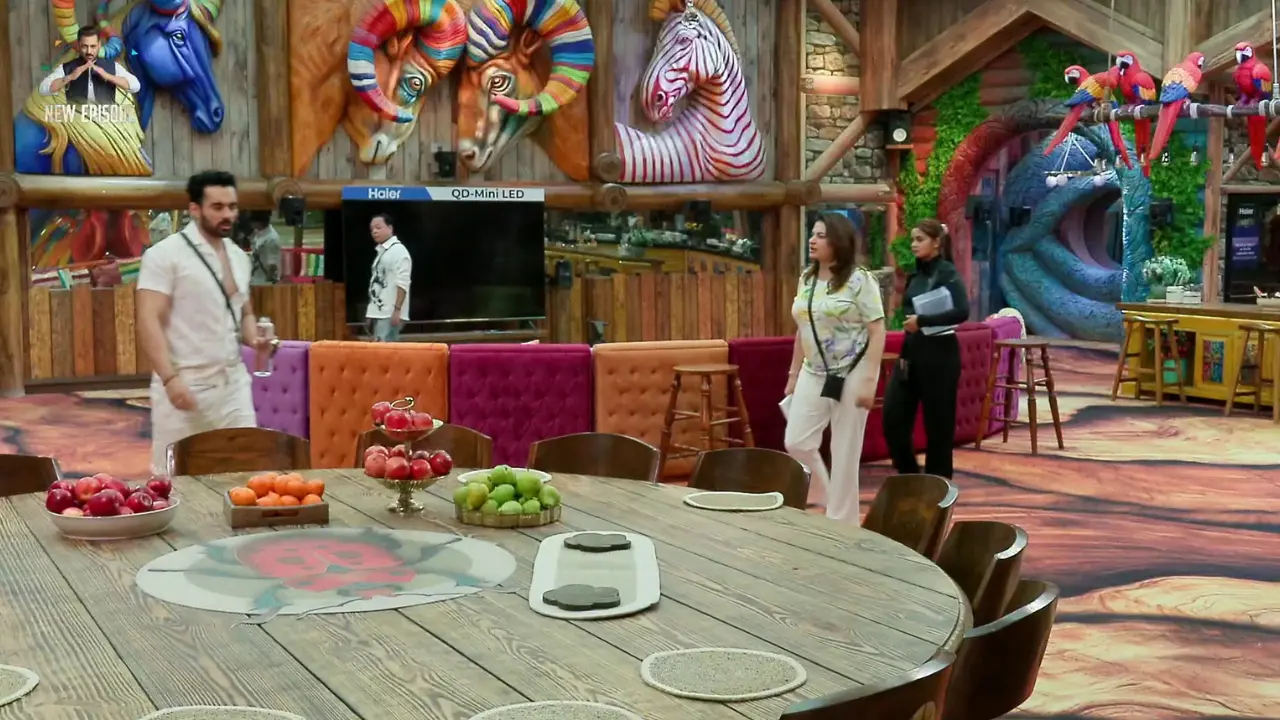

With Bigg Boss Season 19, the living room screen is no longer just a TV.
For many households, it has turned into a cinematic canvas, one that makes everyday drama feel as grand as a Friday night at the theatre.
Why Bigg Boss Became the Test Case for Our Screens
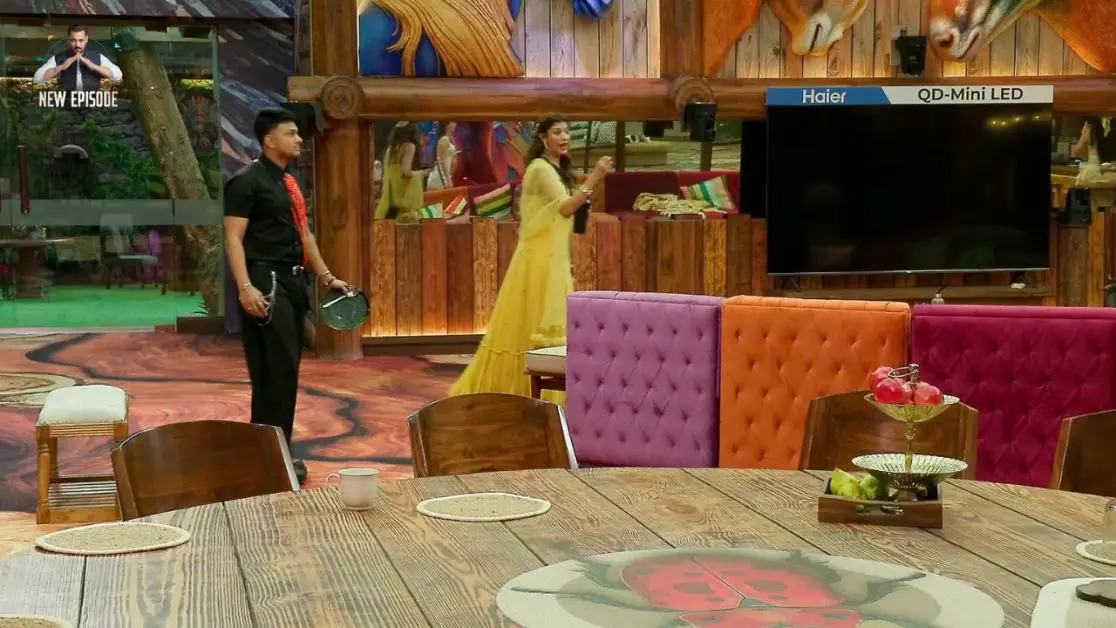
Bigg Boss isn’t just a show. It’s a mirror to the way Indians watch together.
Families who haven’t agreed on dinner menus in weeks will sit side by side for Salman Khan’s weekend ka vaar. Students in hostels stream clips on their phones, then rush back to the common room for elimination nights. Even solo professionals keep it running in the background like modern-day radio.
But this season, something unusual happened. The conversation wasn’t just about contestants, alliances, or secret tasks. It was about the screen itself.
The crispness of the visuals. The theatre-like sound. The feeling that you weren’t watching a show, but stepping into it.
Which begs the real question: was it still television, or had it quietly become cinema?
Motion Is the New Resolution
For years, Indian buyers obsessed over size. From 80 cm (32) to 140cm (55) , then 165cm (65) and beyond, bigger was better. But size has plateaued. The new obsession? Refresh rate.
- 60Hz feels like yesterday’s news.
- 120Hz became the sweet spot for gamers and sports fans.
- 144Hz, now standard in Mini-LED lineup, makes Bigg Boss arguments, cricket replays, and high-speed movie chases look liquid-smooth.
It’s no longer just about pixels. It’s about motion so fluid, your brain stops noticing the screen.
The line between watching and experiencing disappears when the motion feels real.
Sound That Shapes the Story

Reality shows are sound-heavy. The clang of kitchen utensils, whispered plotting in bedrooms, the sudden silence before a fight explodes. On regular TV, half of this drama is lost in flat audio.
But when you add Dolby Atmos with Harman Kardon speakers, every sound has direction. The fridge opening feels like it’s behind you. A secret conversation floats in from the left. Salman’s voice lands dead centre, commanding attention.
Sound stops being background. It becomes part of the plot.
The Bigg Boss House as a Case Study in Indian Homes
If you think about it, the Bigg Boss house is a simulation of an Indian household.
- One fridge. Too many opinions.
- Multiple alliances forming around food, chores, and who controls the remote.
- Drama that escalates not because of what’s said, but how it’s experienced
And what amplifies it for the audience? The screen at home.
When Haier introduced Dolby Vision IQ which adjusts picture brightness based on your room’s lighting, viewers stopped squinting during dim-lit confession rooms or overexposed garden tasks. It looked the way it was meant to, no matter whether you had tubelights, lamps, or just monsoon gloom outside.
The house is a stage. The TV is the stage light. Together, they decide how much of the drama you feel.
From Family TV to Family Theatre

The shift isn’t just technological. It’s cultural.
Think of three scenarios:
The weekday unwind
Parents finish dinner, kids are half-distracted by homework, but the living room TV ties everyone back into one shared moment.
The weekend spectacle
Relatives visiting, samosas frying, cousins debating contestants. The screen becomes a theatre, the living room a balcony stall
The solo escape
A professional in a metro apartment switches off work stress by turning the living room into a private cinema.
One device, three lives. What makes it possible is the convergence of features once reserved for theatres MEMC motion tech, HDR10+, 2000-nit peak brightness now sitting in Indian homes.
Why This Isn’t Just About Bigg Boss
Yes, Bigg Boss blurred the line. But the implications are bigger.
- For OTT dramas: A Haier Mini-LED TV turns dim, moody visuals from shows like Sacred Games or Paatal Lok into clear, nuanced storytelling.
- For cricket fans: 144Hz refresh rate means no more motion blur during sixes or stumpings.
- For gamers: VRR/ALLM game mode with AMD FreeSync Premium means lag-free sessions.
- For families: Google TV with voice control makes switching from Zee5 to Netflix as natural as changing topics at the dinner table.
The living room TV has become a system that adapts to you. Not the other way around.
The Economics of Experience
Here’s the hidden system at play:
- Cinema tickets: A family of four spends at least ₹1,200 per outing, excluding snacks. Multiply that by 12 weekends and you’re over ₹14,000 a year.
- OTT + sports subscriptions: Another ₹6,000–₹10,000 annually.
- A Mini-LED upgrade: Around ₹1.5–1.9 lakh, but it serves every member, every night, for years.
When you spread that across five years, you’re looking at less than ₹100 a day for theatre-quality experiences at home.
In Indian households, value isn’t just cost. It’s the return on shared moments.
A Canvas, Not a Device

Here’s the real insight:
A TV used to be furniture. It sat in a corner, quietly humming.
Today, it’s closer to a cinematic canvas.
- It paints everyday drama with lifelike colours.
- It turns background chatter into spatial audio.
- It adapts to your room, your light, your life.
When Bigg Boss contestants fight over groceries, it’s not just entertainment. It’s a reflection of your own kitchen squabbles elevated, amplified, and replayed with theatre-like precision.
The Broader Pattern for Indian Homes
The blur between TV and cinema mirrors other shifts:
- Kitchens where microwaves now grill without heating the room.
- ACs that dehumidify after heavy rain, not just cool.
- Fridges that preserve marination as if chefs designed them
Every appliance is quietly evolving from utility to experience.
The question isn’t whether to buy a TV or a fridge. The question is: what kind of life do you want your home to stage?
Final Takeaway
Bigg Boss Season 19 showed us something unexpected. The future of entertainment isn’t about bigger sets, louder fights, or even flashier editing. It’s about the medium.
When your screen becomes a cinematic canvas, everyday moments whether in the Bigg Boss house or your own feel elevated. More real. More memorable.
And in that sense, the living room has already become India’s new multiplex.