


When did a fridge stop being just a fridge?
Or does a TV stop being just a box in the corner?
Somewhere between lockdown Zoom calls and weekend binge sessions, our appliances quietly grew smarter almost as if they’ve been watching us, learning our quirks, and keeping pace with our everyday chaos.
This is not just about tech.
It’s about survival in Indian life where mornings are rushed, evenings are shared, and weekends are split between cricket, chores, and catching a breath.
Why “old-school” doesn’t cut it anymore

Think back to your parents’ home.
The water heater had one job: heat water. The TV had one channel knob. The cooler hummed through summers like background noise.
They were reliable, yes. But they never adapted.
Now, Indian life demands more.
- We live in joint families and nuclear pockets.
- Our homes double up as offices, gyms, and sometimes classrooms.
- We expect speed, but not at the cost of comfort.
The shift is clear: appliances are no longer passive objects; they’re active companions.
The invisible leap: from “manual” to “AI-ready”
AI isn’t just a Silicon Valley buzzword.
It’s in your living room, in your kitchen, in the way your AC knows you like it a degree cooler at night.
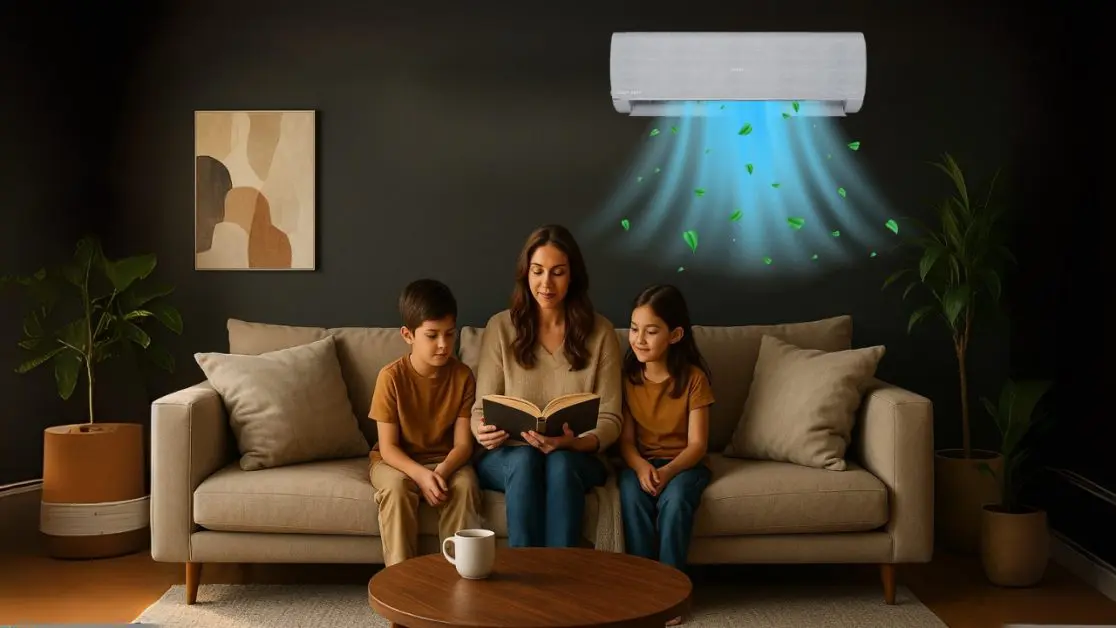
Take the Gravity AI Series; these aren’t just cooling machines. They learn patterns, optimize energy use, and respond to voice commands. In an Indian summer where electricity bills rise faster than the temperature, this is more than convenience. It’s survival math.
Or look at the Smart WiFi Water Heater. Once, hot water meant waking up early and waiting. Today, you set a timer on your phone, and the geyser ensures the bucket is ready before you step into the bathroom. It even runs antibacterial cycles so the water stays hygienic. Small detail. Big relief for parents with kids.
The Indian lens: how these shifts show up in real life
1. For the bachelor in Bengaluru
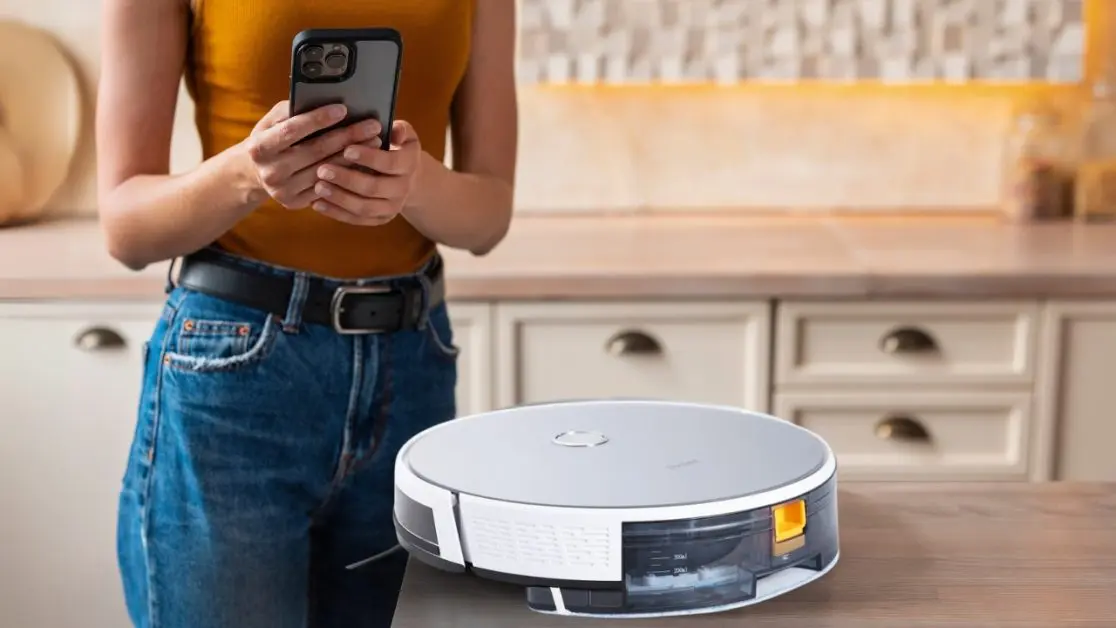
A robot vacuum like Haier’s TH27U1 quietly cleans while he codes. It slips under the bed, senses edges, and runs for 90 minutes because who has time to sweep when deadlines are chasing?
2. For the Mumbai mom juggling work calls and homework
The Probot DTX with laser navigation remembers floor maps, handles pet hair, and even mops while she’s on Teams. Old-school mops left streaks; this one leaves space for calm.
3. For the Delhi dad who turns every match into a stadium event
The Mini-LED 189cm (75) TV with Sound by KEF transforms cricket nights into immersive theatre. No soundbar needed. No crowded multiplex. Just family, snacks, and Dolby Vision clarity.
4. For grandparents in Jaipur
A shock-proof water heater that auto-cuts power at unsafe temperatures. Old-school heaters were sturdy, but this one adds peace of mind.
What this reveals: appliances as culture mirrors

When appliances shift from buttons to apps, from one-function to multi-function, they don’t just follow technology they follow us.
- Our craving for remote apps, timers, voice assistance.
- Our demand for hygiene antibacterial modes, dust sensors.
- Our taste for experiences Dolby Vision, Sound by KEF, ambient mood lighting.
It’s not tech for tech’s sake. It’s tech tuned to Indian rhythms.
The hidden system: AI as the new “family member”
There’s a pattern here.
Every time an appliance learns something whether it’s your water temperature or your Netflix history it’s moving closer to being a family member.
Think of it like this:
- Old school: You worked around the appliance.
- AI-ready: The appliance works around you.
The cost is efficiency. The benefit is freedom. And the implication? Homes that once felt crowded with chores now feel like partners in daily life.
The costs and benefits
Let’s break it down:
Costs
- Higher upfront prices (AI-ready appliances aren’t cheap).
- A learning curve for older family members.
- Dependence on WiFi and power.
Benefits
- Long-term savings on electricity and water.
- Time freed up for work, hobbies, or just breathing.
- Safety layers (shock-proof, overheat protection, cliff sensors).
- Experiences that feel cinematic, not compromised.
So what does this mean for us?
It means Indian homes are no longer just spaces of shelter; they’re evolving ecosystems.
Your fridge doesn’t just cool, it manages groceries.
Your AC doesn’t just chill, it thinks about energy bills.
Your TV doesn’t just play, it transports you.
And in this ecosystem, brands like Haier India are not selling appliances. They’re quietly selling time. Ease. Freedom from the little frictions that once defined our days.
The takeaway
The biggest luxury in India right now isn’t gold or SUVs. It’s time.
And every AI-ready appliance whether it’s a robot vacuum or a smart AC is a quiet rebellion against wasted hours.
From old-school knobs to AI-ready apps, the story of appliances is the story of us busy, ambitious, stretched thin, yet always hungry for better living.
The machines have caught up. The question is are we ready to live with that kind of intelligence in our homes?