
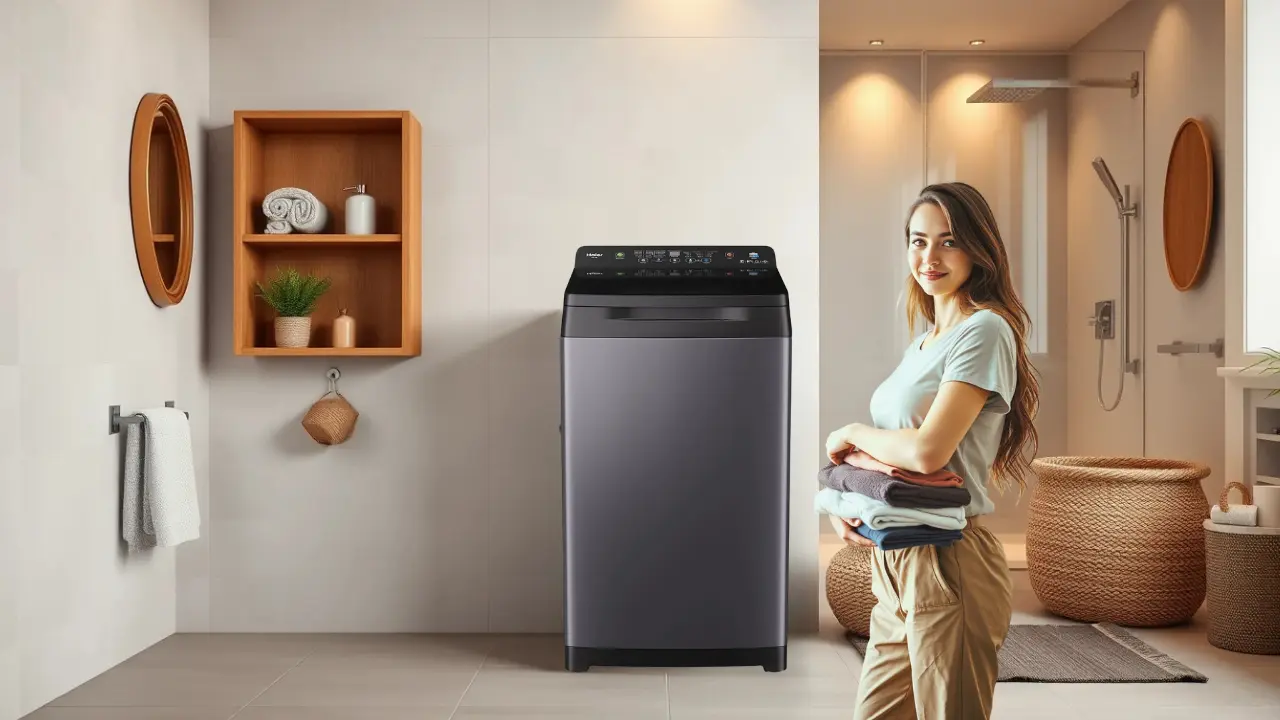

When the skies pour, drying laundry becomes a household puzzle.
Indian moms know this well. One load of clothes takes three days to dry, bedsheets smell faintly musty even when they finally do, and kids’ uniforms pile up like unpaid bills. Monsoon isn’t just about romance and pakoras, it’s about the daily logistics of damp socks, stubborn odours, and mould creeping into fabric.
And this year, something new is happening. Laundry hacks are going viral in WhatsApp groups, Instagram reels, and family Facebook circles. They’re simple, practical, often ingenious. But more than anything, they reveal how Indian households are re-engineering the oldest chore of all: washing clothes when the sun goes missing.
Why laundry feels heavier during monsoon

Clothes don’t just stay wet. They become hosts. Moisture makes them magnets for bacteria, fungi, and smells. A fresh kurta can turn sour if left half-dry. Towels lose their fluff. White shirts start greying at the collar.
The emotional toll is real too. Moms juggle between school runs, work calls, and meals laundry stress is one more drop in an already overflowing bucket.
Which is why hacks matter. They aren’t just tips; they’re relief valves. A way to keep control in a season that feels uncontrollable.
The hacks Indian moms swear by
1. Spin cycles are the new sunshine.
Instead of waiting for natural drying, families are leaning on their washing machines’ advanced spin functions. Higher RPM doesn’t just squeeze out water it buys back hours of drying time. Machines like Haier’s 8kg and 9kg top-load models come with deep clean + spin programs that act like a substitute for those rare sunny hours.
2. In-built heaters fight the hidden enemy.
Musty odours aren’t from wetness alone, they’re from germs multiplying in damp fibres. Moms have started using warm wash cycles powered by in-built heaters (like Haier’s butterfly design heater models). The heat neutralises bacteria, ensuring clothes don’t just look clean, they smell clean.
3. Magic filters for lint and dust.

In the rains, city air is heavier with dust, lint, and tiny particles that cling to fabric. Dual Magic Filters, common in Haier top-load machines, capture twice the debris. Result: uniforms that don’t irritate skin and sarees that retain their softness longer.
4. Vinegar and sunshine substitutes.
Social media is full of hacks involving kitchen staples adding a cup of vinegar during the rinse, using neem leaves in the wash drum, or even placing clothes under a ceiling fan with a dry towel layered on top. They’re not fancy, but they’re grounded in the Indian mom’s instinct for resourcefulness.
5. Near-zero pressure tech for water-starved cities.
This one’s less a hack and more a revelation. In cities like Bengaluru and Pune, water pressure dips during peak hours. Machines with near-zero pressure technology like Haier’s keep cycles running efficiently even in trickle-supply homes. Moms online are calling this a “lifesaver” for 7 a.m. uniform washes.
The cultural spread of monsoon laundry hacks
Scroll through Instagram reels and you’ll see it:
- A dad stringing socks on the backseat AC vent of his car.
- A college student showing off her “hairdryer hack” to finish a wet kurta before class.
- A grandma advising viewers to always leave the washer lid open after a cycle to avoid smell buildup
Laundry content is blowing up because it’s relatable. Everyone has wet clothes hanging in their hall. Everyone has sniffed a towel twice to check if it’s “safe” to use. These hacks become shared stories, a way to laugh, cope, and trade solutions.
Where technology meets tradition
Indian moms aren’t replacing hacks with appliances. They’re blending the two.
- Neem leaves go into the drum alongside a 15-mode wash program.
- Vinegar hacks meet anti-scaling technology that prevents mineral buildup in hard-water zones.
- Ceiling fan drying gets an upgrade with Oceanus Wave Drum washing that preserves fabric strength, so frequent washes don’t wear out clothes
Technology extends the shelf life of hacks. And hacks humanise technology making machines part of household wisdom, not distant gadgets.
Why Haier features feel made for monsoon
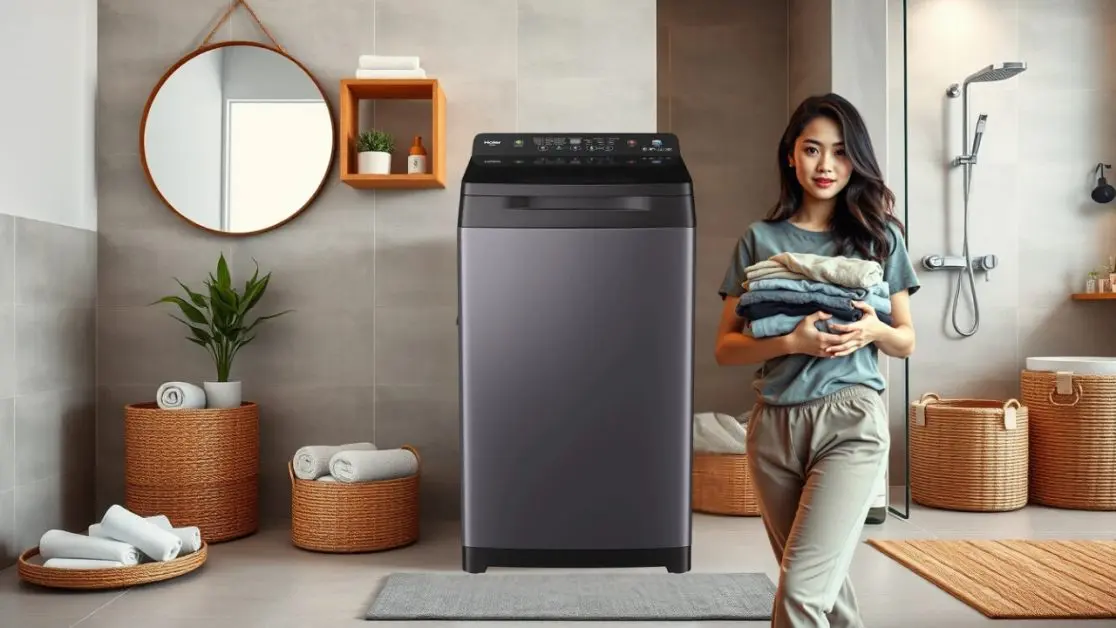
Look closely at the challenges of Indian monsoon laundry, and the product innovations align almost like they were designed in response:
- Moisture & odour – In-built butterfly design heaters for germ elimination
- Lint & debris – 2X Magic Filters capturing double the residue
- Delicate fabrics – Oceanus Wave Drum that mimics ocean waves, washing gently yet thoroughly
- Water supply dips – Near-zero pressure technology ensuring consistent performance
- Heavy loads – 9kg capacity with memory backup for uninterrupted
This isn’t a marketing copy. It’s a real alignment of lived problems with purposeful design.
What this says about Indian households
Laundry hacks going viral aren’t just about drying clothes faster. They reveal something deeper:
- Households are ecosystems. Moms, dads, kids, grandparents all contribute micro-innovations.
- Constraints breed creativity. The absence of sunshine makes fans, heaters, and machine cycles part of a new toolkit.
- Technology adoption is cultural, not just functional. A washing machine isn’t bought only for specs it’s folded into family life, adjusted with traditional hacks, and judged by its ability to reduce everyday stress
In other words: a machine is valuable when it becomes invisible. When it simply makes life easier during a season that feels harder.
The bigger picture

Monsoon laundry challenges will return year after year. Hacks will evolve. Machines will upgrade. But the principle stays:
The best solutions are the ones that respect both tradition and innovation.
That’s where Haier is quietly winning trust. By designing washing machines that don’t just wash clothes they adapt to the rhythms of Indian life. They work with hacks, not against them. They anticipate the chaos of monsoon mornings and the delicate fabrics of wedding sarees.
And that’s why when Indian moms share laundry tips online, you’ll often find a Haier machine humming in the background. Not as a star of the reel, but as the steady partner making every hack more effective.
Final thought
Rain will always fall. Clothes will always get wet. But Indian moms will always find a way.
Sometimes it’s hanging shirts behind the fridge for extra heat. Sometimes it’s trusting a machine with near-zero pressure performance when the municipal supply falters. The hacks go viral because they carry a universal promise: life may be damp, but we won’t let it stay that way.
And in that small daily victory clean, fresh clothes in the middle of the monsoon there’s a glimpse of something bigger. The quiet power of households adapting, sharing, and upgrading together.