


To avoid the stale, musty smell when reheating food in humid weather, store leftovers in airtight containers, use short reheating bursts with moisture-retaining covers, and rely on appliances with deodorizer or convection features.
The right reheating method keeps food fresh, aromatic, and appetising.
Why food smells worse in humid weather

We all know the feeling. You’ve saved yesterday’s biryani or paneer curry, only to find that when you reheat it, the aroma isn’t the same. Sometimes it smells heavy, even a bit stale.
Humidity is the silent culprit here. Moisture in the air makes food spoil faster, encourages bacterial growth, and dulls the natural spices. South Indian sambhar, North Indian rajma, even a simple pulao all lose some of their character if left exposed in muggy weather.
The problem isn’t storing food. It’s how we store, and more importantly, how we reheat.
The science of reheating leftovers
Reheating is not just about making food hot again. It’s about reviving flavours and textures.
- Too much heat too fast – and your paratha turns rubbery.
- Too little heat – and dal remains unevenly warm, with cold spots.
- Wrong method – and spices lose their aroma, leaving that stale, “recycled” smell.
So, the real challenge is simple: How do you reheat food so it tastes freshly made, even on a humid afternoon?
Storage habits that decide your reheating success
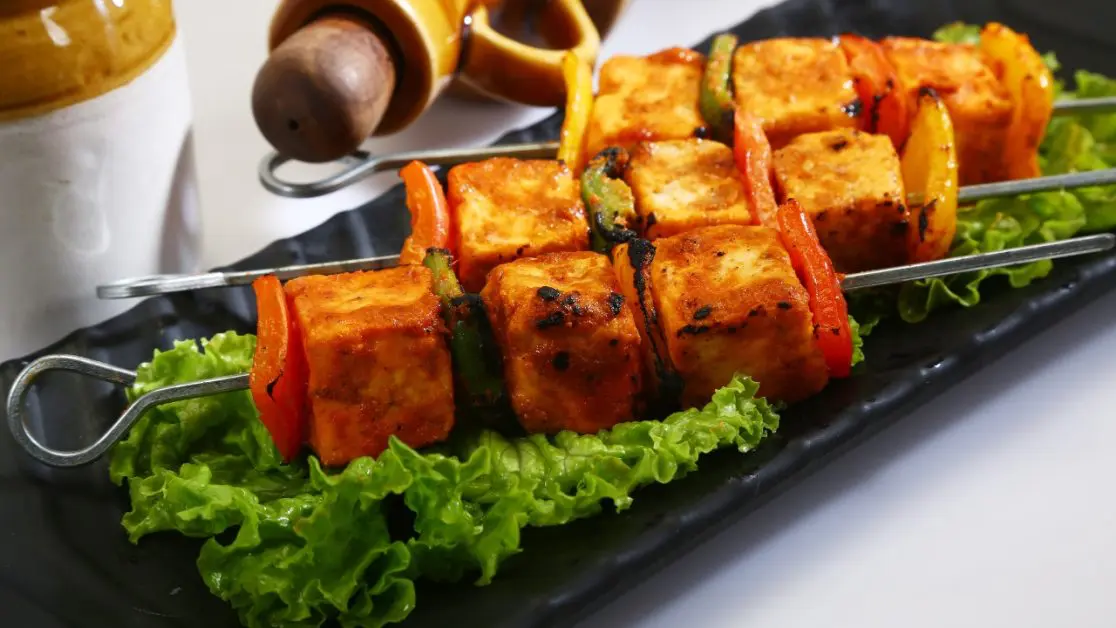
Before you even think of reheating, storage sets the stage.
1. Airtight containers – Glass or steel containers keep odours locked in and moisture locked out. Avoid thin plastic boxes, they absorb smells.
2. Cool quickly – Don’t leave food sitting in the open. Cool it, then refrigerate within two hours.
3. Separate strong flavours – Store fish curry separately from paneer tikka. Otherwise, you’re asking for odour mixing.
4. Fridge zoning – Place curries in the middle, bread/roti in separate boxes, snacks up top. This avoids flavour contamination.
Good storage reduces the stale smell before it even begins.
How different foods should be reheated
Not all leftovers are created equal. Each type of food responds differently when reheated.
Curries and dals
- Best reheated on a stove or in a convection microwave.
- Add a spoon of water before reheating to release aromas.
- Stir midway to prevent uneven heating.
Rice and biryani
- Sprinkle a few drops of water.
- Cover with a microwave-safe lid.
- Heat in short bursts for 2 minutes, stir, then 1 more minute.
Roti and paratha
- Wrap in a damp muslin cloth and microwave for 30–40 seconds.
- Or reheat on a tawa with a light brush of ghee.
Fried snacks (samosa, pakora)

- Never reheat directly in the microwave, they’ll turn soggy.
- Use convection or an in-built air fryer feature to crisp them back.
- For example, the Haier 30L Convection Microwave with In-Built Air Fryer comes with 36 dedicated air-fry menus that restore crunch.
Grilled or baked items
- Use the grill setting in your oven or microwave.
- If you own a rotisserie function (like Haier’s 30L with motorised rotisserie), skewered items like tikka regain uniform flavour.
Common reheating mistakes that cause stale smell
1. Reheating uncovered – Aromas escape and humidity dulls flavours.
2. Reheating too many times – Each cycle breaks down texture. Reheat only what you’ll eat.
3. Ignoring deodorizer options – Many convection microwaves now include deodorizer functions. For example, the Haier 25L Microwave (HIL2501CBSH) has a deodorizer that removes odour and vapours right after cooking.
4. Mixing hot and cold food – Never add freshly cooked items into a cold container of leftovers. Condensation speeds spoilage.
Smart appliances that make reheating effortless
Indian homes are evolving. Today, appliances quietly do the heavy lifting, saving us from stale smells and soggy textures.
- Haier 20L Convection Microwave – A compact choice for singles or couples. It has 66 auto-cook menus and stainless steel interiors for quick, even reheating.
- Haier 25L Microwave with Bread Basket – Perfect for families. Its deodorizer function is a lifesaver in humid cities like Mumbai or Chennai.
- Haier 30L Microwave with In-Built Air Fryer – The festival host’s dream. Crisp samosas, revive rotis, or reheat a full family dinner evenly.
These aren’t gadgets. They’re invisible systems that remove everyday friction. Food tastes fresher. Life feels smoother.
Pro tips to avoid stale smell while reheating
Here’s a quick cheat sheet:
- Always cover food with a microwave-safe lid or cling wrap (with vents).
- Add a spoon of water to curries and rice before reheating.
- Use shorter reheating cycles instead of one long blast.
- Stir in between to distribute heat and revive aroma.
- Leverage grill/air fry modes for fried snacks.
- Run the deodorizer (if available) after reheating strong flavours like fish curry.
Why this matters more in India
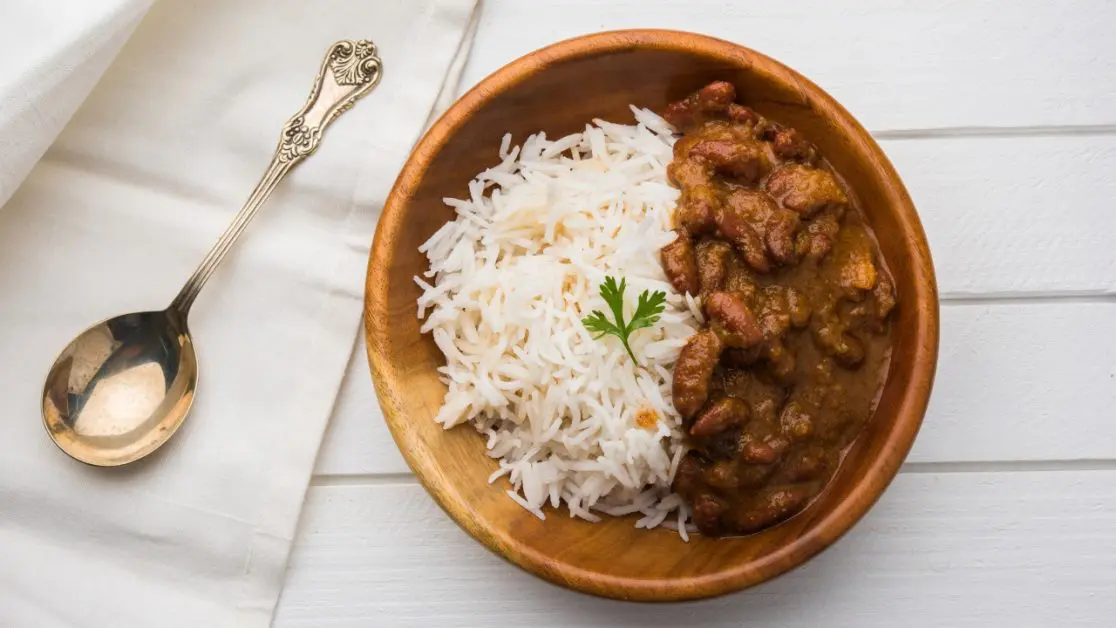
Our food is built on spices, freshness, and layered aromas. A stale smell kills that experience.
In humid regions Kolkata in July, Chennai in September, even coastal Goa reheating without care can make even the best dal taste flat.
But the reverse is also true: Get reheating right, and leftovers can taste just as joyful as day one. Sometimes even better to think of the next-day rajma chawal or korma.
The bigger pattern: appliances as cultural enablers
At first glance, reheating seems like a minor kitchen act. But zoom out and it reveals something deeper.
- For working professionals, it means saving time without sacrificing taste.
- For parents, it means kids don’t complain about stale-smelling food.
- For young couples, it means less waste, more comfort.
- For joint families, it means festive leftovers don’t lose charm the next day.
A good appliance isn’t just a tool. It’s a system that sustains cultural rhythms whether that’s midnight chai, Sunday biryani, or weeknight idlis.
Final takeaway
Humidity makes food storage and reheating tricky. But with airtight storage, mindful reheating methods, and smart appliances designed for Indian kitchens, you can avoid the dreaded stale smell.
In fact, reheated food can be something to look forward to, not a compromise. Because when technology preserves flavour, what you’re really preserving is memory, comfort, and joy.