
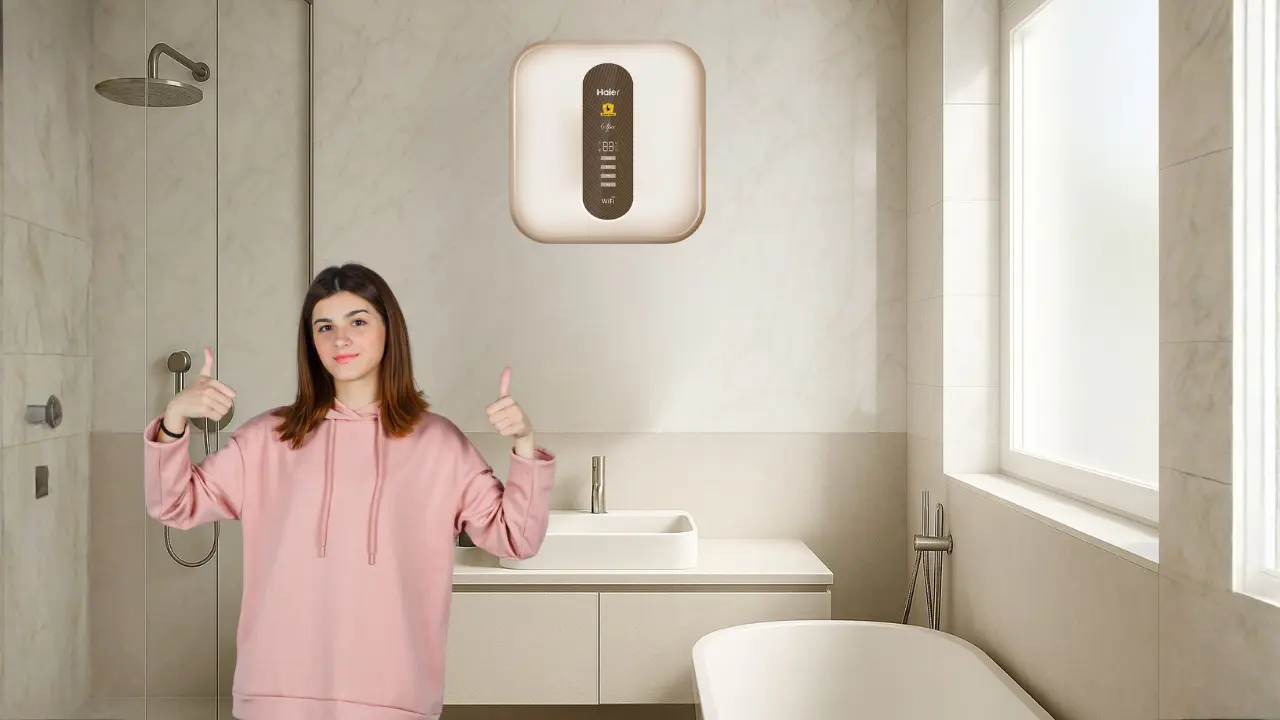

A magnesium rod attracts the minerals and corrosive elements that would otherwise attack your water heater’s tank. During winter, when cold water is harder, more mineral heavy, and more corrosive, the rod absorbs that damage first.
This keeps your water heater’s tank safe, slows rust, and maintains hot water efficiency during the season. It is your water heater’s quiet bodyguard.
Why winter feels like a stress test for water heaters
Something changes the moment November chills settle across North India.
The pipes feel colder. The water feels heavier. Even the first bucket of the morning takes longer.
It feels small, but it is not.
Cold water carries more dissolved minerals. Those minerals do not just sit there. They react. They cling. They scrape the protective layers inside any tank.
This is where rust begins. Quietly. Invisibly.
Like most real problems in Indian homes, rust does not announce itself. It builds in silence.
Which is why one small part inside your water heater does the heaviest lifting.
The magnesium rod.
The magnesium rod is a sacrifice system
What exactly does the rod do?
A magnesium rod is placed inside the storage tank of a water heater. The Haier water heaters in your file list it clearly under durability features: “Magnesium Rod Yes” on the specification table But the purpose is bigger than a bullet point.
The rod protects the inner tank by corroding before the tank does.
Engineers call it a sacrificial anode.
Homes experience it as an added lifespan.
Think of it like how a pressure cooker whistle takes the force so the cooker stays safe.
Or how a surge protector absorbs voltage spikes so your TV does not.
Some parts are designed to be heroes.
The magnesium rod is one of them.
Why water becomes more corrosive in winter
Three patterns show up every single winter in Indian homes.
1. Harder water enters from colder pipelines
Colder water holds more dissolved minerals. Calcium. Magnesium. Chlorides.
These are not harmful to your skin.
But they are aggressive to metal.
2. Longer heating cycles increase internal stress
When a water heater has to work harder, the tank faces more repeated expansion and contraction.
Rust loves these micro-stresses.
3. Stagnant water in early mornings accelerates reactions
Every Indian family knows the winter rhythm.
The first shower happens later.
The tank sits idle.
Still water inside a tank with dissolved minerals is the perfect stage for corrosion.
This is why the magnesium rod’s role becomes even more important between November and February.
The invisible chemistry that keeps your tank alive
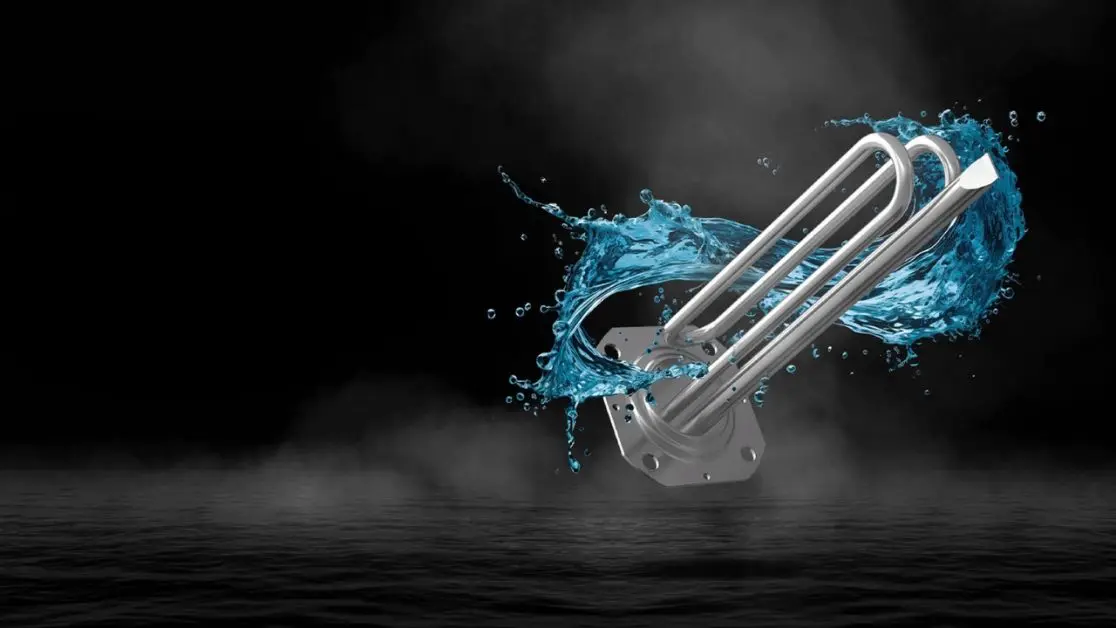
Here is the simplest way to understand science.
Water contains ions that want to react with metal.
The tank metal wants to surrender electrons.
Rust forms when these electrons escape and bond with oxygen.
The magnesium rod steps into the fight.
What happens in real time
- Magnesium gives up electrons more willingly.
- The corrosive ions attack the rod instead of the tank.
- The tank stays intact.
- The rod slowly dissolves over months and years.
It is a trade.
A sacrifice.
A small component absorbing big damage.
And because Haier’s tanks are already reinforced with a glass lined layer for corrosion resistance , the magnesium rod works with that defence, not alone.
This is what systems thinking inside appliances look like.
Multiple protections, each reducing the pressure on the other.
Why the magnesium rod matters even more in high-rise apartments
It clearly lists 8 Bar Rated Pressure for the Haier 15L unit .
High rise buildings often supply water at higher pressure.
Higher pressure equals faster chemical reactions inside a tank.
Higher pressure equals more stress on metal surfaces.
This means two things:
1. Tanks in tall buildings face tougher conditions.
2. A magnesium rod is not optional. It is protection.
Rust in high pressure environments forms quicker, spreads faster, and causes deeper damage.
The rod slows that chain reaction.
What happens when your water heater runs without a magnesium rod
Here is the simple truth.
A water heater can still work without a magnesium rod, but the tank will not last its full life.
The three major consequences
1. Faster internal tank corrosion
The moment the rod is consumed and not replaced, corrosion starts affecting the tank directly.
2. Lower heating efficiency
Rust flakes form and settle on the heating element.
This increases heating time.
Higher bills follow.
3. Shorter product lifespan
Internal rust grows silently, until one day the tank weakens.
By the time you notice the symptoms, the damage is usually irreversible.
The rod delays all of this.
The cost of replacing it is small.
The cost of not replacing it is much bigger.
How the magnesium rod quietly supports every other feature inside the heater
The heater includes:
- Corrosion Proof UMC Tank
- Glass lined tank coating
- Incoloy 800 heating element
- IPX4 waterproofing
- RSC technology for fresh water flow
- Bacteria Proof System
- 8 Bar pressure rating
Each feature protects something different.
But all these protections weaken if corrosion gets inside the tank early.
Rust is the silent enemy.
It reduces efficiency, affects bacterial protection, and increases stress on the heating element.
A magnesium rod is the gatekeeper that prevents corrosion from entering the system at all.
A simple list to understand the benefits
Why your winter depends on a healthy magnesium rod
1. Cleaner water
Corrosion affects colour and clarity.
A working magnesium rod prevents that.
2. Better heat retention
A rust free tank keeps heat longer.
This pairs well with Haier’s PUF insulation, which retains hot temperatures and saves electricity .
3. Longer life of heating element
Minerals attack the element.
The rod absorbs that damage first.
4. Lower electricity consumption
A clean interior heats water faster.
Less rust means less energy loss.
5. Longer tank lifespan
The biggest long term gain.
You protect the one part that is hardest to replace.
How often should the rod be checked or replaced
Here is the practical rule used by technicians.
1. Hard water region
Replace every 12 to 18 months.
2. Moderate water region
Replace every 18 to 24 months.
3. Soft water region
Replace every 24 to 36 months.
If winter water in your area leaves white spots on utensils, kettles, or shower heads, your heater’s rod is working extra hard.
A quick service visit can save years of future cost.
Where Haier’s design makes the magnesium rod even more effective
The rod is only one part of the system.
It works better when the surrounding design supports it.
Three elements stand out clearly.
1. Glass Lined Tank
This layer blocks direct corrosion and supports the rod’s lifecycle.
2. Incoloy 800 Heating Element
This stainless steel element withstands scale formation longer, letting the rod handle corrosion control without added stress.
3. RSC Technology
RSC ensures smoother water movement inside the tank which reduces trapped mineral zones and prevents stagnant areas where rust forms faster.
Each of these raises the effectiveness of the magnesium rod.
Systems rarely work in isolation.
Protection is a chain.
You only stay safe when every link holds.
The bigger idea: A small part protecting a larger future
Indian households rarely think about the inside of their water heaters.
We think about the outside.
The design.
The time it takes to heat.
The electricity bill.
But winter reminds us of a quiet truth.
Comfort depends on maintenance.
And maintenance depends on small decisions made early.
A magnesium rod is not a glamorous component.
It will never trend on a shopping list.
But it protects the expensive parts that matter.
The tank.
The element.
The insulation.
The water quality.
The energy performance.
All of them stand stronger because one part chooses to sacrifice itself.
That is the kind of system design that makes a home feel easier to run.
That is also why brands that think long term include it by default.
Every Haier storage water heater does.
Not to sell a feature.
To build trust through engineering.
The takeaway you want readers to remember
Rust is not a winter problem.
It is a water problem that winter accelerates.
A magnesium rod slows it down.
Protects the tank.
Supports energy savings.
And extends the life of every part inside your heater.
It is the smallest line item in the specification sheet.
But the biggest defence against winter wear.
Smart homes do not start with big decisions.
They start with invisible ones.
The magnesium rod is one of them.