
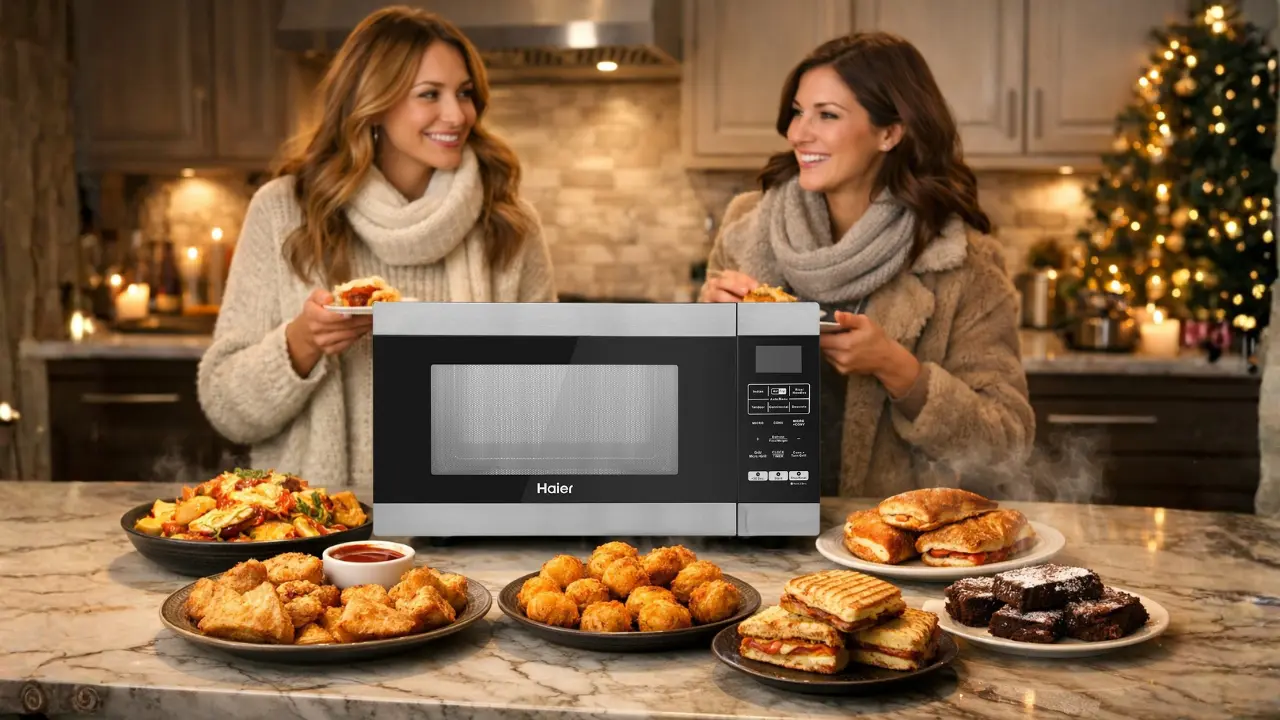

January slows cooking down because mornings are colder, routines are heavier, and energy is lower. Microwaves fix this by collapsing time.
They reheat, cook, and crisp food faster, with less effort, and far fewer dirty vessels. In real Indian homes, that speed changes how weekdays actually work.
Why does January feel harder in the kitchen?
January does not arrive alone.
It brings foggy mornings. Shorter days. Longer to-do lists.
The alarm rings. The floor is cold. The gas stove takes its time. Vegetables sit on the counter, waiting to be chopped. The body wants warmth. The clock wants speed.
This is not laziness.
This is friction.
Cold weather adds resistance to every small action. Even cooking.
Behavioral researchers often point out that effort compounds. When the first step feels heavy, everything after slows down. Cooking in January is a perfect example of that system at work.
You still want fresh food.
You still want home taste.
You just do not want to stand in the kitchen longer than necessary.
That gap between intention and energy is where microwaves quietly step in.
The hidden system at play: time, heat, and attention
Cooking is not just about heat.
It is about attention.
On a normal day, cooking asks for three things at once.
- Heat at the right level
- Time spent watching and adjusting
- Mental space to manage multiple tasks
In January, all three are in short supply.
Workdays stretch longer. Commutes feel heavier. Even working from home blurs the line between office and kitchen.
Microwaves reduce all three pressures at once.
They deliver consistent heat.
They compress time.
They demand almost no supervision.
That is not convenient.
That is system design.
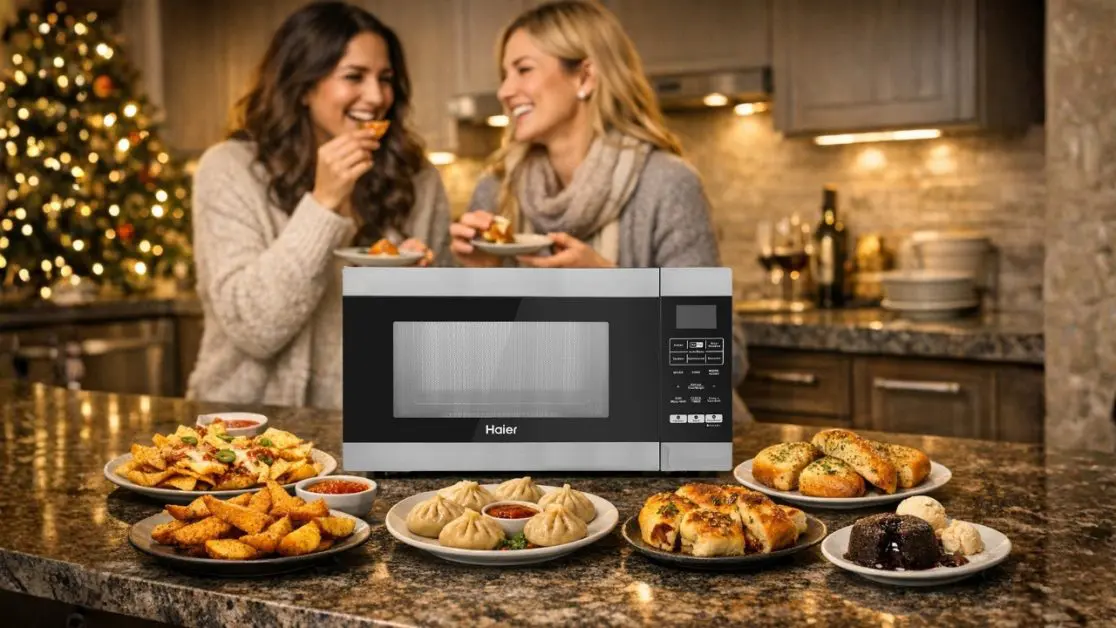
Microwaves are no longer just for reheating
Many Indian households still see microwaves as leftover machines. That idea belongs to another decade.
Modern convection microwaves combine multiple cooking methods in one compact space.
- Microwave heating for speed
- Convection heating for baking and roasting
- Grill and air fry functions for texture
This matters in January because food preferences change.
People crave warmth.
Crisp edges.
Baked comfort.
A single appliance handling all of that removes the need to juggle gas, oven, and multiple pans.
Three January cooking problems. One appliance solution.
Let us break it down simply.
One problem is slow mornings
Breakfast in winter takes longer than it should.
The batter feels thick. Bread stays cold. Oil heats slowly.
A microwave changes the equation.
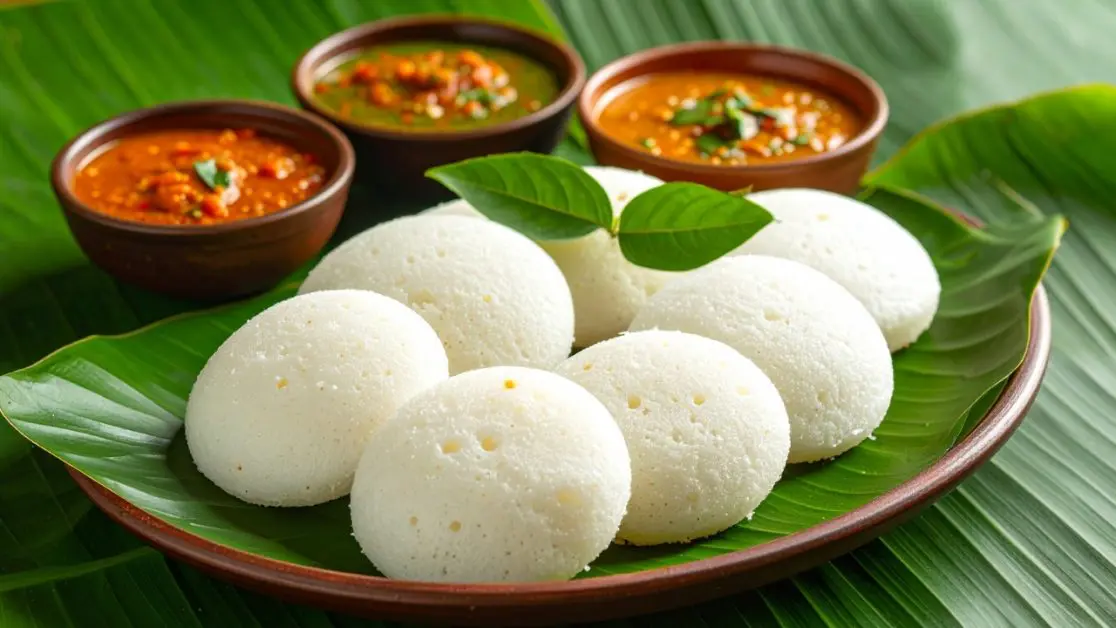
- Reheat idlis evenly without drying them
- Warm parathas without flipping
- Make quick oats or poha with controlled heat
Time saved here is not minutes.
It is calm.
The second problem is heavy evenings
January dinners lean towards rich food.
Roasted vegetables. Paneer. Kebabs. Tikkas.
Traditionally, these ask for patience and attention.
With convection and air fryer modes, you get the same results with fewer steps.
- No constant turning
- No oil splatter
- No standing guard
According to appliance efficiency studies, convection cooking distributes heat more evenly than traditional stovetops, which reduces cooking time for many dishes.
That efficiency shows up as energy saved and effort avoided.
The third problem is mental fatigue
By January end, decision fatigue is real.
What to cook. How long it takes. Who cleans up.
Microwaves lower the thinking cost.
Preset menus, automatic time and power settings, and predictable results reduce decision-making.
When cooking feels lighter, it happens more often.
What actually makes a microwave useful in Indian kitchens?
Not all microwaves fit Indian cooking habits. The difference lies in features that respect how food is prepared at home.
Here are the ones that matter in January.
- Convection capability for baking, roasting, and uniform heating
- Air fryer function for low-oil winter snacks
- Stainless steel cavity for better heat retention in cold weather
- Large capacity to handle family portions
- Preset menus tuned for Indian dishes
For example, Haier’s 30L Convection Microwave with In-Built Air Fryer combines these functions in one appliance, offering 36 dedicated air fryer menus and over 300 preset cooking options. This kind of integration removes guesswork and shortens prep time in everyday use
The point is not the product.
It is the pattern.
One well-designed appliance replaces three tired routines.
Energy, cost, and why speed matters more in winter
There is a common assumption that faster appliances consume more power.
In reality, shorter cooking time often means lower overall energy use.
Microwaves heat food directly rather than heating air first. That efficiency becomes more visible in winter when traditional cooking takes longer to reach temperature.
According to energy efficiency research published by consumer appliance bodies, microwave cooking can use up to 50 percent less energy for reheating and simple cooking compared to conventional methods.
That saves compounds across an entire month.
January bills notice it.
So does your schedule.
Microwaves fit modern Indian households better than we admit
Look at how homes are changing.
- Smaller kitchens in new apartments
- More working couples
- More solo professionals
- Less time for elaborate prep on weekdays
Appliances that reduce steps matter more than appliances that look impressive.
Microwaves fit this shift because they respect constraints.
They work well in compact spaces.
They reduce cleanup.
They support both quick meals and weekend experiments.
A frozen evening snack.
A reheated curry.
A baked winter dessert.
Same appliance. Different moods.
The comfort food effect
January cooking is emotional.
Food becomes warm.
Warmth becomes comfort.
Microwaves support this quietly.
They let people cook what they crave without turning it into a project.
- Mug cakes on cold nights
- Roasted makhana without excess oil
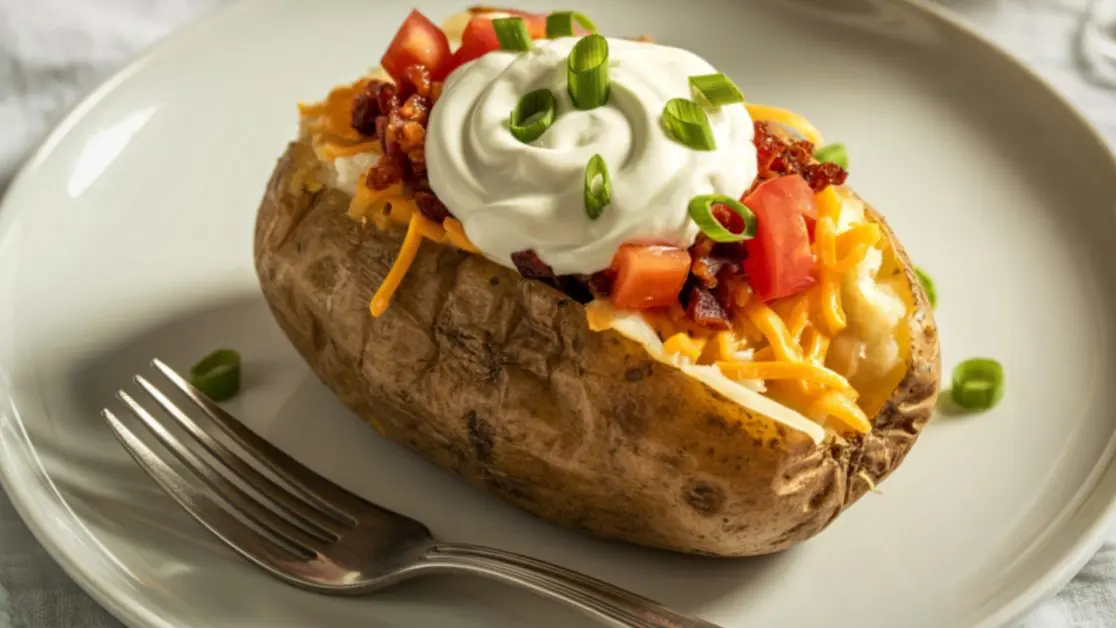
- Quick baked potatoes after work
- Evenly heated leftovers that still taste fresh
Nutritionists often highlight that people eat better when healthy food is easier to prepare. When effort drops, consistency rises.
Microwaves reduce effort.
Consistency follows.
What this really teaches us about appliances
The lesson is not about speed alone.
It is about friction.
Every home runs on systems. Cooking systems. Cleaning systems. Energy systems.
When one system creates too much resistance, habits break.
Microwaves reduce resistance in winter when resistance peaks.
That is why they feel more valuable in January than any other month.
The bigger implication for everyday living
Smarter living is not about doing more.
It is about making the everyday lighter.
January cooking is slower because life is heavier.
Microwaves do not rush you.
They support you.
They turn effort into ease.
They turn cold routines into warm habits.
And when one part of life feels sorted, everything else follows a little more smoothly.
That is how real homes evolve.
Quietly. Intentionally. One small system at a time.
Frequently Asked Questions
How do microwaves actually make cooking easier, not just faster?
They reduce three pressures at once – cooking time, constant supervision, and mental attention.
Are microwaves still mainly for reheating leftovers?
That idea is outdated. Modern convection microwaves bake, roast, grill, and air-fry.
What kinds of winter foods can I actually cook in a microwave?
Roasted vegetables, paneer tikka, kebabs, baked snacks, mug cakes, and more.
Why do winter breakfasts take longer than they should?
Batter thickens, oil heats slowly, and reheating dries food on the stove.
How can I reheat idlis or parathas without ruining texture?
Microwaves reheat evenly without over-drying or constant flipping.
How do preset menus actually help in daily cooking?
They remove guesswork, time, power, and temperature are handled for you.