
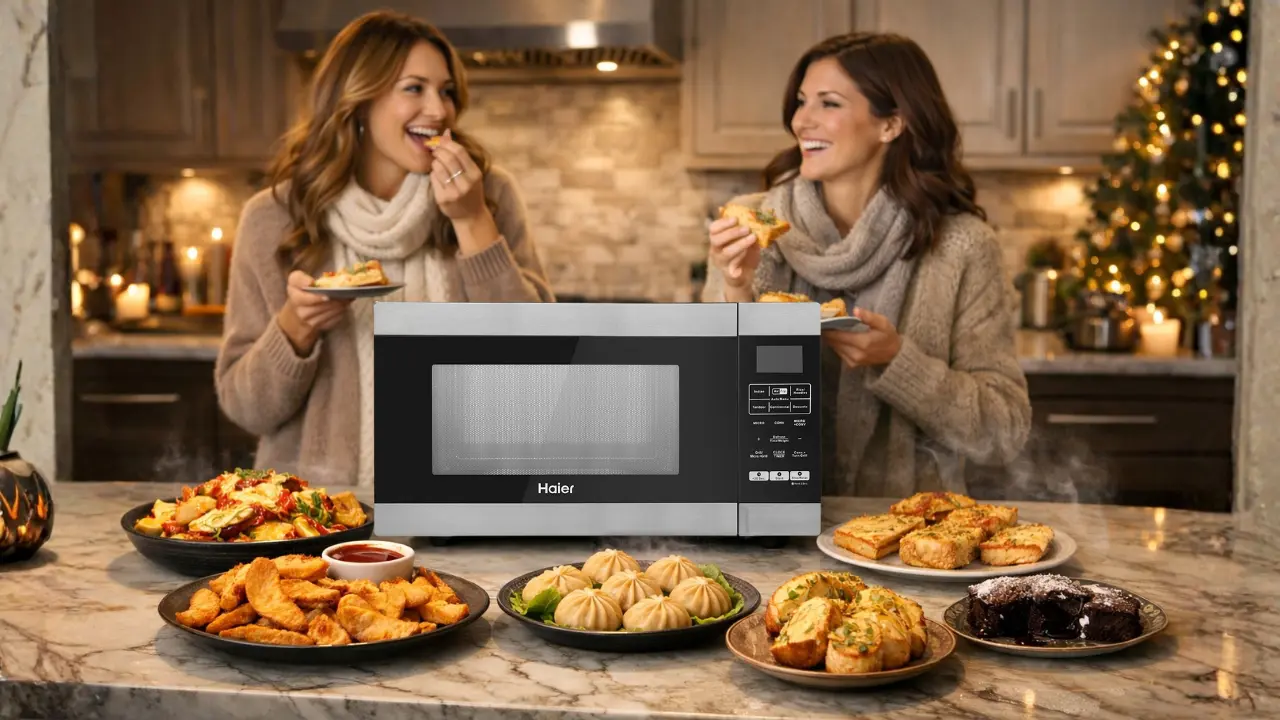

The best microwave solution for cooking in a cold kitchen is a full-featured convection microwave that creates its own controlled heat environment, independent of room temperature.
It shortens cooking time, locks warmth inside the cavity, and removes the physical discomfort that winter kitchens quietly add to everyday meals.
Cold kitchens change how cooking feels.
And once winter sets in, you notice it everywhere.
Why do cold kitchens quietly disrupt daily cooking?
Early winter mornings in Indian homes are familiar.
Cold granite countertops.
Tiles that never quite warm up.
A kitchen that feels fine to pass through, but uncomfortable to stand in.
Most Indian kitchens are not heated spaces. They are designed for airflow, not warmth. In summer, this works beautifully. In winter, it slows everything down.
Cooking stretches longer than planned.
Standing still feels draining.
Gas flames warm the air unevenly.
And small decisions start to feel bigger than they should.
This is not about laziness or poor planning.
It is about friction.
Cold adds friction to cooking.
Friction changes behaviour.
Breakfast gets skipped.
Leftovers stay untouched.
Dinner decisions get postponed.
The real problem is not the food.
It is the environment.
The hidden system winter exposes inside kitchens
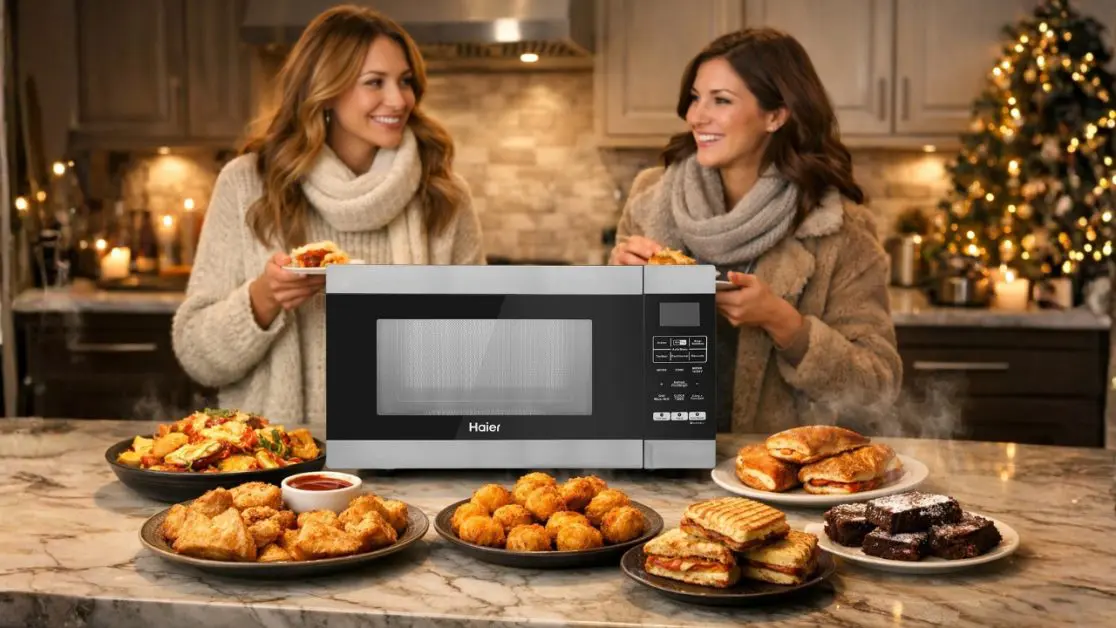
The cold does not just affect people.
It affects food first.
Oil heats slower.
Leftovers reheat unevenly.
Moisture escapes faster.
Dough and batters behave unpredictably.
Traditional stove cooking relies heavily on ambient warmth, even if we rarely think about it. When the kitchen temperature drops, everything demands more effort and more attention.
Microwave cooking operates on a different system.
It creates a sealed, temperature-controlled environment that ignores the room completely.
That is the shift.
Instead of fighting the cold, you cook outside of it.
Why microwaves outperform stoves in cold kitchens
This is where assumptions break.
Microwaves are often seen as reheating tools.
In winter, they become primary cooking systems.
Here is why that matters.
1. Heat stays inside the food, not the room
Gas stoves warm the surrounding air.
Microwaves heat the food directly.
In a cold kitchen, this difference changes everything.
Microwave cavities trap heat and moisture, allowing food to cook evenly without relying on room temperature.
Cold room.
Same result.
Every time.
2. Shorter cooking time reduces cold exposure
Cold kitchens punish long cooking sessions.
Microwaves compress the cooking window. Less standing. Less waiting. Less discomfort.
When effort drops, consistency rises.
3. One appliance replaces many winter tasks
Winter cooking is rarely just one thing.
Reheating last night’s deal.
Baking bread or cakes.
Grilling paneer or vegetables.
Crisping snacks for evening tea.
A convection microwave handles all of this in one enclosed system, without moving between stove, oven, and countertop appliances.
Fewer transitions.
Less cold.
What actually makes a microwave ideal for cold kitchens
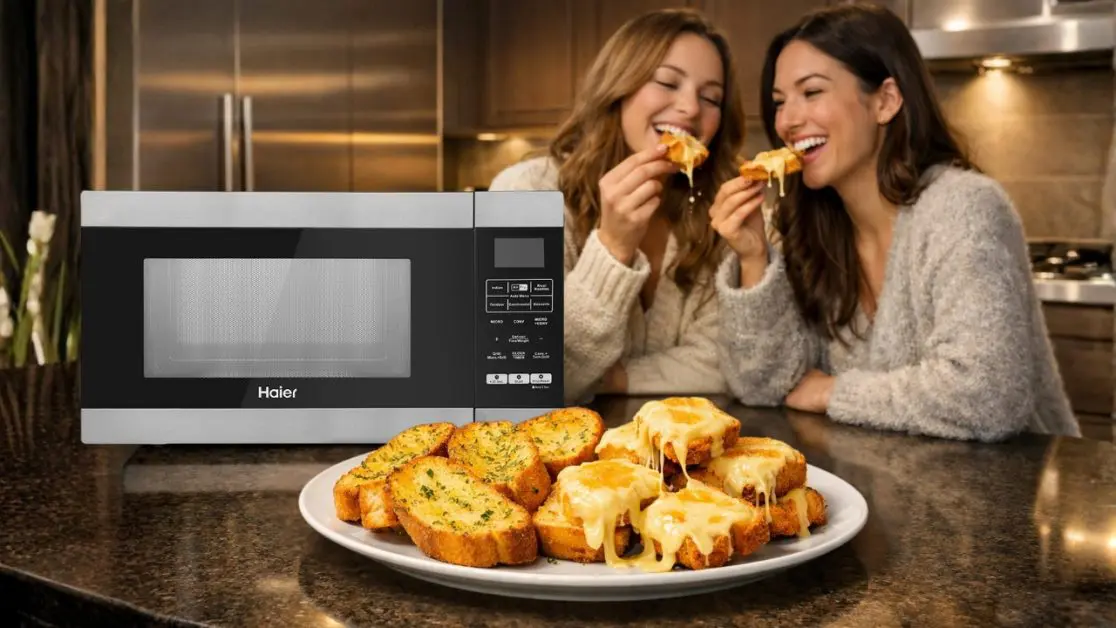
Not every microwave performs well in winter.
The best microwave solution for cooking in a cold kitchen needs three specific qualities.
1. True convection cooking
Convection mode circulates hot air evenly.
In winter, this ensures:
- Even cooking despite cold ingredients
- Better browning without drying
- Oven-like results without heating the kitchen
Without convection, winter cooking feels limited and inconsistent.
2. Stainless steel cavity for heat retention
Stainless steel cavities hold and reflect heat better than painted interiors.
In cold conditions, this improves:
- Faster preheating
- Stable temperatures
- Better texture in reheated food
Heat recovery matters more in winter than most people realise.
3. Preset cooking logic that reduces effort
Cold weather drains decision-making energy.
Preset menus remove guesswork when motivation is low.
You choose the dish.
The microwave controls power and time.
That simplicity keeps cooking regular even on low-energy days.
A winter evening scenario most homes recognise
It is already dark outside.
Groceries arrive late.
Hands feel cold.
Everyone wants food immediately.
One option is stove cooking.
That means standing longer.
Managing flames manually.
Constant supervision.
The second option is a convection microwave.
- Rice reheats evenly without drying
- Sabzi cooks without constant stirring
- Rotis warm without becoming hard
- Snacks crisp without oil splatter
Same food.
A very different experience.
The difference is not speed alone.
It is insulation from the cold.
Why air frying inside the microwave matters in winter
Winter cravings lean toward crispy food.
Samosas.
Pakoras.
Cutlets.
Tikkis.
Traditional frying demands attention and tolerance for cold oil handling. Standalone air fryers add another appliance and another preheat cycle.
An in-built air fryer inside a convection microwave simplifies everything.
- No standing near hot oil in a cold room
- No splatter in cold air
- No extra appliance clutter
This matters in compact Indian kitchens where space and warmth are both limited.
The Haier 30L Convection Microwave with In-Built Air Fryer (HIL3001ARSB) combines convection, grilling, and air frying in a single stainless steel cavity, allowing winter cooking to stay contained, faster, and more comfortable
Choosing the right microwave size for winter cooking
Capacity is not just about family size.
It is about cooking rhythm.
In winter, people cook less frequently but in larger batches.
Leftovers become intentional.
Meal prep increases.
Weekend cooking stretches across days.
A 30L microwave supports:
- Family-sized portions
- Multiple dishes at once
- Batch cooking for busy weekdays
- Festive winter meals
Larger cavities also retain heat better once warmed, improving consistency during repeated use.
Cost versus comfort in cold kitchen decisions
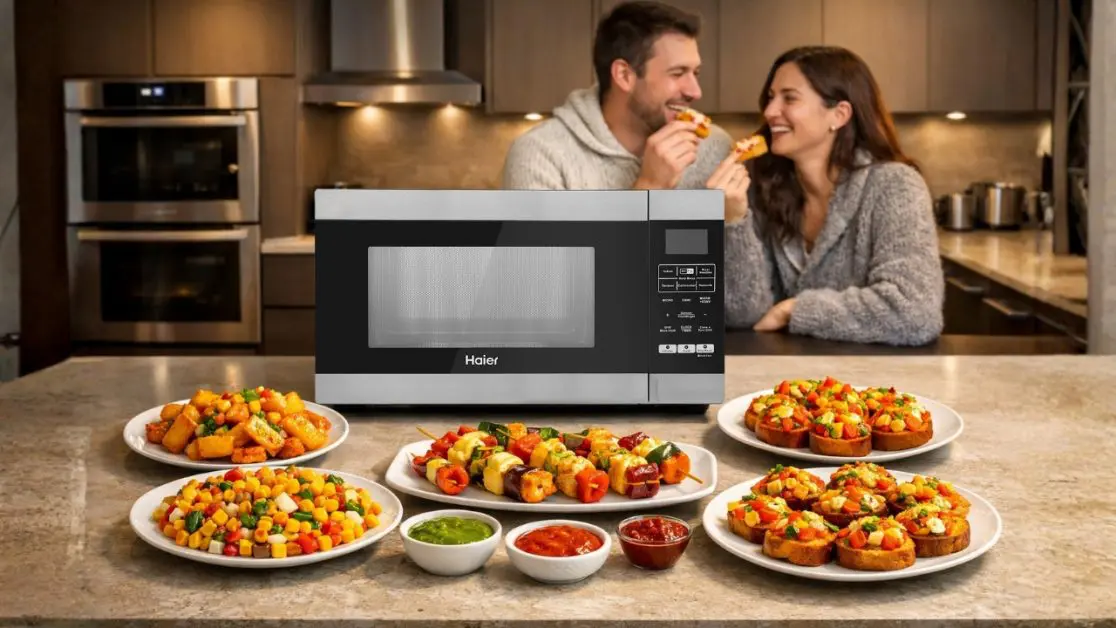
Microwaves are often judged on upfront price.
Winter reveals their real value.
Costs
- Initial purchase
- Electricity usage
Benefits
- Reduced gas dependency
- Faster cooking time
- Lower food waste from uneven reheating
- Greater consistency regardless of kitchen temperature
Over an entire winter season, the comfort and reliability gains often outweigh the running cost difference.
Especially for working professionals, parents, and solo households.
How microwaves reshape winter cooking habits
The biggest change is not flavour.
It is frequency.
People cook more often when it feels easier.
Microwaves reduce the physical and mental resistance that cold kitchens create.
That leads to:
- More home-cooked meals
- Fewer skipped breakfasts
- Better use of leftovers
- Less dependence on food delivery
Appliances shape behaviour.
Behaviour shapes everyday health.
What this reveals about modern Indian homes
Indian kitchens are evolving quietly.
Smaller.
More flexible.
Designed around real routines.
Winter exposes inefficiencies faster than summer ever does.
Microwaves that combine convection, air frying, stainless steel cavities, and smart presets are no longer optional upgrades. They are systems designed for changing lifestyles.
The best microwave solution for cooking in a cold kitchen is not about features on a brochure.
It is about removing friction when energy is low.
The insight worth carrying forward
Cold kitchens do not reduce cooking ability. They reduce momentum.
The right microwave restores momentum by containing heat, simplifying decisions, and shortening effort.
When cooking feels easier, people cook more.
And that quiet shift changes daily life in ways that last well beyond winter.
Frequently Asked Questions
How does a microwave ignore room temperature completely?
Microwaves create a sealed, temperature-controlled cavity. Heat is generated and retained inside the appliance, not lost to the surrounding cold air, so results stay consistent regardless of season.
Is a microwave really better than a gas stove in winter?
In cold kitchens, yes. Microwaves heat food directly, shorten cooking time, and reduce physical discomfort. In winter, they shift from “reheating tools” to primary cooking systems.
Why does my reheated food dry out more in winter?
Cold air pulls moisture faster. Microwaves with good heat retention (especially stainless steel cavities) lock moisture inside, improving reheating quality.
Why does stainless steel cavity matter more in winter than summer?
Stainless steel reflects and retains heat better. In winter, this improves preheating, temperature recovery, and overall consistency, especially for batch cooking.
Why do I crave crispy snacks more in winter?
Cold weather drives comfort-food cravings, pakoras, samosas, cutlets. These foods feel warm and satisfying.
Why is air frying inside a microwave better than using oil in winter?
It avoids standing near hot oil in a cold room, reduces splatter, and keeps heat contained. Built-in air frying also eliminates the need for an extra appliance and preheat cycle.