
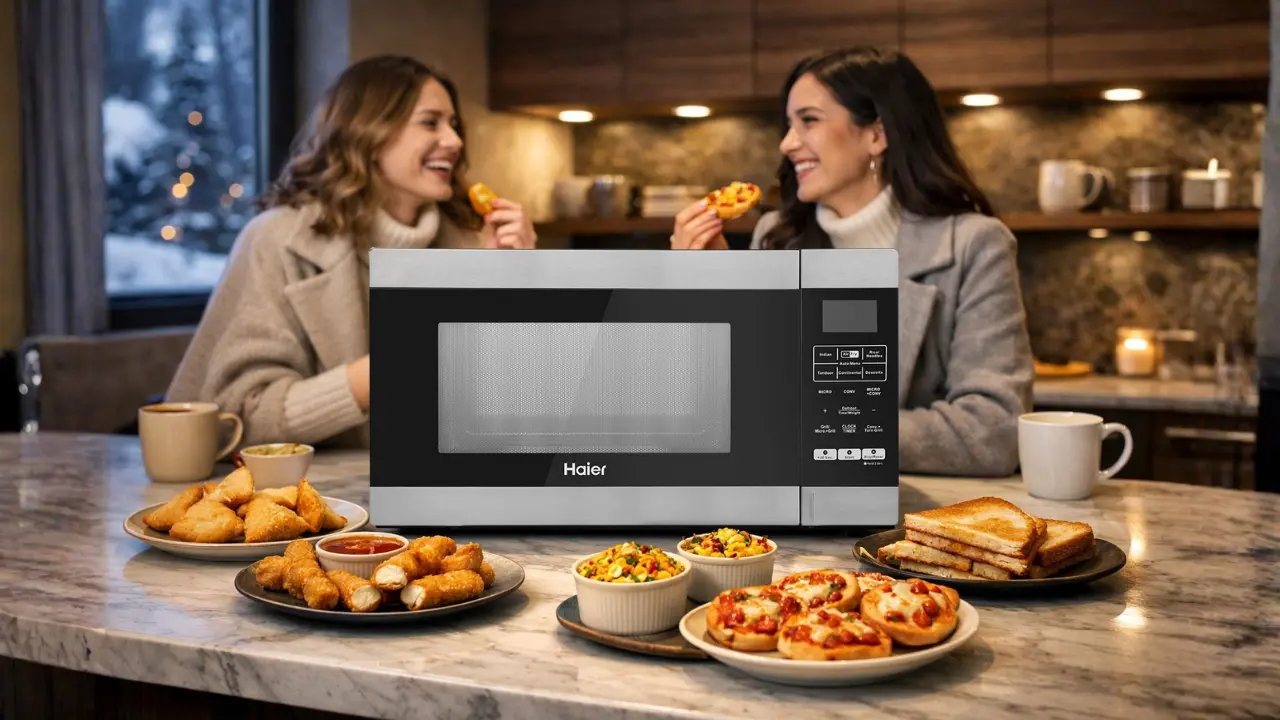

When winter settles in, Indian kitchens turn colder, slower, and less forgiving. The warm solution is not working harder or cooking longer.
It is changing the system. A single appliance that heats food fast, evenly, and without dragging cold air deeper into your home quietly resets winter routines.
Why do Indian kitchens feel colder than the rest of the house in winter?
It starts with a familiar scene.
Early morning. Woollen socks. Fog is still hanging outside. You open the kitchen door and the temperature drops instantly.
Steel counters feel colder than the air. The stove takes time to warm up. Even reheating yesterday’s food feels like a chore.
This is not about weather alone.
Indian kitchens are designed for airflow, ventilation, and movement. In winter, those same features amplify cold.
Every time the stove is lit, exhaust fans pull warm air out. Every time a door opens, cold air rushes in.
The kitchen becomes the coldest room in the house.
And the more time you spend there, the more uncomfortable it feels.
Cold kitchens are not a comfort problem. They are a workflow problem.
The hidden cost of standing near the stove in winter
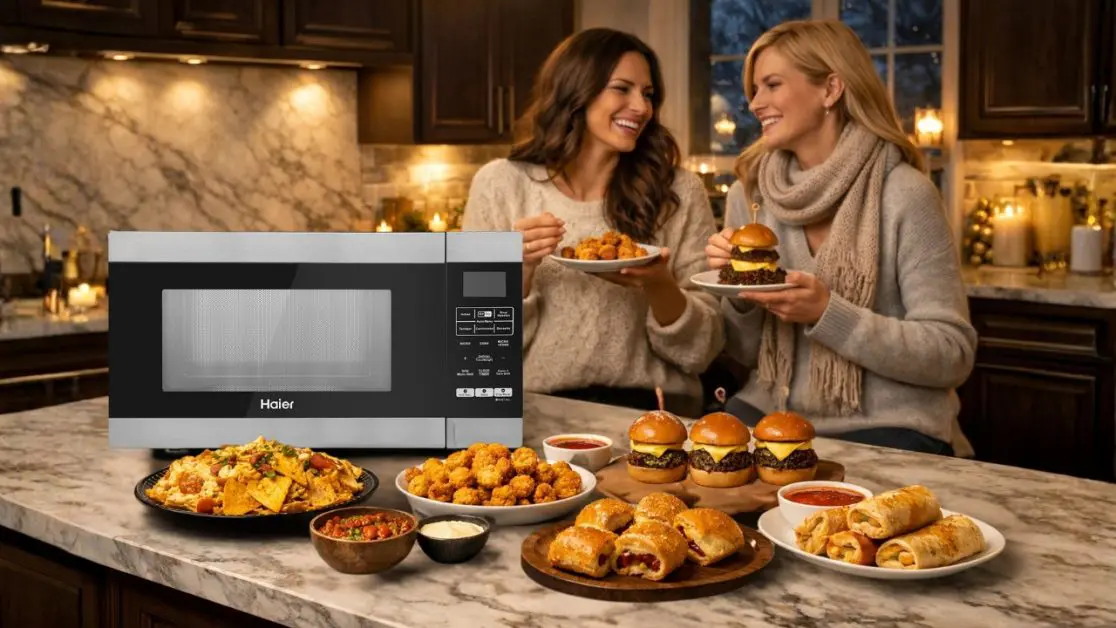
Most people assume winter cooking is about patience.
Let the pan heat.
Let the oil warm.
Let the food come to temperature.
But there is an invisible cost to this routine.
- Longer standing time in cold air
- Higher gas usage to maintain heat
- More exhaust use that pulls warmth away
- Lower motivation to cook fresh meals
This is why winter diets drift toward ordering in, skipping meals, or eating food that is warmed unevenly.
Not because people do not care.
Because the system works against them.
When the environment resists you, habits collapse quietly.
The real winter kitchen problem is not cooking. It is reheating
Here is a truth most homes miss.
In winter, Indian households cook less often but reheat more frequently.
Leftover rajma.
Morning idlis from last night.
Rotis wrapped in foil.
Dal cooked in bulk.
The stove was built for cooking from scratch.
Winter kitchens run on reheating.
That mismatch creates friction.
- Stoves overheat small portions
- Pans dry out food
- Reheating becomes slow and messy
- Kitchens stay cold longer than needed
Winter kitchens need speed, not flame.
One warm solution changes everything
This is where the system shifts.
A microwave does not heat the kitchen.
It heats the food directly.
That distinction matters more in winter than any other season.
You are not standing in cold air waiting for metal to warm.
You are not pulling heat out through exhaust fans.
You are not adding steps to a simple task.
You press a button.
You wait a few minutes.
You eat warm food.
The kitchen stays calmer.
Your body stays warmer.
Your routine stays intact.
Warm food does not require a warm room. It requires the right tool.
Why microwaves matter more in winter than summer
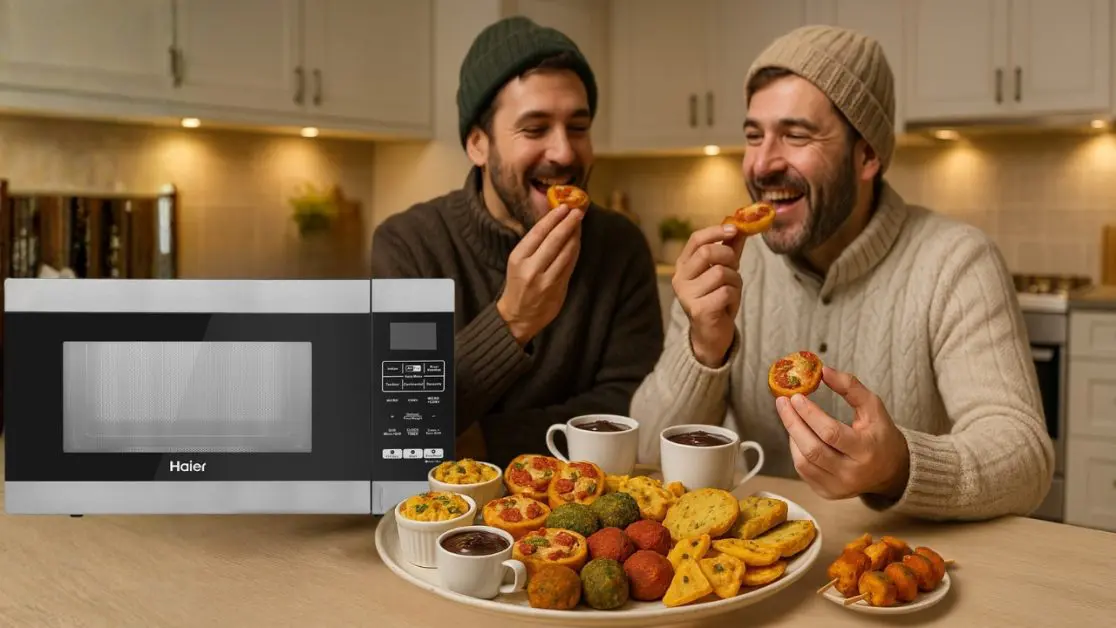
In summer, speed is convenient.
In winter, speed is comfort.
A microwave reduces exposure to cold air in three ways:
1. Shorter kitchen time
Less standing. Less waiting. Less heat loss.
2. No open flame
No exhaust pulling warm air out of the house.
3. Direct reheating
Food warms evenly without overheating surfaces.
This is not about luxury.
It is about removing friction when conditions are harsh.
The Indian winter routine that microwaves quietly support
Look at how winter days actually unfold.
- Early office departures
- Shorter daylight
- Slower mornings
- Heavier meals
- More leftovers
A microwave fits into this rhythm without demanding attention.
- Heat breakfast while you pack a bag
- Warm lunch without reheating the entire kitchen
- Prepare evening snacks without standing near cold counters
It works in the background.
Good systems disappear into routine.
Not all microwaves solve the same winter problems
This is where choice matters.
Indian households use microwaves in different ways during winter. The right setup depends on how you eat.
One option is basic reheating
This works if your winter meals are mostly leftovers and simple warming.
- Lowest effort
- Minimal kitchen time
- Best for solo living and PG life
The second option is cooking plus reheating
This fits families and couples who want variety.
- Baking winter snacks
- Roasting vegetables
- Making one-pot meals without standing near the stove
The third option is all-in-one winter cooking
This is where convection microwaves change the game.
- Air frying snacks without oil
- Baking breads and casseroles
- Grilling and roasting indoors
A convection microwave with an in-built air fryer allows multiple winter meals to happen without turning the kitchen into a cold zone.
The Haier 30L Convection Microwave with In-Built Air Fryer, for example, offers 36 dedicated air fryer menus and over 300 auto-cook programs, designed to reduce decision-making and kitchen time during colder months .
This is not about features.
It is about removing steps when energy is low.
Why winter kitchens reward appliances that think ahead
Winter exposes poor design faster than any other season.
If an appliance:
- Takes time to heat
- Requires supervision
- Adds cleaning effort
- Demands physical presence
It will be used less.
Microwaves succeed in winter because they align with how people feel.
- Tired
- Cold
- Short on time
- Looking for comfort, not complexity
Design that respects energy levels wins seasonal loyalty.
The comfort equation most homes miss
Comfort is not temperature alone.
It is a balance of:
- Time spent
- Movement required
- Mental effort
- Physical exposure
Microwaves reduce all four.
That is why winter homes that rely on them feel calmer.
Meals feel easier.
Evening routines feel lighter.
This is not a cooking upgrade.
It is a lifestyle stabiliser.
Cold kitchens teach us something larger
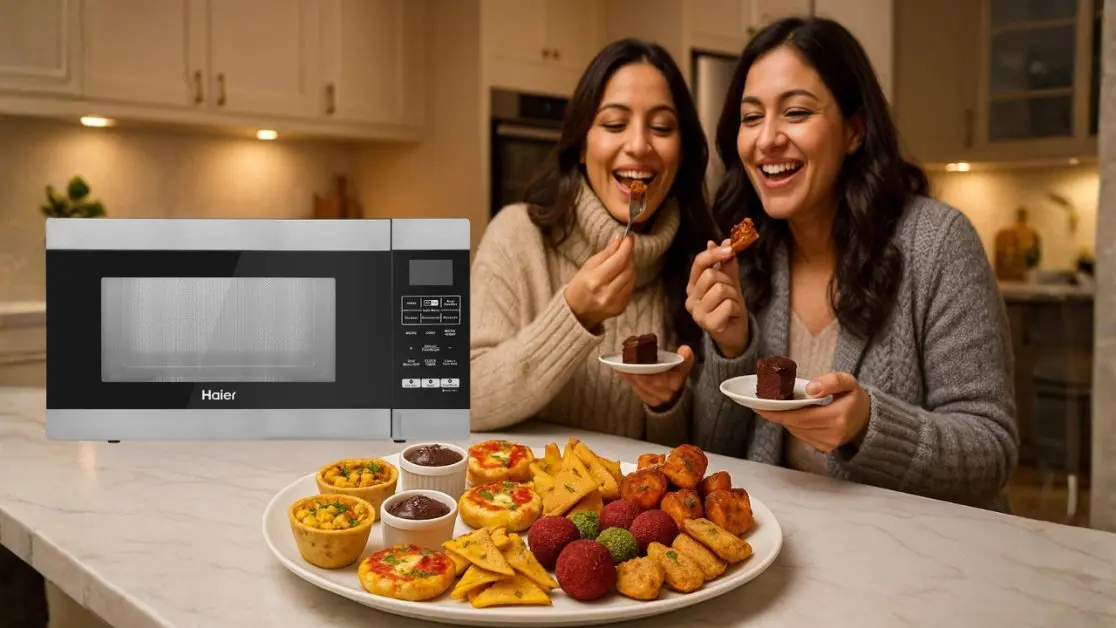
Here is the broader pattern.
Systems built for ideal conditions fail under stress.
Systems built for real conditions adapt quietly.
Winter is stressful.
Busy mornings are stressful.
Solo living is stressful.
Family schedules are stressful.
Appliances that reduce effort during these moments earn trust.
Not through advertising.
Through repeated relief.
Trust is built when systems show up on hard days.
What this means for modern Indian homes
Indian households are changing.
- Smaller kitchens
- Faster lives
- Less tolerance for inefficiency
- Higher value on comfort
Winter magnifies these shifts.
The homes that feel most sorted are not the warmest.
They are the smartest.
They use tools that work with conditions, not against them.
They choose appliances that shorten effort instead of extending it.
They understand that warmth is as much about systems as it is about heat.
The quiet lesson of winter cooking
Cold air reveals weak routines.
Cold kitchens expose bad workflows.
The warm solution is not more effort.
It is a better design.
Microwaves, especially versatile convection models, do not shout their value. They prove it one winter meal at a time.
When food stays warm.
When kitchens stay calm.
When routines stay intact.
That is when appliances stop being products.
They become part of the rhythm of home.
And once that happens, everything else feels easier.
Frequently Asked Questions
Do Indian households really reheat more than they cook in winter?
Yes. Winter routines rely heavily on leftovers, dal, rajma, rotis, idlis, making reheating the dominant kitchen activity.
Why does speed matter more in winter than summer?
In winter, speed equals comfort. Less standing time in cold air means less physical strain and higher consistency in meals.
Is using a microwave more energy-efficient in winter?
For reheating and small meals, yes. It avoids prolonged gas usage and unnecessary heat loss.
How do auto-cook and preset menus help in winter?
They reduce thinking when energy is low, pressing one button instead of planning steps preserves mental comfort.
When does a convection microwave make sense?
For families or couples who want baking, roasting, grilling, and reheating without standing near the stove.
Why do microwaves perform better in winter than other appliances?
They align with how people feel, cold, tired, short on time, by reducing effort, movement, and exposure.
What’s the benefit of an in-built air fryer during winter?
It allows snacks, roasting, and comfort food indoors without oil or long prep, keeping kitchen time short and warm routines intact.