
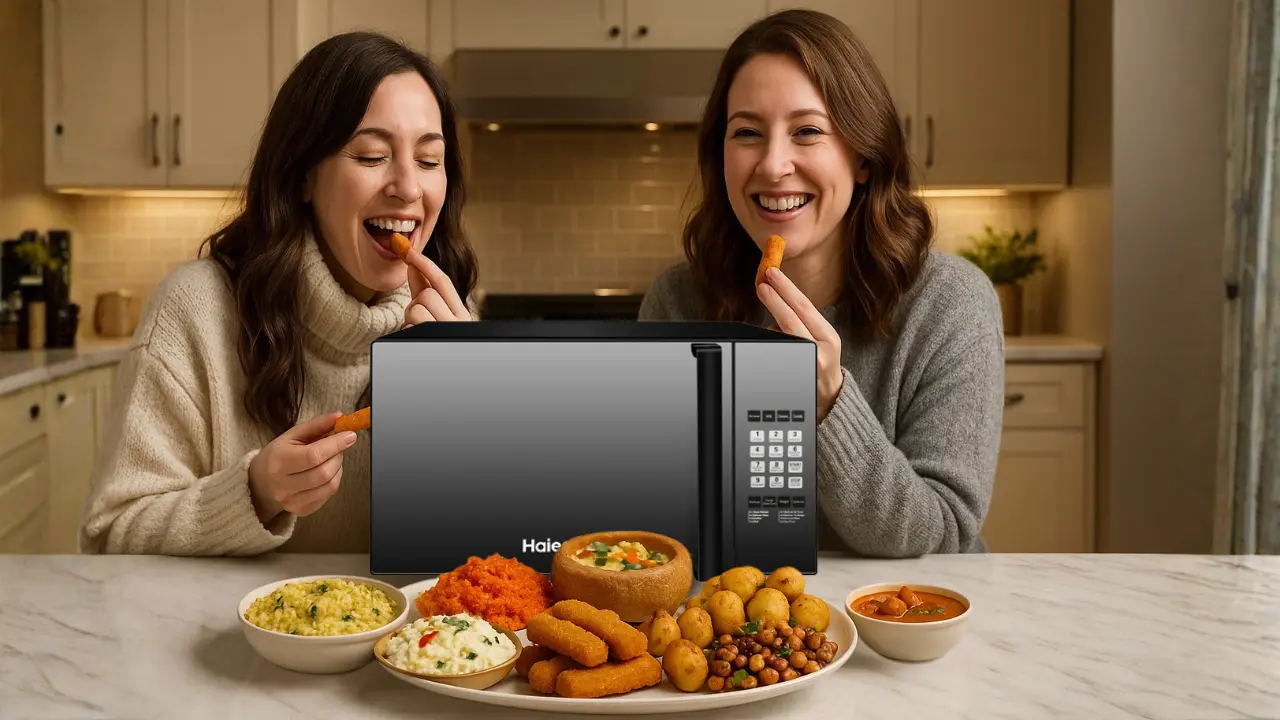

Comfort meals feel better when they are quick because warmth, familiarity, and speed work together to calm the mind.
When food arrives fast, it reduces friction, preserves mood, and fits real Indian routines. The result is simple. You eat well, feel cared for, and move on with your evening without stress.
That is the quiet magic of quick comfort food.
The moment when hunger meets fatigue
It usually happens after a long day.
Work runs late. Traffic stretches. The phone keeps buzzing.
You finally sit down at home and realise something important.
You do not want a special meal.
You want a safe one.
Something warm. Familiar. Predictable.
Dal chawal. Aloo paratha. Leftover rajma. A bowl of pasta.
Comfort food is not about novelty. It is about reassurance.
And reassurance loses its power when it takes too long.
Why slow comfort food stops feeling comforting
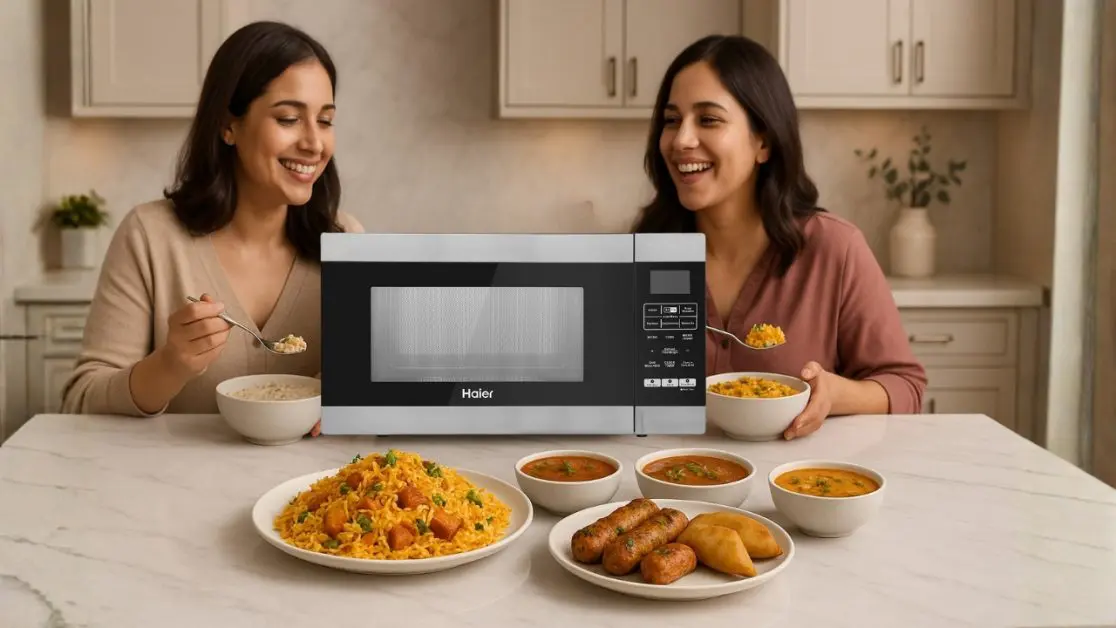
There is a hidden contradiction we rarely talk about.
Comfort food promises relief.
Long cooking demands effort.
When the gap between hunger and food widens, comfort turns into irritation.
This is not a cooking problem.
It is a systems problem.
Indian households juggle multiple energy states at once.
Morning rush. Afternoon calm. Evening exhaustion.
Comfort meals usually appear in the lowest-energy window of the day.
That is why speed matters more than flavour complexity.
A simple rule applies.
The less energy you have, the faster comfort needs to arrive.
Comfort is emotional, but speed is structural
Comfort food works on emotions.
Speed works on systems.
When both align, food does more than feed you.
It stabilises the evening.
Think of how this plays out in real homes.
- A working professional reheating lunch leftovers after a late call
- Parents fixing a quick dinner before homework time
- A couple sharing something warm while watching a show
- Someone living alone choosing food that feels like company
In each case, speed is not about convenience.
It is about emotional continuity.
When food arrives fast, the day ends smoothly.
When it drags, stress leaks into the plate.
The Indian kitchen is not built for daily reinvention
There is a myth we still carry.
Good food requires long preparation.
That idea made sense when meals were the main event of the day.
Today, meals sit between meetings, classes, commutes, and chores.
Indian kitchens store variety.
Raw vegetables. Cooked curries. Dough. Chutneys. Leftovers.
This is abundance.
But abundance creates complexity.
Every extra step asks for time, attention, and clean-up.
Quick comfort food succeeds because it respects modern limits.
It works with your energy, not against it.
Three ways people chase comfort on busy days
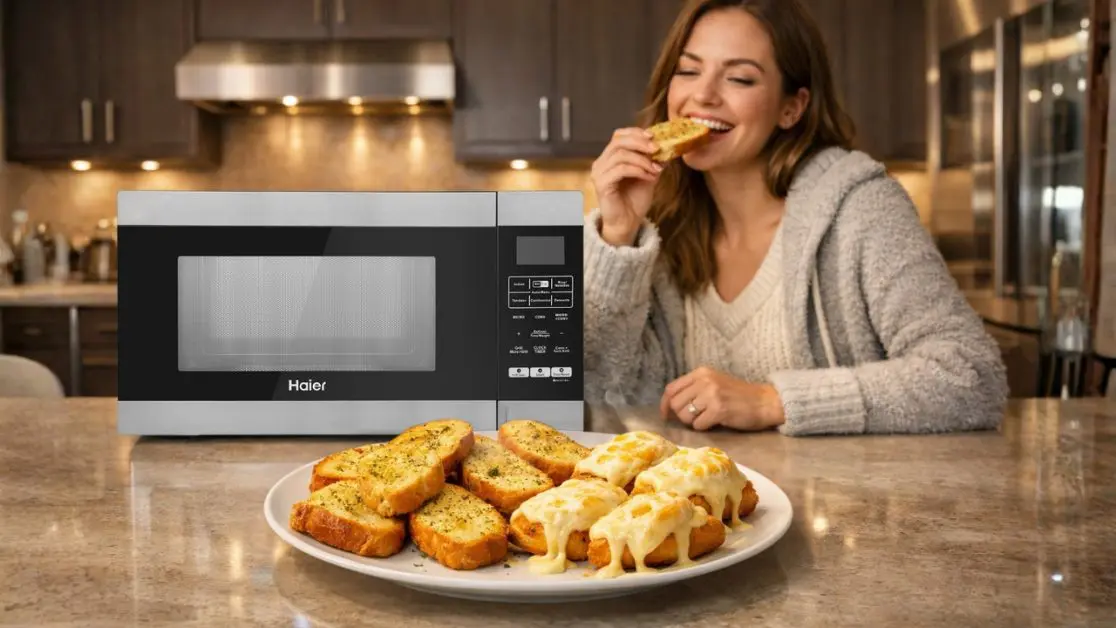
Most households default to one of these patterns.
One option is cooking everything fresh
This feels virtuous.
It is also time-heavy.
- Pros: Fresh aroma, control over ingredients
- Costs: Time, effort, dishes, delayed eating
On low-energy days, this option often collapses halfway through.
The second option is ordering in
This feels effortless.
- Pros: Zero cooking, instant variety
- Costs: Expense, unpredictability, excess oil, waiting time
It solves hunger, but not always comfort.
The third option is quick reheating or smart shortcuts
This is where systems thinking appears.
- Pros: Familiar taste, controlled portions, speed
- Costs: Requires planning and the right tools
This option works because it aligns food with reality.
Comfort meals succeed when they reuse effort already spent.
Why reheated food often tastes better than expected
Leftovers have a bad reputation.
They should not.
Many Indian dishes improve with rest.
Dal thickens. Rajma absorbs masala. Biryani settles.
Flavours deepen instead of scattering.
The problem is not leftovers.
It is how they are reheated.
Uneven heat ruins texture.
Overheating dries food out.
Modern reheating systems change this equation by controlling time, power, and moisture.
The result feels intentional, not compromised.
Food arrives warm, not tired.
That difference matters.
The quiet role of smarter kitchen appliances
This is where appliances stop being hardware and start being helpers.
A microwave today is not just about speed.
It is about predictability.
Preset menus remove guesswork.
Multiple power levels protect texture.
Enclosed heating reduces mess and supervision.
For example, appliances like the Haier 30L Convection Microwave with In-Built Air Fryer are designed around this exact moment of need. They combine reheating, grilling, baking, and air frying in one system, with hundreds of preset menus that reduce thinking time and waiting time .
The benefit is not technology.
It is a relief.
When tools disappear into the background, comfort steps forward.
Speed changes how evenings feel
Fast comfort food reshapes the entire evening.
Dinner arrives earlier.
Conversations start sooner.
Screens turn on without guilt.
Parents feel less rushed.
Solo diners feel less lonely.
This is not accidental.
Food sets the emotional tempo of the home.
Slow dinners stretch stress.
Quick comfort compresses it.
Speed is not rushing. It is respecting time.
A simple framework for choosing comfort meals
When deciding what to eat on tired days, three questions help.
- Does this food feel familiar?
Comfort lives in recognition. - Can it be ready in under fifteen minutes?
Beyond that, impatience creeps in. - Will cleanup feel manageable after eating?
Post-meal stress cancels pre-meal comfort.
Meals that pass all three tests usually succeed.
They fit the day instead of fighting it.
Why January, winters, and busy seasons amplify this need
Certain times intensify the desire for quick comfort.
Cold evenings slow movement.
Shorter days reduce patience.
New routines increase fatigue.
During these periods, cooking motivation drops but hunger rises.
That is when warm, fast meals matter most.
A reheated bowl of soup.
A grilled sandwich.
Air-fried snacks with minimal oil.
These are not compromises.
They are adaptations.
Good systems adapt to seasons.
Comfort food is not about indulgence
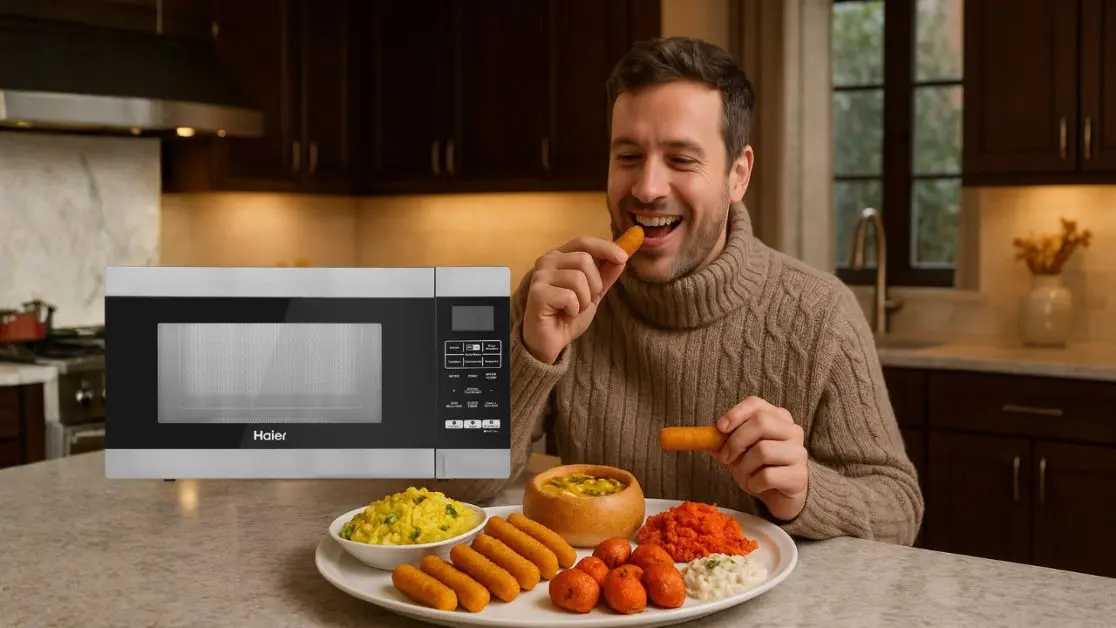
There is another misconception worth clearing.
Comfort food is not always heavy.
Comfort is emotional alignment, not calorie count.
A simple khichdi can comfort more than a rich feast.
Warm milk can calm more than dessert.
Speed allows moderation.
When food arrives quickly, portions stay reasonable.
When food takes too long, overeating sneaks in.
Delayed meals invite excess. Timely meals invite balance.
The hidden economics of quick comfort
Quick comfort food saves more than time.
- Fewer impulse orders
- Less food waste
- Better use of leftovers
- Lower daily stress cost
These savings compound quietly.
Over weeks, households feel more organised without trying harder.
That is the power of small systems working consistently.
What this teaches us beyond the kitchen
This pattern shows up everywhere.
People prefer fast clarity over slow perfection.
They choose systems that reduce effort at low-energy moments.
Food just makes this truth visible.
When life gets busy, the best solutions arrive early, not late.
Comfort, like trust, works best when it shows up on time.
The idea worth remembering
Comfort meals do not need drama.
They need timing.
When warmth meets speed, food does its real job.
It closes the day gently.
And in modern homes, that is more valuable than ever.
Quick comfort is not cutting corners.
It is designing life to feel kinder.
Frequently Asked Questions
Why does a microwave suit low-energy evenings better than full cooking?
It delivers warmth and familiarity without long preparation, matching the body’s lowest-energy window.
Why do some leftovers taste better when reheated?
Resting allows spices to blend. Proper microwave reheating revives warmth without overcooking.
Why does microwave food often feel better than ordering in?
It’s faster, predictable, lighter, and emotionally familiar, with no waiting anxiety.
How does a microwave reduce dinner-related stress?
It removes guesswork, shortens cooking time, and limits cleanup.
Why do microwaves help families feel less rushed?
Meals are ready sooner, freeing time for conversation, rest, or screen time.
Why do winters increase the need for quick microwave meals?
Cold lowers energy and patience, making fast warmth especially soothing.