
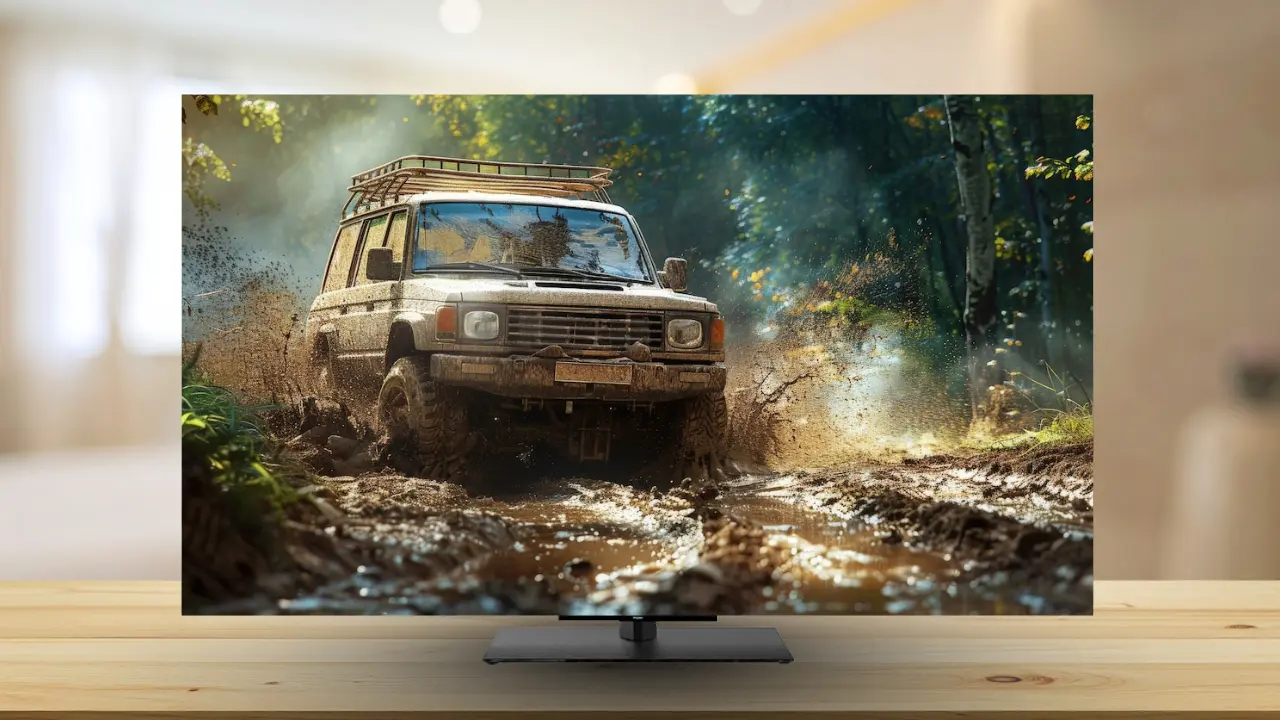

Screen size matters more today because screens are no longer occasional entertainment tools. They are shared spaces for family bonding, work breaks, learning, gaming, and daily decompression.
A larger screen changes how content is experienced, not just how big it looks. It reduces strain, increases immersion, and reshapes the living room into a true multi-purpose zone.
The moment you realise your screen is too small.
It usually happens quietly.
A family crowding closer during a cricket over.
A movie night where subtitles feel cramped.
A gaming session where details blur instead of pop.
The screen has not changed.
Your life around it has.
Indian homes today ask more from one screen than ever before.
It must entertain parents, distract kids, impress guests, and offer a sense of escape after long workdays. When that demand grows, screen size stops being a luxury choice and starts becoming a functional one.
Big screens are not about showing off. They are about keeping up.
Screen size is not about inches. It is about distance, clarity, and comfort

The hidden system at work
Most people choose screen size based on habit.
Or budget.
Or what fits on the wall.
That approach misses the system underneath.
Screen size works in a triangle:
- Viewing distance
- Resolution
- Daily usage hours
When any one of these changes, the right screen size changes with it.
Why this matters now
- Living rooms are smaller but seating is closer.
- Content is sharper, mostly 4K.
- Watching time has increased, especially on weekends.
A larger screen lets your eyes relax instead of squint.
It lets you sit back instead of leaning forward.
Comfort scales with size.
Bigger screens reduce effort, not increase it
There is a common fear that large TVs feel overwhelming.
In reality, the opposite happens.
What actually improves with a larger screen
- Text and subtitles become easier to read.
- Faces look natural instead of compressed.
- Motion feels smoother and less tiring.
- Multiple viewers get equal viewing quality.
With technologies like OLED and 4K resolution, bigger screens do not mean stretched pixels. They mean more pixels doing less work per inch.
That is why a 165cm (65) or 194cm (77) screen can feel calmer than a smaller one when watched from the right distance.
Indian homes now use screens for more than watching
One screen. Many roles.
A TV today is rarely just a TV.
It is:
- A cricket stadium on weekends
- A cinema for family movie nights
- A gaming display after work
- A kids’ classroom during the day
- A background companion during meals
Each role demands space.
A small screen forces compromise.
A larger screen adapts.
The screen that fits your wall may not fit your life.
Why larger screens suit modern Indian apartments better than before
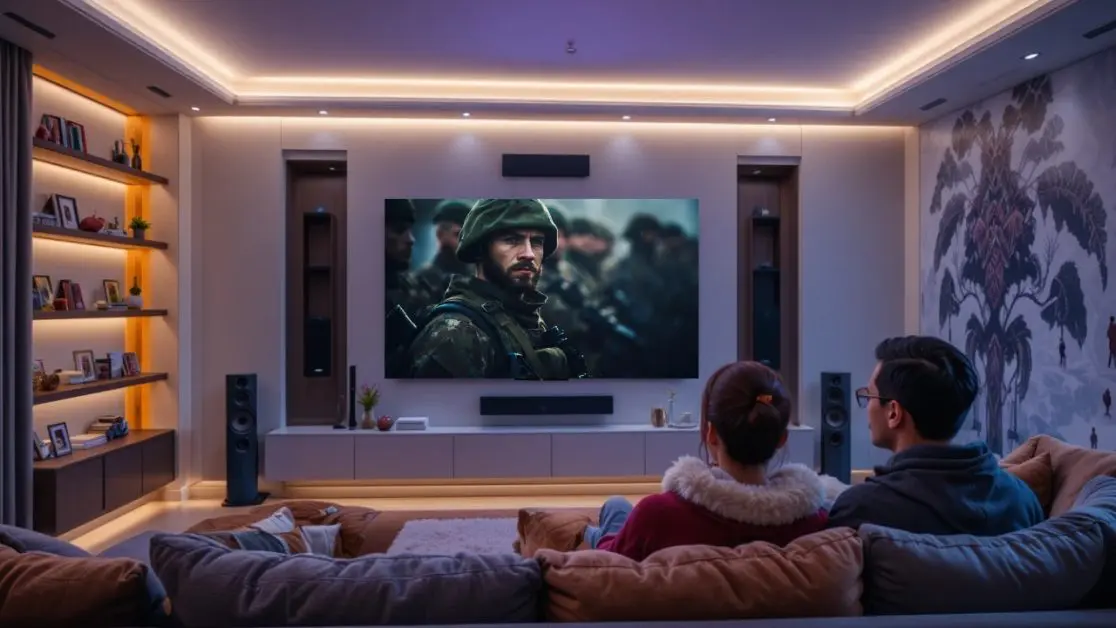
This sounds counterintuitive.
Apartments are smaller, so why go bigger?
Because the layout has changed.
- Sofas are closer to walls.
- Open living areas reduce visual clutter.
- Wall mounting saves floor space.
A slim, bezel-less large screen blends into the wall far better than older bulky TVs ever did.
Design has caught up with size
Modern large TVs are:
- Thinner than many photo frames
- Lighter than older mid-size models
- Designed to disappear when switched off
Big no longer means bulky.
Screen size and resolution work together, not separately
Why 4K changed the equation
Earlier, larger screens exposed flaws.
Today, they reveal details.
4K resolution spreads over a larger area without losing sharpness. OLED panels add deep blacks and high contrast, making images feel dimensional rather than flat.
This is why premium large screens like the Haier C90 OLED series feel cinematic instead of exaggerated, whether at 140cm (55), 165cm (65), or even 194cm (77) sizes .
The size supports the quality.
The quality justifies the size.
A simple way to choose the right screen size
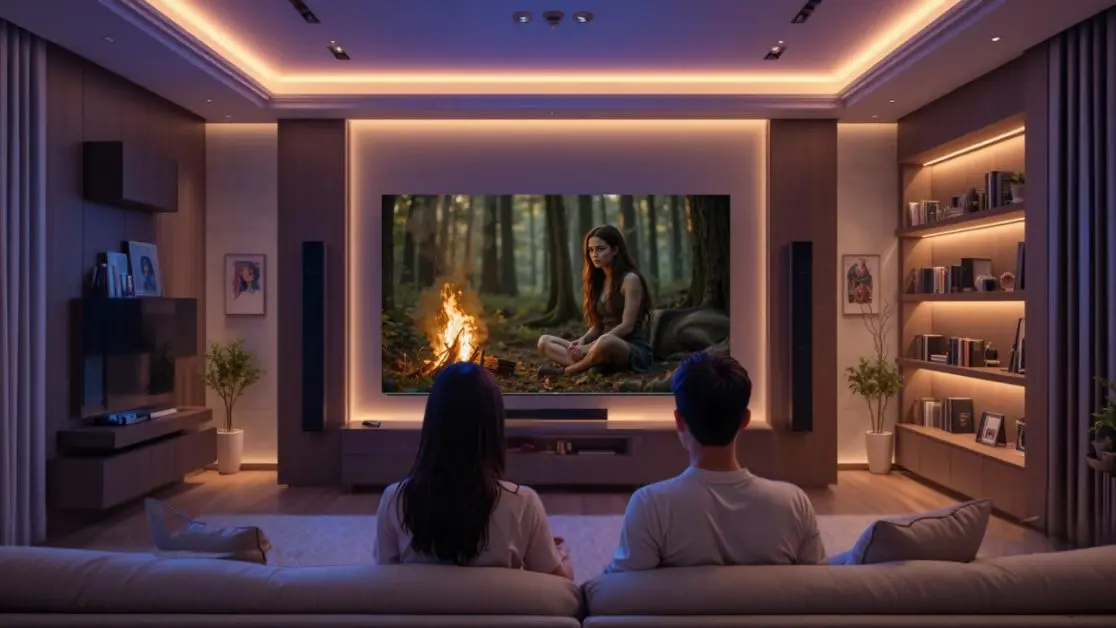
Think in zones, not inches
Instead of asking “How big should my TV be?”, ask this:
What do I want this screen to handle comfortably?
Here is a practical way to think about it:
- 140cm (55) zone
- Ideal for solo viewers or compact living rooms
- Great for streaming, news, and casual gaming
- 165cm (65) zone
- Balanced choice for families
- Strong for sports, movies, and shared viewing
- 194cm (77) and above
- Best for immersive viewing
- Perfect for movie lovers and large gatherings
This is not about upselling.
It is about matching size to usage intensity.
Why eyestrain is the silent reason size matters
Smaller screens demand focus.
Larger screens allow relaxation.
When content fills more of your natural field of vision, your eyes move less. Less movement means less fatigue.
This matters because:
- Average screen time has increased sharply
- Weekend binge sessions are longer
- Kids and elders share the same screen
Comfort is not optional anymore. It is a requirement.
Sound feels bigger when the screen is bigger
This is an overlooked detail.
A larger screen anchors sound spatially.
Voices feel centred.
Action feels directional.
With built-in technologies like Dolby Atmos and well-tuned speakers, audio feels matched to visuals instead of floating around the room.
The result is not a louder sound.
It is a believable sound.
Screen size influences how people gather
Observe this quietly.
People sit closer to small screens.
They spread out around large ones.
A bigger screen naturally creates shared space. It turns watching into a group activity rather than an individual one.
In Indian homes, where families still gather around the TV, this matters deeply.
The screen becomes the room’s emotional centre.
The future of screens is fewer, bigger, and smarter
Homes are not adding more TVs.
They are upgrading the main one.
As appliances become smarter and homes more connected, one central screen does more work. It needs to be future-ready.
A slightly larger screen today often stays relevant longer than a smaller one bought for convenience.
Longevity favours size.
The takeaway that changes how you decide
Do not ask whether a bigger screen is necessary.
Ask whether your current screen matches how you actually live now.
Because screens have quietly moved from being objects you watch
to spaces you spend time in.
And spaces deserve room.
That is why screen size matters more than ever.
Frequently Asked Questions
I’m scared a bigger TV will feel overwhelming. Is that a real concern?
Usually no. When matched with the right viewing distance and resolution, larger screens feel calmer, not louder. They reduce squinting and eye movement, which actually lowers fatigue.
My living room isn’t very big. Shouldn’t I stick to a smaller screen?
Not necessarily. Modern apartments often have closer seating and wall-mounted TVs. Slim, bezel-less large screens integrate better today than bulky mid-size TVs did earlier.
Am I just paying for extra inches I don’t need?
Screen size isn’t about inches, it’s about comfort over hours. If your screen handles sports, movies, kids’ learning, and gaming, size becomes a functional upgrade, not a luxury one.
Is it normal that our TV is on for most of the day now?
Yes. Screen time has increased across age groups, especially on weekends. This makes comfort, clarity, and reduced eyestrain far more important than before.
Is screen comfort more important now than resolution alone?
Absolutely. Resolution and size work together. High resolution spread over a larger screen creates relaxation, not strain.
Won’t a bigger TV just stretch pixels and look worse?
That was true earlier. With 4K and OLED technologies, bigger screens mean more pixels working efficiently, not fewer pixels stretched thin.
Why does sound feel better on a bigger screen even at the same volume?
A larger visual anchor helps your brain place sound correctly. Voices feel centred, action feels directional, and audio becomes believable rather than just loud.
Is choosing a bigger screen really future-proofing?
Yes. Homes are upgrading one main screen instead of adding more. A slightly larger screen stays relevant longer as content quality and usage grow.