


The simplest way to fix winter meals is to stop reheating food like it is an emergency and start treating it like cooking.
One small habit change in how you use your microwave can bring back moisture, flavour, and warmth to everyday food, without extra oil, extra time, or extra effort.
Winter food does not need better recipes. It needs better reheating.
Why do winter meals fail before they even reach your plate?
It usually happens on a cold evening.
You come home late.
The kitchen feels quiet.
Yesterday’s rajma, pulao, or sabzi sits in the fridge, waiting.
You put it in the microwave.
Two minutes.
Full power.
The door opens.
The food looks hot.
But the first bite tells a different story.
Dry edges.
Cold centres.
Gravy separated.
Rice is stiff.
This is not a cooking problem.
It is a microwave habit problem.
Most Indian homes use the microwave daily in winter.
But most people use it incorrectly. Not because they are careless. Because nobody ever taught us how reheating actually works.
The habit that changes everything

The habit that fixes winter meals is reheating food in stages, at lower power, with intentional pauses.
Instead of blasting food at full power, you let heat travel gently, evenly, and patiently. This keeps moisture intact, prevents overcooked edges, and brings food back to life rather than drying it out.
Once you do this, winter meals stop feeling like leftovers.
The hidden system inside reheating
Microwaves do not heat food from the outside in.
They excite water molecules inside the food.
Those molecules vibrate.
That vibration creates heat.
Here is the catch.
When you use full power continuously, water molecules near the surface heat faster than those in the centre. Steam escapes. Moisture leaves. Texture collapses.
Winter makes this worse.
Cold food is denser.
Gravies thicken.
Starches tighten.
Fats solidify.
High power reheating fights the food instead of working with it.
Good reheating respects physics.
The one habit that changes how winter food behaves
Reheat in layers, not in one blast
Think of reheating like warming your hands near a heater.
You do not put them right on the flame.
You move closer.
You pause.
You adjust.
Microwave reheating works the same way.
The habit looks like this:
- Use medium power instead of high
- Heat in short intervals
- Stir or turn food between cycles
- Cover lightly to trap steam
- Let food rest before eating
This takes the same total time.
But delivers completely different results.
What actually improves when you change this habit
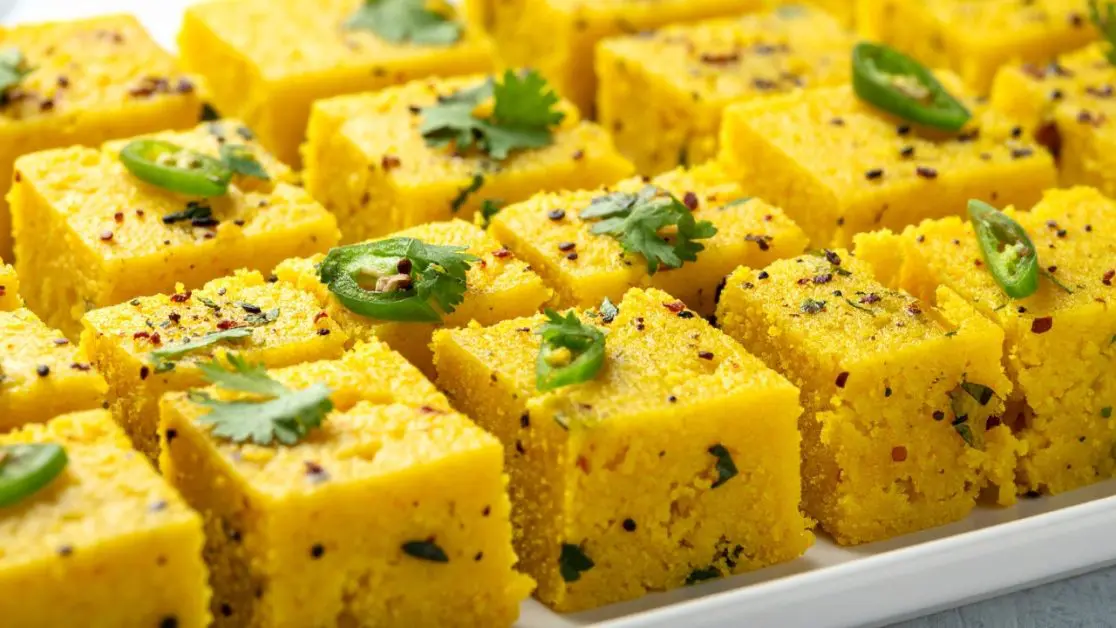
1. Moisture stays where it belongs
Water does not rush out.
Steam stays trapped.
Gravies remain smooth.
Rice softens evenly.
This matters in winter because dry food feels harsher when it is cold outside.
2. Temperature becomes even
Cold centres disappear.
Edges stop burning.
Every spoon tastes the same.
Even heat is comfortable.
Uneven heat is frustrating.
3. Flavours wake up properly
Spices bloom slowly.
Aromas return.
Oil recombines with gravies instead of separating.
Reheated food starts tasting cooked again.
The three reheating choices most people make
Every winter meal reheating decision falls into one of three patterns.
Option one: Full power, no pause
- Fast
- Convenient
- Dry results
- Uneven heating
This optimises speed, not eating pleasure.
Option two: Medium power, staged reheating
- Slightly slower
- Controlled heat
- Better texture
- Consistent warmth
This optimises comfort and quality.
Option three: Stove reheating
- Time-consuming
- Extra utensils
- More gas usage
- Often unnecessary
This optimises habit, not efficiency.
The second option wins quietly every time.
Why winter leftovers need gentler heat
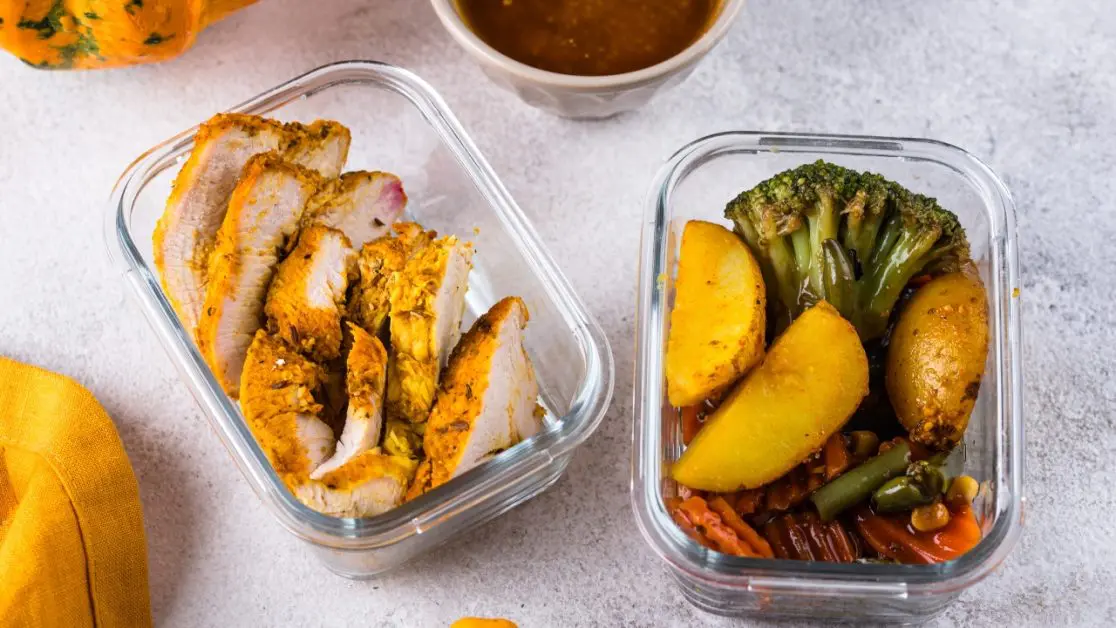
Winter food behaves differently.
Dal thickens overnight.
Rice loses surface moisture.
Curries settle and separate.
Aggressive reheating breaks structure.
Gentle reheating restores balance.
This is why medium power matters more in December than in May.
Small tweaks that multiply the result
Cover food, but do not seal it
Use a microwave-safe lid or plate.
Leave a small gap.
This traps steam without pressure buildup.
Steam is free of moisture. Use it.
Stir halfway, even if it feels annoying
Heat moves unevenly by nature.
Stirring resets the system.
One stir saves three compromises.
Let food rest for 30 seconds after heating
Residual heat continues working.
Temperature equalises.
Texture improves.
Rushing ruins effort.
Why this habit fits modern Indian homes
Today’s kitchens are busy.
Working professionals reheat late dinners.
Parents reheat lunch boxes.
Singles reheat meal prep.
Couples reheat leftovers between meetings.
Reheating is not occasional.
It is daily.
A daily habit deserves thought.
This is where modern microwaves quietly help.
Features like multi-power levels, stainless steel cavities, and preset programs exist to support gentler, more even heating, not just speed.
Appliances such as Haier’s 30L convection microwave with in-built air fryer are designed around this exact idea of controlled heat and flexibility rather than one-button blasting .
Technology works best when habits meet it halfway.
What this teaches us beyond food
This microwave habit reveals a bigger pattern.
Most things do not fail because of lack of effort.
They fail because of poor pacing.
Work burns out when pushed nonstop.
Food dries out when heated nonstop.
Systems collapse when rushed.
Gentle intensity beats brute force.
The winter mindset shift nobody talks about
Winter asks us to slow down.
We add layers.
We sip slowly.
We linger longer.
But in the kitchen, we rush.
Fixing winter meals is not about buying better ingredients.
It is about matching the season’s rhythm.
Medium power.
Short bursts.
Intentional pauses.
This is seasonal intelligence.
A simple framework you can remember
When reheating winter meals, ask three questions:
- Is the power gentle enough
- Did I give heat time to travel
- Did I trap moisture instead of letting it escape
If the answer is yes, the food will cooperate.
Why this habit sticks once you try it
Because the reward is immediate.
The first bite tastes better.
The plate empties faster.
Nobody complains about dryness.
Good habits stick when they feel good instantly.
The quiet role of appliances in everyday comfort
Great appliances do not shout.
They adapt.
A microwave that offers flexible power levels, even heating, and thoughtful presets supports better habits naturally. It does not force change. It enables it.
That is how modern Indian homes are evolving. Not louder. Smarter.
The insight worth repeating
Reheating is not about speed. It is about respect.
Respect the food.
Respect the season.
Respect the system.
One small microwave habit can turn winter meals from tolerable to comforting.
And comfort, in winter, is everything.
Frequently Asked Questions
I reheat rajma or dal and it always separates. What am I doing wrong?
You’re overheating the surface too fast. Oil separates when water escapes as steam. Reheating in stages at medium power, with light covering, traps steam and keeps emulsions stable.
Why does rice become stiff and dry after microwaving?
Rice loses surface moisture overnight. Full power reheating evaporates what’s left. Gentle reheating plus trapped steam allows the grains to rehydrate evenly.
Isn’t full power reheating faster and more efficient?
It’s faster, not better. You save seconds but lose texture and flavour. Medium power takes roughly the same total time, but delivers consistent warmth and comfort.
Why does uneven heat feel more annoying in winter?
Cold weather heightens contrast. A cold centre feels colder, and a dry edge feels harsher. Even heat feels comforting; uneven heat feels frustrating.
What is the single microwave habit that fixes winter meals?
Reheating in stages at medium power with pauses.
Not one blast. Not maximum heat. Controlled, patient warming.
Should I cover food while reheating?
Yes, but don’t seal it. A loose lid or plate traps steam without pressure. Steam is free moisture, use it.
Why should I let food rest after microwaving?
Residual heat continues to equalise temperature. This final pause improves texture and prevents hot-and-cold bites.