


Shorter February days compress time. Quicker cooking solutions restore balance.
When daylight fades early, Indian homes adjust instinctively. Workdays feel tighter. Evenings arrive sooner than expected. Cooking shifts from a relaxed ritual to a task squeezed between calls, homework, and the simple need to slow down.
February does not reduce appetite. It reduces the margin. And that is exactly why quicker cooking solutions matter more this month than any other.
Why February quietly changes how Indian homes cook?
February looks ordinary on the calendar. Fewer days. Mild weather. No dramatic festivals.
Yet daily life tells a different story.
- Sunsets arrive earlier, cutting usable evening hours.
- Office routines remain unchanged, but recovery time shrinks.
- Energy levels dip faster after dark.
- Weekday cooking competes with rest, not leisure.
Time use data consistently shows that urban Indian households concentrate most cooking between 6 pm and 8 pm. In February, that window feels narrower. Not because clocks change, but because light does.
A simple truth emerges
When evenings feel shorter, effort feels heavier.
Cooking speed is not about rushing. It is about removing friction
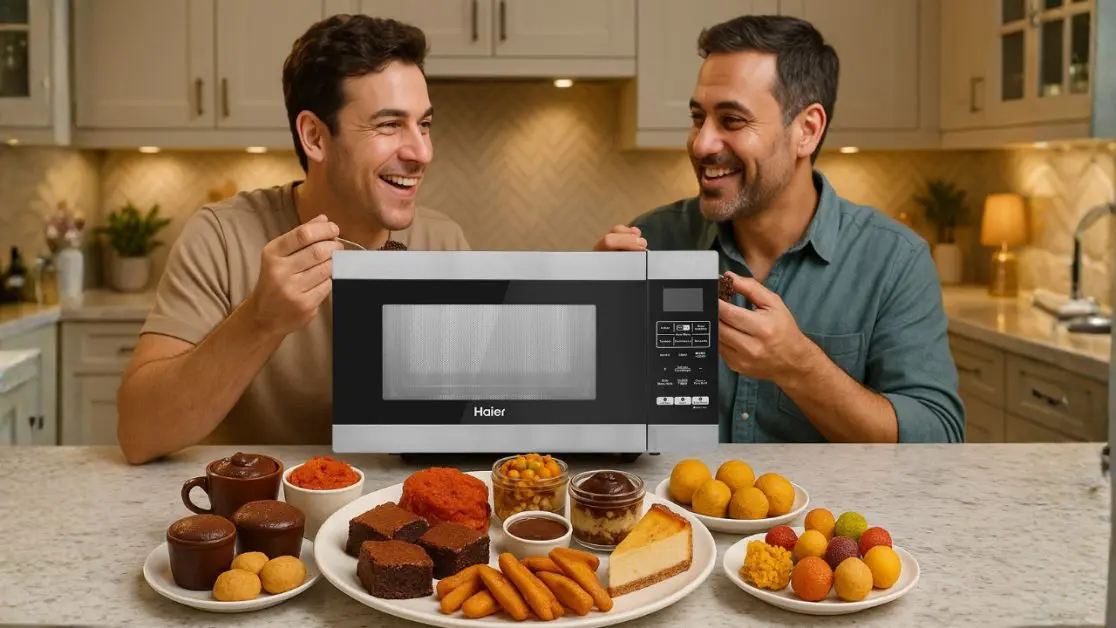
Most people assume faster cooking means moving quicker.
It does not.
Speed in the kitchen comes from fewer decisions, fewer steps, and fewer interruptions.
Think about buying pistachios at a local store.
One option is asking questions, comparing prices, and debating quantities.
Another option is reaching for the brand you already trust and moving on.
February cooking needs the second option.
Flow beats force.
What actually slows down everyday cooking
To speed up cooking, you have to name what slows it down.
Common sources of friction
- Separate appliances for baking, grilling, reheating, and crisping
- Long preheating times
- Guesswork temperatures
- Constant supervision
- Multiple vessels and cleanup cycles
Each step seems small. Together, they drain the evening.
A useful insight
Cooking time expands to fill the attention it demands.
Reduce attention. Time follows.
Three February cooking realities we all recognise
Let us ground this in everyday Indian homes.
1. The working professional living solo
You reach home around 7:30 pm. It is already dark. Hunger hits fast.
Your options
- Order food and trade health for convenience.
- Cook traditionally and lose the evening.
- Use a single appliance that handles reheating, baking, grilling, and crisping without supervision.
The third option is the only one that scales across weekdays.
2. Couples setting up a new home
Cooking together sounds ideal. Until it starts taking too long.
What works better
- One tray meals
- Fewer utensils
- Predictable outcomes
Less time managing food means more time actually enjoying it.
3. Parents with school going children
Uniforms for tomorrow. Homework deadlines. Early alarms.
Cooking cannot afford surprises.
What helps here is consistency, not complexity.
Why the microwave becomes February’s quiet problem solver
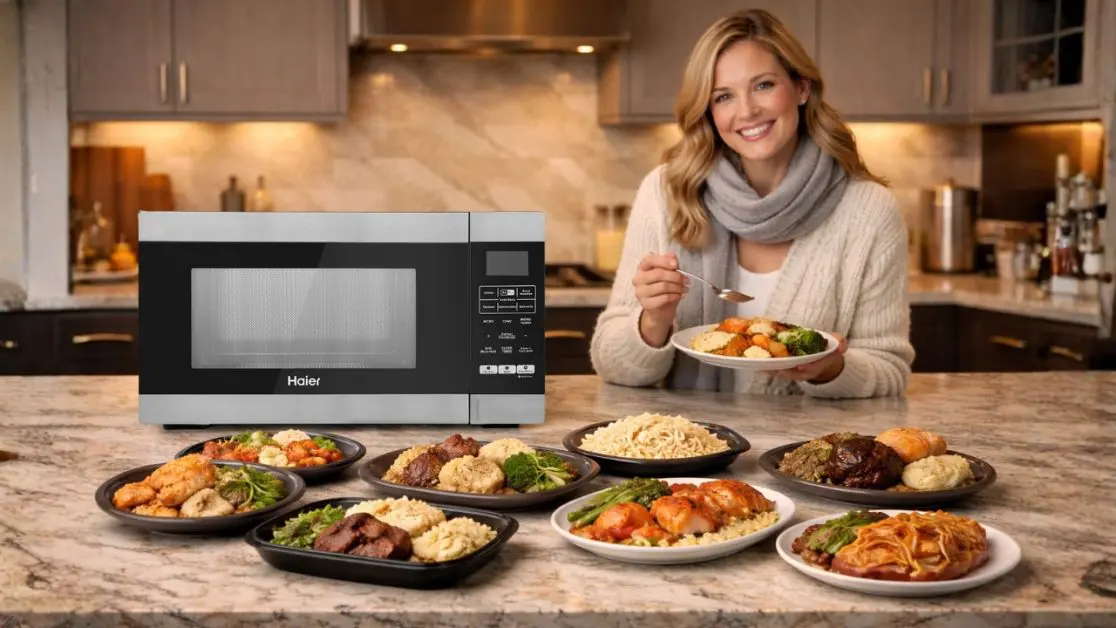
Microwaves still carry an outdated reputation.
Many see them as reheating tools. Or shortcuts.
That perception belongs to another decade.
Modern convection microwaves function as complete cooking systems.
They bake.
They grill.
They are crisp.
They reheat evenly.
And most importantly, they collapse multiple steps into one.
What faster cooking really looks like in appliance design
Speed is designed, not forced.
It comes from four clear principles.
1. Multiple functions in one cavity
When baking, grilling, convection cooking, and air frying happen in the same space, time compresses naturally.
2. Preset intelligence
Preset menus remove thinking.
Thinking consumes time and energy.
Auto cook options reduce trial and error on busy evenings.
3. Faster heat circulation
Convection combined with microwave power shortens cooking cycles while maintaining texture.
4. Unattended cooking
The ability to step away is as valuable as speed itself.
This is where modern convection microwaves quietly reshape weekday routines.
Where Haier fits into this everyday shift
Haier’s philosophy has always been simple.
Technology should reduce effort, not add instructions.
A clear example of this thinking is the Haier 30L Convection Microwave with In-Built Air Fryer (HIL3001ARSB).
Not as a product push. As a design response to compressed time.
What makes this model relevant for February is not a single feature. It is how features remove steps.
- Convection cooking for baking and roasting
- In-built air fryer with dedicated preset menus, removing the need for a separate appliance
- Motorised rotisserie that cooks evenly without manual turning
- Stainless steel cavity that supports faster heating and easier cleaning
- 300 plus preset menus that reduce decision fatigue on busy evenings
This is speed achieved through simplification, not shortcuts.
Quicker cooking is also smarter energy use
Shorter days often lead to higher evening power consumption.
Efficient cooking matters more than we realise.
The hidden efficiency advantage
- Shorter cooking cycles reduce total energy usage
- One appliance doing multiple tasks avoids repeated power draw
- Faster preheating lowers idle consumption
Saving energy is not always about consuming less.
Sometimes it is about finishing sooner.
February makes that difference visible.
What to cook when evenings feel shorter
Quick cooking thrives on the right meal choices.
February friendly options
- One tray roasted vegetables with paneer or tofu
- Air fried evening snacks without oil splatter
- Pre-marinated chicken or vegetables finished under convection
- Leftover rice turned into crisp fried rice
- Frozen parathas cooked evenly without constant flipping
These meals respect time, energy, and mood.
The mental side of faster cooking
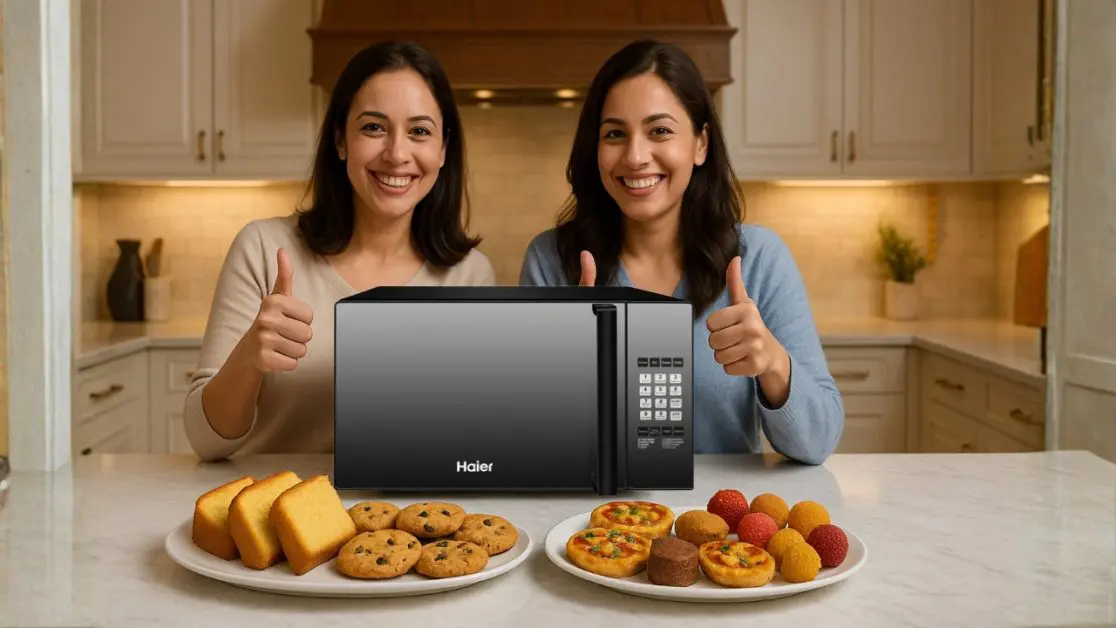
This part often goes unnoticed.
Short days affect motivation more than hunger.
When cooking feels long, it gets postponed.
When it feels manageable, it becomes routine.
A line worth remembering
People do not avoid cooking. They avoid unpredictable effort.
Smart appliances reduce that unpredictability.
February kitchens reward predictability
Predictable tools create predictable habits.
- More home cooked meals
- Less food waste
- Fewer impulse orders
- Calmer evenings
Habits formed in February rarely disappear in March.
They carry forward.
The bigger pattern beyond the season
This shift is not limited to winter.
Urban life keeps compressing time.
Workdays stretch. Commutes fluctuate. Mental fatigue arrives earlier.
Quicker cooking solutions are no longer convenience upgrades.
They are adaptation tools.
Homes that adapt early feel lighter for longer.
What this means for modern Indian homes
Speed in the kitchen is becoming invisible infrastructure.
Like reliable internet.
Like navigation apps that avoid wrong turns.
Like appliances that simply work without explanation.
You stop noticing them when they function well.
You feel their absence immediately when they do not.
February just exposes the gap sooner.
A final thought worth carrying forward
Shorter days do not require faster people.
They require smarter systems.
When cooking fits into time instead of fighting it, evenings open up.
For rest.
For conversation.
For recovery.
That shift is not about cooking faster.
It is about living better, quietly and consistently.
February reminds us why that matters.
Frequently Asked Questions
I feel like evenings end before they even start in February. Why does cooking feel harder now?
Because daylight disappears earlier, not because you’re slower. The same tasks now compete with fatigue, darkness, and the need to rest. Cooking hasn’t changed the margin around it.
Why do I keep postponing cooking even though I’m hungry?
Hunger isn’t the issue. Unpredictable effort is. When cooking feels mentally heavy, the brain delays it.
Why do preset menus matter more than I think?
Because thinking costs energy. Presets remove guesswork, reduce mistakes, and prevent re-cooking especially on tired evenings.
What does ‘unattended cooking’ really change in daily life?
It gives you back attention time for homework, showers, or simply sitting down while food finishes itself.
Why does a convection microwave make more sense in February than separate appliances?
Shorter days amplify friction. One appliance doing multiple jobs avoids preheating delays, appliance switching, and repeated cleanup.
Are microwaves still just reheating tools?
That’s outdated. Modern convection microwaves bake, grill, crisp, and air-fry often faster and more evenly.
Why do some appliances feel easier to live with on weekdays?
Because they reduce steps instead of adding controls. Multi-function cavities, presets, and faster heat circulation simplify evenings.