

February celebrations feel lighter when cooking stops being the main event. Faster cooking is not about rushing food onto the table.
It is about freeing attention, energy, and time so that celebrations stay focused on people, not processes. When food preparation becomes quicker and more predictable, small February moments start feeling complete instead of rushed.
February is not just another month.
It is short.
Emotionally packed.
Socially dense.
Valentine’s Day dinners blend into family birthdays. Office celebrations spill into late evenings. Friends drop by unplanned. Parents juggle school schedules, work calls, and home responsibilities.
And somewhere between all of that, the kitchen is expected to perform miracles.
Why February Celebrations Feel Heavy Before They Begin
Most celebrations do not fail because of lack of intent.
They fail because of overload.
Think of a regular February evening in an Indian home.
Work wraps up late.
The idea is to celebrate something small.
Good food is non-negotiable.
Then reality steps in.
Multiple dishes.
Different cooking methods.
Constant supervision.
Timing everything perfectly.
The celebration pauses while cooking takes over.
This is the hidden system behind celebration fatigue.
We assume good celebrations require effort.
We assume effort must be manual.
We assume time must stretch painfully to make space.
That system no longer fits modern homes.
Faster Cooking Is Not About Speed. It Is About Mental Ease
Speed sounds mechanical.
Ease feels human.
Faster cooking works when food preparation fits into life instead of interrupting it. When dishes cook evenly without constant checking. When reheating, baking, grilling, and crisping do not require separate steps.
In February, evenings are short. Energy is limited. Attention is already divided.
Faster cooking restores balance by removing unnecessary decisions.
And fewer decisions mean lighter celebrations.
The Hidden Costs of Slow Cooking During Celebrations
Slow cooking does not just cost time.
It costs presence.
- Hosts stay in the kitchen instead of at the table
- Conversations break around meal delays
- Stress builds around timing and coordination
- Cleanup extends long after guests leave
These costs accumulate quietly.
Celebrations begin to feel like projects.
Faster cooking reduces this friction by compressing effort without compressing experience.
What Faster Cooking Looks Like in Indian Homes Today
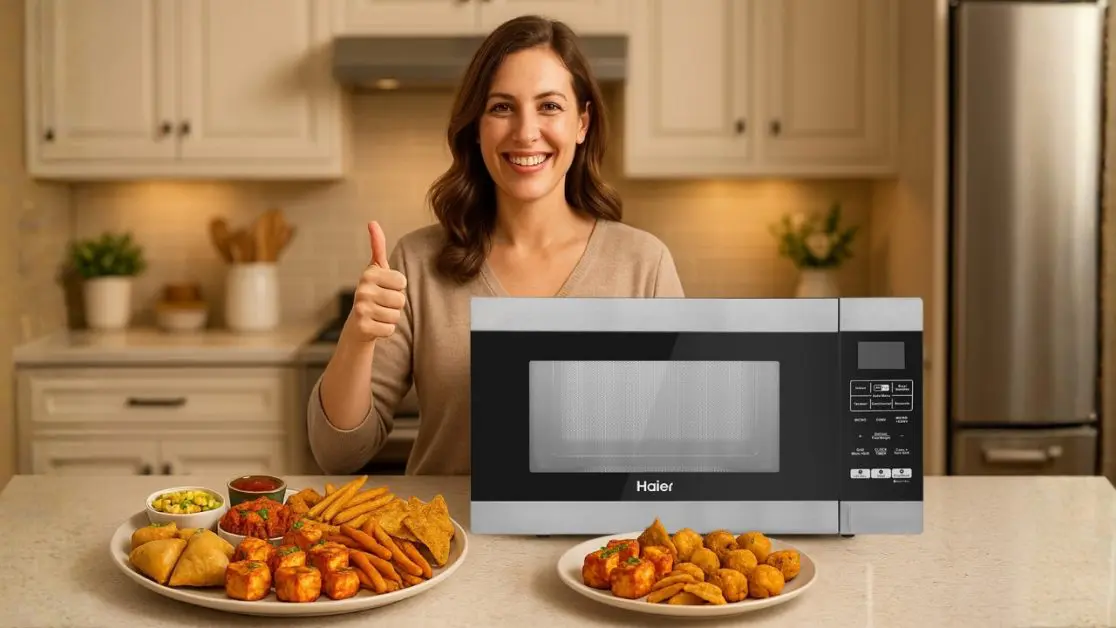
Faster cooking does not mean cutting corners.
It looks practical.
- Starters prepared without deep frying
- Main courses cooked evenly without constant stirring
- Rotis and breads heated fresh without pan juggling
- Desserts assembled without elaborate setups
Indian celebrations rely on variety, not volume.
A little of everything.
Something familiar.
Something special.
The challenge is not cooking one dish well. It is coordinating many dishes smoothly.
That coordination improves when cooking systems handle multiple functions together.
Three Ways Homes Handle February Cooking
Most households follow one of these approaches.
Option One: Traditional Cooking With Maximum Effort
Gas stove.
Multiple utensils.
Manual monitoring.
This approach delivers familiarity but demands constant presence. The person cooking remains detached from the celebration.
The cost is attention.
Option Two: Ordering Everything In
Food arrives ready.
Effort reduces.
But dependency increases. Timing slips. Freshness varies. Emotional connection weakens.
The cost is control.
Option Three: Faster Cooking Through Smart Systems
This approach blends control with ease.
Combination cooking.
Preset menus.
Even heating.
Reduced supervision.
The cost is minimal effort.
The benefit is reclaimed time.
This is where modern celebrations feel noticeably lighter.
Why February Amplifies the Need for Faster Cooking
February compresses everything.
Fewer days.
More plans.
Lower tolerance for stress.
Winter evenings encourage togetherness, not labour. People want warmth, not workload.
Faster cooking aligns with the emotional rhythm of the season.
Short evenings stay relaxed.
Weekday celebrations stay possible.
Spontaneous plans stay enjoyable.
When food finishes earlier, moments last longer.
How Combination Cooking Changes the Celebration Equation
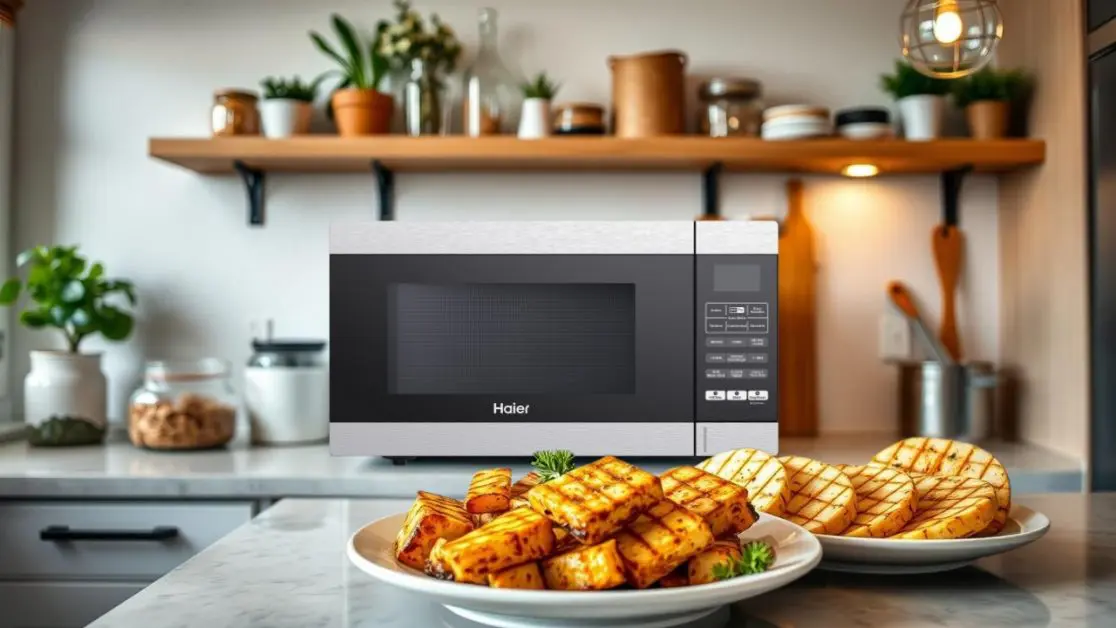
Modern cooking systems reduce steps by combining heating methods.
Instead of choosing between reheating, baking, grilling, or frying, combination modes decide how heat flows.
This matters more than it seems.
Combination cooking can save up to 30 percent of cooking time by using convection, grill, and microwave together, depending on the dish .
Time saved on one dish multiplies across the meal.
Ten minutes here.
Fifteen minutes there.
Suddenly, an hour opens up.
That hour belongs to the celebration.
Cleaner Cooking Makes Celebrations End Better
Celebrations do not end when plates are cleared.
They end when cleanup finishes.
Slow cooking often creates more mess.
More utensils.
More spills.
More fatigue.
Faster cooking inside enclosed systems reduces cleanup significantly.
Stainless steel cavities support even heating and are easier to clean, helping maintain hygiene while reducing post-cooking effort .
When cleanup shortens, people linger longer.
Technology That Reduces Mental Load
The most underrated benefit of faster cooking is decision reduction.
During celebrations, mental bandwidth is already stretched.
Who is coming?
What time.
What are your preferences?
What order to serve.
Preset menus and automatic power settings remove a layer of thinking. They handle temperature, time, and sequencing quietly in the background.
Some models offer hundreds of auto cook menus that automatically adjust power levels and cooking time, simplifying multi-dish preparation .
This is not about complexity.
It is about letting systems carry responsibility.
Where Haier Fits Naturally Into This Story
Haier’s approach to cooking appliances reflects how Indian homes actually function.
Not ideal kitchens.
Real ones.
Models like the Haier 20L Convection Microwave with Mirror Glass Design (HIL2001CSSH) support quicker everyday cooking with even heating and easy maintenance.
For families that entertain often, the Haier 25L Convection Microwave Oven with Bread Basket (HIL2501CBSH) adds structured support for Indian breads like naan, paratha, kulcha, and tandoori roti, reducing last-minute stove work.
Homes that want maximum versatility benefit from the Haier 30L Convection Microwave with In-Built Air Fryer (HIL3001ARSB), which combines air frying, grilling, and convection to handle entire celebration menus in fewer steps.
These are not upgrades for special occasions.
They are systems designed for everyday unpredictability.
Faster Cooking Changes Who Gets to Celebrate
Traditionally, celebrations divide roles.
One person cooks.
Others wait.
Faster cooking collapses this divide.
When food prepares itself more efficiently, hosts remain present. They sit earlier. They eat together. They stay part of the moment.
Hosting stops feeling like labour.
It feels shared.
Smaller February Celebrations Benefit the Most
One assumption worth questioning.
Bigger celebrations are not always better.
February gatherings tend to be smaller and more frequent. A couple. A family dinner. A few close friends.
Smaller groups value spontaneity.
Faster cooking supports saying yes without planning days ahead.
That shift matters.
The Larger Pattern February Reveals
February teaches a simple lesson.
When time tightens, systems matter more than effort.
Faster cooking works because it respects constraints. It works within limited time, limited energy, and high emotional value.
That pattern applies everywhere.
Homes.
Work.
Life.
The best systems remove friction instead of demanding discipline.
Ending Where Celebrations Truly Begin
Celebrations do not begin with food.
They begin with attention.
Faster cooking protects that attention by ensuring the kitchen does not dominate the evening.
Food arrives on time.
Cleanup stays manageable.
People stay seated.
February celebrations feel lighter when cooking stops being the centre of gravity.
Not because food matters less.
But because moments matter more.
Frequently Asked Questions
Why do my February celebrations feel stressful before they even begin?
Because the mental load builds up before the event starts, menu planning, timing coordination, and managing multiple dishes create decision fatigue that drains energy before guests even arrive.
Why do I feel tired during my own celebration?
If you’re constantly checking the stove, adjusting flame levels, and juggling dishes, you’re physically present but mentally elsewhere. Manual supervision steals your attention.
How can I celebrate at home without feeling overwhelmed?
Reducing the number of cooking decisions through preset menus, combination modes, or faster systems lowers cognitive load and frees you to focus on people.
I want good food, but I don’t want to spend the whole evening in the kitchen. Is that realistic?
Yes. Faster, enclosed cooking systems allow multiple functions (bake, grill, reheat, crisp) in one appliance, reducing supervision and effort.
Does faster cooking mean compromising taste or texture?
Not necessarily. Combination cooking (convection + grill + microwave) improves heat distribution, helping maintain crispness outside and softness inside.
How can I reheat rotis or naan without drying them out?
Appliances designed with Indian cooking in mind, such as models with bread baskets, support better bread reheating and crisping.
Can one appliance handle starters, mains, and desserts?
Yes, multi-function convection microwaves can bake, grill, air fry, and reheat in one system, reducing coordination stress.
How do preset menus actually help during celebrations?
They remove guesswork. Power levels and cooking times adjust automatically, reducing decision fatigue.
Are auto cook menus useful for Indian food?
Yes. Many models offer hundreds of auto cook menus tailored for diverse dishes, simplifying multi-dish preparation.
What’s the real benefit of smart cooking features?
Mental bandwidth savings. When appliances handle timing and temperature, you stay emotionally present.