
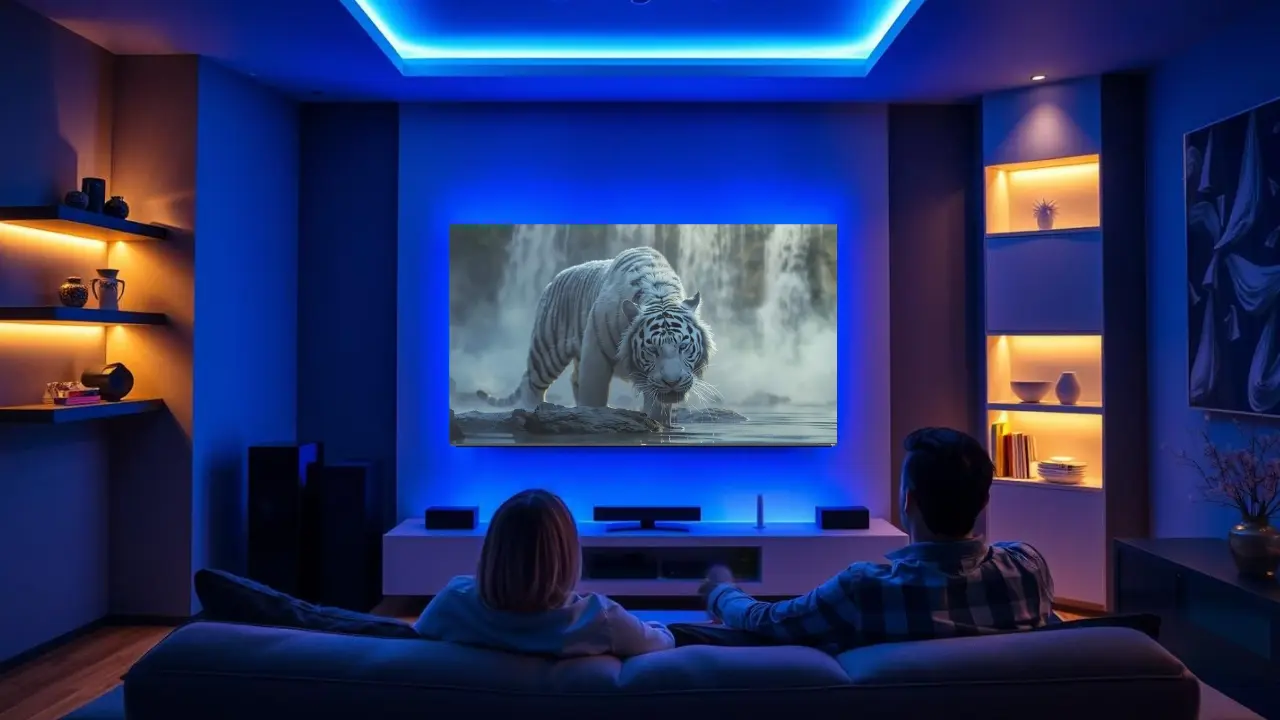

Big screen TVs have become central to premium home interiors because they do more than display content.
They shape how a room feels, how families gather, and how downtime is experienced.
In modern Indian homes, a large TV is no longer an add-on. It is part of the design language, the lifestyle rhythm, and the emotional centre of the living space.
The living room has changed. Quietly. Completely.
There was a time when the TV was something you worked around.
A cabinet was built for it. Wires were hidden after the fact. Design adapted to the screen.
Today, the opposite is true.
In new apartments, renovated homes, and thoughtfully designed rental spaces, the big screen TV is planned first. Sofas face it. Lighting considers it. Wall textures are chosen to complement it.
This shift matters.
Because a premium home interior is not about adding expensive objects.
It is about removing friction.
And nothing creates friction faster than a screen that feels like it does not belong.
Why size feels different now
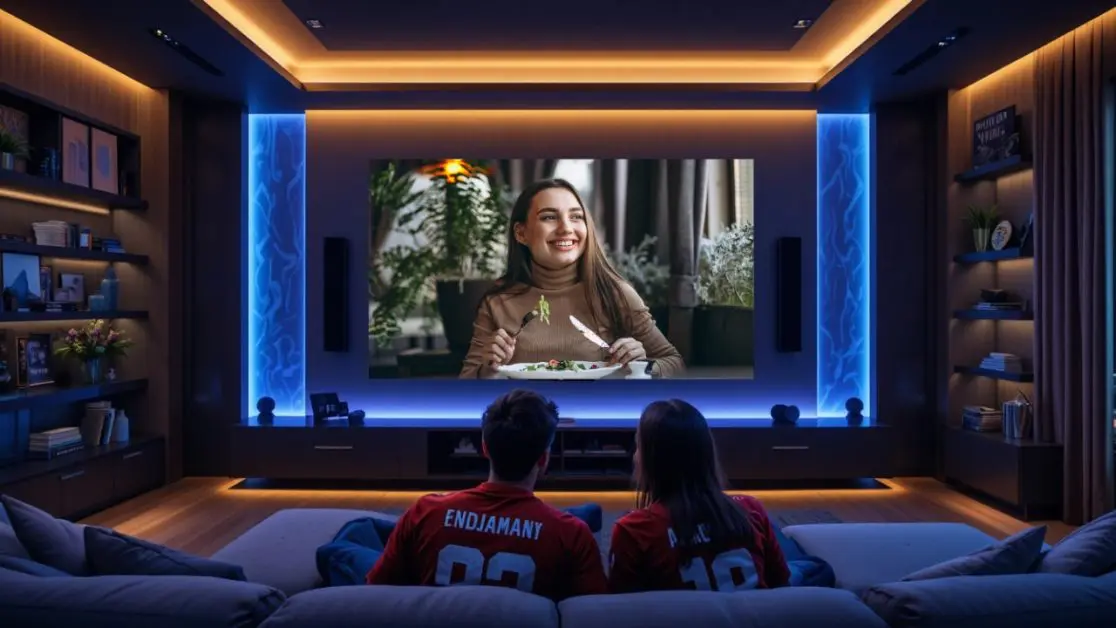
A decade ago, a bigger TV felt indulgent.
Now, it feels appropriate.
Here is why.
Indian homes have changed in three subtle ways.
- Rooms are more multifunctional
- Families spend more time together indoors
- Content has become cinematic by default
OTT shows are shot like films.
Cricket broadcasts use multiple camera angles and ultra-slow motion.
Gaming is no longer a niche.
On a small screen, all of this collapses.
On a big screen, it breathes.
The result is not just immersion.
It is easy.
You stop leaning forward.
You stop squinting.
You stop adjusting settings every evening.
Premium interiors are about visual calm
Good interior design reduces visual noise.
That applies to screens too.
A well-designed big screen TV does not dominate the room.
It settles into it.
Ultra-slim profiles, near wall-flush mounting, hidden wiring, and minimal bezels change how a TV is perceived. Instead of a black rectangle, it becomes a clean surface.
In premium homes, this matters more than resolution specs.
Because what you notice every day is not pixel count.
It is how the room feels when the screen is off.
The design paradox of large screens
Bigger screens should feel heavier.
But the best ones feel lighter.
This is where design meets engineering.
Modern large TVs use advanced panel technologies that allow thin builds without compromising brightness or contrast. The screen appears to float rather than sit.
When mounted correctly, a big TV can actually make a room feel more spacious. It replaces bulky cabinets with negative space.
Counterintuitive.
But it’s true.
Picture quality is no longer a setting. It is a system.
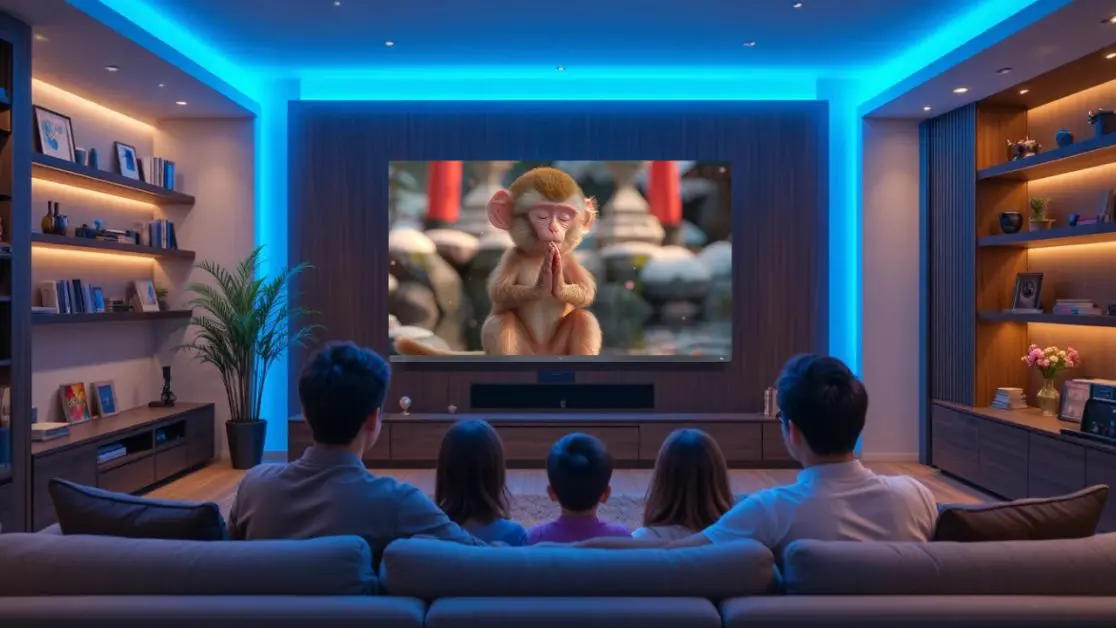
Most people do not enjoy tweaking picture modes.
They want things to look right. Always.
This is where premium big screen TVs quietly earn their place in modern homes.
Instead of expecting the viewer to adapt, the TV adapts.
- Ambient light changes through the day
- Content shifts from sports to movies to kids’ shows
- Viewing distance varies with seating
AI-driven picture processing now adjusts colour, brightness, contrast, and motion automatically.
The system learns context.
So the screen feels consistent even when everything else changes.
This matters because premium living is about fewer decisions, not more.
Sound is part of interior experience, not an accessory
Large screens change how sound behaves in a room.
On smaller TVs, sound is directional and flat.
On bigger screens, poor sound becomes obvious.
Premium TVs now integrate advanced audio systems directly into the panel design. Multi-channel speakers, tuned by audio specialists, create a wider soundstage without external boxes.
The implication is subtle but powerful.
You get room-filling audio without clutter.
No extra remotes.
No cables crossing the floor.
In design terms, this is restraint.
In lifestyle terms, it is a relief.
The big screen as a social object

A premium TV is not just for watching.
It becomes a reason.
Cricket nights turn into planned gatherings.
Weekend movie marathons become rituals.
Friends linger longer.
This is not about screen addiction.
It is about shared moments.
Large screens anchor these moments. They give scale to experiences that matter.
And in Indian homes, where togetherness still holds weight, this role is understated but significant.
Choosing the right size is about proportion, not pride
Bigger is not always better.
But too small is always disappointing.
The right size depends on three things.
1. Room width and seating distance
2. Wall-to-furniture balance
3. Primary content type
For open living rooms and larger apartments, screens above 189cm(75) feel natural. In compact but well-planned spaces, even a (65) TV can feel expansive if mounted correctly.
The mistake people make is choosing based on store displays.
The smart move is choosing based on how the room actually functions.
Where technology meets interior intention
This is where brands like Haier quietly position themselves.
Not as feature sellers.
But as system designers.
For instance, Haier’s large-format Mini LED TVs are built around the idea that a screen should disappear into the room when not in use, and come alive when it is.
Ultra-slim builds, precise local dimming, high peak brightness, and AI-driven picture control work together rather than compete.
On the 254cm (100) Mini LED model, features like thousands of dimming zones, high brightness levels, and intelligent processors exist for one reason. To maintain visual depth without overwhelming the space.
This integration of scale and subtlety is what premium interiors demand.
Technical specifications from Haier’s Mini LED range illustrate how modern big screens balance size with finesse, using advanced panel control, high refresh rates for sports, and cinema-grade colour reproduction to fit seamlessly into contemporary homes .
Energy awareness is part of modern luxury
Premium no longer means wasteful.
In fact, energy efficiency has become a quiet marker of thoughtful living.
Large TVs today consume less power than older, smaller models thanks to smarter panels, adaptive brightness, and energy-saving modes that respond to usage patterns.
This matters in Indian households where screens often stay on for hours.
A TV that adjusts itself saves power without announcing it.
That is modern luxury.
The future of home interiors is adaptive
Homes are becoming more fluid.
Workspaces appear and disappear.
Living rooms double up as entertainment hubs.
Design needs to adapt without feeling temporary.
Large TVs with smart interfaces, voice control, and integrated ecosystems fit into this future naturally. They connect with lighting, sound, and other smart appliances without becoming the centre of attention.
The screen becomes part of the home’s nervous system.
Responsive.
Quiet.
Reliable.
The real question to ask
When choosing a big screen TV for a premium home interior, the question is not:
Is this the biggest screen I can buy?
It is:
Will this screen make the room feel calmer, richer, and more complete?
When the answer is yes, the decision lasts longer than the novelty.
Because good design fades into daily life.
Great design improves it without being noticed.
And that is exactly what the right big screen TV should do in a modern Indian home.
Frequently Asked Questions
Will a bigger TV make my room look smaller?
Only if it sits on a bulky cabinet. Wall-flush mounting with hidden wiring often creates more negative space, which visually expands the room.
Should I prioritize picture specs or design aesthetics?
In premium interiors, design integration matters as much as picture quality. Slim profile, minimal bezels, and cable management affect your daily experience more than minor spec differences.
How do I make a large TV blend into a premium interior?
Use flush mounting, neutral wall textures, concealed cables, and ambient backlighting. The goal is to make the screen feel like a design surface when off.
What wall color works best behind a big screen TV?
Matte greys, textured beige, muted charcoal, or wood panel backdrops reduce glare and create visual balance.
How do I hide wires completely?
Use in-wall conduits during renovation or paintable trunking for finished homes. Plan power outlets directly behind the screen.
Does screen size really change the viewing experience?
Yes. OTT shows, cricket broadcasts, and gaming are designed for cinematic scale. Bigger screens reduce eye strain and increase immersion.
Do I need high refresh rates for sports?
For cricket and fast-paced action, 120Hz or higher ensures smoother motion without blur.
Is AI picture processing actually useful?
Yes. Modern TVs automatically adjust brightness and contrast based on room lighting and content type, reducing manual tweaking.