
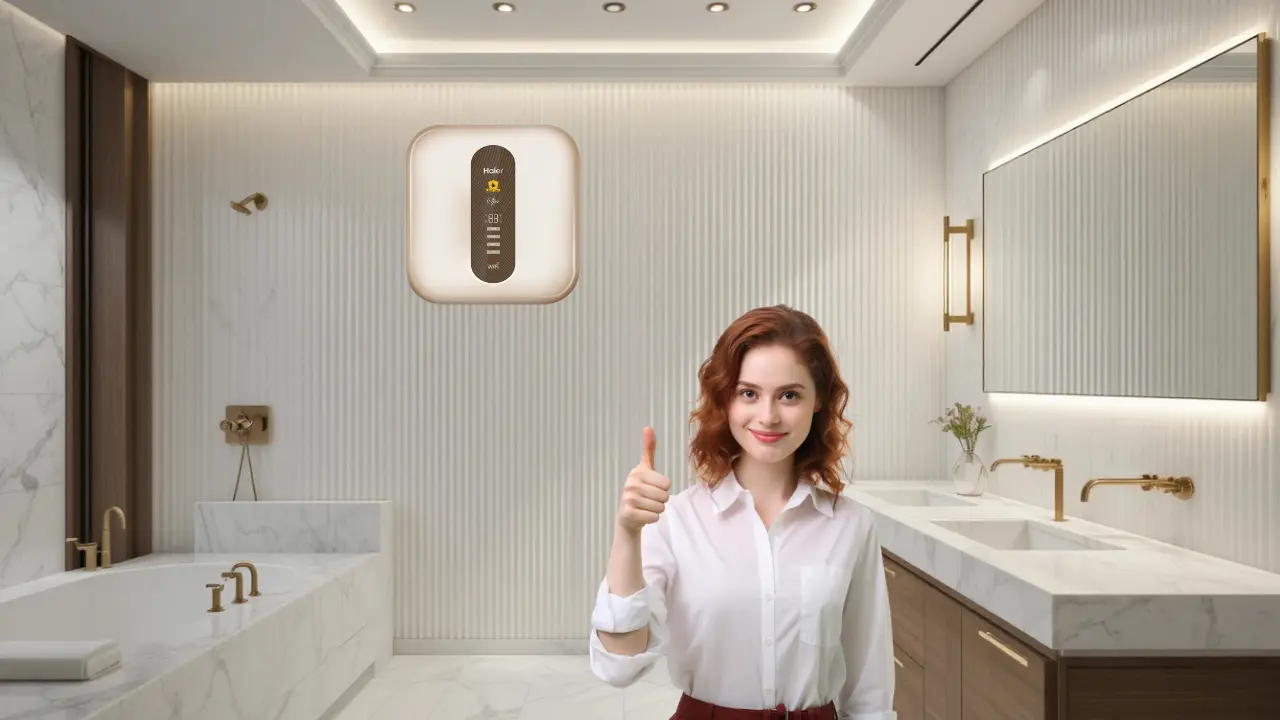

Hygienic heating means water that is safe, fresh, and intelligently managed every single day.
In Indian homes, hygienic heating is not about luxury. It is about trust.
Trust that the first shower of the morning is clean.
Trust that the last bucket of the night is just as safe.
Hygienic heating combines three things, bacterial protection, temperature control, and safe electrical design. When these systems work together, hot water stops being a background utility and becomes a quiet pillar of daily wellbeing.
Clean heat is not a feature. It is a foundation.
Why hygienic heating matters more in Indian homes?
Because our water usage is layered
Think of a regular weekday.
Parents rush to the office.
Children prepare for school.
Grandparents need steady warmth.
Someone washes dishes late at night.
A single storage water heater might serve 4 to 6 users daily. According to Indian household consumption studies, urban families use 120 to 150 litres of water per person per day, and nearly 30 percent of that is heated water during winter months.
That volume matters.
When water sits inside a tank for hours, stagnation becomes a silent risk. Bacteria thrive between 40°C and 60°C. The World Health Organization has repeatedly noted that stored warm water can create conditions for microbial growth if not managed properly.
Hygienic heating solves this through design. Not through guesswork.
The hidden system behind hygienic heating
Most people think heating is simple.
Switch on. Heat up. Switch off.
But real hygienic heating runs on layered protection.
One layer controls bacteria.
One layer controls temperature.
One layer protects electricity.
One layer protects pressure.
When these layers integrate, water stays safe without constant supervision.
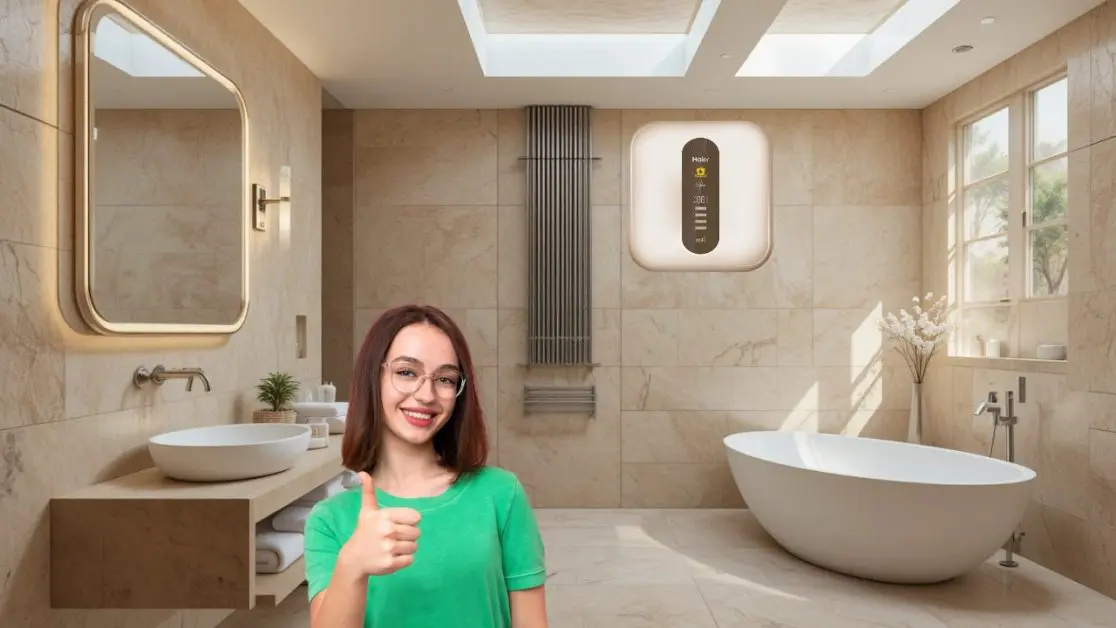
Take the Haier 15L Square 5 Star Water Heater ES15V SD WIFI, for example. Its Bacteria Proof System heats water up to 80°C to inhibit bacterial growth,
That number matters.
80°C disrupts bacterial survival cycles.
Lower temperatures do not.
Heat becomes hygiene.
What actually makes heating hygienic?
1. Bacterial control through high-temperature cycles
The BPS mode in the Haier 15L Square 5 Star Water Heater ES15V SD WIFI actively raises water temperature to 80°C to deactivate bacteria .
Cost: Slightly higher power draw during cycle.
Benefit: Cleaner stored water without chemical additives.
It is efficient. It is automated. It removes human error.
2. Continuous water flow design
Stagnant water invites problems.
Circulation reduces risk.
The RSC U-turn Flow Technology ensures consistent internal flow, reducing stagnant deposition.
Think of it like moving air in a room.
Fresh circulation keeps things clean.
3. Dual thermal protection
Overheating damages systems and safety.
The Dual Thermal Proof system uses two sensors. The first cuts heating at 75°C. The second cuts at 95°C if needed .
Cost: Slightly more complex engineering.
Benefit: Protection against temperature runaway.
Safety is invisible. Until it fails.
Safety and hygiene are not separate ideas
Shock protection is hygiene protection
Water and electricity share space in Indian bathrooms. That combination demands engineering discipline.
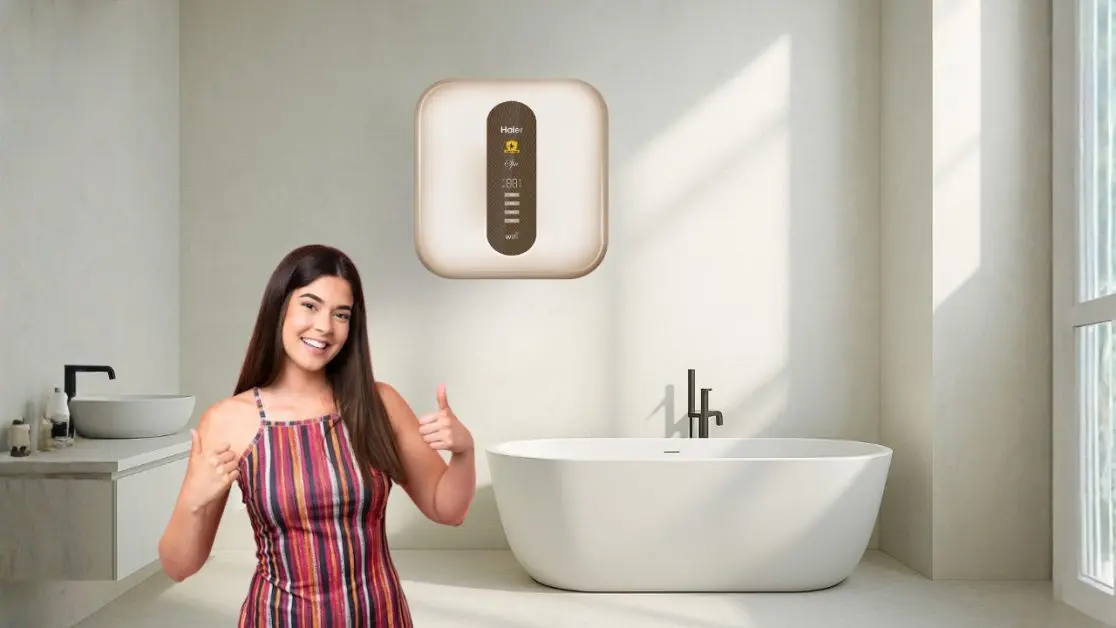
The Shock Proof system converts rated voltage to safer levels in case of leakage .
Electrical safety reduces risk. Reduced risk builds trust.
When heating feels safe, daily routines feel calmer.
Does pressure matter for hygienic heating? Yes.
Urban India is rising vertically.
High-rise apartments experience higher water pressure. The Haier 15L model is rated for 8 bar pressure, suitable for high-rise buildings .
Pressure control prevents internal stress.
Internal stress prevents cracks.
Cracks prevent contamination.
Engineering discipline protects hygiene.
Material science quietly shapes everyday safety
Incoloy 800 heating element
Stainless steel elements resist corrosion. The Incoloy 800 SS heating element extends service life and reduces rust risk .
Rust contaminates.
Corrosion shortens lifespan.
Durability equals cleaner performance over time.
Glass-lined tank with magnesium rod
A glass-lined tank resists corrosion and chemical reaction with water .
Add a magnesium rod. It attracts corrosive elements before they attack the tank.
It is sacrificial protection.
Smart systems protect themselves first so they can protect you longer.
Energy efficiency supports hygienic heating
Hygienic heating does not mean wasteful heating.
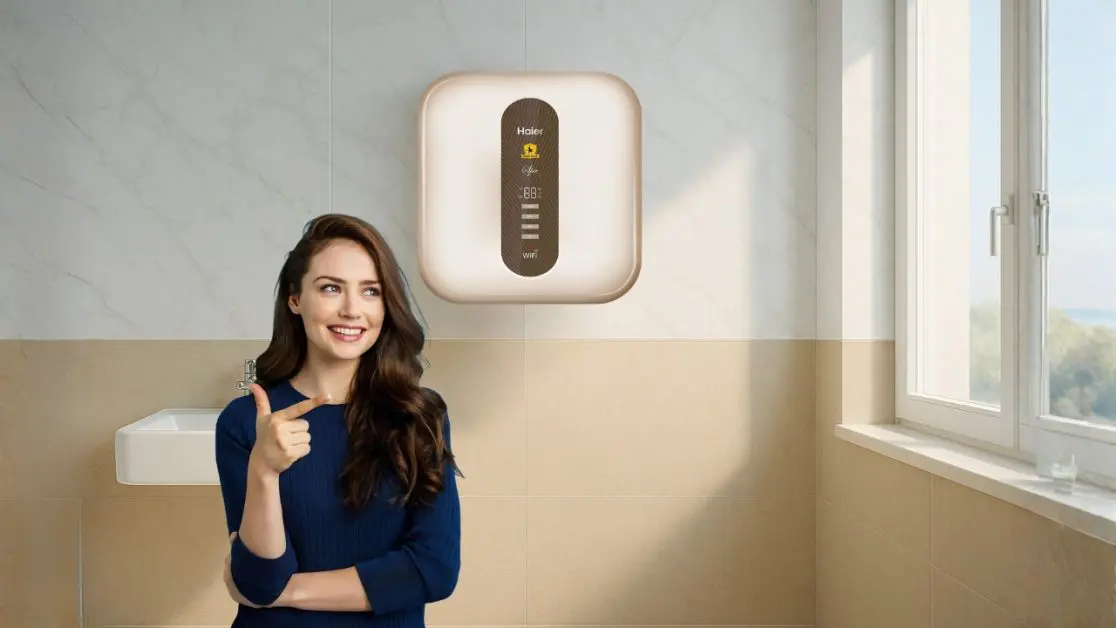
The 5 Star rating and PUF insulation reduce reheating cycles .
According to India’s Bureau of Energy Efficiency, efficient water heaters can reduce annual electricity consumption by up to 15 to 20 percent compared to non-rated units.
Benefit one: Lower electricity bills.
Benefit two: Less reheating stress on components.
Benefit three: More consistent temperature control.
Efficiency strengthens hygiene.
Smart control makes hygienic heating predictable
Modern homes do not operate on fixed schedules.
Smart timers and memory functions allow the heater to remember usage patterns .
Imagine three users:
- One bathes at 7 am daily.
- One shower at 10 pm.
- One needs warm water at noon on weekends.
Smart heating anticipates demand. It reduces idle storage time. It reduces stagnation.
Predictability improves hygiene.
How does hygienic heating compare to conventional systems?
| Feature | Conventional Heater | Hygienic Smart Heater |
| Bacterial Control | Manual temperature control | Automated 80°C cycle |
| Thermal Safety | Single thermostat | Dual thermal proof |
| Flow Design | Standard tank | RSC circulation |
| Pressure Handling | Often 6 bar | 8 bar rated |
| Energy Efficiency | Basic insulation | PUF insulation, 5 Star |
The difference is structural.
One depends on user awareness.
The other depends on system intelligence.
Three choices every modern Indian household faces
Option One: Basic heating
Lower cost upfront.
Manual temperature management.
Higher risk of inconsistent hygiene.
Option Two: Energy-efficient heating
Better insulation.
Reduced bills.
Still limited bacterial automation.
Option Three: Hygienic smart heating
Automated bacterial cycles.
Dual thermal protection.
Smart scheduling.
8 bar safety.
Glass-lined durability.
Higher initial investment.
Lower long-term anxiety.
Every decision is a trade-off between today’s cost and tomorrow’s reliability.
Why hygienic heating fits millennial and Gen Z homes
Millennial and Gen Z buyers value three things.
- Health awareness
- Energy responsibility
- Smart control
Hygienic heating intersects all three.
It protects family members.
It saves electricity.
It integrates with digital lifestyles.
This is not about gadgets.
It is about reducing friction in daily routines.
When mornings run smoothly, the day starts better.
Hygiene is a system, not a switch
A hygienic kitchen requires refrigeration discipline.
A hygienic bathroom requires heating discipline.
The Haier 15L Square 5 Star Water Heater ES15V SD WIFI brings together shock proof safety, BPS bacterial control, RSC water circulation, Incoloy 800 heating element, 8 bar pressure handling, dual thermostats, and PUF insulation .
Each feature alone is useful.
Together, they form a system.
Systems last longer than features.
What this means for everyday Indian living
Hygienic heating affects more than bath time.
It affects:
- Children with sensitive skin
- Elderly family members needing stable warmth
- Working professionals who depend on fast, reliable showers
- Urban apartments with high pressure plumbing
Clean heat reduces micro risks that compound over years.
And in homes, small risks accumulate quietly.
The bigger idea behind hygienic heating
Most people upgrade appliances when something breaks.
Forward-looking homes upgrade when they understand systems.
Hygienic heating is one of those invisible upgrades. It does not change décor. It does not dominate conversations.
It simply makes everyday life more dependable.
And dependability is underrated.
When hot water feels safe without effort, life feels slightly more sorted.
In the long run, hygienic heating is not about temperature.
It is about trust.
Frequently Asked Questions
Why do my clothes smell damp even after a full wash cycle?
Because damp odour is usually caused by trapped moisture and detergent residue, not visible dirt. In humid Indian homes, moisture lingers in fabrics and inside the drum, allowing odour-causing bacteria to grow within hours.
Am I using the wrong detergent if my laundry smells musty?
Not necessarily. Adding more detergent often makes the problem worse by leaving extra residue that traps moisture inside fabric fibres.
Should I switch to hot water washes to remove damp odour?
Hot washes may reduce bacteria temporarily, but they don’t solve residual moisture inside the drum or gasket. Frequent hot washes can also stress fabrics.
Is damp odour a sign that my washing machine is low quality?
Not always low quality but it may not be designed to manage humidity, rinsing efficiency, and post-wash freshness as a system.
Why is damp odour more common in Indian homes?
High humidity, limited airflow in apartments, indoor drying during monsoon, and bathrooms doubling as laundry zones create ideal conditions for moisture retention.
Why does the smell return even after rewashing?
Because the source may be inside the drum, gasket, or detergent channel, not just the clothes.
Can damp odour spread to cupboards and wardrobes?
Yes. Slightly damp-smelling fabrics can transfer odour to enclosed storage spaces.
Is rewashing the only way to remove the damp smell?
Not always. The better solution is improving rinsing, residue control, and moisture management not increasing wash frequency.