


Power flexibility reduces electricity bills by shifting when and how your appliances use energy.
It means running high-power devices more intelligently, avoiding peak tariff hours, and using appliances that adapt their consumption in real time. The result is simple: less wastage, lower peak load, and smarter savings without compromising comfort.
That is the short answer.
The longer one lives inside real Indian homes.
Why do electricity bills feel out of control?
Picture a Sunday evening.
The AC is running. The washing machine is mid-cycle. The geyser is heating water. The TV is streaming cricket highlights. Someone plugs in a laptop. Someone else reheats dinner.
Nothing unusual.
But everything is running at once.
According to India’s Bureau of Energy Efficiency, air conditioners alone can account for up to 40* percent of a household’s summer electricity bill. Add water heaters, which often consume 15 to 20* percent in winter months, and you start to see the pattern.
It is not just what we use.
It is when and how we use it.
That is where power flexibility changes the game.
What Is Power Flexibility in Simple Terms?
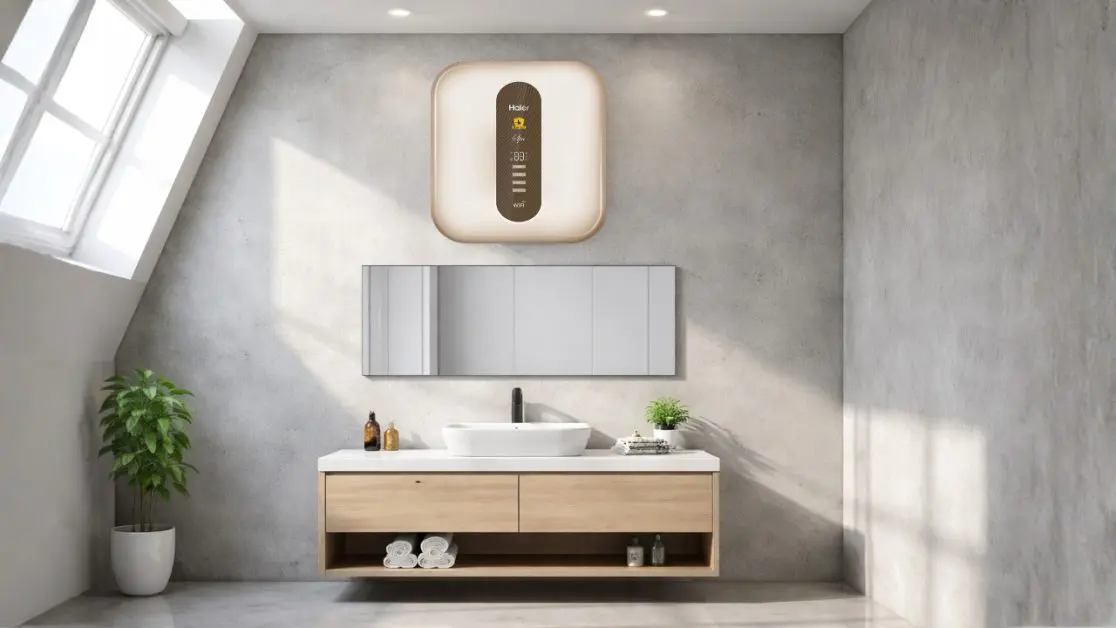
Power flexibility means your home does not demand maximum electricity at the same time for everything.
It spreads the load.
It adjusts intensity.
It avoids peak tariff windows.
Think of it like traffic management.
If every car enters the highway at 6 pm, you get chaos. If vehicles stagger their entry, traffic flows smoothly.
Electricity works the same way.
The Hidden System Behind High Electricity Bills
Electricity providers in many Indian states are increasingly encouraging time-of-day tariffs.
Peak hours often fall between 6 pm and 10 pm. During these hours, electricity demand spikes. When demand spikes, grid pressure increases. When grid pressure increases, tariffs tend to be higher.
According to the Central Electricity Authority, India’s peak power demand crossed 240 GW in recent summers. Most of that surge happens during evening hours.
Now ask a simple question.
When does your home use the most power?
Usually evenings.
That overlap costs money.
Power flexibility reduces this overlap.
Three Ways Homes Can Practice Power Flexibility
1. Shift Heavy Loads to Non-Peak Hours
One option is simple scheduling.
- Run the washing machine in the late morning.
- Heat water before peak hours.
- Charge devices overnight.
- Pre-cool rooms slightly before evening peak.
Cost:
- Requires planning.
- I may need to change my habits.
Benefit:
- Immediate tariff savings.
- Reduced peak load penalties.
- Lower strain on appliances.
Small changes. Noticeable impact.
2. Use Appliances That Adapt Automatically
The second option is smarter.
Modern appliances do not just switch on and off. They modulate power.
For example, inverter air conditioners adjust compressor speed instead of constantly restarting. This reduces sudden high current draw. It also saves up to 30 to 40 percent energy compared to conventional fixed-speed models under optimal usage conditions.
Smart water heaters like the Haier 15L Square 5 Star Water Heater ES15V-SD WIFI ES15V-SD WIFI support smart timers and memory functions . That means you can schedule heating cycles instead of running it continuously.
It includes:
- 5 Star energy rating
- 2000W heating element
- Smart Timer
- Smart Memory
- Superior PUF insulation to retain heat longer
The insulation alone reduces reheating cycles. Fewer reheating cycles mean lower electricity consumption.
Cost:
- Slightly higher upfront investment.
Benefit:
- Long-term bill reduction.
- Automatic optimization.
- Less manual tracking.
Smart systems remove friction.
3. Reduce Simultaneous High-Power Usage
The third option is coordination.
Avoid running:
- AC
- Geyser
- Microwave
- Washing machine
All at once.
A typical 2000W water heater, a 1.5-ton AC, and a washing machine together can push demand beyond 4 to 5 kW instantly. That surge increases billing slabs in some regions.
Instead:
- Finish washing before switching on the geyser.
- Use residual hot water stored through superior insulation.
- Cook before peak AC demand begins.
It is not about restriction.
It is about sequence.
Sequence reduces spike.
Power Flexibility in Real Indian Scenarios
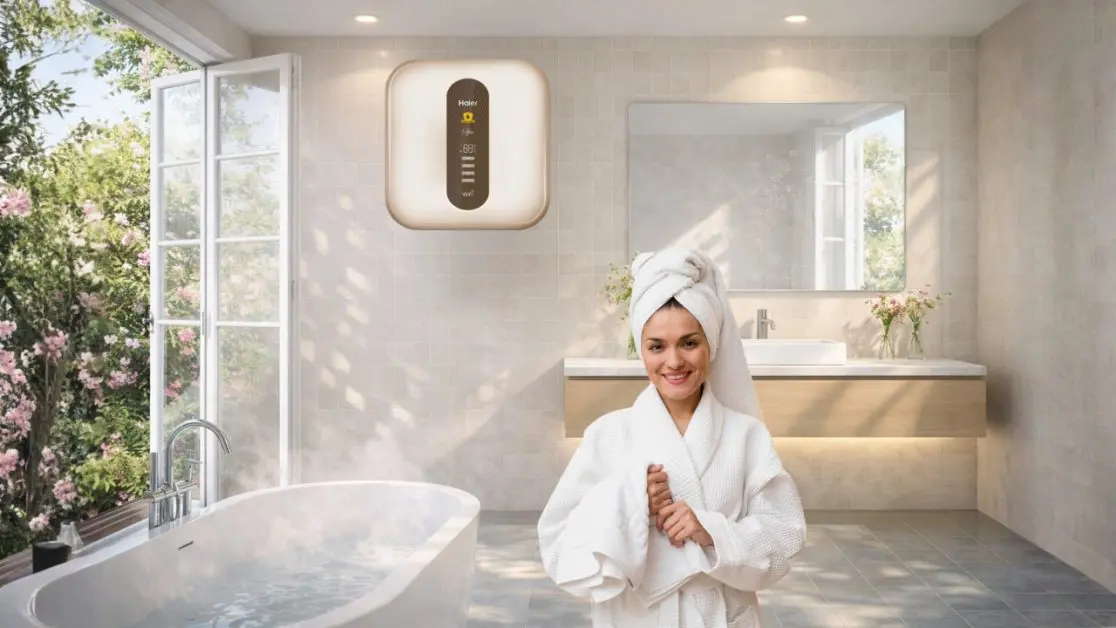
Scenario 1: Working Professionals in a 2BHK
Evenings are packed.
One person showers. Another reheats dinner. The AC runs in the bedroom.
Solution:
- Use smart timers for the water heater.
- Heat water 30 minutes before arrival.
- Let PUF insulation retain temperature.
- Avoid reheating during peak tariff.
Impact:
- Lower peak load.
- Reduced bill variation month to month.
Scenario 2: Parents Managing School Mornings
Mornings feel rushed.
Water heating, ironing, breakfast cooking.
Instead of heating water repeatedly, schedule one heating cycle. Glass-lined tanks retain heat efficiently and reduce energy loss .
Fewer cycles. Same comfort.
Scenario 3: High-Rise Apartments
Pressure fluctuates.
Haier’s 8 Bar rated pressure capacity ensures stable performance in high-rise buildings .
Stable performance reduces inefficiency.
Efficiency reduces waste.
Waste increases bills.
Why Insulation Is the Silent Hero of Power Flexibility
Many people underestimate insulation.
But heat retention directly affects electricity use.
PUF insulation retains hot temperatures for longer, reducing reheating requirements .
Let us break it down:
| Feature | Without Insulation | With Superior PUF Insulation |
| Heat loss | Rapid | Slow |
| Reheating cycles | Frequent | Reduced |
| Electricity use | Higher | Lower |
| Monthly bill impact | Noticeable | Controlled |
Energy saved is energy earned.
Insulation is invisible savings.
Data Snapshot: Where Household Electricity Goes
According to BEE and typical urban consumption patterns:
- Air Conditioning: 30 to 40 percent
- Water Heating: 15 to 20 percent
- Refrigeration: 10 to 15 percent
- Washing Machines: 5 to 8 percent
- Lighting and Others: 15 to 25 percent
Notice something?
The top two categories alone can exceed 50 percent.
If power flexibility focuses only on AC and water heating, half the battle is won.
The Real Principle: Demand Smoothing
Power flexibility is not about using less power.
It is about using power more smoothly.
When demand becomes smooth:
- Appliances operate efficiently.
- Tariff slabs stay stable.
- Voltage fluctuations reduce.
- Grid pressure lowers.
Smooth demand equals stable bills.
This principle applies to homes and large organisations alike.
Sudden spikes cost money.
Controlled flow saves money.
How Smart Appliances Quietly Enable Power Flexibility
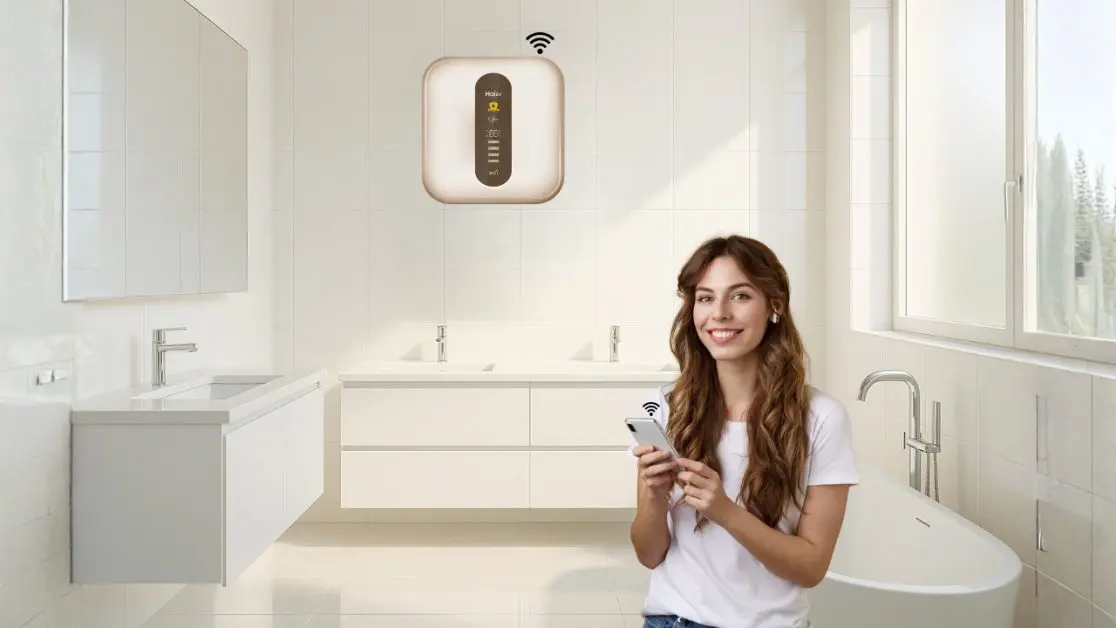
Technology makes flexibility effortless.
For example, the Haier ES15V-SD WIFI model offers:
- Smart Timer scheduling
- LED display for monitoring
- Voltage fluctuation protection
- Smart Memory to retain preferred settings
Instead of remembering to switch off the geyser, the system remembers for you.
Instead of heating water repeatedly, insulation retains warmth.
Instead of worrying about safety, dual thermal proof systems manage overheating .
Comfort stays.
Waste reduces.
A Simple Weekly Power Flexibility Checklist
Try this for one week:
- Shift laundry to non-peak hours.
- Schedule water heating instead of manual on-off.
- Avoid simultaneous high-watt appliances.
- Pre-cool rooms before evening surge.
- Track peak hour usage patterns.
Notice the difference.
Small structure creates big clarity.
The Bigger Picture: Why This Matters Beyond Bills
Electricity demand in India continues to rise year after year. Urbanisation, rising temperatures, and appliance adoption increase load.
Peak demand crossed 240 GW recently.
When homes adopt power flexibility:
- Grid strain reduces.
- Blackout risks decline.
- National energy efficiency improves.
Individual habits scale into collective impact.
Homes become part of the solution.
Not just consumers.
The Insight Most People Miss
Savings do not always come from cutting usage.
They come from aligning usage with intelligence.
Power flexibility is not a sacrifice.
It is coordination.
It is design.
It is a rhythm.
Modern appliances are no longer just devices.
They are decision-makers.
And when appliances think in terms of timing, retention, and modulation, electricity bills start behaving differently.
What This Means for Modern Indian Homes
Millennial couples setting up new homes care about design and efficiency.
Gen Z renters care about monthly budgets.
Parents care about reliability.
Working professionals care about predictability.
Power flexibility speaks to all of them.
Not loudly.
Quietly.
Because the smartest homes do not feel restrictive.
They feel effortless.
Lower bills become a side effect of better systems.
And once you see the system, you cannot unsee it.
Electricity bills stop being unpredictable enemies.
They become manageable outcomes.
That shift changes everything.
Frequently Asked Questions
I already juggle work and family. Do I really have to micromanage my electricity usage too?
No. Power flexibility is not about constant monitoring. It’s about small structural changes, like scheduling your geyser once or shifting laundry timing. After that, systems run automatically. The goal is fewer decisions, not more.
Is power flexibility about using less electricity or just using it differently?
It’s about using it differently.
You don’t have to sacrifice comfort. You smooth demand instead of stacking it all at once.
If I heat water once in the morning, will it stay hot enough for later use?
With strong insulation (like PUF insulation), yes much longer than older models.
Better insulation reduces reheating cycles, which reduces electricity use.
Less reheating = lower hidden cost.
I prefer running everything at once in the evening so I can relax later. Is that really costing me that much?
Running a 2000W water heater, a 1.5-ton AC, and a washing machine together can push load beyond 4–5 kW instantly.
That spike:
May move you into higher billing slabs (in some regions)
Increases voltage strain
Reduces appliance efficiency
Sequencing appliances instead of stacking them reduces this spike.
If inverter ACs save energy, does that mean I don’t need to worry about peak hours?
Inverter ACs help because they modulate compressor speed instead of restarting at full load repeatedly. That reduces sudden current draw.
But timing still matters. If you pre-cool slightly before peak hours, your AC works less aggressively during expensive windows.
I forget to switch off my geyser often. Is automation the real solution for me?
Yes. Smart timers eliminate human error. Instead of relying on memory, the appliance follows schedule logic.
Automation reduces:
Overheating
Continuous idle consumption
Anxiety about whether you left it on