
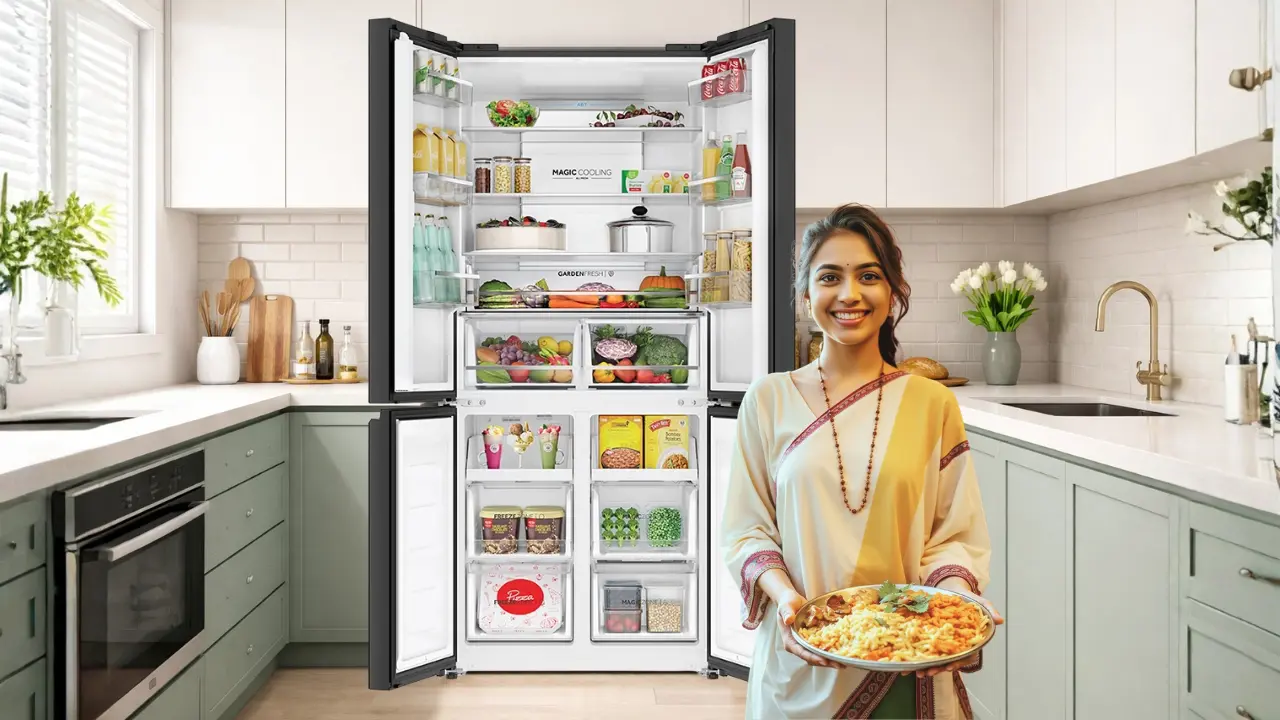

Beautiful kitchens deserve intelligent food preservation
Modern refrigerators blend aesthetics with food preservation technology by combining elegant design, spacious layouts, and advanced cooling systems that maintain freshness longer.
When design and preservation work together, kitchens feel organized, food stays fresher, and everyday cooking becomes simpler.
That is the short answer.
The deeper story begins on an ordinary evening in an Indian home.
A refrigerator door opens. Fresh vegetables sit neatly in one section. A bowl of leftover dal rests on a glass shelf. Fruits glow under soft interior lighting.
Nothing about the moment feels technological.
And yet, it is.
Because behind that quiet moment sits a system designed to protect food, organize life, and elevate the visual rhythm of the kitchen.
The refrigerator quietly became the center of the modern kitchen
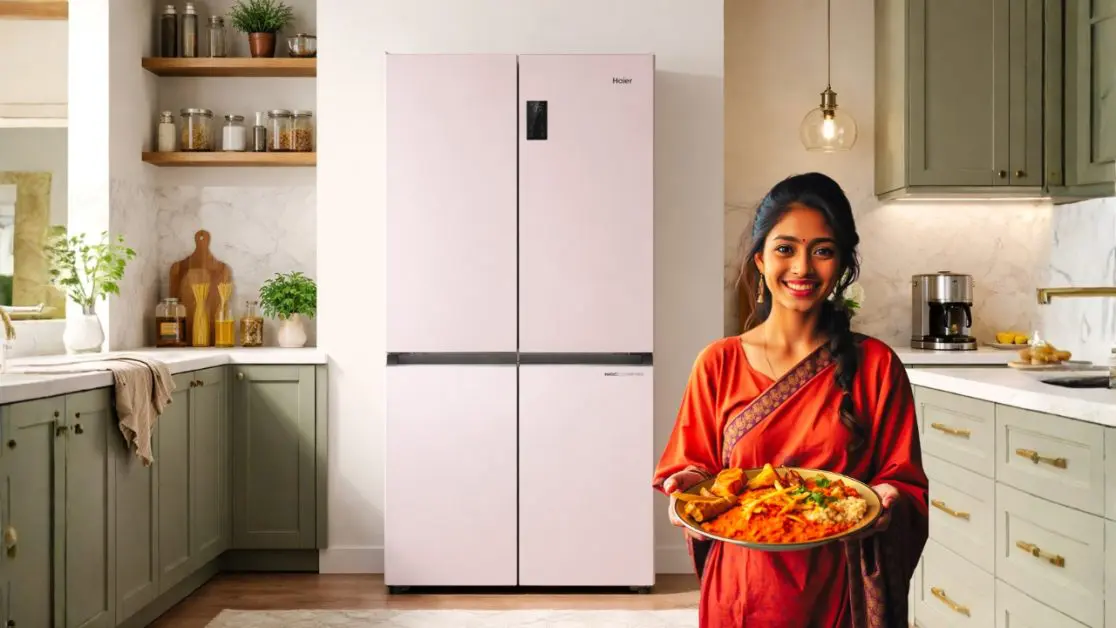
Walk into most modern Indian homes today.
The kitchen tells a story.
Minimal cabinets. Soft lighting. A clean marble counter. Appliances that match the aesthetic of the space.
But one appliance almost always stands out.
The refrigerator.
Not because it is large.
Because it is visible.
Unlike a microwave or dishwasher that hides in cabinets, the refrigerator occupies the most prominent corner of the kitchen. It shapes how the space looks and how food flows through the household.
This is why refrigerator design now matters as much as preservation.
Food systems and visual systems are now the same system.
Food preservation technology changed how Indian households store food
Indian kitchens operate differently from many global kitchens.
Food storage is complex.
A typical refrigerator might hold:
- Fresh vegetables bought from the local market
- Leftover curry from lunch
- Batter for dosa or idli
- Fruits for breakfast
- Frozen snacks for children
- Ice cream for weekend desserts
Each item demands different temperatures and humidity levels.
Traditional refrigerators treated everything the same.
Modern preservation systems understand that food behaves differently.
Consider the cooling system used in refrigerators like the Haier Vogue Series Lumiere 520 Litre 4 Door Convertible Refrigerator .
It uses 360° surround cooling technology to maintain even temperature across all compartments, ensuring food stays consistently chilled from top shelf to bottom drawer.
This matters more than people realise.
Because uneven cooling quietly creates food waste.
Food preservation is not just cold air.
It is controlled by airflow.
Design is not decoration. It is usability

Many people assume aesthetics means color or finish.
That is only part of the story.
In appliances, design solves daily problems.
Consider three design systems inside a modern refrigerator.
1. Spatial design: How food moves through the fridge
Large families often struggle with cramped refrigerators.
Food stacks on top of food. Items disappear behind containers. Vegetables spoil unnoticed.
A better system creates zones.
For example, refrigerators like the Haier Vogue Series Lumiere 520 Litre 4 Door Convertible Refrigerator provide multiple storage compartments and nearly 520 litres of capacity, allowing households to separate fruits, dairy, cooked food, and frozen items clearly.
More zones create clarity.
Clarity reduces waste.
2. Lighting design: How visibility affects freshness
Most refrigerators historically used harsh interior bulbs.
The result was simple.
Food in the corners went unnoticed.
Modern refrigerators introduce bright yet soft interior LED lighting that illuminates every shelf clearly, helping users quickly identify items and reduce forgotten food.
Visibility is a preservation tool.
If you see food, you use food.
3. Structural design: How shelves adapt to real cooking
Indian kitchens rarely store uniform items.
Pressure cookers.
Large steel containers.
Tall bottles of buttermilk.
Design must adapt.
The Haier Vogue Series Lumiere 520 Litre 4 Door Convertible Refrigerator includes adjustable toughened glass shelves designed to support heavy utensils and large containers commonly used in Indian households.
Design is not luxury.
Design is everyday practicality.
The hidden system behind food freshness
Food preservation depends on a few simple scientific principles.
Temperature stability.
Humidity balance.
Air circulation.
Modern refrigerators combine these factors into integrated systems.
Below is a simple breakdown.
| Preservation Factor | Why It Matters | How Modern Refrigerators Solve It |
| Temperature consistency | Prevents bacterial growth | Multi air flow cooling systems |
| Humidity balance | Keeps fruits and vegetables crisp | Dedicated vegetable drawers |
| Odour control | Stops food flavours mixing | Deodorizing filters and air purification |
| Storage organization | Reduces forgotten food | Multi zone compartment design |
Take odour management as an example.
Advanced refrigerators such as the Haier Vogue Series Lumiere 520 Litre 4 Door Convertible Refrigerator include systems that absorb odour and impurities inside the refrigerator to maintain freshness and prevent smell mixing between foods.
This means yesterday’s fish curry does not influence tomorrow’s fruit salad.
Small detail.
Huge difference.
Why aesthetics matter more in modern homes
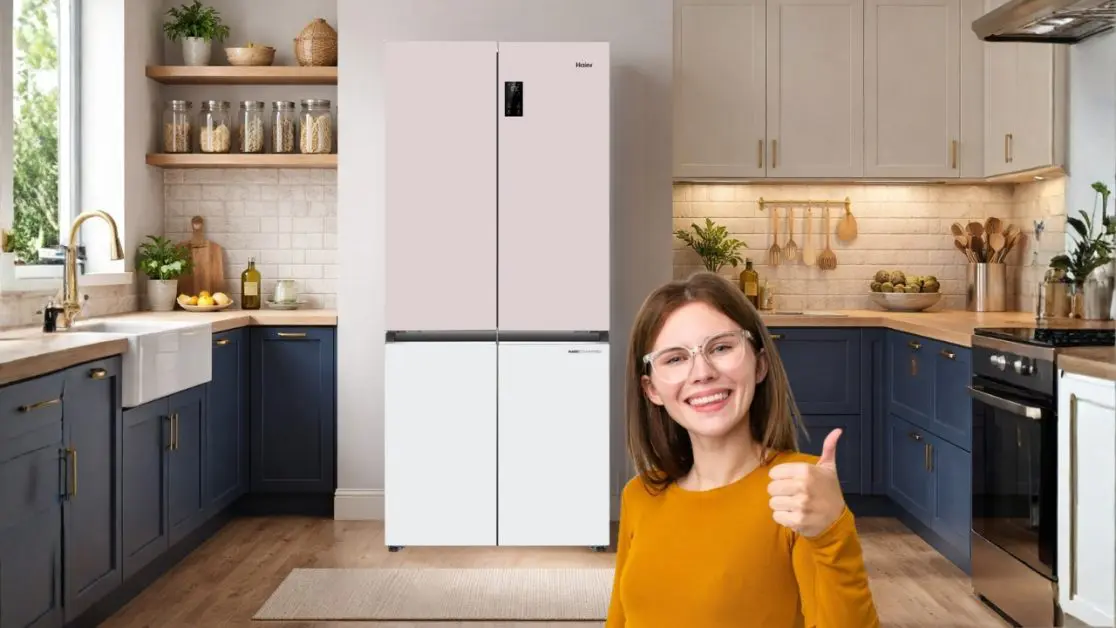
Ten years ago, appliances lived quietly inside kitchens.
Today, they define interior spaces.
Open kitchens. Studio apartments. Compact urban homes.
The refrigerator is now visible from the living room.
That changes expectations.
People want appliances that perform well and look beautiful.
This is why premium refrigerator designs now focus on elegant finishes and minimalist forms.
The Haier Vogue Series Lumiere 520 Litre 4 Door Convertible Refrigerator is available in refined finishes such as Mauve Pink, Rosette White, and Pearl White, allowing homeowners to choose colours that complement modern kitchen interiors.
Style and storage no longer compete.
They collaborate.
The new kitchen principle: flexibility
Food habits change constantly.
Weekend parties. Festive cooking. Grocery runs. Leftovers.
Storage needs to expand and shrink every week.
This is why flexible refrigerator compartments are becoming essential.
The Haier Vogue Series Lumiere 520 Litre 4 Door Convertible Refrigerator includes a convertible storage section that can switch between refrigerator and freezer modes depending on storage needs.
Think about three common situations.
One option is festival preparation.
Extra sweets, desserts, and beverages need fridge space.
A convertible freezer can temporarily become a refrigerator.
The second option is weekly meal prep.
Frozen vegetables and meats require more freezer space.
The same section switches roles.
The third option is everyday use.
Balanced refrigerator and freezer storage work best.
Flexibility turns one appliance into multiple storage systems.
A fixed appliance becomes adaptive.
Food preservation is also about reducing waste
India wastes a large portion of its food supply every year according to the Food and Agriculture Organization.
Part of the waste happens at the storage stage.
Food forgotten in refrigerators.
Vegetables wilting too quickly.
Uneven cooling spoils dairy products.
Better preservation systems reduce this loss.
Even airflow.
Clear compartments.
Consistent cooling.
These design decisions quietly protect groceries.
And groceries represent money.
Technology becomes invisible when it works
The best home technology disappears into daily life.
Nobody praises their refrigerator while cooking dinner.
But people notice when vegetables spoil quickly.
Or when the fridge feels cramped.
Or when the door shelves cannot hold large bottles.
Good design prevents frustration before it appears.
This is where thoughtful refrigerator systems stand out.
From multi zone storage layouts to adjustable racks and stable door compartments, the Haier Vogue Series Lumiere 520 Litre 4 Door Convertible Refrigerator quietly solves everyday kitchen problems.
The appliance fades into the background.
Convenience takes center stage.
The refrigerator is no longer just storage
It is a system.
A system that influences how households shop, cook, and store food.
Consider the daily flow.
Morning fruit.
Lunch leftovers.
Evening groceries.
Weekend meal prep.
The refrigerator sits at the intersection of all these routines.
And when design and preservation technology work together, something subtle happens.
Life feels easier.
A simple insight most people overlook
Most people buy a refrigerator for capacity.
Few think about systems.
But the truth is simple.
A refrigerator does three jobs simultaneously:
- Preserves food
- Organizes the kitchen
- Shapes the visual identity of the home
When these three roles align, appliances stop feeling like machines.
They become part of the home itself.
Where aesthetics and technology finally meet
A beautiful refrigerator without strong preservation technology fails quickly.
A powerful refrigerator without thoughtful design frustrates daily life.
The real innovation appears when both systems merge.
Elegant exterior.
Intelligent cooling.
Flexible storage.
Clear visibility.
This balance defines modern kitchen appliances.
Products like the Haier Vogue Series Lumiere 520 Litre 4 Door Convertible Refrigerator demonstrate how aesthetics and food preservation technology can coexist inside one appliance without compromise.
And it reflects a larger shift in Indian homes.
People no longer want appliances that simply function.
They want appliances that fit.
Fit their space.
Fit their habits.
Fit their everyday rhythm.
The future of kitchen design
Kitchen technology is moving toward one clear direction.
Less noise.
More intelligence.
More integration with lifestyle.
Refrigerators will continue evolving with smarter storage, improved cooling systems, and designs that blend seamlessly into modern homes.
But the core idea will remain the same.
Preserve food well.
Organize life better.
And make the kitchen feel like a place where technology quietly supports everyday living.
Because the best appliances do not demand attention.
They simply make life smoother.
And that is exactly where design meets preservation.
Frequently Asked Questions
I feel overwhelmed by all these refrigerator features. What actually matters for my daily life?
Focus on three things: consistent cooling, smart storage zones, and flexibility. Features like 360° cooling and convertible compartments directly impact how long your food stays fresh and how easy your kitchen feels to manage.
I keep comparing capacity vs features. Should I just buy a bigger fridge or a smarter one?
Bigger isn’t always better. A well-designed 500L fridge with zoning and airflow systems can outperform a larger but poorly organized one. Smart systems reduce waste, not just increase storage.
I don’t host often. Do I really need a convertible fridge?
Yes, because flexibility isn’t just for parties. It helps during weekly grocery cycles, meal prep, and seasonal changes in food habits.
I thought aesthetics were just about color. How does design actually help me?
Design improves usability. Better lighting, zoning, and adjustable shelves help you see and use food efficiently, reducing waste.
I often forget what’s inside my fridge. Can design really fix that?
Yes. Bright LED lighting and clear compartments increase visibility, which directly improves food usage.
My storage needs change every week. Is there a fridge that adapts?
Convertible refrigerators allow sections to switch between fridge and freezer modes, matching your needs dynamically.
I cook in batches and store leftovers. What features help most?
Multi-zone compartments and consistent cooling prevent taste mixing and spoilage.
During festivals, my fridge always runs out of space. What’s the solution?
Flexible compartments that temporarily expand refrigeration space solve this problem.