
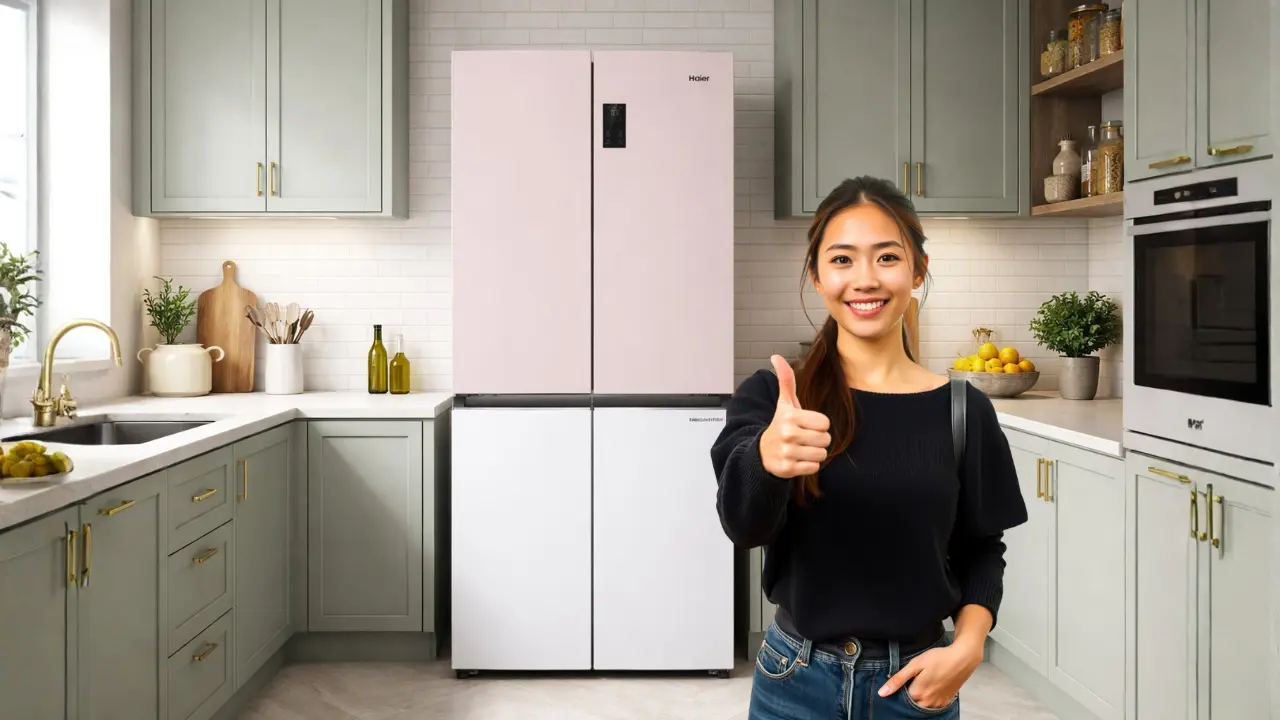

Large refrigerators do not automatically mean high electricity bills. Energy consumption depends less on size and more on design, technology, and usage patterns.
A well-built 500L refrigerator with inverter technology can consume nearly the same or even less energy than an inefficient smaller unit.
Why does a bigger fridge feel more expensive to run?
It is a familiar moment.
You open the refrigerator after dinner. Leftover dal. Cut fruits. A half cake from someone’s birthday. Water bottles stacked for tomorrow.
The fridge is full. The house feels sorted.
Then the thought comes in quietly.
“This thing must be eating electricity.”
That assumption feels logical. Bigger appliance. Bigger bill.
But here is the truth most people miss.
Energy consumption is not about size. It is about how intelligently that size is managed.
The hidden system: What actually drives refrigerator energy consumption
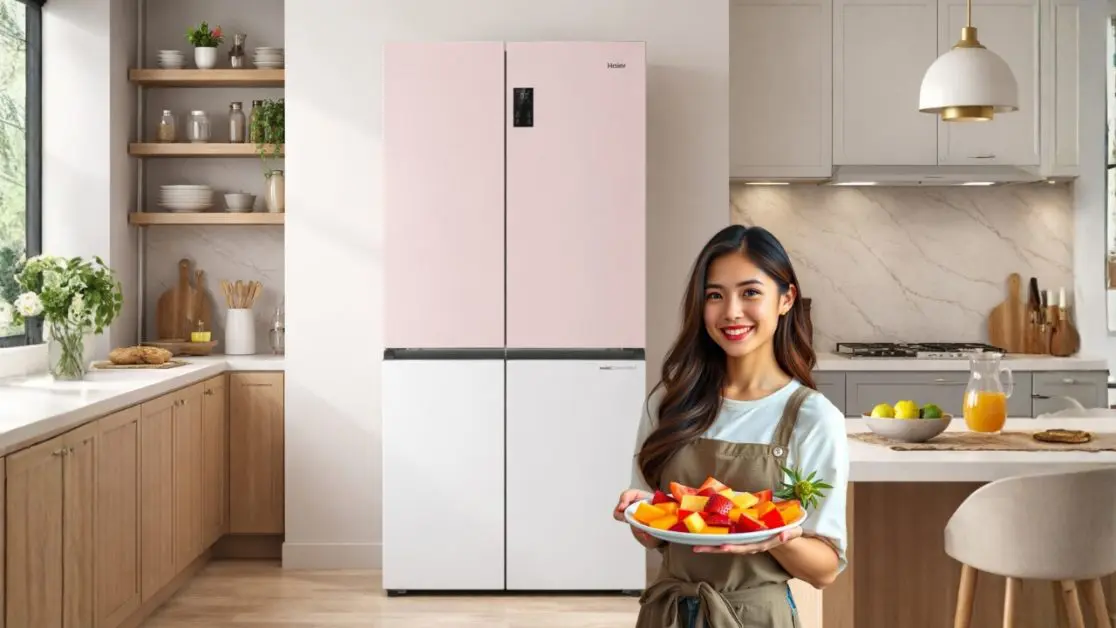
Most people look at capacity. 300L. 500L. 600L.
But electricity bills respond to something else entirely.
Three invisible systems decide energy usage:
1. Compressor behavior
- Traditional compressors run at fixed speed
- They switch on and off repeatedly
- This creates energy spikes
Modern inverter compressors adjust speed based on cooling demand.
Result
- Less fluctuation
- Lower power consumption
- Longer life
For example, refrigerators with inverter compressors maintain stable cooling while minimizing energy waste.
2. Cooling efficiency
- Poor airflow means uneven cooling
- Some sections overwork to compensate
Advanced systems like 360-degree cooling distribute cold air evenly, reducing load on the system.
3. Usage patterns
- Frequent door opening
- Overloading with hot food
- Poor organization
These create hidden energy leaks.
A refrigerator does not consume energy in isolation. It responds to how you use it.
How much electricity does a large refrigerator actually consume?
Let’s make it real.
A 500L class refrigerator typically consumes:
| Refrigerator Type | Annual Consumption | Monthly Estimate | Approx Monthly Cost (₹8/unit) |
| Basic Non-Inverter | 550–650 kWh | 45–55 units | ₹360–₹440 |
| Inverter Refrigerator | 400–500 kWh | 33–42 units | ₹260–₹340 |
| Advanced Convertible Models | ~480 kWh | ~40 units | ₹320 |
For instance, the Haier Vouge Lumiere 520L Mauve Pink 4 Door Convertible Refrigerator (HRB-600MP) consumes around 480 units annually, placing it firmly in the efficient large refrigerator category
Now pause.
That number matters.
Because it breaks a myth.
A large refrigerator does not double your bill. Poor efficiency does.
Why modern large refrigerators can actually save energy
Here is where things get interesting.
Bigger refrigerators today are not just bigger.
They are smarter systems.
One example: Convertible storage
Think about how your fridge usage changes:
- Weekdays: fewer groceries
- Weekends: bulk storage
- Festivals: overload mode
Traditional refrigerators stay fixed.
Convertible refrigerators adapt.
For example:
- Up to 85 percent fridge space when needed
- Switch sections between freezer and fridge dynamically
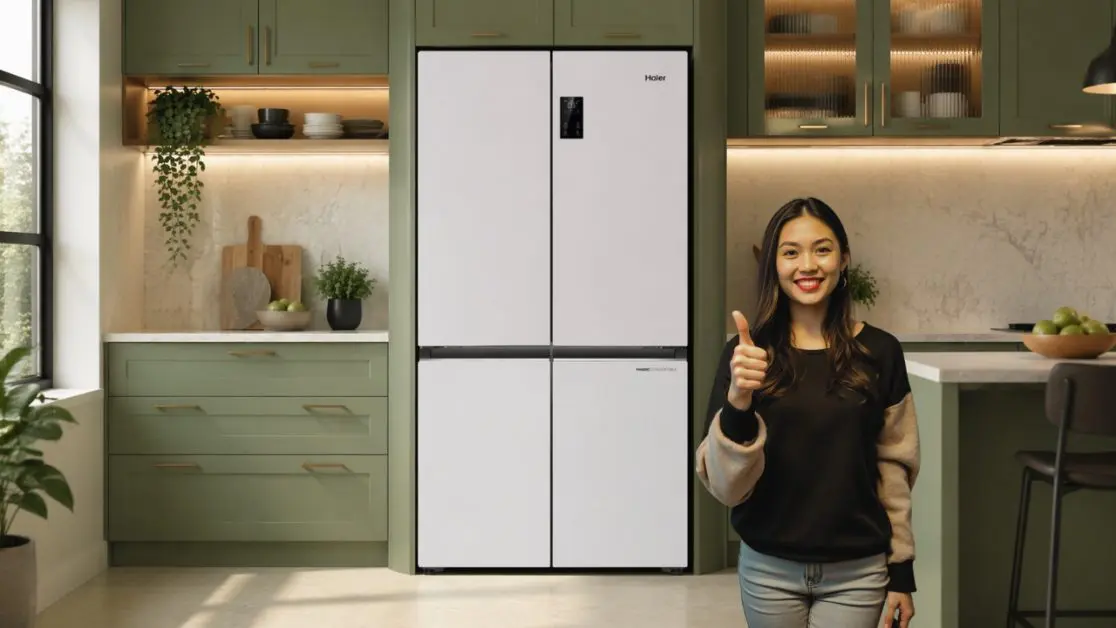
Models like the Haier Vouge Lumiere 520L Pearl White 4 Door Convertible Refrigerator (HRB-600PW) and Haier Vouge Lumiere 520L Rosette White 4 Door Convertible Refrigerator (HRB-600RW) offer this flexibility with a 90L convertible zone.
This reduces unnecessary cooling load.
Less unused freezer space
Less energy waste
Another example: Zoned cooling
Modern large refrigerators come with multiple storage zones.
What this does:
- Separates temperature requirements
- Prevents overcooling entire sections
In a 520L refrigerator, up to 10 storage zones help manage cooling efficiently.
Cooling becomes targeted. Not wasteful.
Three ways people unknowingly increase refrigerator energy consumption
Most energy waste does not come from the machine.
It comes from habits.
1. The “open and think” habit
You open the fridge. Then decide what you want.
Cost
- Cold air escapes
- Compressor works harder
Fix
- Decide first. Open later
2. Overstuffing without airflow
More food does not mean better storage.
Cost
- Blocks air circulation
- Uneven cooling
Fix
- Leave small gaps between items
3. Putting hot food directly inside
Common after dinner.
Cost
- Raises internal temperature
- Triggers heavy compressor activity
Fix
- Let food cool for 15–20 minutes
Energy efficiency is a behavior system before it is a technology system.
What should you actually look for in an energy-efficient large refrigerator?
Most buying decisions start with looks and capacity.
Energy efficiency needs a different lens.
Option 1: Basic affordability
- Lower upfront cost
- Higher running cost
- Fixed cooling systems
Best for
- Low usage homes
Option 2: Balanced efficiency
- Inverter compressor
- Moderate star rating
- Stable energy consumption
Best for
- Average families
Option 3: Intelligent efficiency systems
- Convertible storage
- Multi-zone cooling
- Smart sensors
- Energy optimization features
Best for
- High usage homes
- Families with changing storage needs
The right refrigerator is not the cheapest. It is the one that wastes the least over time.
A closer look at how design impacts energy consumption
Design is not just about aesthetics.
It quietly shapes efficiency.
Interior lighting
Modern systems like Interior lighting improve visibility while using low energy LED systems.
Result
- Less door-open time
- Lower energy loss
Door engineering
Features like anti-tipping racks and adjustable storage reduce spillage and improve organization.
Result
- Faster access
- Reduced cooling loss
Airflow design
Triple inverter and multi-direction cooling systems maintain temperature precision while minimizing waste.
Result
- Consistent cooling
- Lower compressor stress
Good design does not just look better. It consumes less.
The real trade-off: Size vs efficiency vs lifestyle
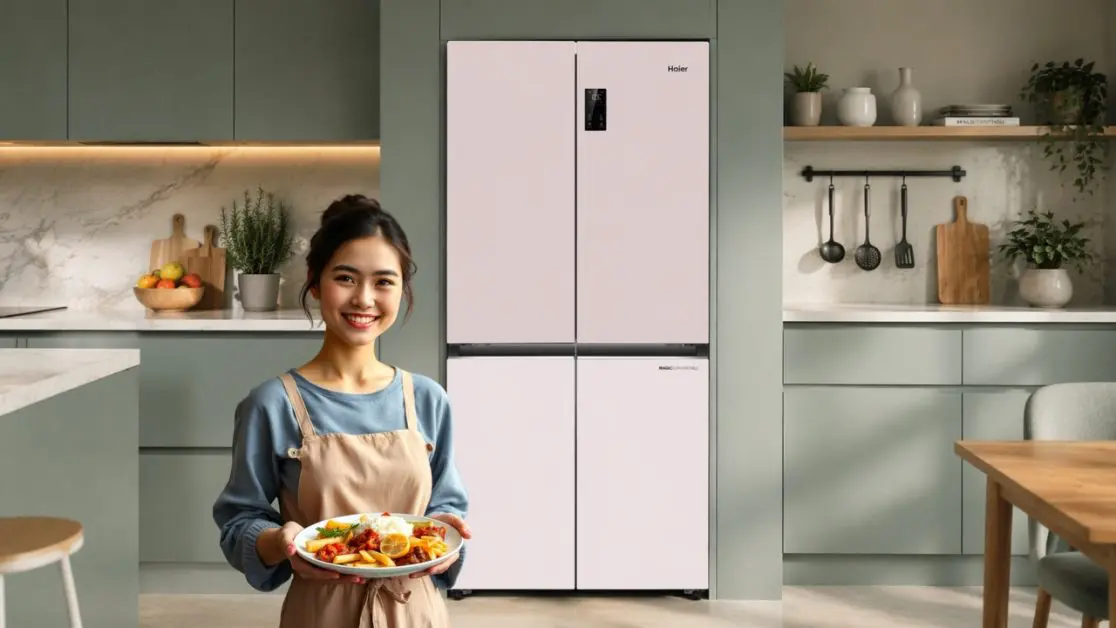
Here is the decision most households face.
Not spoken. But real.
Option A: Smaller fridge, lower cost
- Lower upfront investment
- Limited storage
- Frequent overload
Hidden cost
- Higher energy spikes
- Food wastage
Option B: Large basic fridge
- More storage
- Higher base consumption
- Limited efficiency
Hidden cost
- Energy inefficiency over time
Option C: Large intelligent refrigerator
- Optimized storage
- Adaptive cooling
- Controlled energy consumption
Hidden benefit
- Lower long-term cost
- Better lifestyle fit
The decision is not about size. It is about alignment with how you live.
A simple mental model to understand refrigerator energy use
Think of your refrigerator like a team.
Not a machine.
- The compressor is the worker
- The airflow system is coordination
- Your usage habits are management
If management is chaotic, even the best worker struggles.
If the system is smart, even a large setup runs efficiently.
Energy efficiency is not a feature. It is a system working in harmony.
So, should you worry about energy consumption in large refrigerators?
Yes. But not in the way most people do.
Do not worry about size.
Worry about:
- Technology
- Usage patterns
- System design
Because a poorly used small fridge wastes more energy than a well-managed large one.
The final insight: Bigger spaces demand better thinking
Indian homes are changing.
More storage. More variety. More flexibility.
Refrigerators are evolving to match that.
But the real shift is not in appliances.
It is in awareness.
The question is no longer “How big is your fridge?”
The better question is:
“How intelligently does your fridge use energy?”
Because in the end, efficiency is not about consuming less.
It is about wasting nothing.
Frequently Asked Questions
Should I choose a smaller fridge just to save electricity?
Not always. A smaller inefficient fridge that is overloaded may consume more energy than a larger smart fridge used properly.
I have a family that shops in bulk on weekends. Is a large fridge more practical?
Yes, especially if it has convertible storage or flexible zones that adjust based on usage.
How do I know whether a large fridge is worth the higher upfront price?
Compare long-term running cost, inverter technology, annual units consumed, and whether the storage matches your lifestyle.
Why does my bigger refrigerator feel more expensive even if the bill is not much higher?
Bigger appliances feel costly because we associate size with power use, but actual consumption depends more on efficiency systems.
Can a large inverter fridge consume less power than a smaller non-inverter fridge?
Yes. Inverter compressors reduce energy spikes by adjusting cooling speed instead of switching fully on and off repeatedly.
I do not always need a big freezer. Can a convertible fridge save energy?
Yes. Convertible zones can reduce unnecessary freezer cooling and adapt storage based on your weekly needs.
My food storage changes during festivals and family visits. Should I consider a convertible refrigerator?
Yes. A convertible model is useful when your fridge-to-freezer needs to change often.
Are smart sensors useful for energy saving?
Yes, when they help adjust cooling based on load, temperature, and usage patterns.
Do LED lights inside the fridge really matter for efficiency?
They help indirectly by improving visibility, reducing door-open time, and using less energy than older lighting.