
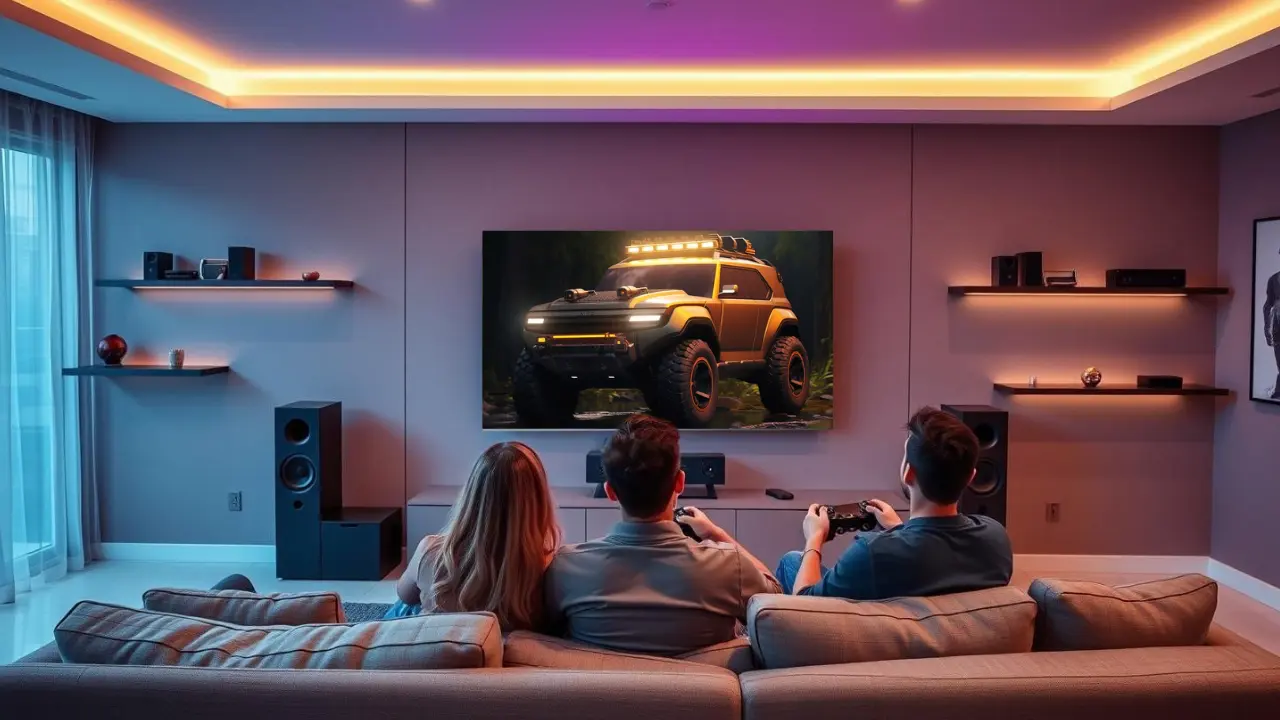

AI Picture technology uses real-time intelligence to analyse what is playing on your TV and automatically adjust brightness, contrast, colour, and motion for each scene.
Instead of one fixed picture setting, the screen adapts continuously so cricket looks sharp, movies feel cinematic, and everyday viewing stays easy on the eyes.
That is the short answer.
The longer story is more interesting.
Because picture quality is no longer about resolution alone. It is about judgement. And that judgement now happens inside the TV, scene by scene.
The everyday problem no one talks about

It is 9:15 pm.
Dinner is done. The lights are low. Someone switches on the TV.
The scene opens in a dimly lit stadium or a night-time movie shot. Faces look flat. Blacks turn grey. Motion feels jumpy. You start adjusting picture modes.
Cinema. Sports. Standard. Vivid.
Nothing feels right.
This is not a content problem.
It is a static screen problem.
Traditional TVs treat every scene the same. AI Pictures exist to fix that.
What AI Picture actually does, in plain English
AI Pictures work the way a good photographer does.
It looks first.
It decides second.
It adjusts the third.
In real time.
Behind the scenes, the TV analyses what is on screen using pattern recognition. It identifies whether the scene is dark or bright, fast or slow, animated or real, crowded or minimal.
Then it fine-tunes multiple picture elements at once.
- Brightness adapts to lighting and scene depth
- Contrast shifts to protect highlights and shadows
- Colours are balanced so skin tones stay natural
- Motion is smoothed without killing detail
The key difference is this.
AI Pictures react to the scene, not the setting.
Why static picture modes fail modern viewing
Picture modes were designed for simpler times.
One setting for movies.
One for sports.
One for everything else.
But real viewing does not behave that way anymore.
A single cricket match includes:
- Bright afternoon overs
- Dark floodlit shots
- Fast camera pans
- Slow-motion replays
A single OTT episode moves between indoor shadows, outdoor daylight, and fast action within minutes.
Static modes cannot keep up.
AI Pictures exist because content now changes faster than humans want to adjust settings.
The hidden system behind better picture quality
Good visuals are not about pushing everything brighter or sharper.
They are about balance.
AI Picture systems are trained to avoid common mistakes:
- Over-brightening dark scenes
- Crushing shadow details
- Oversaturating colours
- Introducing artificial motion
Instead, they aim for consistency.
The goal is not wow. The goal is comfort that lasts hours.
That matters more in real homes than in showrooms.
How AI Picture handles different types of content
Live sports
Sports expose weak TVs quickly.
Fast motion. Wide shots. Mixed lighting.
AI Picture detects high-speed movement and prioritises clarity. Motion handling improves so the ball stays visible and players do not blur during quick cuts.
In night matches, brightness and contrast adjust dynamically so jerseys and pitch lines stay defined.
This is especially noticeable during late-evening cricket sessions.
Movies and OTT shows
Movies are about mood.
AI Picture recognises cinematic content and protects shadow detail. Blacks stay deep without swallowing texture. Highlights do not blow out during bright scenes.
When combined with dynamic HDR formats, scene-by-scene adjustments preserve creative intent instead of flattening it.
Everyday TV and casual viewing
News, reality shows, and daily serials do not need drama. They need clarity.
AI Picture keeps faces natural, reduces visual noise, and maintains stable brightness so eyes do not fatigue during long sessions.
You stop thinking about the picture. Which is exactly the point.
AI Picture and ambient light awareness
Homes are not dark theatres.
Morning sunlight. Evening lamps. Festive lighting. Curtains half open.
Some advanced AI Picture systems factor in room brightness and adapt the screen accordingly. The same scene looks comfortable whether you watch it at noon or midnight.
This matters more than raw brightness numbers.
The best picture is the one that feels right in your room.
Where Mini LED and AI Picture intersect
AI Picture becomes more powerful when paired with advanced display hardware.
Mini LED panels, for example, allow precise control over light zones across the screen. When AI Picture analyses a scene, local dimming zones adjust independently instead of the entire screen reacting as one.
The result is better contrast, deeper blacks, and more detail in complex scenes.
This combination shows up clearly in products like the M90 Mini LED 165cm (55) Google TV, which uses Mini LED technology, local dimming zones, and AI-driven picture processing to adapt visuals scene by scene .
The important part is not the model name.
It is the system thinking behind it.
A quick breakdown of what AI Picture improves
- Scene-based brightness control
- Smarter contrast mapping
- Balanced colour reproduction
- Improved motion clarity
- Reduced eye strain over long viewing
Each adjustment is small.
Together, they change how the TV feels to live with.
What AI Picture is not
Let us clear the noise.
AI Picture is not:
- A gimmick filter
- A permanently over-sharp look
- A replacement for good content
- A reason to crank everything to max
Good AI Picture systems work quietly. You notice them most when you stop fiddling with settings.
Why this matters for Indian homes specifically
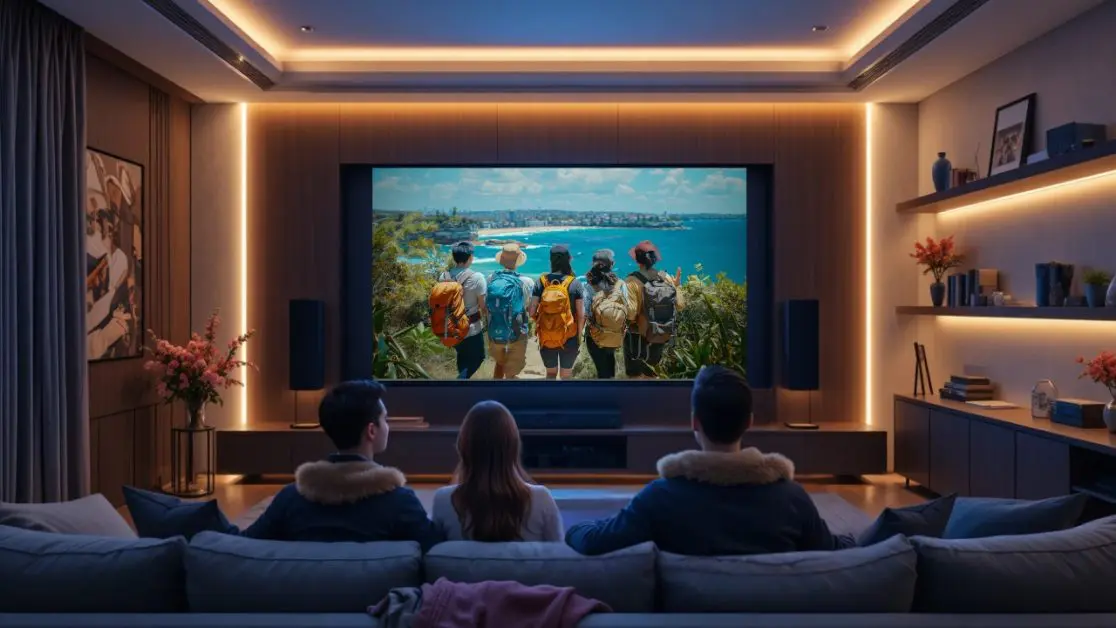
Indian homes are visually complex environments.
Multiple light sources. Shared spaces. Mixed viewing habits.
One person watches cartoons in the afternoon. Another watches the news at night. Weekend cricket stretches for hours. Festival lighting changes the room mood entirely.
AI Pictures thrive in this chaos.
Because it adapts without asking for attention.
That is real intelligence.
The cost-benefit reality
There is a trade-off with smarter picture systems.
- They require better processing hardware
- They work best with advanced panels
- They cost more than basic displays
But the benefit is long-term comfort.
Less eye strain.
Less adjustment fatigue.
More consistent viewing.
You pay once. You feel it every day.
The bigger pattern worth noticing
AI Pictures reflect a larger shift in technology.
We are moving away from control toward delegation.
Not because people want less choice.
Because they want fewer interruptions.
The best systems do their job without asking.
That is what good AI looks like in daily life.
What to remember
Resolution tells you how many pixels exist.
AI Pictures decide how those pixels behave.
One is a number.
The other is judgement.
And judgement is what makes technology feel human.
When a TV understands the scene better than you want to manage it, that is not automation.
That is respect for your time.
The final insight
The future of picture quality is not louder colours or brighter screens.
It is context awareness.
AI Pictures are not about showing off technology.
It is about removing friction from everyday viewing.
When the screen adapts quietly, consistently, and intelligently, you stop thinking about the TV.
And start enjoying what is on it.
That is the upgrade that actually matters.