


The monsoon doesn’t just drench streets. It drenches wardrobes.
Ask any Indian household what they dread in July and August, and you’ll hear the same story, piles of damp clothes that smell faintly mildew no matter how many times you wash them.
Jeans that take three days to dry. Bedsheets that hang limp across the balcony railing. Shirts that return to the cupboard with a mustiness you can’t quite shake.
Rain doesn’t just change the weather. It changes the way we do laundry.
Why monsoon laundry feels like a never-ending battle
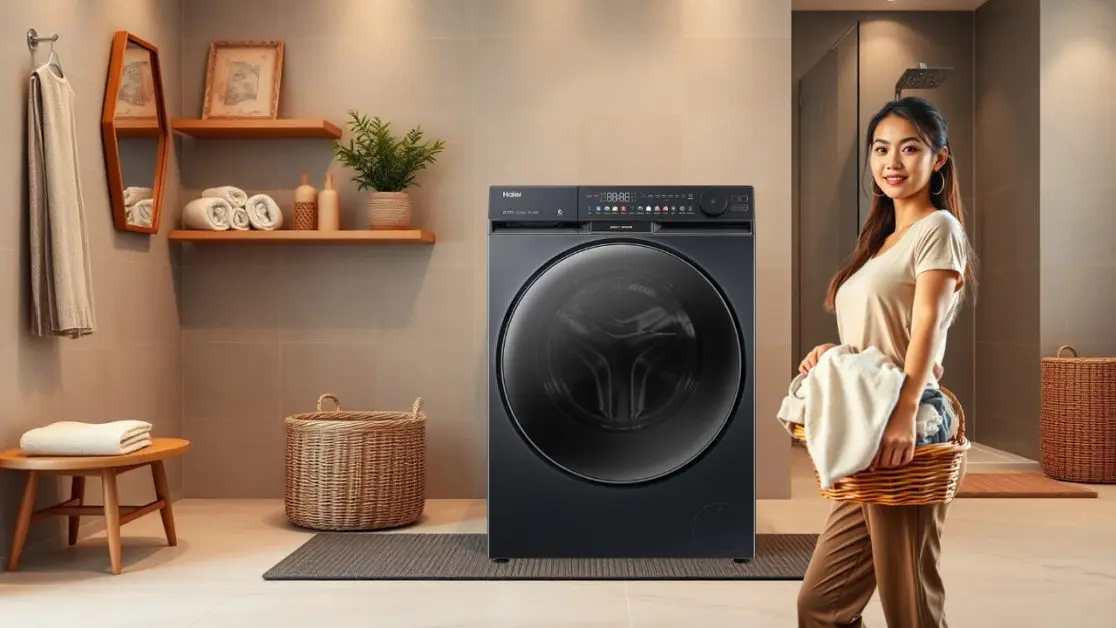
Think about the chain of events. Clothes take longer to dry because humidity keeps the air heavy. That dampness becomes a breeding ground for bacteria. Which means odors linger. Which means you end up rewashing the same load, wasting water, detergent, and patience.
And the story repeats. A vicious cycle of soak, spin, sniff, sigh.
For decades, the solution was manual: put clothes under the fan, add extra detergent, or wait endlessly for a sunny patch. But that doesn’t cut it for today’s homes where parents juggle office log-ins with school tiffins, bachelors run weekend wash marathons, and young couples want laundry done quickly so they can move on with life.
That’s where AI-driven wash cycles are quietly reshaping the monsoon routine.
AI cycles don’t just wash. They adapt.
Here’s the big shift: traditional machines treat every load the same. AI-powered machines don’t. They sense. They adjust. They learn.
Take Haier’s Direct Motion Motor technology. Instead of a noisy, jerky spin, it calibrates movement with precision, keeping vibrations low even when the drum is packed. That means delicate fabrics don’t stretch, and stubborn stains actually get targeted with the right intensity.
Then there’s the Refresh steam cycle. It doesn’t just wash, it revives. A gentle burst of steam reduces wrinkles and kills lingering bacteria, perfect for those shirts that smell of rain even after detergent. It’s like sending your clothes to a spa session between wears.
And when paired with the Hai Smart App, laundry stops being guesswork. You can schedule cycles for off-peak hours, adjust programs remotely, and get alerts the moment a wash is done. Which means no more “Oops, I forgot the clothes in the machine overnight” moments.
Monsoon laundry trends AI is solving right now

1. Odour control becomes non-negotiable
Musty smells used to be inevitable in the rains. AI steam cycles now actively tackle bacteria and odour molecules before they set in. Clothes come out smelling fresh, not damp.
2. Faster turnaround times matter more than ever
When jeans take 72 hours to dry on a balcony, households look for machines that spin stronger and smarter. With speeds up to 1400 RPM, Haier’s AI machines squeeze out excess water so drying racks don’t feel like permanent furniture.
3. Families want versatile programs
One day it’s muddy football jerseys, the next it’s delicate babywear. AI cycles recognise these differences. From Allergy Care modes for sensitive skin to Quick 15 cycles for last-minute laundry emergencies, the machine adjusts to the rhythm of real homes.
4. Quiet operation isn’t just a luxury
When everyone is working or studying from home during a downpour, a noisy spin cycle becomes disruptive. The whisper-quiet Direct Motion Motor ensures laundry can run in the background of family life.
What does this mean for Indian households?
The implications are bigger than clean shirts.
- Parents save hours that would have been spent re-washing or ironing out stubborn wrinkles.
- Young professionals can wash late at night without waking roommates or neighbours.
- Elderly households benefit from app-based controls that make laundry more accessible and less physically demanding.
- Students and bachelors finally get a solution that doesn’t require sun-drenched balconies for drying
In short: AI is turning laundry from a seasonal frustration into a year-round system of convenience.
The hidden system: why laundry is really about time

Here’s the truth. Laundry is rarely about washing clothes. It’s about managing time.
Every extra spin, every rewash, every damp shirt waiting to dry represents lost minutes. AI cycles give those minutes back. By sensing the exact load, adjusting water and energy consumption, and finishing cycles more efficiently, they transform laundry into a predictable, almost invisible task.
That’s the real victory. Not just cleaner clothes, but reclaimed hours.
Where Haier fits into this shift
Now, here’s where the brand story quietly comes in.
Haier’s Super Drum 525 isn’t just a bigger drum, it’s a system designed for Indian laundry realities. More space means fewer wash loads. Fewer wash loads mean less water, less power, and less hassle. Combine that with Direct Motion technology backed by a 20-year warranty, and you get durability that lasts longer than most monsoon cycles you’ll ever face.
The brand has also leaned into smart connectivity. The Hai Smart App isn’t a gimmick, it’s a real bridge between your lifestyle and your laundry, especially for households where time is split between office calls, school runs, and social plans.
Haier isn’t pitching a machine. It’s reimagining how Indian households handle the seasonal rhythm of dampness, humidity, and time poverty.
A personal moment that captures it
Last month in Mumbai, I visited a friend’s place during peak monsoon. On her balcony, three shirts hung limply on a line, all smelling faintly of rain. But inside her living room, a fresh stack of baby clothes sat folded washed in a Haier front-load with the Baby Care program. She laughed and said, “At least one person in this house doesn’t smell like the monsoon right now.”
That’s the contrast AI wash cycles are creating. They don’t control the weather. But they control what the weather does to your clothes.
So what’s the bigger story?
The monsoon will always drench Indian cities. Clothes will always pick up dampness. But the way we respond is changing.
One option is to keep doing things the old way, rewash, hang clothes endlessly, and hope for a patch of sun.
The second option is to invest in technology that adapts AI wash cycles that anticipate and correct, even when humidity doesn’t cooperate.
The third, and most radical, is to see laundry not as a burden but as a solved system, something that hums quietly in the background while life goes on.
That’s the path Haier is pointing to. A path where technology doesn’t just clean clothes. It clears space in your day.
Final thought
Rain teaches us patience. But AI teaches us efficiency.
And in a season where everything feels slower, traffic, trains, drying racks, it’s refreshing to know at least one thing can move faster, the way your clothes come out of the wash.
Because the monsoon shouldn’t smell like mildew. It should smell like chai, pakoras, and fresh beginnings.