
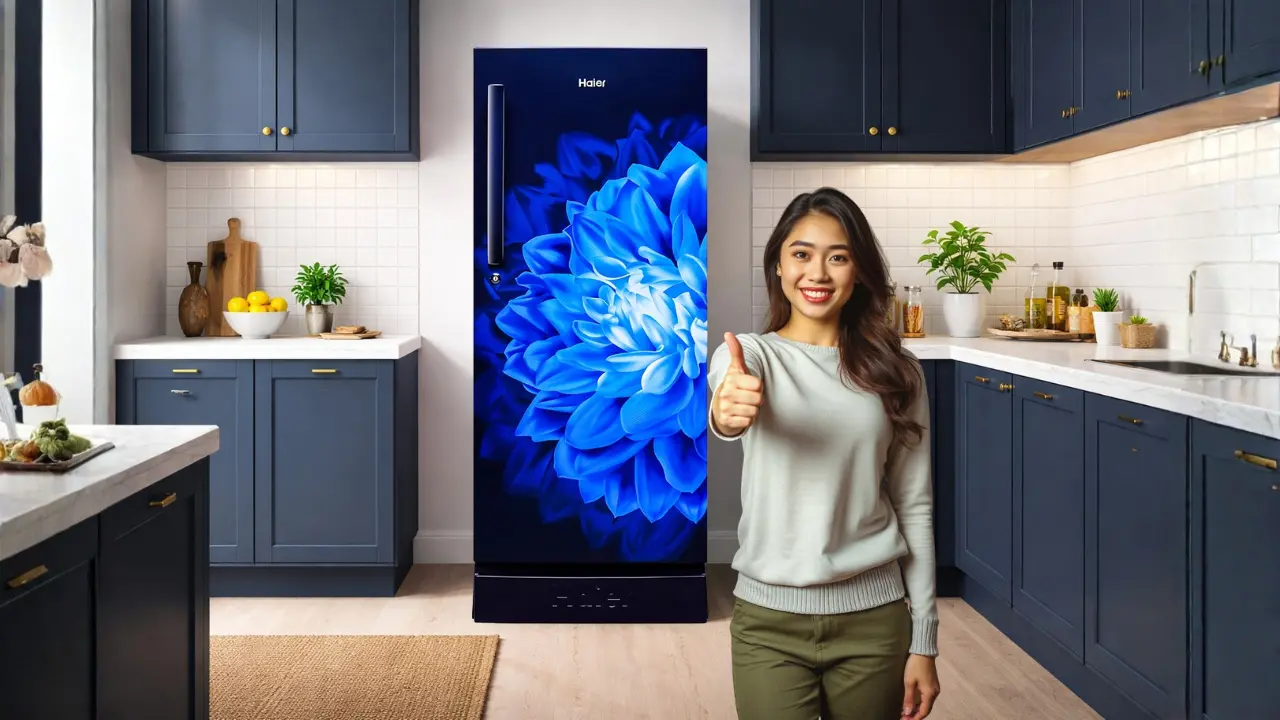

Official endorsement of efficiency signifies your device adheres to confirmed energy benchmarks, cutting down on power use whilst preserving functionality. In India, marks such as the BEE Star Label assist families in spotting gear that conserves energy, decreases recurring expenses, and offers dependable operation long term.
Effectiveness, put simply, is more than just promotion.
It’s quantified.
Substantiated.
Accredited.
And once the state validates it, it transforms into a source of confidence within your dwelling.
Why do efficiency labels matter more than most people realize?
Step inside any Indian electronics shop.
You’ll find fridges, AC units, washers, and TVs all displayed in an orderly fashion. Many boast an attractive appearance. Numerous claim cutting-edge features.
However, a tiny sticker discreetly unveils the true narrative.
The star rating from the Bureau of Energy Efficiency (BEE).
It’s simple to miss. Nevertheless, it imparts vital knowledge.
The amount of power your device will silently use daily.
And electricity isn’t merely a figure on a statement.
It influences the overall expenditure of maintaining a household.
As stated by India’s Bureau of Energy Efficiency, units with superior star ratings can notably lower power usage compared to those with fewer stars. Over the appliance’s lifespan, that variation grows significant.
A fridge operates continuously, around the clock.
This makes its efficiency paramount.
The Hidden System Behind Government Efficiency Ratings
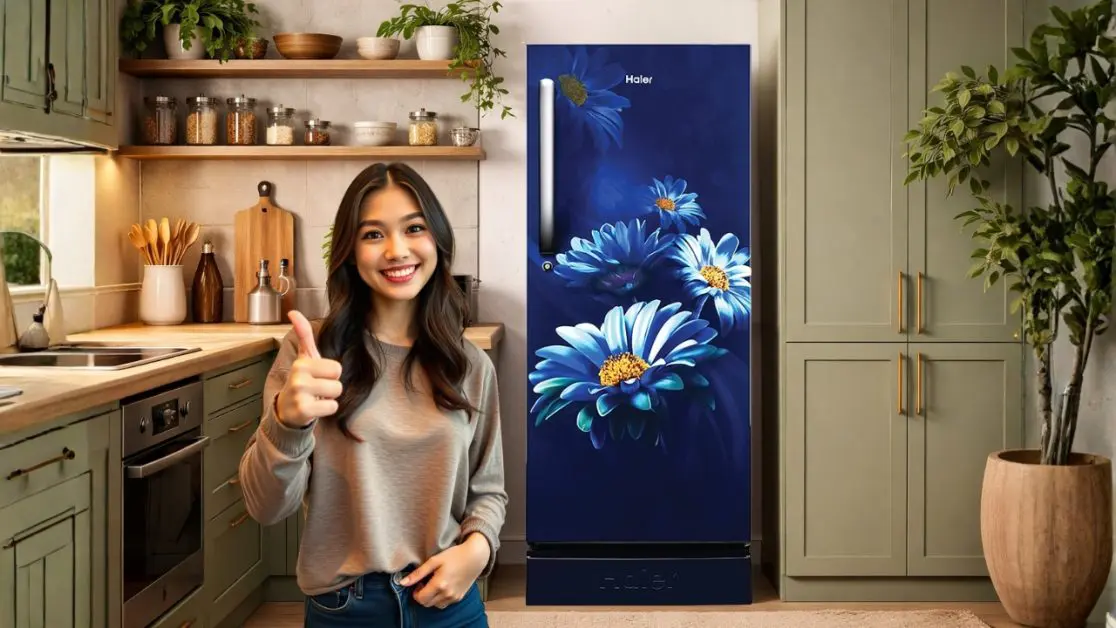
Behind that small sticker sits a testing ecosystem involving laboratories, performance benchmarks, and standardized comparisons.
Most individuals perceive star ratings as straightforward.
That’s inaccurate.
Concealed behind that little label is an assessment framework encompassing testing facilities, performance metrics, and uniform evaluations.
The BEE star rating mechanism assesses devices according to their power usage in relation to their capability and output.
Greater star counts signify:
Reduced power usage
Superior compressor performance
Enhanced insulation and cooling mechanisms
Savings on household expenses over time
The underlying principle is uncomplicated.
Energy effectiveness is more than sound engineering; it represents conscientious design.
Since every unit of energy conserved in a dwelling lessens the burden on the broader electrical network.
When numerous households opt for efficiency, the cumulative effect multiplies.
What a 5-Star Refrigerator Actually Means
Consider the example of a 5-star rated refrigerator.
On paper, the difference between a 3-star and a 5-star refrigerator may appear small. In real homes, the difference shows up every month.
Let us simplify.
| Feature | Lower Star Appliance | 5-Star Appliance |
| Electricity usage | Higher | Lower |
| Monthly power cost | Higher | Lower |
| Environmental impact | Higher energy demand | Reduced energy demand |
| Long-term savings | Limited | Significant |
The refrigerator never sleeps.
So even a small efficiency gain becomes meaningful.
Over five or ten years, households often save thousands of rupees simply because the appliance runs smarter.
Efficiency quietly pays for itself.
Real Homes, Real Scenarios
Think about a typical Indian household.
Morning begins with opening the refrigerator for milk, fruit, or leftover sabzi from the previous night. Kids pack lunch boxes. Parents prepare breakfast.
By evening, the refrigerator holds groceries, chilled water, vegetables, and dessert waiting for dinner.
It runs non-stop.
That is why modern designs increasingly focus on efficiency alongside usability.
Consider appliances such as the Haier 190 L 5 Star Marine Blossom Single Door Refrigerator (HRD-2105PMBA-P).
This type of fridge blends economical energy consumption with functionalities intended for daily living. The unit offers rapid ice production, durable tempered glass shelving, and direct operation without an external stabilizer, safeguarding the machine during power instability.
Every characteristic addresses an actual need.
Not hypothetical.
Tangible.
Efficiency Is Not Just About Electricity

Many people assume energy efficiency is only about reducing electricity.
That is only one part of the story.
True efficiency involves three layers.
1. Energy Efficiency
Lower electricity consumption reduces monthly bills and long-term operating costs.
2. System Efficiency
Modern compressors and cooling systems maintain temperature stability with minimal energy waste.
For example, some refrigerators use heavy-duty compressors that deliver fast cooling while improving durability and long-term performance.
3. Lifestyle Efficiency
This is the one people feel every day.
Faster ice when guests arrive.
Consistent cooling during summer.
Storage that adapts to Indian cooking habits.
When appliances align with daily routines, efficiency becomes visible.
Why Indian Homes Value Stabilizer-Free Appliances
India’s power conditions are not uniform.
Voltage fluctuations are common in many regions.
Traditionally, households solved this by adding a stabilizer.
Today, many refrigerators are designed to operate without one.
Stabilizer-free operation protects the appliance from voltage fluctuations while eliminating the need for additional equipment.
It is a small design choice.
But it reflects an important idea.
Efficiency includes simplicity.
Fewer add-ons.
Less maintenance.
More reliability.
Three Smart Ways Indian Households Choose Efficient Appliances
Efficiency-driven decisions often follow three simple patterns.
Option One: Choose the Lowest Purchase Price
The benefit is obvious.
Lower upfront cost.
But there is a hidden trade-off.
Higher electricity bills over time.
Option Two: Choose a Mid-Range Appliance
This balances affordability with moderate efficiency.
Many households choose this option because it feels safe.
Option Three: Choose High Efficiency
Higher star ratings often cost slightly more upfront.
But they reduce long-term electricity consumption.
The math becomes simple.
| Choice | Upfront Cost | Long-Term Energy Cost |
| Budget model | Low | High |
| Mid-range | Medium | Medium |
| High-efficiency model | Slightly higher | Lower |
Short-term savings often become long-term expenses.
Efficiency flips that equation.
How Efficient Refrigerators Fit Into Modern Indian Kitchens

Kitchen design in India is changing.
Apartments are getting smarter.
Urban homes are becoming more compact.
Young families prefer appliances that combine form and function.
Modern refrigerators now support everyday routines through thoughtful features such as:
- Toughened glass shelves designed to hold heavy utensils common in Indian cooking
- Vegetable compartments that maintain freshness longer
- Base drawers for additional storage of root vegetables
- Inverter-compatible operation during power cuts
These are not luxury features.
They reflect how Indian homes actually function.
A refrigerator that adapts to daily cooking patterns becomes more than an appliance.
It becomes infrastructure.
The Environmental Side of Efficiency
Energy-efficient appliances also influence something larger.
The national energy footprint.
India’s growing cities consume enormous electricity every day. Appliances that use less power help slow that demand.
The International Energy Agency estimates that energy efficiency improvements in appliances are one of the most effective ways to reduce electricity demand globally.
For households, the benefit is financial.
For cities, the benefit is sustainability.
For the grid, the benefit is stability.
Efficiency quietly supports all three.
The Small Label That Shapes Big Decisions
It is easy to underestimate the value of a government-certified efficiency label.
After all, it is just a sticker.
But behind that sticker lies a system designed to protect consumers.
Testing laboratories.
Standardized measurements.
Performance benchmarks.
All of it ensures that when an appliance claims efficiency, the claim is real.
And in a world full of marketing promises, verified performance matters.
What Smart Buyers Look For Today
When people shop for appliances today, the questions have changed.
It is no longer just about size or color.
Buyers increasingly ask:
- What is the star rating?
- How much electricity will this use every year?
- Does it work during voltage fluctuations?
- Will it last through Indian summers?
Efficiency answers many of these questions in one signal.
The rating.
Simple.
Visible.
The government verified.
The Quiet Power of Well-Designed Appliances
The best appliances rarely demand attention.
They simply work.
The refrigerator keeps vegetables fresh.
The AC cools the room quietly.
The washing machine adapts cycles automatically.
And in the background, efficiency ensures these systems run intelligently.
Less energy.
Lower costs.
Better performance.
That is the quiet power of thoughtful design.
A Simple Insight Most Homes Eventually Discover
Every appliance purchase carries two prices.
The price you pay in the store.
And the price you pay every month afterward.
Energy efficiency shifts that second number.
Sometimes dramatically.
Which leads to a simple insight many households eventually learn:
The smartest appliance is not always the cheapest one.
It is the one that costs the least to live with.
And when that efficiency carries a government seal, it becomes something you can truly count on.
Because good design saves energy.
Great design saves time, money, and effort for years.
Frequently Asked Questions
I’m overwhelmed in the store. How do I quickly choose between so many refrigerators?
Start with the Bureau of Energy Efficiency (BEE) star label. It simplifies decision-making instantly. Ignore flashy features for a moment, compare star ratings first, then narrow down based on size and price.
Is it really worth paying more for a 5-star fridge, or am I overthinking it?
You’re not overthinking it’s a long-term financial decision. A 5-star fridge costs more upfront but saves electricity every month. Over 5–10 years, those savings often outweigh the initial price difference.
I’m on a budget should I compromise on efficiency or features?
If you must choose, compromise on features, not efficiency. Features are convenience; efficiency affects your bills every single month.
Why is my electricity bill so high even though I don’t use many appliances?
Appliances like refrigerators run 24/7. Even small inefficiencies add up. A low-rated fridge silently consumes more power every day, increasing your bill without you noticing.
How much difference does a star rating actually make in monthly bills?
It may seem small monthly, but over time it becomes significant. A higher-rated appliance uses less power daily, and since fridges never turn off, the savings accumulate continuously.
What does ‘stabilizer-free operation’ actually mean for me?
It means your fridge can handle voltage fluctuations without needing an external stabilizer. This reduces extra cost, clutter, and maintenance.
Are features like toughened glass shelves or fast ice really useful?
Yes, these reflect real Indian usage. Heavy utensils, frequent guests, and daily cooking all benefit from such features.
What features should I actually care about in daily life?
Focus on:
Energy efficiency (star rating)
Stabilizer-free operation
Storage suited to Indian cooking
Consistent cooling