
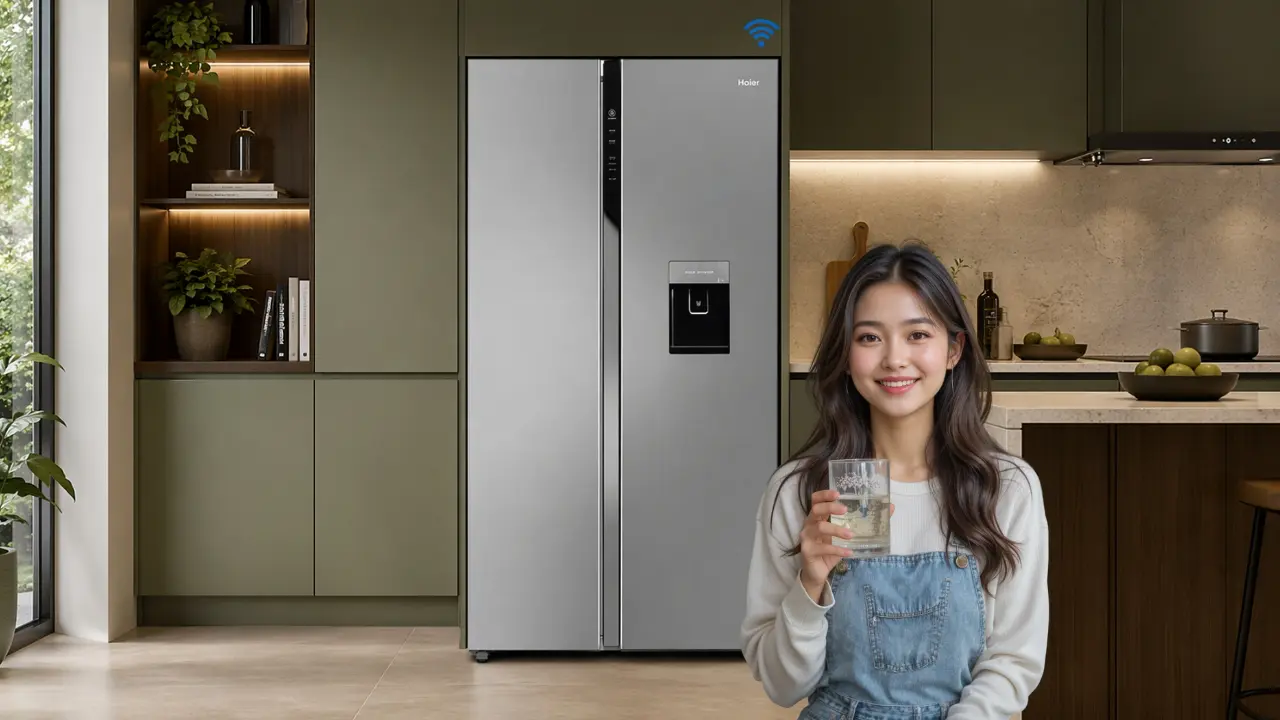

BPA-free water dispensers protect your family from harmful chemical exposure while ensuring safe, clean, and convenient hydration every day.
They reduce health risks linked to plastic toxins, improve water taste, and support better long-term wellness, especially for children and elderly family members.
Why does the water you drink every day deserve more attention?
Walk into a typical Indian kitchen at 8 am.
Someone fills a steel bottle before leaving for work.
A child grabs water between online classes.
Tea is brewing. Breakfast is halfway done.
Water flows through all of it.
And yet, most families never question how safe that water container actually is.
Not the purifier. Not the source.
The container.
That is where the hidden system lives.
What exactly is BPA, and why should families care?
BPA or Bisphenol A is a chemical used in manufacturing certain plastics.
It is not visible. Not detectable by taste. Not something you notice.
But it interacts with your body.
The problem is simple
- BPA can leach into water, especially when exposed to heat
- It mimics hormones like estrogen inside the body
- Long-term exposure links to health concerns like hormonal imbalance and metabolic issues
The reality in Indian homes
- Water bottles sit in cars during summer
- Dispensers stand near kitchen heat
- Plastic containers get reused for years
This creates a slow, invisible exposure cycle.
Health risks rarely arrive loudly. They accumulate quietly.
Why BPA-free water dispensers change the equation
A BPA-free water dispenser removes this risk at the source.
No leaching. No chemical interaction. No compromise.
Just water.
Clean, safe, and predictable.
And that changes how families experience hydration.
Benefit 1: Protecting long-term family health
Safety is not about today. It is about repetition.
You do not drink water once a week.
You drink it multiple times a day. Every day. For years.
What BPA-free ensures
- No harmful chemical transfer into drinking water
- Safer hydration for children, whose bodies are more sensitive
- Reduced long-term exposure to endocrine disruptors
Why this matters more in India
- High temperatures increase chemical leaching risks
- Frequent reuse of containers amplifies exposure
- Families often store water for extended hours
According to global health studies, BPA exposure is linked to increased risks of:
- Hormonal disruptions
- Obesity and metabolic disorders
- Reproductive health concerns
So the shift is not small.
It is foundational.
Benefit 2: Better taste and purity of water
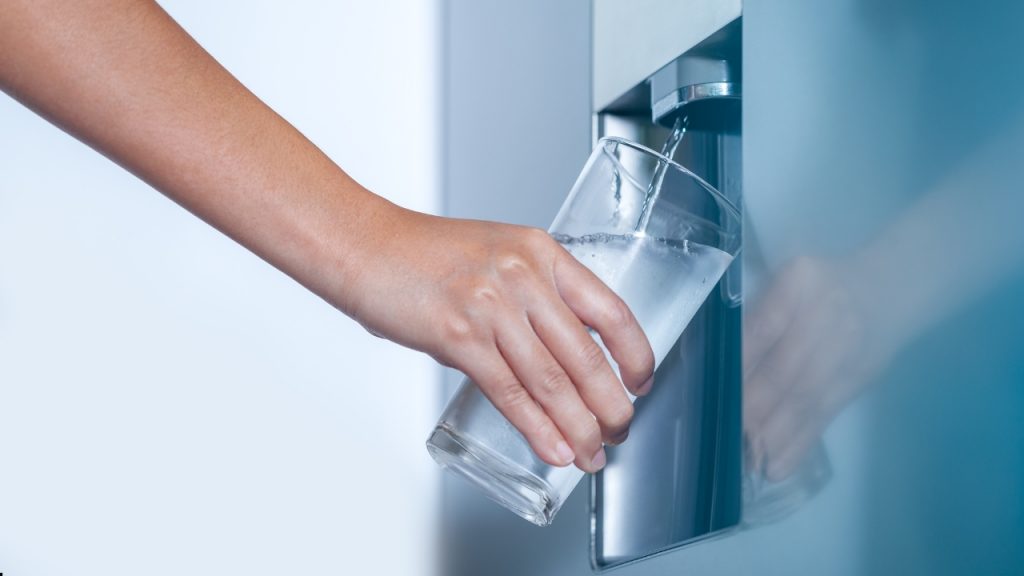
Water should taste like nothing. That is the goal.
But plastic contamination changes that.
Slightly. Subtly. Over time.
What improves with BPA-free materials
- No plastic aftertaste
- No odour transfer
- Cleaner, fresher drinking experience
This becomes especially noticeable:
- During summer hydration
- In cold water storage
- When serving guests
A simple insight:
When water tastes better, people drink more of it.
And that directly improves hydration habits.
Benefit 3: Safer hydration for children and elderly
Different family members have different vulnerabilities.
Children. Elderly. Pregnant women.
Their bodies respond differently to chemical exposure.
Why BPA-free dispensers matter here
- Children consume more water relative to body weight
- Elderly individuals often have reduced metabolic resilience
- Even low-level exposure can have cumulative effects
The hidden system
One unsafe source affects the entire household.
One safe choice protects everyone.
Benefit 4: Convenience without compromise
Most people assume safety comes with inconvenience.
It does not have to.
Modern BPA-free water dispensers integrate safety with usability.
Take the example of smart refrigerator systems.
Products like
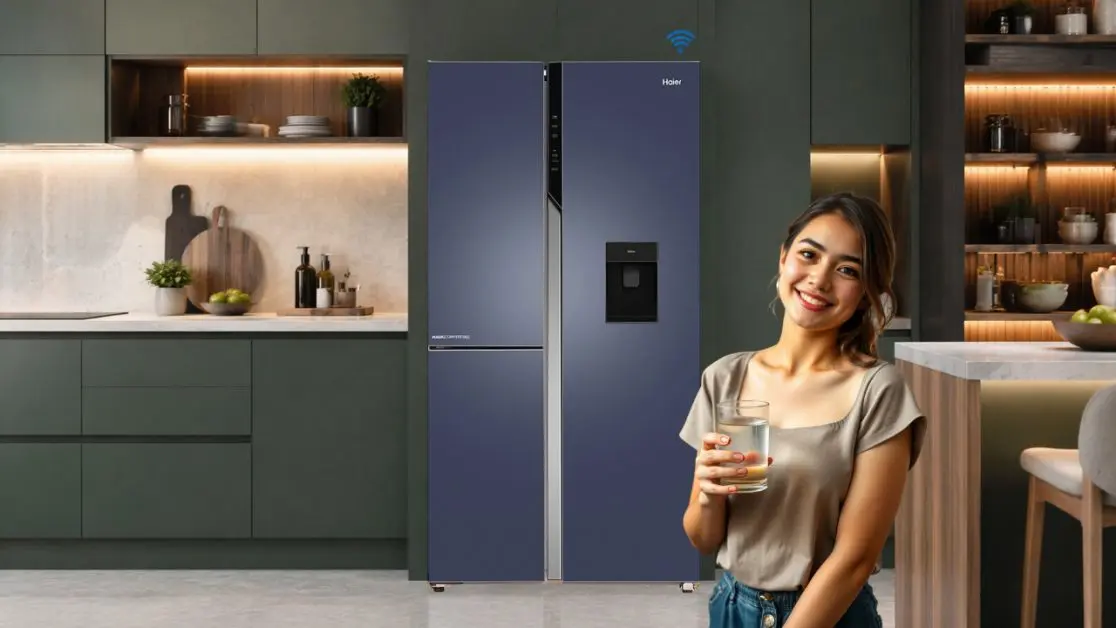
Haier 592L Graphite Black 3 Door Smart Convertible Refrigerator (HRT-683WGKU1)
feature an in-built BPA-free water dispenser that allows easy access to safe drinking water
What this changes
- No need to open the fridge repeatedly
- Instant access to clean water
- Reduced contamination risk from handling bottles
Another example:
Haier 596L Regal Steel 2 Door Smart Convertible SBS Refrigerator (HRS-682WRSU1)
offers a 2.5-litre BPA-free inbuilt water dispenser for everyday convenience
This is not just a feature.
It is a system.
Benefit 5: Reduced dependency on plastic bottles
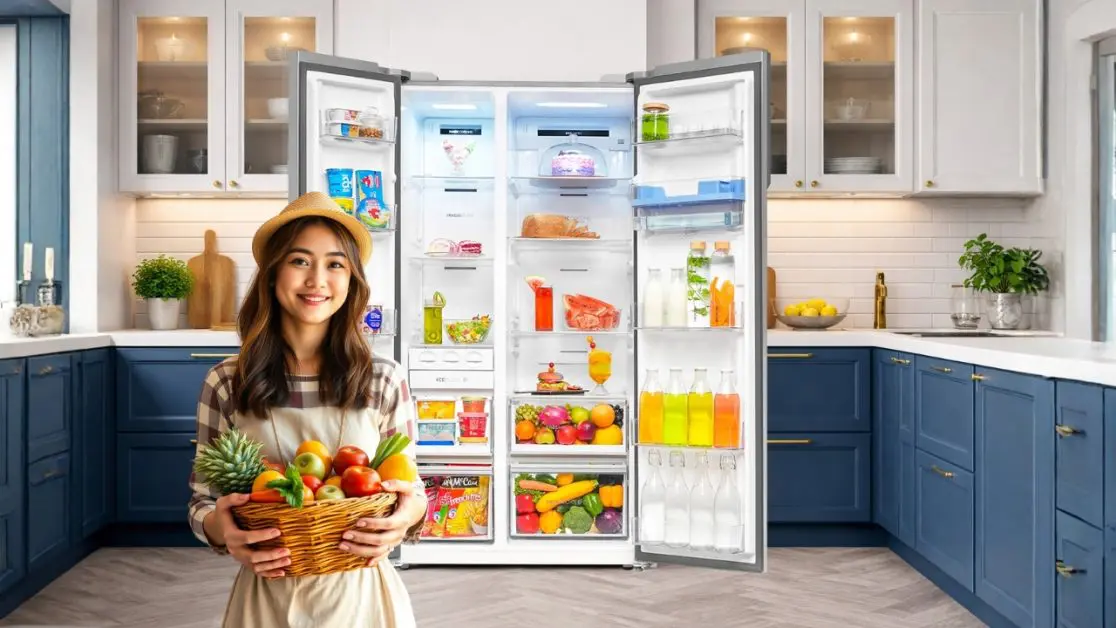
Look around your home.
How many plastic bottles are in daily rotation?
- Gym bottles
- Office carry bottles
- Fridge bottles
- Travel bottles
Now multiply that by years.
The shift BPA-free dispensers enable
- Less reliance on multiple plastic containers
- Centralised, safer water access
- Reduced plastic usage inside the home
Cost vs benefit
| Factor | Traditional Plastic Bottles | BPA-Free Dispenser |
| Health Risk | Higher | Minimal |
| Maintenance | Frequent cleaning | Low |
| Taste Quality | Can degrade | Consistent |
| Environmental Impact | High | Lower |
The system simplifies itself.
Benefit 6: Hygiene and reduced contamination
Every time you touch a bottle, you introduce variables.
Hands. Surfaces. Air.
Now imagine a shared family setup.
Where contamination happens
- Bottle caps placed on kitchen counters
- Refilled without proper washing
- Stored open inside refrigerators
What BPA-free dispensers improve
- Controlled water flow
- Minimal contact dispensing
- Better hygiene management
Some advanced systems even combine:
- Anti-bacterial interiors
- Odour control technologies
- Smart monitoring
For instance, Haier’s refrigerators integrate hygiene-focused features alongside dispensing systems, ensuring cleaner storage environments overall
How to choose the right BPA-free water dispenser
Not all solutions are equal.
The decision depends on your lifestyle.
One option is standalone dispensers
- Affordable
- Easy to install
- Requires separate space
The second option is integrated systems
- Built into refrigerators
- Space-saving
- More convenient for daily use
The third option is smart-enabled appliances
- App-based monitoring
- Water usage tracking
- Energy-efficient operations
Quick checklist before buying
- Confirm BPA-free certification
- Check capacity based on family size
- Look for hygiene features
- Evaluate ease of cleaning
- Consider energy efficiency
What most people misunderstand about “safe water”
They focus only on purification.
RO. UV. Filters.
But forget the final step.
Storage.
Dispensing.
That is where water either stays safe or gets compromised.
Purification cleans water. Storage protects it.
Both matter equally.
The bigger picture: small decisions, long-term impact
A BPA-free water dispenser does not feel like a big upgrade.
It sits quietly.
It does its job.
But over time, it changes three things:
- Your family’s exposure to harmful chemicals
- Your daily hydration habits
- Your home’s overall health ecosystem
And that is the pattern most people miss.
The insight worth remembering
The safest systems are the ones you do not have to think about every day.
When safety becomes automatic, consistency follows.
And when consistency improves, health outcomes change.
So what should you do next?
Look at your current setup.
Not the purifier.
The container. The dispenser. The daily habit.
Then ask a simple question:
Is your water just clean… or truly safe?
Because the difference lives in the details.
And those details define how modern Indian homes actually feel to live in.
If you are building a smarter, more thoughtful home, start with what your family uses the most.
Water.
Everything else follows.
Frequently Asked Questions
I already use an RO purifier. Do I still need to worry about BPA in my water dispenser?
Yes. Purifiers clean the water source, but BPA risk comes from storage and dispensing. If your container contains BPA, it can still leach chemicals into purified water.
I’m trying to decide are BPA-free dispensers actually worth the cost for my family?
If you consider long-term exposure, especially in Indian heat conditions, BPA-free systems reduce health risks significantly. It’s less about luxury and more about preventive health.
I feel like this is overthinking people who have used plastic bottles for years. Why change now?
The issue isn’t immediate harm, it’s cumulative exposure. Daily use over years increases risk quietly, especially with heat and reuse.
I refill the same plastic bottles daily. How risky is that really?
Repeated use increases wear and chemical leaching risk, especially if bottles are exposed to heat or not cleaned properly.
I leave water bottles open in the fridge sometimes. Is that a problem?
Yes, open storage increases contamination risk from air, food odours, and bacteria. BPA-free dispensers reduce this by offering controlled dispensing.
My family shares the same water bottles. Should I be concerned about hygiene?
Shared handling increases contamination points. A dispenser minimizes touch and improves hygiene consistency.
Are BPA-free dispensers only standalone units, or can they be part of smart appliances?
Both exist. Many modern refrigerators now include BPA-free inbuilt dispensers for convenience and hygiene.
I’m considering a smart fridge. How does a BPA-free dispenser improve daily life?
It reduces fridge door opening, improves access speed, and maintains consistent hygiene.
Can smart dispensers help track water usage or improve habits?
Advanced systems can include monitoring features, encouraging better hydration routines.
I want my kitchen to be “system-driven” rather than habit-dependent. Does this fit that goal?
Yes. BPA-free dispensers create a default-safe system, removing the need for constant manual decisions.