
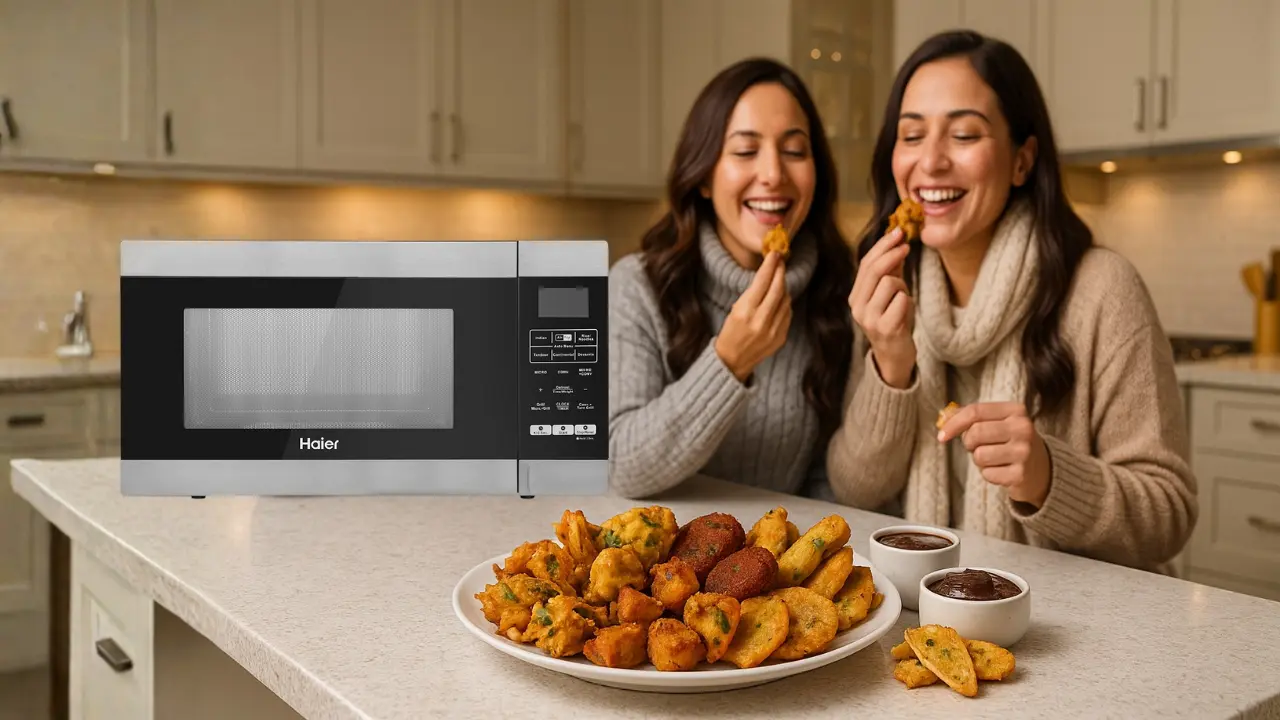

As winter winds down, Indian kitchens naturally move towards lighter, less oily food. The shift feels easier because appetites change, temperatures rise, and routines speed up.
With the right cooking systems in place, especially convection microwaves designed for oil free cooking, reducing oil becomes effortless rather than forced.
When winter ends, the kitchen changes first.
There is always a quiet moment when you notice it.
The ghee bottle stays unopened for days. The kadai feels heavier than necessary. Leftovers from last night feel richer than you remember.
This is not discipline at work.
It is seasonality.
Winter cooking exists to warm, insulate, and slow things down. Oil, butter, and long cooking times make sense when evenings are cold and bodies crave density. As the weather shifts, the body asks for something lighter.
Indian homes respond instinctively.
Sabzis become quicker. Snacks feel better roasted than fried. Meals stop needing that final spoon of oil to feel complete.
The desire to cook with less oil arrives naturally.
The challenge is execution.
Less oil cooking fails when it relies on willpower
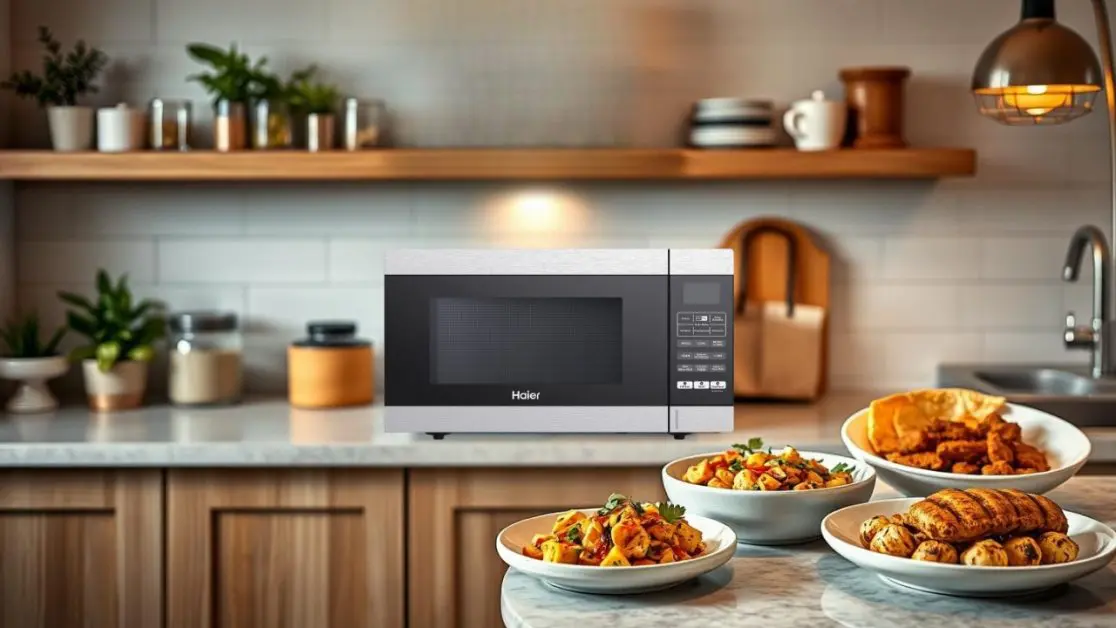
Most people approach oil reduction as a rule.
Use less oil. Control portions. Avoid frying.
That approach rarely sticks.
Because oil is not just flavour. It is insurance.
Oil prevents food from sticking. It helps heat spread evenly. It delivers crispness fast. When those functions disappear, frustration sets in.
So oil returns.
The smarter approach is not to fight oil.
It is to replace what oil does.
That is where systems matter more than intentions.
The real shift is from recipes to cooking systems
Modern Indian kitchens are not changing recipes dramatically.
They are changing how heat behaves.
Better heat circulation reduces the need for oil. Faster cooking reduces panic additions. Even browning eliminates the need to keep adjusting.
This is why less oil cooking feels easier now than it did even five years ago.
Technology has caught up with lifestyle.
Convection cooking, grill modes, and air frying functions quietly solve the problems oil used to solve.
When the system improves, habits follow without effort.
Why the end of winter makes oil reduction easier
Timing is not accidental.
As winter ends:
- Digestion improves
- Outdoor movement increases
- Fresh vegetables release more moisture
- Heavy textures feel excessive
Food does not need oil to feel comforting anymore.
A lightly roasted paneer tastes better than a deep-fried one. A baked snack feels crisp without the heaviness that lingers afterward.
Seasonal alignment does half the work.
The kitchen only needs tools that support it.
The three paths Indian households take to reduce oil

Every household experiments differently. Most fall into one of three approaches.
One option is eating less
Same cooking style. Smaller portions.
- Easy to start
- Familiar flavours
- Limited long-term impact
Oil usage stays unchanged.
The second option is swapping ingredients
Switching oils. Reducing butter. Using alternatives.
- Feels healthier
- Minimal disruption
- Partial benefit
Quantity often remains high.
The third option is changing the cooking method
This is where oil reduction actually lasts.
- Frying becomes roasting
- Deep oil becomes surface brushing
- Heat comes from air circulation
Oil use drops because it is no longer required.
This is the option gaining momentum in modern Indian homes.
How convection microwaves make less oil cooking practical
A convection microwave does not ask you to learn new recipes.
It changes physics.
Hot air circulates evenly. Food cooks from all sides. Moisture stays inside while the surface crisps naturally.
This means:
- Paneer browns without soaking oil
- Cutlets crisp with a light brush
- Frozen snacks cook evenly without deep frying
The Haier 20L Convection Microwave with Mirror Glass Design, model HIL2001CSSH, is built around this principle of oil free cooking, where better heat control replaces excess oil .
Less oil is not a mode you switch on.
It is a result you notice after cooking.
Speed and oil are directly connected
This is rarely discussed.
Long cooking times increase oil usage.
People add oil to prevent burning. To speed browning. To compensate for uneven heat.
When cooking becomes faster, oil naturally reduces.
Combination cooking solves this. Using microwave energy along with convection or grill modes can reduce cooking time by up to 30 percent depending on the dish .
Less time means:
- Less oil as protection
- Fewer adjustments
- Less overcompensation
Efficiency becomes health.
What less oil cooking looks like in everyday Indian meals
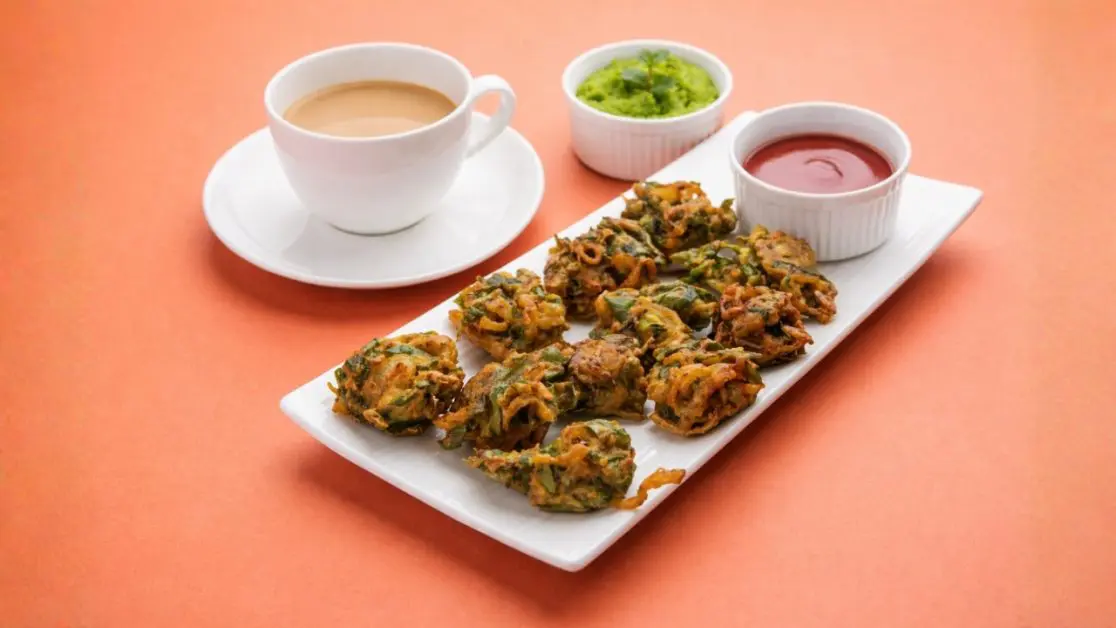
This only works if it fits real homes.
Evening snacks
Winter favourites like pakoras and samosas slowly give way to roasted chaat, baked samosas, and air-fried aloo tikkis.
The Haier 25L Convection Microwave Oven with Bread Basket, model HIL2501CBSH, supports this transition with oil free cooking features and preset menus that make crisp textures easy without deep frying .
Weeknight dinners
Rich gravies are replaced by stir-style sabzis, grilled paneer, and vegetable bakes.
Oil is replaced by moisture retention and even heat distribution.
Breakfast routines
Heavy parathas become lighter stuffed rotis or toasted breads.
Bread-specific functions and auto menus ensure consistency without constant monitoring.
Consistency is what makes habits stick.
Oil reduction also changes the kitchen environment
This benefit shows up quietly.
Less oil means:
- Cleaner countertops
- Fewer lingering smells
- Less residue on cabinets
Features like deodoriser functions remove vapours immediately after cooking, keeping the microwave cavity fresh and reducing long-term buildup .
A cleaner kitchen encourages better habits.
A greasy one invites shortcuts.
Capacity plays a bigger role than most people think
Crowded trays force oil use.
When food overlaps, it steams instead of crisps. Oil is added to compensate.
Larger capacity appliances allow spacing. Spacing allows airflow. Airflow creates texture without oil.
The Haier 30L Convection Microwave with In-Built Air Fryer, model HIL3001ARSB, is designed for families and batch cooking, offering dedicated air fryer menus and accessories that support low oil cooking at scale .
More space is not about cooking more.
It is about cooking better.
Why memory and presets matter for oil reduction
The hardest part of healthier cooking is repetition.
One day goes well. The next day settings change. Oil creeps back in.
Memory functions and auto cook menus remove this friction.
When power levels, time, and modes are preset, food cooks the same way each time.
Decision fatigue disappears.
Oil stays low without conscious effort.
Systems remember when people get tired.
The quiet shift in taste that follows
After a few weeks of less oil cooking, something interesting happens.
Deep-fried food starts tasting flat. Not indulgent. Just heavy.
Spices feel sharper. Vegetables taste fresher. Meals feel lighter.
This shift is subtle but permanent.
Once the palate adjusts, returning feels unnecessary.
That is when change locks in.
What this says about modern Indian homes
Reducing oil as winter ends is not a trend.
It reflects how homes are evolving.
- Faster routines
- Smaller families
- Health awareness without obsession
- Kitchens designed for flow
Appliances that adapt to these realities earn trust.
They do not demand discipline.
They quietly remove friction.
The pattern worth remembering
Every lasting lifestyle change follows the same rule.
Willpower fades. Systems stay.
Cooking less oil food as winter ends is not a resolution.
It is a seasonal realignment supported by better timing, better tools, and better systems.
When the kitchen works with you, not against you, healthier choices become the default.
And once that happens, going back feels unnecessary.
Frequently Asked Questions
Why do I end up using more oil when cooking takes longer?
Longer cooking increases anxiety. Oil gets added to stop sticking, push browning, or compensate for uneven heat. Faster cooking naturally lowers oil usage.
How does faster cooking actually reduce oil, not just time?
Speed removes the need for “protective oil.” When food browns evenly and quickly, you don’t overcompensate. Efficiency quietly becomes health.
Is combining cooking modes really better than traditional methods?
Yes. Using microwave energy with convection or grill reduces overall cooking time (often ~30%). Less time = less oil, fewer corrections, better consistency.
Do I need to change my recipes to cook with less oil?
No. Modern kitchens aren’t changing recipes, they’re changing how heat behaves. Better heat circulation replaces the role oil used to play.
Why does convection cooking make oil-free cooking easier?
Because hot air circulates evenly, cooking food from all sides. Moisture stays inside while the surface crisps naturally without soaking oil.
Why do presets and memory functions matter for oil reduction?
Because repetition is hard. When time, power, and modes are saved, results stay consistent. Decision fatigue disappears, and oil doesn’t creep back in on tired days.
Why does my kitchen feel cleaner when I cook with less oil?
Less oil means fewer vapors, less residue on cabinets, and fewer lingering smells. A cleaner kitchen encourages better habits without effort.
Does appliance size actually affect oil usage?
Yes. Crowded trays force steaming instead of crisping, which leads to added oil. More space allows airflow, and airflow creates texture without oil.