


When the air turns hazy, the kitchen becomes more than just a place to cook, it becomes a space for repair.
Because what you eat can either burden your lungs or help them recover.
Start with this: Food can be your first air purifier
Here’s the simple truth: your lungs are constantly fighting invisible invaders. Fine particulate matter (PM2.5) from Delhi’s polluted air seeps into the bloodstream, creating oxidative stress.
Anti-inflammatory foods rich in antioxidants and omega-3s can actually support better respiratory function.
That means your next meal matters.
1. Whole Grains, The Fiber That Filters

Think oats for breakfast, brown rice with dinner, or quinoa in a warm salad.
Whole grains are packed with dietary fibre and phenolic compounds, both of which help reduce systemic inflammation, giving your lungs a gentler environment to function in.
Why does this matter?
- Inflammation of lung tissue impairs gas-exchange and makes you more vulnerable to air pollutants.
- Studies show that whole-grain intake is significantly associated with lowered circulating levels of markers like CRP and IL-6.
- Mechanistically, the fibre and phytochemicals in whole grains may modulate gut microbiota and dampen inflammatory signalling.
Try this:
Replace refined grains (white rice, white bread) with brown rice, oats, or quinoa. Example: air-fried quinoa patties (using your microwave/air fryer). It’s a small swap, but a big impact.
2. Fatty Fish, The Omega-3 Advantage
If you eat fish, reach for salmon, mackerel or sardines. The omega-3 fatty acids (EPA, DHA) they deliver are strong anti-inflammatory agents, and there’s growing evidence they support lung health.
Evidence highlights:
- A large NIH-supported longitudinal study found higher blood levels of omega-3s associated with slower lung function decline.
- In cellular and animal models, omega-3s suppressed pro-inflammatory cytokines in alveolar epithelial cells.
- In children exposed to air pollution, each additional 0.1 g of omega-3 in the diet correlated with 3-4 % lower odds of daytime asthma symptoms even with the same pollution exposure.
Why does it help when AQI is poor?
Airborne particulates (PM₂.₅) trigger oxidative stress and inflammation deep in the lungs, omega-3s can help reduce that inflammatory response, protecting lung tissues and preserving function.
Try this:
Grill or air-fry salmon/mackerel with minimal oil (or use an air-fryer/microwave combo to avoid indoor smoke). Aim for 2-3 servings per week if possible.
3. Leafy Greens, The Detox Engine

Spinach, kale, bok choy: they aren’t just for salads. These greens are rich in carotenoids, magnesium, folate and vitamin C, nutrients that support oxygen transport, endothelial health and lung tissue repair.
Mechanism:
- Greens supply antioxidants which help neutralise reactive oxygen species (ROS) generated by particulate exposure.
- They provide nitrate precursors (in leafy veggies) which can support vascular and pulmonary blood flow.
- A diet rich in greens correlates with better lung-function parameters in observational studies (though less directly studied than omega-3s).
Try this:
Use your microwave/air-fryer combo’s steam or multi-power setting: lightly “steam” spinach or kale with a bit of garlic and olive-oil drizzle to preserve nutrients and avoid burnt/charred vegetables (which generate indoor pollutants).
4. Berries & Colourful Fruits, Antioxidants in Action
From blueberries to pears, these colourful fruits act like your lungs’ cell-cleaning crew. They’re rich in anthocyanins and flavonoids, plant compounds shown to protect cells from oxidative stress.
Why does this matter?
- In high-pollution environments, lung epithelial cells face repeated oxidative attack from inhaled pollutants and the systemic inflammation they induce.
- Fruit polyphenols help quench those free-radicals and reduce downstream inflammation.
- Rather than sugary desserts (which can increase pro-inflammatory load), switch to a berry-rich version.
Try this:
Make a warm berry crumble using air-fryer/microwave “auto-cook” dessert settings, you get a sweet finish but with antioxidant power.
5. Nuts & Seeds, Tiny But Mighty
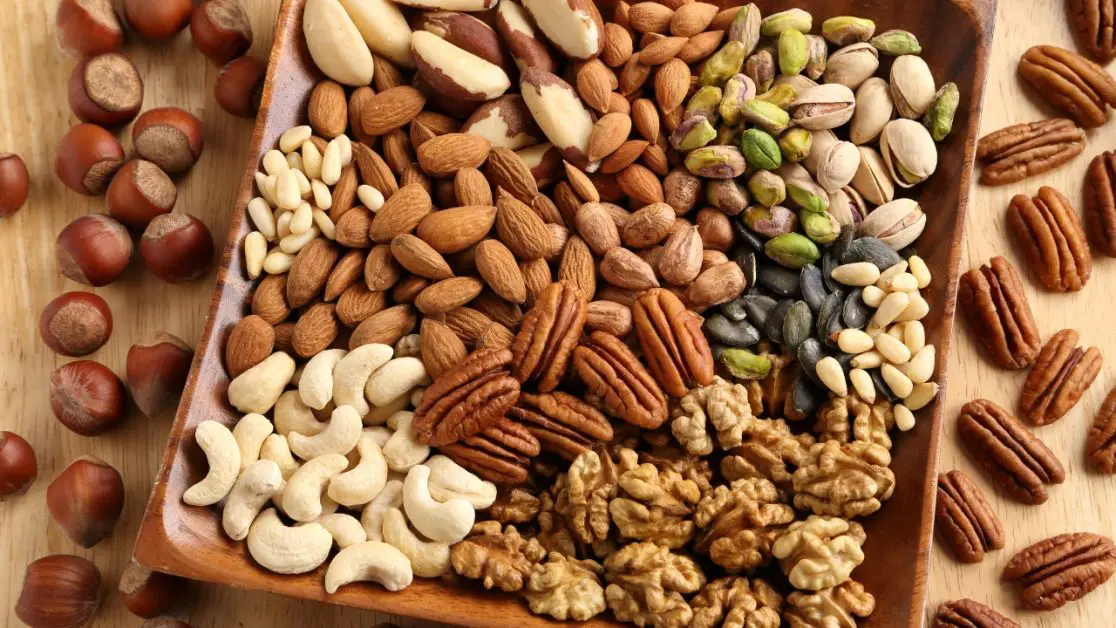
Walnuts, flaxseeds, chia seeds, these might look small, but they pack anti-inflammatory fats (alpha-linolenic acid, or ALA) and beneficial micronutrients like magnesium and selenium.
Evidence:
- Higher cereal-fibre (incl. from seeds and grains) intake associates with lower inflammation markers in cohort studies.
- While direct trials on nuts/seeds for lung function are fewer, the anti-inflammatory and antioxidant milieu they create is theoretically protective in polluted-air environments.
Try this:
- Sprinkle ground flaxseed or chia onto your morning smoothie or oats.
- Toast walnuts lightly in your air-fryer/microwave set to “dry roast”, you lock in crunch without oil-smoke, and avoid indoor air pollution from pan-frying.
6. Olive Oil & Healthy Fats, The Unsung Protectors
Healthy monounsaturated fats (like extra virgin olive oil) do more than help cholesterol, they enhance your body’s antioxidant capacity and improve endothelial and lung-tissue resilience.
Why does this matter?
- Pollution-exposed lungs endure oxidative and inflammatory stress; healthy fats help repair membranes, support antioxidant enzymes, and reduce lipotoxic damage.
- Avoid deep-frying indoors (which releases particulate matter), instead use methods that minimise smoke and indoor air pollutants.
Try this:
- Drizzle extra-virgin olive oil on air-fried or microwave-fried veggies rather than deep-frying.
- Use the crisp/air-fry function of your microwave appliance to minimise indoor smoke and particles.
7. Citrus Fruits, Your Vitamin C Shield

When the skyline turns grey and the AQI surges, vitamin C becomes one of your defensive nutrients. Oranges, lemons, kinnows help your immune system, support collagen synthesis (important for lung tissue integrity) and replenish antioxidant reserves.
Mechanism:
- Vitamin C is a major aqueous-phase antioxidant; in the lung lining fluid it helps neutralise ROS from inhaled pollutants.
- It supports immune defence, important because pollution weakens respiratory immunity, making infections more likely.
Try this:
Warm a mug of lemon-honey water in your microwave (30 seconds) before heading out, hydrating, soothing your throat, and supporting your immune-lung axis.
8. Cruciferous Vegetables, The Natural “De-Polluters”
Broccoli, cauliflower, Brussels sprouts – they’re full of sulphoraphane, indole-3-carbinol and other phytonutrients that support detoxification pathways and lung tissue repair.
Why does this matter?
- Inhaled particulates (PM₂.₅) can trigger chronic inflammation, fibrosis and reduced lung-function over time.
- Some compounds in crucifers up-regulate phase-II detoxification enzymes (e.g., glutathione S-transferases) which help clear toxins and may blunt pollutant damage.
Try this:
Use your microwave/air-fryer’s grilling or crisp-plate accessory: lightly grill broccoli/cauliflower with olive oil until golden (avoid charring) and pair with dal or quinoa, fulfilling protein + detox combo.
9. Legumes & Beans, The Muscle Builders for Lungs
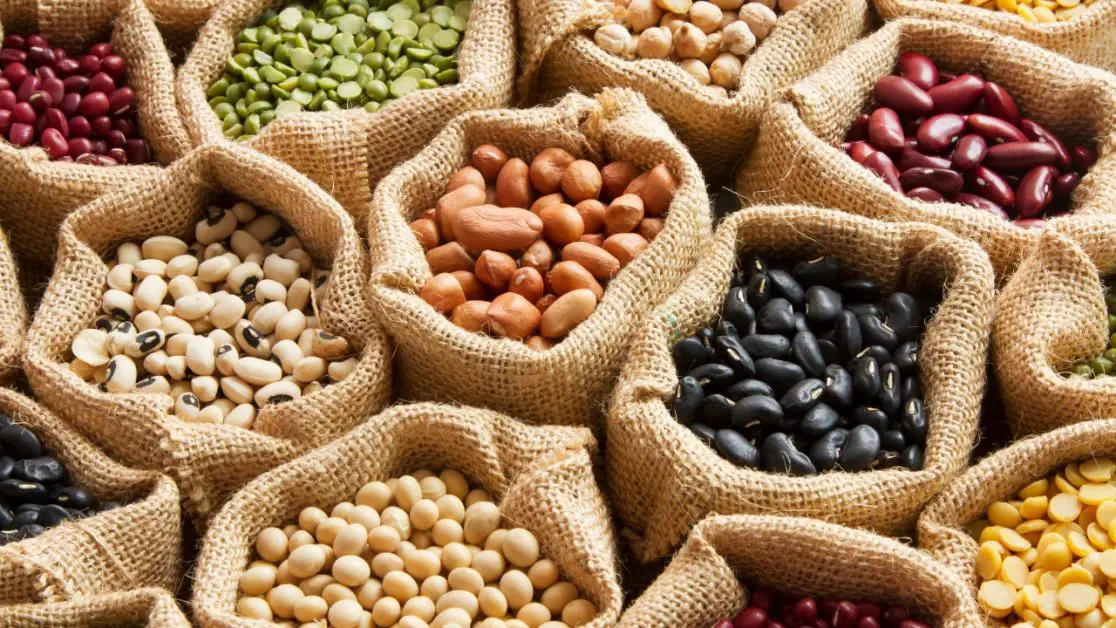
Your lungs rely not only on clean air, but on strong respiratory muscles to expand, contract and effectively exchange gases. Lentils, beans and peas provide the protein and fibre needed to nourish those muscles, and support overall systemic health.
Why does this matter?
- Chronic exposure to air pollution is linked with reduced lung-function (lower FEV₁ and FVC) even in non-smokers.
- Ensuring good nutritional status (adequate protein, micronutrients) supports repair and resilience of lung tissue and muscle.
Try this:
Soak lentils or beans overnight, cook them (dal/beans) and finish with an air-fried tempering (mustard seeds, cumin) using your microwave/air-fryer combo. The convenience helps when outdoor air is poor and the kitchen becomes your safe-zone.
Bringing It All Together
When the AQI hits ‘Very Poor’ in Delhi, your kitchen can be a sanctuary rather than a source of further burden.
By focusing on:
- anti-inflammatory nutrients,
- antioxidants,
- minimal indoor-smoke cooking methods (air-fryer, microwave-grill, crisp-plate),
you’re not just eating to satiate, you’re eating to support your lungs.
Key Take-Home Points
- Fine particulate PM₂.₅ has been shown to penetrate deep into the lungs, create oxidative stress, trigger inflammation and reduce lung-function over time.
- You can’t fully avoid polluted air, but you can optimise your diet so your body is better equipped to handle it.
- Eating whole grains, fatty fish, leafy greens, berries, nuts/seeds, citrus fruits, cruciferous vegetables, legumes and healthy fats supports lung health by lowering inflammation, improving antioxidant status and repairing tissue.
- In bad-AQI days, avoid indoor cooking methods that generate smoke (deep-frying, char-grilling), instead use appliances/methods that minimise indoor particulate generation.
Here’s A Quick Comparison: Foods That Help Your Lungs During High AQI
| Food Group | Key Nutrients | Respiratory Benefit |
| Whole Grains (Oats, Brown Rice, Quinoa) | Fiber, Vitamin B, Antioxidants | Reduces systemic inflammation, supports lung function |
| Fatty Fish (Salmon, Mackerel, Sardines) | Omega-3 (EPA, DHA) | Lowers airway inflammation, slows lung decline |
| Leafy Greens (Spinach, Kale, Bok Choy) | Carotenoids, Folate, Magnesium | Improves oxygen flow, reduces oxidative stress |
| Berries & Colourful Fruits | Anthocyanins, Flavonoids, Vitamin C | Protects cells from oxidative stress, improves immunity |
| Nuts & Seeds (Walnuts, Flax, Chia) | ALA, Magnesium, Selenium | Reduces inflammation and oxidative stress |
| Olive Oil & Healthy Fats | MUFAs, Polyphenols | Enhances antioxidant defence, reduces inflammation |
| Citrus Fruits (Orange, Lemon, Kinnow) | Vitamin C, Bioflavonoids | Strengthens immune system, reduces airway irritation |
| Cruciferous Vegetables (Broccoli, Cauliflower) | Sulforaphane, Vitamin K, Folate | Enhances detox enzymes, reduces pollutant damage |
| Legumes & Beans (Lentils, Chickpeas) | Protein, Iron, Zinc | Strengthens respiratory muscles, supports tissue repair |
Smart cooking is clean breathing
Indoor air quality is often overlooked. Frying, over-heating oil, or charring foods can release fine particles and irritants.
By switching to appliances designed for precision like Haier’s 30 L Convection Microwave with In-Built Air Fryer you cut down indoor pollution while gaining healthier meals.
It’s a small but powerful shift. You’re not just cooking; you’re caring for your lungs.
A final thought
Delhi’s air may be out of your control. But what goes on your plate isn’t.
Every choice of oats over maida, air-fried fish over deep-fried snacks, citrus water over colas adds up to a quiet kind of protection.
Because wellness isn’t about grand rituals. It’s about small, daily choices that make breathing feel a little easier.
And when your kitchen is powered by smart tools like Haier, those choices become second nature healthier, cleaner, and effortlessly modern.