
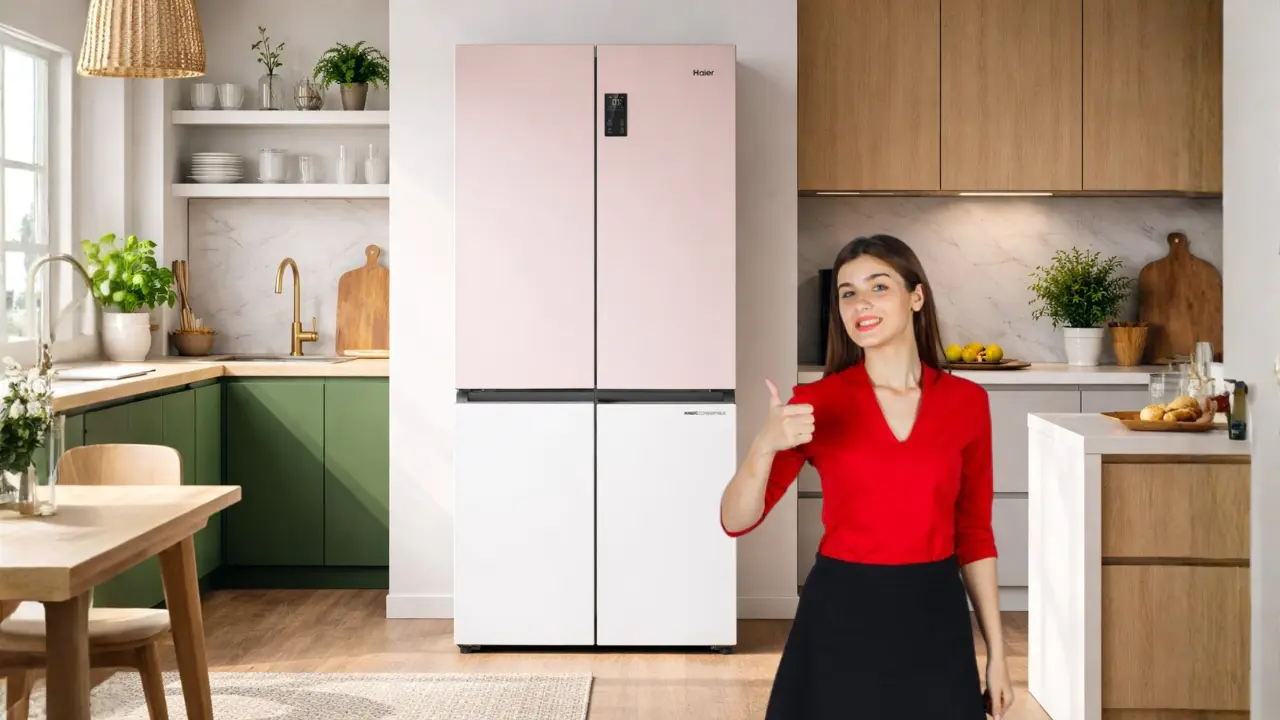

Design-first innovation means these appliances should look refined, feel intuitive, and perform consistently, even on the most chaotic days. In today’s Indian homes, beauty and performance are no longer trade-offs. They are expectations.
The new standard is simple.
If it looks good, it must work harder.
If it works hard, it must still look good years later.
That is the philosophy shaping modern appliances, and it is exactly where Haier’s design thinking stands today.
Why does design now start before engineering?
Step into a contemporary Indian kitchen.
It is open.
It is visible.
It is social.
Appliances are no longer hidden behind doors. They sit confidently in shared spaces, becoming part of how a home feels.
This shift changes everything.
Design is no longer about surface appeal. It is about how an appliance behaves when life gets busy. When groceries pile up. When guests arrive unexpectedly. When summer pushes cooling systems to their limits.
If design cannot survive real life, it is not good design.
The false choice Indian homes were forced to make
For years, households were pushed into picking one priority.
One option was visual appeal.
The second option was raw performance.
The third option was long-term reliability.
Rarely did a product respect all three.
Stylish appliances often compromise on capacity. Performance-driven ones ignored ergonomics. Reliable ones looked outdated within a few years.
But Indian homes do not operate in neat categories.
They are dynamic systems.
Multi-generational families.
Seasonal cooking spikes.
Limited space with expanding needs.
Design-first innovation works only when it understands this system as a whole.
What design-first performance looks like in daily use
Consider a regular weekday evening.
You open the refrigerator after work.
Vegetables are stacked.
Milk bottles are full.
Leftovers from lunch wait to be reheated.
Now notice what good design changes at this moment.
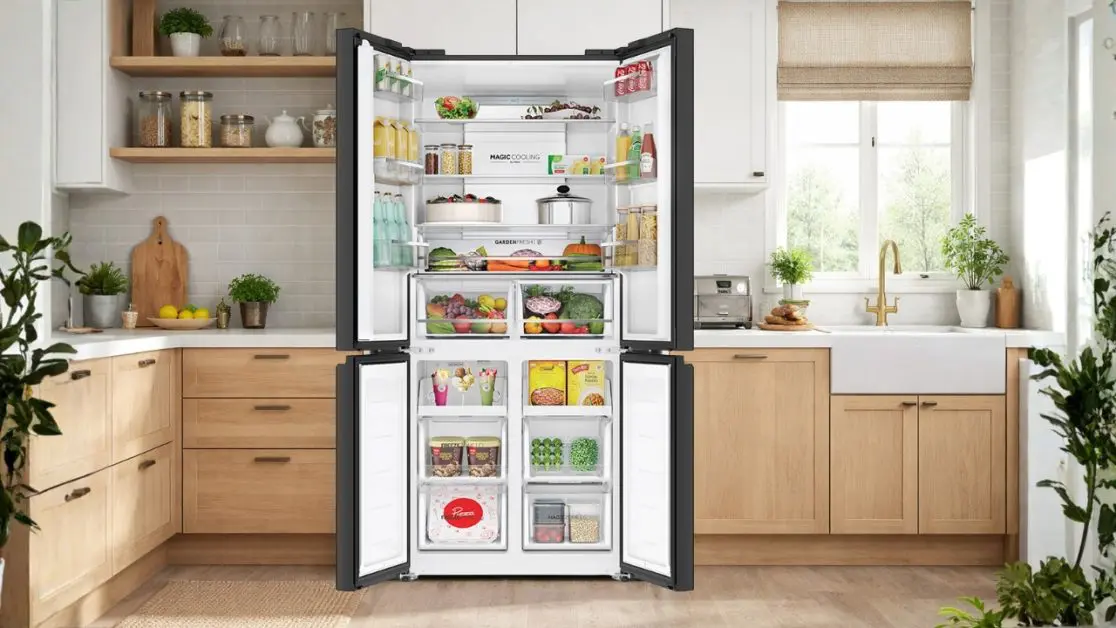
- Doors open without blocking movement.
- Bottles stay stable, even when the fridge is packed.
- Light reaches every corner, reducing search time.
- Only one section opens, so cold air stays where it should.
This is where design directly protects performance.
In the Haier Lumiere 520L 4-Door Convertible Refrigerator, available in Mauve Pink, Pearl White, and Rosette White, the four-door architecture is not a visual choice alone. It reduces air loss every time the fridge is opened, helping maintain stable temperatures while easing compressor load.
Design here becomes an efficiency multiplier, not an ornament.
When flexibility becomes the strongest performance feature
Indian households change their usage patterns constantly.
Festive seasons demand more fridge space.
Summers increase beverage storage.
Bulk shopping changes freezer requirements.
Rigid appliances struggle here.
Design-first innovation anticipates change instead of resisting it.
With convertible fridge space, the Lumiere series allows users to convert sections based on real needs rather than fixed assumptions. More fridge space during parties. More freezer space during long storage cycles.
Performance improves when products adapt instead of forcing habits.
Design that respects how Indians actually store food
Indian kitchens are heavy-duty environments.
Large steel utensils.
Tall oil bottles.
Pressure cookers.
Flat containers stacked carefully.
Design-first thinking respects this reality.
- Toughened glass shelves handle heavier loads.
- Anti-tipping door racks prevent spills.
- Wide drawers accommodate flat dishes.
- Zoned storage reduces overcrowding stress.
These are not premium extras.
They are performance safeguards.
The Lumiere models integrate 95-degree anti-tipping door racks and spill-proof shelving that support real Indian storage behaviour without constant rearranging.
Good design removes the need for caution.
Energy efficiency designed into behaviour
Most people associate energy saving with effort.
Lower temperatures.
Manual checks.
Constant reminders.
But effort does not scale.
Design-first efficiency works quietly in the background.
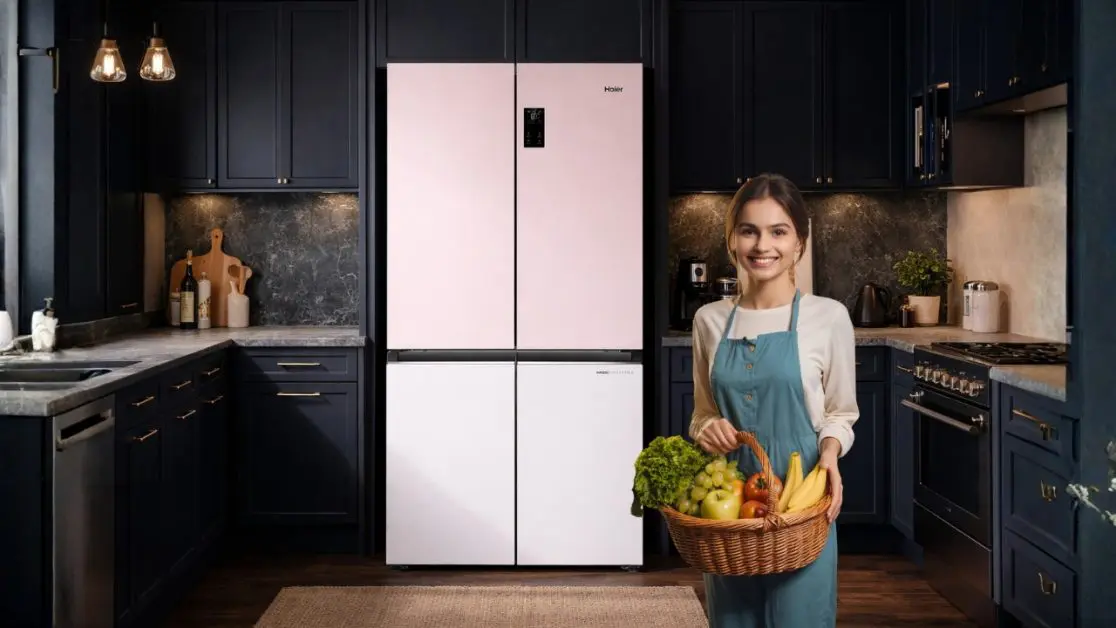
- Multi-door layouts reduce cold air escape.
- Inverter compressors adjust power smoothly.
- Surround cooling distributes temperature evenly.
- Insulation quality reduces overcompensation.
The result is steady cooling without power spikes.
The Triple Inverter technology in the Lumiere range maintains precise internal temperatures, reducing long-term energy consumption while protecting the compressor from unnecessary strain.
The best energy-saving feature is the one you never think about.
Freshness as a design outcome, not a promise
Freshness depends on more than cold air.
It depends on airflow.
Moisture control.
Odour management.
Visibility.
Design-first refrigeration treats freshness as a system.
- Deo Fresh technology absorbs odours.
- Separate zones reduce cross-contamination.
- Sun-lit interiors improve visibility.
- Even cooling prevents premature spoilage.
Less food waste follows naturally.
Performance here shows up as confidence. You trust what you stored. You waste less. You shop smarter.
Why refined design actually reduces long-term cost
Premium design often feels expensive upfront.
But cost is not just the purchase price.
Option one is a basic appliance with limited adaptability. Lower upfront cost. Higher energy usage. Earlier replacement.
Option two is a design-first appliance built for changing needs. Slightly higher initial investment. Lower bills. Longer lifespan.
Option three is constant upgrading because nothing fits evolving lifestyles. Highest total cost.
Design-first innovation wins because it reduces hidden expenses.
Fewer repairs.
Lower electricity bills.
Reduced food wastage.
Higher resale value.
Performance is measured over years, not months.
Aesthetic restraint as a performance strategy
Notice the finishes of modern premium appliances.
Soft tones.
Clean surfaces.
Minimal branding.
This is intentional.
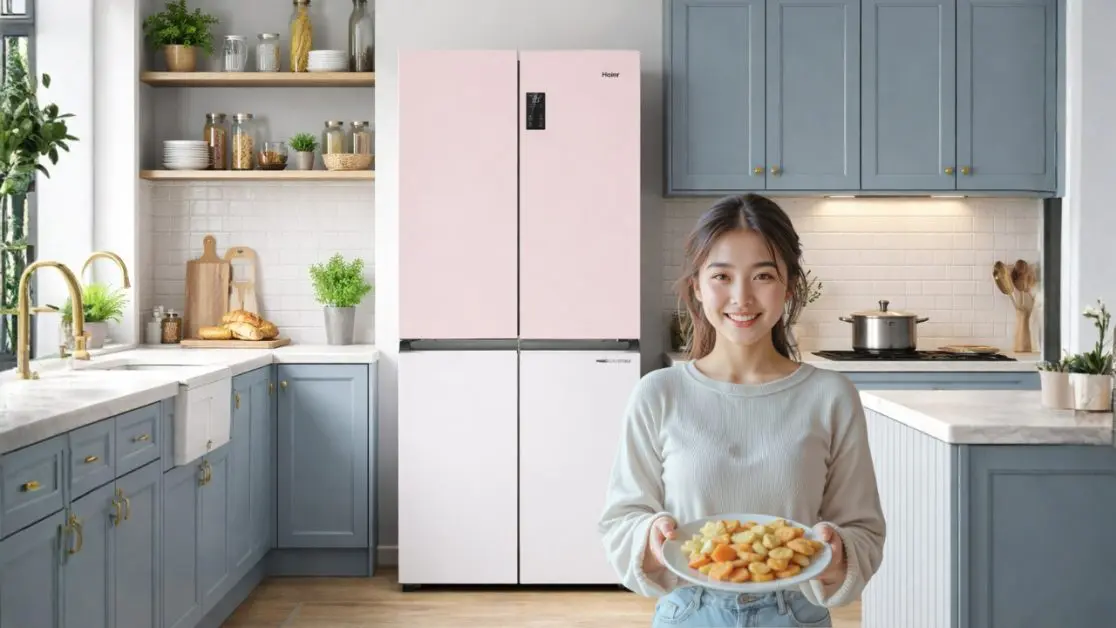
Colours like Mauve Pink, Pearl White, and Rosette White are designed to age well across changing interiors. They do not overpower the space. They adapt as homes evolve.
Relevance is a form of performance.
When an appliance still fits your home five years later, it has succeeded.
What this reveals about the future of Indian homes
Homes are becoming smarter, but also calmer.
Technology is expected to assist quietly.
Design is expected to reduce friction.
Performance is expected to last.
People no longer want to manage appliances.
They want appliances that manage complexity on their behalf.
Design-first innovation without compromising performance is not about choosing beauty over power.
It is about understanding a simple truth.
When design is done right, performance feels effortless.
That is the direction Indian homes are already moving toward.
Frequently Asked Questions
I’m overwhelmed choosing between style and performance. Do I really have to pick one?
No. Design-first appliances like the Haier Lumiere 520L 4-Door Convertible Refrigerator are built to combine aesthetics, cooling efficiency, and long-term reliability. The idea is not to sacrifice one priority for another, but to integrate them from the start.
If I buy a stylish refrigerator now, will it still look relevant five years later?
Models in finishes like Mauve Pink, Pearl White, and Rosette White are intentionally minimal and neutral. Their restrained design helps them adapt to evolving interiors instead of looking dated quickly.
Is paying more upfront for a premium-looking fridge actually worth it?
When you factor in lower electricity bills, fewer repairs, reduced food waste, and longer lifespan, the total cost of ownership is often lower than repeatedly upgrading cheaper models.
My fridge is always full. Will a stylish model handle heavy Indian storage habits?
Yes. Toughened glass shelves, wide drawers, and 95-degree anti-tipping door racks are designed specifically for heavy utensils, tall oil bottles, and stacked containers.
I store strong-smelling food. Will the smell mix across sections?
Technologies like Deo Fresh help absorb odours, while zoned compartments reduce cross-contamination, keeping flavours separate.
I waste food because I forget what’s inside. Does design really help here?
Better lighting and sun-lit interiors improve visibility. When you can see everything clearly, food gets used instead of forgotten.
Will coloured steel show fingerprints more than silver?
Modern colour-coated steel finishes are layered to resist fingerprints and smudges. They’re engineered surfaces not simple paint. Daily wiping in humid kitchens won’t easily dull the finish.
My kitchen gets very hot during long cooking sessions. Will the colour fade?
Quality colour-coated steel is designed to withstand heat, humidity, and frequent cleaning. It’s built for Indian cooking conditions, steam, oil particles, and temperature shifts included.
If guests brush past it constantly, will it scratch easily?
The steel core provides structural durability. The outer finish is designed to resist minor abrasions typical in compact kitchens.