


Humidity doesn’t just cling to walls. It clings to your lungs.
Every Indian household knows this cycle.
June arrives, monsoon winds roll in, and with them damp corners, sticky bedsheets, and that musty smell you can’t quite chase away. But here’s the hidden cost: humidity makes dust heavier, stickier, and far more dangerous for people prone to allergies.
It isn’t just “dust.” It’s pollen, pet hair, mold spores, and microscopic debris that thrive when the air is moist. Together, they settle quietly into your sofas, curtains, and floors waiting for the first sneeze.
So what’s the trick to keeping allergies low when the weather turns humid?
It starts with how you collect the dust in the first place.
Why humid homes feel dustier than dry ones

Think of dust as glitter. In dry conditions, it floats away with a quick swipe of a cloth. In humid weather, it clumps together, sticks to surfaces, and hides in carpet fibres. Ordinary sweeping often just redistributes it.
Three things make humid dust particularly harmful:
1. It holds more allergens. Moisture lets pollen and spores latch on.
2. It resettles faster. That’s why you sneeze minutes after mopping.
3. It feeds mites and molds. Perfect breeding ground for triggers.
Which means our usual cleaning routines weekly brooming, the occasional wipe fall short during the monsoon. What you need is not just removal, but containment.
The underrated trick: sealed dust collection
Here’s the shift.
It’s not just about cleaning the floor. It’s about how well your system traps what it picks up.
Traditional sweeping throws dust back into the air. Even some older vacuum models leak tiny particles through filters. The result? You clean, but your nose still itches.
That’s why modern smart vacuums with sealed dustbins and HEPA filters matter. They trap particles as fine as pet dander and pollen, locking them in a chamber that doesn’t leak back into your room.
And in humid homes, that containment is gold. Because once trapped, dust can’t mix with moisture to become moldy food.
How smart vacuums quietly change the game
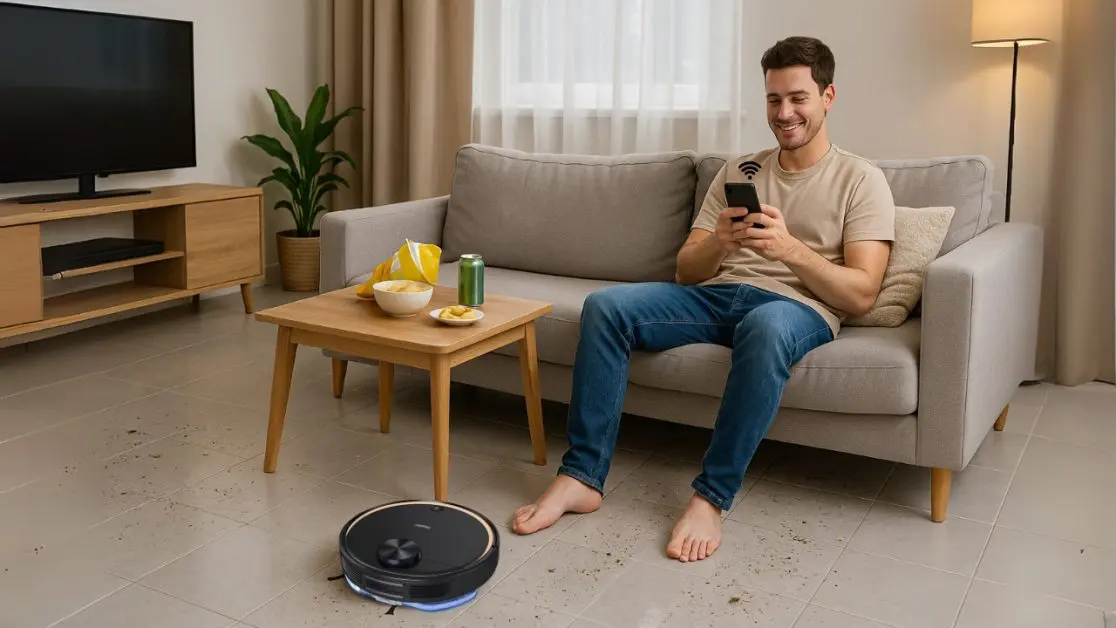
Let’s talk specifics. Haier India has two models designed with dust and allergy control in mind.
1. Smart Robot Vacuum Cleaner TH27U1
- 2200Pa suction power strong enough for daily Indian dust.
- 600ml dustbin plus extra HEPA filters and brushes included.
- Low-profile 76mm design to slip under beds and sofas where dust loves to hide.
- App + voice control with cliff and obstacle sensors for safe cleaning.
- Works on marble, carpets, and pet hair, making it versatile for mixed Indian households.
- Noise levels under 65db are quiet enough to run while you’re on a call.
2. PROBOT DTX Laser Navigation Model
- 5000Pa upgraded suction for homes with pets, kids, or high traffic.
- Laser navigation with 5 map memory for multi-floor apartments.
- 300ml water tank + 550ml dustbin it sweeps and mops simultaneously.
- 180 minutes runtime on a single charge with a 3200mAh battery.
- Pet-friendly design that handles dog and cat hair without tangles.
- Works with app and voice commands, and slips under sofas with its 9.45cm slim body.
Both models share one allergy-fighting secret: sealed dust collection systems with HEPA-grade filters. No particles sneak back into the air. No damp dust re-circulating. Just a quieter, healthier home.
But isn’t this just a gadget for the “fancy” crowd?
That’s the assumption. That robot vacuums are lifestyle toys. But here’s the reality.
For Indian households, especially where grandparents, children, or pets live, air quality is not a luxury, it’s survival. Allergic rhinitis, asthma flare-ups, sinus infections these rise sharply during monsoon months. And doctors will tell you the first line of defence is dust control.
So, a device that sweeps, vacuums, and mops daily without depending on your schedule isn’t indulgence. It’s preventive care.
The hidden economics of dust

Dust costs us more than tissues and antihistamines.
Think electricity used in running air purifiers longer. Think medical bills for seasonal flu that isn’t actually flu but dust allergy. Think hours lost in cleaning routines that don’t keep up with monsoon cycles.
One option is manual deep cleaning every alternate day.
The second is hiring professional cleaners at intervals.
The third most sustainable for modern households is automating daily dust capture with smart systems like robot vacuums.
When you measure cost not in rupees alone, but in health, time, and peace of mind the math shifts.
What Indian homes actually need
Every home is different. But most face three truths:
1. Space is tight. We live in apartments, not sprawling villas.
2. Humidity is relentless. From Chennai’s coastal stickiness to Delhi’s monsoon burst.
3. Family health is fragile. Parents worry about kids, kids worry about aging parents.
Which is why the right vacuum doesn’t just “clean.” It integrates.
- Slim enough to fit under beds.
- Smart enough to map your rooms.
- Strong enough to tackle daily dust.
- Quiet enough not to disturb a cricket match.
That’s the Haier difference. Designed not for showroom floors, but for Indian living rooms.
The human side of dust collection
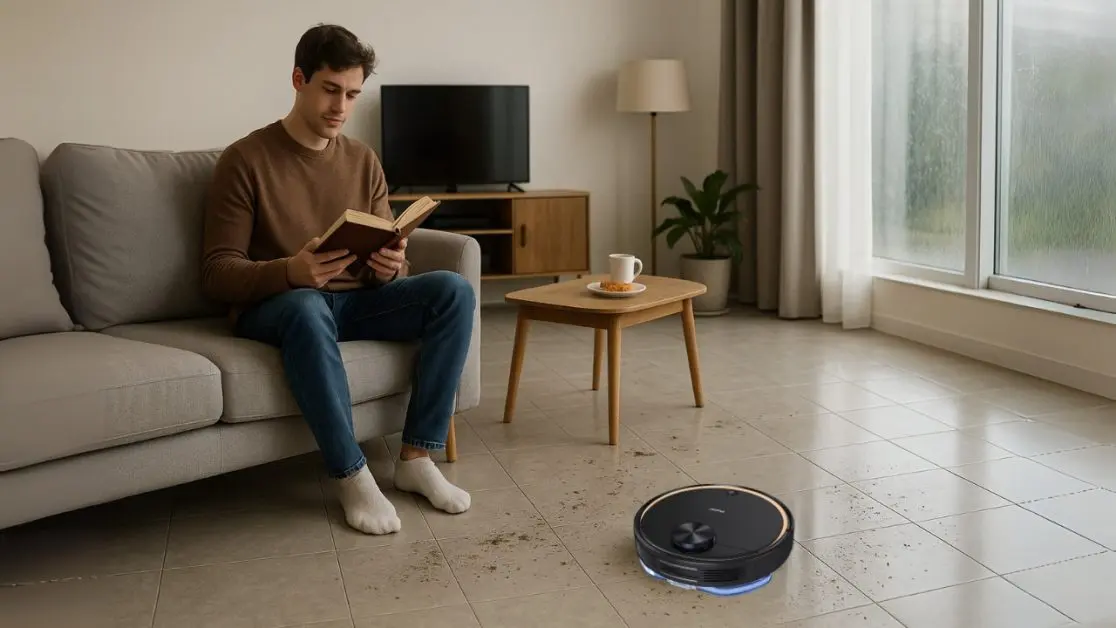
Think of your last monsoon sneeze attack. The one that came out of nowhere when you sat on the sofa. Now imagine if that didn’t happen. Imagine mornings where you wake up without that heavy feeling in your nose.
That’s what this trick sealed dust collection gives you. Not perfection. But relief.
Relief you can measure in fewer sneezes, clearer air, and less tension at home.
The bigger pattern: automation as self-care
Zoom out and you see the principle.
Technology isn’t just about convenience. In the Indian context, it’s becoming healthcare by another name.
- Smart ACs regulate humidity.
- Convertible fridges cut food waste.
- Robot vacuums lower allergen exposure.
These aren’t gadgets. They’re systems that quietly improve quality of life.
Final thought: Dust doesn’t argue, it just accumulates
You don’t win against dust with brooms and mops alone. You win by trapping it where it can’t harm you daily, silently, automatically.
That’s the dust collection trick humid homes need.
And it’s already sitting in the Haier aisle, disguised as a robot vacuum.