
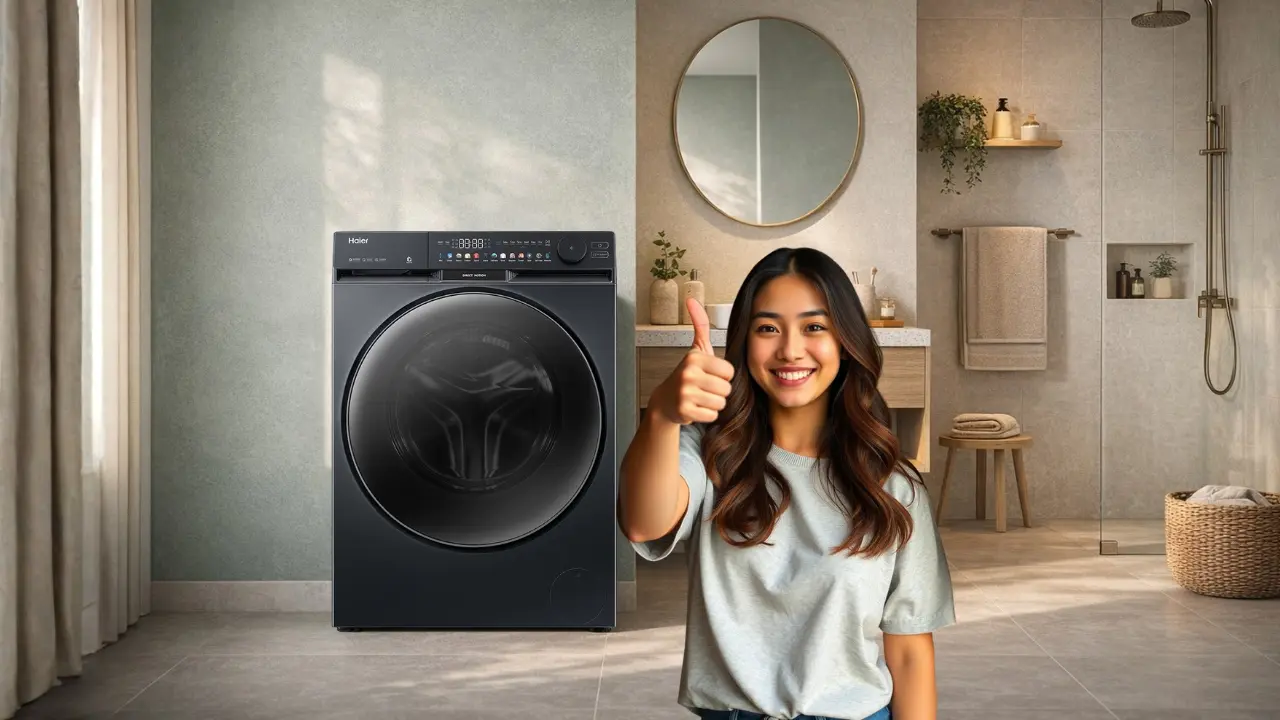

The eco-friendly cycle on a washing machine cleans clothes using less water, lower temperatures, and optimized drum movement to reduce electricity and detergent usage.
By choosing the eco cycle for everyday laundry, households can cut energy consumption significantly while still getting effective cleaning results.
Laundry is one of those quiet routines that repeats every week.
A pile grows in a corner.
Someone says, “Let’s run the machine tonight.”
Button pressed.
The cycle starts.
Life moves on.
But hidden inside that small moment is a surprisingly big decision.
Because every wash consumes three things.
- Water
- Electricity
- Detergent
Multiply that by hundreds of washes every year, and suddenly laundry becomes part of a household’s environmental footprint.
This is exactly where the eco-friendly cycle on a washing machine begins to matter.
Not as a complicated feature.
But as a smarter system.
A system designed to clean clothes while quietly reducing waste.
Why Eco Cycles Exist in Modern Washing Machines

Think about how laundry used to work.
Old machines followed a simple rule.
More water. More heat. More agitation.
It worked.
But it was inefficient.
Modern washing machines flipped that logic.
They asked a different question.
What if clean clothes did not require excess resources at all?
Eco cycles are the answer to that question.
They rely on three principles:
| Principle | What It Does | Result |
| Lower water temperature | Washes with cooler water | Saves electricity |
| Smart drum movement | Optimizes fabric movement | Cleans efficiently |
| Controlled water usage | Uses only required water | Reduces wastage |
In many cases, eco cycles reduce energy usage by up to 30 to 40 percent compared to traditional hot wash cycles, according to appliance efficiency studies.
The idea is simple.
Clean smarter.
Not harder.
The Hidden System Behind an Eco Wash
Eco cycles look simple from the outside.
Press the button.
The machine handles the rest.
But internally, several small adjustments happen simultaneously.
For example, modern front-load machines like the Haier 10 Kg Fully Automatic Front Load Washing Machine (HW100-DM14F9BKU1) use intelligent sensors and optimized drum mechanics to balance cleaning with efficiency.
The system works in layers.
1. Automatic Load Detection
Many modern machines detect how much laundry is inside.
That information determines:
- Water level
- Wash duration
- Drum speed
This prevents overuse of water and electricity.
2. Optimized Drum Movement
Instead of aggressive spinning, eco cycles use controlled motion.
Gentle rotations.
Strategic pauses.
The goal is to let detergent do the work rather than brute force.
3. Lower Temperature Washing
Heating water consumes the majority of washing machine electricity.
Eco cycles often wash at 30°C or similar lower temperatures, dramatically reducing energy use.
Clothes stay clean.
Bills stay lower.
And fabrics last longer.
How to Use the Eco-Friendly Cycle Properly
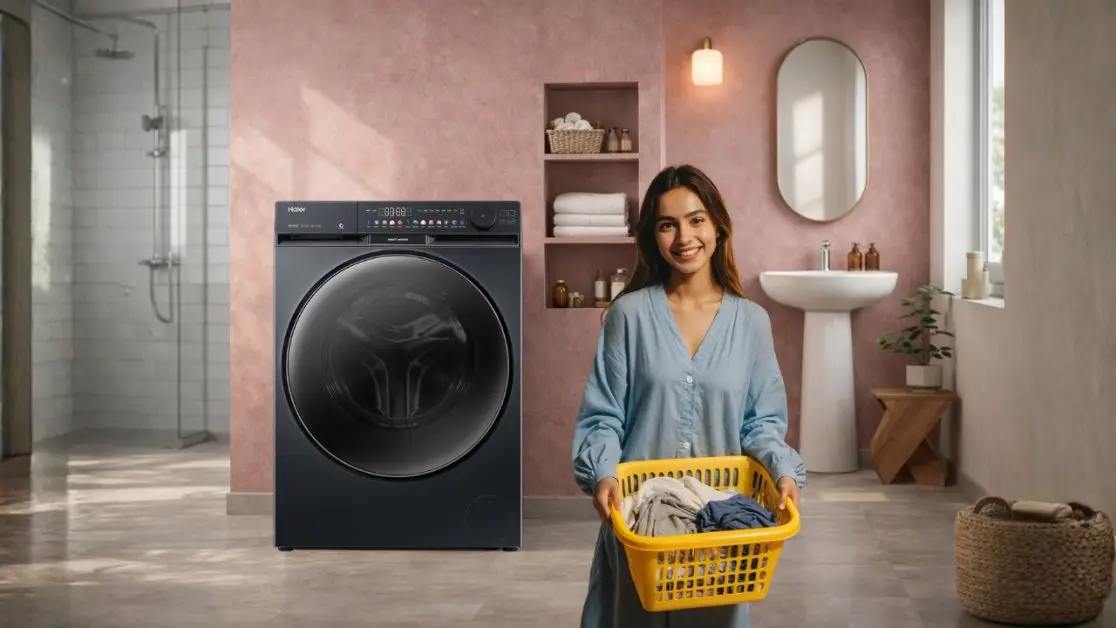
Many households see the eco button but rarely use it.
Not because it is difficult.
Because nobody explains when it actually works best.
Here is a simple framework.
Step 1: Choose the Right Laundry Load
Eco cycles work best for:
- Everyday cotton clothes
- Light to moderately dirty laundry
- Office wear
- Daily wear t-shirts
- Bedsheets washed regularly
Avoid eco cycles for heavily stained items.
Those need stronger programs.
Step 2: Load the Drum Correctly
One of the biggest mistakes is overloading.
Use this rule:
- Fill the drum about 70 to 80 percent
- Leave space for clothes to tumble
Efficient movement improves washing performance.
Modern machines even include AI-powered wash systems that detect fabric type and dirt levels automatically, adjusting settings accordingly.
Step 3: Use the Right Amount of Detergent
More detergent does not mean cleaner clothes.
In fact, excess detergent:
- Creates residue
- Requires extra rinsing
- Wastes water
Follow the detergent recommendation on the packet.
Eco cycles rely on efficiency, not excess.
Step 4: Select the Eco Cycle
On most washing machines:
- Turn the program knob
- Select Eco Wash or Eco Cycle
- Press start
In advanced machines, the system automatically adjusts:
- Wash duration
- Spin speed
- Water levels
The result is a balanced cycle that saves energy while cleaning effectively.
Step 5: Let the Machine Complete the Cycle
Eco cycles sometimes take slightly longer.
That is intentional.
Lower temperatures require more time for detergent to break down dirt.
But the tradeoff is simple.
| Faster Wash | Eco Wash |
| Higher energy use | Lower electricity consumption |
| More water | Controlled water usage |
| Quick cleaning | Sustainable cleaning |
Time increases slightly.
Efficiency increases significantly.
When the Eco Cycle Makes the Most Sense
Laundry habits vary across households.
Some homes wash daily.
Others run machines twice a week.
The eco cycle shines in specific situations.
Scenario 1: Everyday Clothing
T-shirts, shirts, pajamas.
Most of these are lightly soiled.
Eco mode works perfectly.
Scenario 2: Weekly Family Laundry
Families often wash large mixed loads.
Eco cycles optimize water usage for these loads.
Scenario 3: Night Washes
Quiet operation becomes important.
Machines with advanced motor systems such as Direct Motion Motor technology operate smoothly with reduced vibration and noise, making night washes comfortable.
Laundry runs.
Sleep continues uninterrupted.
Eco Cycles and the Indian Household Reality
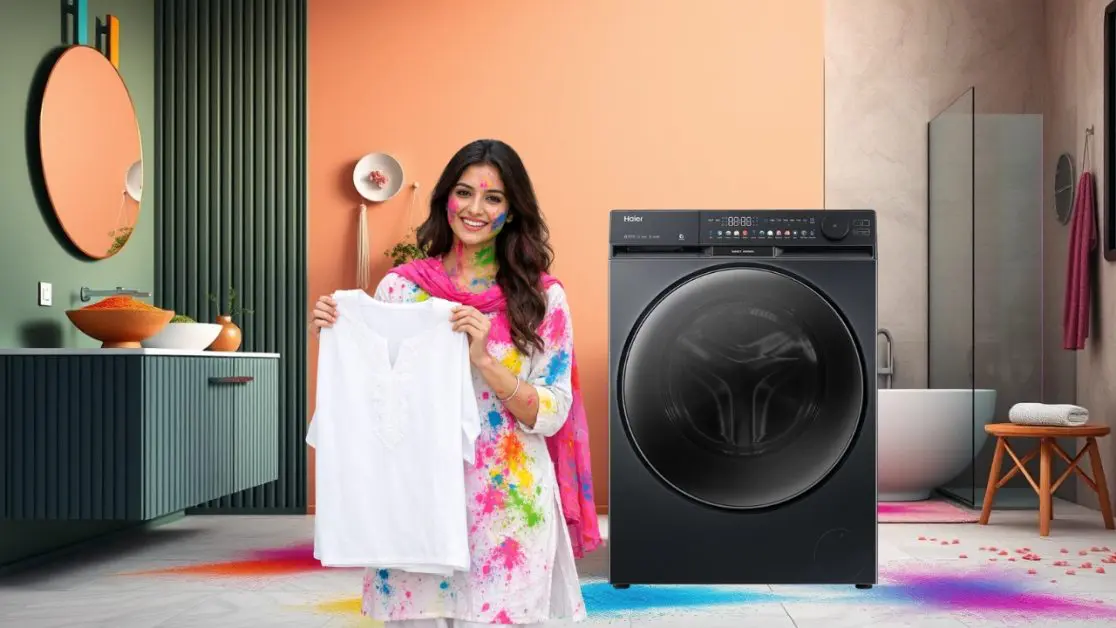
Indian homes have unique laundry patterns.
Festival clothes.
School uniforms.
Office wear.
Gym clothes.
Different fabrics. Different needs.
But most loads share one common trait.
They are not heavily stained.
This means eco cycles can handle a large percentage of weekly laundry.
Consider a typical household:
- 5 to 7 laundry cycles per week
- Each using electricity and water
Switching just half of those to eco cycles reduces energy usage significantly over a year.
A small change.
A big cumulative impact.
The Technology That Makes Eco Washing Possible
Eco washing is not just a software feature.
It depends on engineering.
Modern machines combine several technologies.
Direct Motion Motors
Traditional washing machines use belts and pulleys.
Direct Motion motors connect directly to the drum.
Benefits include:
- Less vibration
- Higher efficiency
- Reduced electricity consumption
This motor design improves durability and reduces noise during operation.
Smart Wash Algorithms
Some machines automatically analyze:
- Fabric types
- Load size
- Dirt levels
Then they adjust washing parameters.
This prevents unnecessary water usage.
Advanced Drum Designs
Large drum designs allow clothes to tumble more freely.
That improves cleaning even at lower water levels.
Efficiency is not one innovation.
It is a combination of many small improvements working together.
Common Myths About Eco Washing
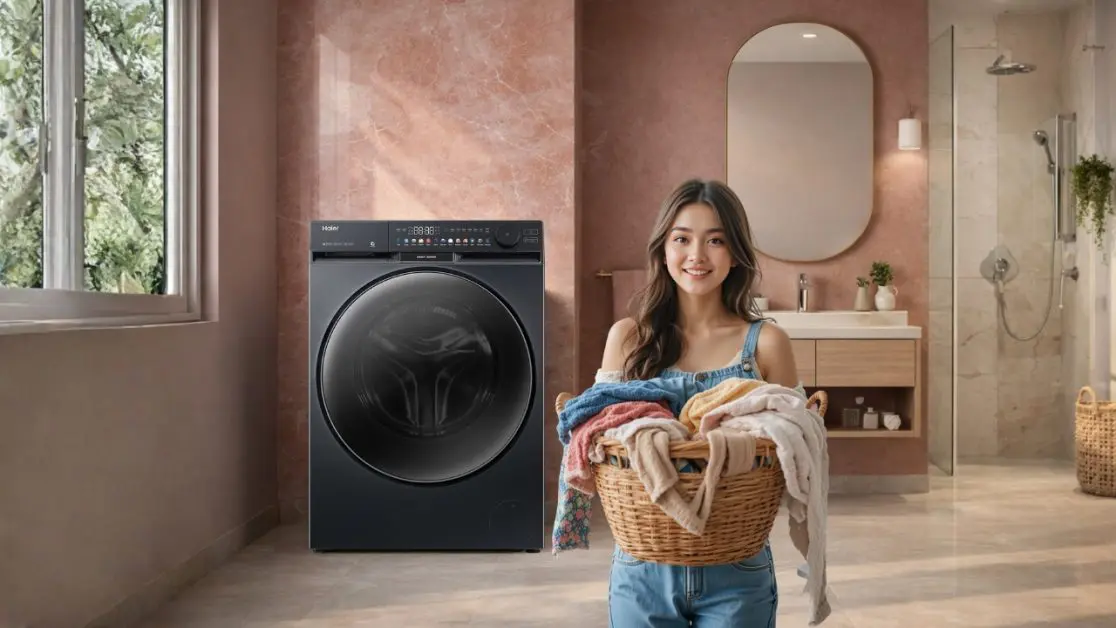
Some assumptions prevent people from using eco cycles.
Let us address the most common ones.
Myth 1: Eco cycles do not clean clothes properly
Reality: They clean everyday laundry effectively.
Heavily stained items simply need a different cycle.
Myth 2: Eco cycles take too long
Yes, they may run longer.
But they use significantly less electricity and water.
That tradeoff is intentional.
Myth 3: Eco cycles damage fabrics
The opposite is true.
Lower temperatures and gentle drum motion help fabrics last longer.
Clothes fade less.
Fibers stay intact.
Small Habits That Make Eco Washing Even Better
Eco cycles become even more effective with small adjustments.
Here are a few practical habits.
Laundry Efficiency Checklist
- Wash full loads when possible
- Use cold or warm water instead of hot
- Air dry clothes when weather allows
- Clean the washing machine drum monthly
- Avoid excessive detergent
Each habit reduces resource consumption slightly.
Together they make a noticeable difference.
Eco Washing Is Really About Everyday Decisions
People often think sustainability requires big lifestyle changes.
Electric cars.
Solar panels.
Major investments.
But the reality is quieter.
It lives inside routines.
Cooking dinner.
Switching off lights.
Running the washing machine.
Laundry may seem small.
Yet across millions of homes, those cycles run every day.
And every eco wash cycle saves:
- Energy
- Water
- Fabric life
The most powerful environmental decisions are rarely dramatic.
They are repeated.
Week after week.
Wash after wash.
And slowly, they reshape how homes function.
That is the real promise of eco-friendly washing.
Cleaner clothes.
And a system that works quietly in the background so everyday life feels just a little more effortless.
Frequently Asked Questions
Should I use eco mode every time I wash clothes?
Use eco mode for most everyday laundry (t-shirts, office wear, bedsheets). Avoid it for heavily stained or greasy clothes.
I’m in a hurry. Is eco mode worth it or should I skip it?
If time is critical, skip it. Eco cycles take longer but save more energy and water.
Does eco mode actually make a noticeable difference in my electricity bill?
Yes. Over time, eco cycles can reduce energy usage by ~30–40%, especially if used regularly.
Why does eco mode feel slower even though it’s “efficient”?
It uses lower heat and gentler motion, so it compensates with longer wash time instead of higher power.
How does my washing machine know how much water to use?
Sensors detect load weight and adjust water levels automatically.
What is “smart drum movement” in eco mode?
Controlled rotations and pauses that let detergent clean effectively without aggressive spinning.
Does eco mode use AI in modern washing machines?
In some models, yes. AI adjusts settings based on fabric type and dirt level.
What is a direct motion motor and why does it matter?
It connects directly to the drum, reducing energy loss, noise, and vibration.