


When the skies open up, water becomes both abundant and scarce.
Think about a typical monsoon week. Streets flooded. Tanks overflowing. Yet, ironically, inside the home, water supply can be unpredictable. Municipal lines cut off. Borewells running low. Everyone in the colony is waiting for the water tanker.
This paradox is what makes eco wash settings more than just a gimmick. They’re survival tools for modern Indian homes.
Why the washing machine becomes the villain during rains

Every Indian family has faced it. The pile of damp clothes after kids return from school in soaked uniforms. Mud-caked jeans after an office commute through potholes. Bedsheets that smell of humidity.
In such weeks, the washing machine runs overtime. But here’s the hidden cost, each heavy wash cycle guzzles more water than a family may get in a single tanker delivery.
The question becomes, how do you balance cleanliness with conservation?
Enter Eco Wash: small cycles with big consequences
Eco wash modes in today’s washing machines aren’t just about saving electricity. They’re about rethinking how water is used.
Instead of filling the tub to the brim for every load, eco wash:
- Uses lower water levels while still ensuring detergent spreads evenly
- Relies on smarter drum movements like Haier’s Oceanus Wave Drum that mimics gentle ocean currents to clean with less water
- Extends soaking time so that clothes loosen dirt without the need for extra rinse cycles
- Optimises spin and rinse removing more water without needing multiple refills
The result? Up to 30–40% less water consumption on average, depending on load size and fabric type.
The Indian context: why it matters more here
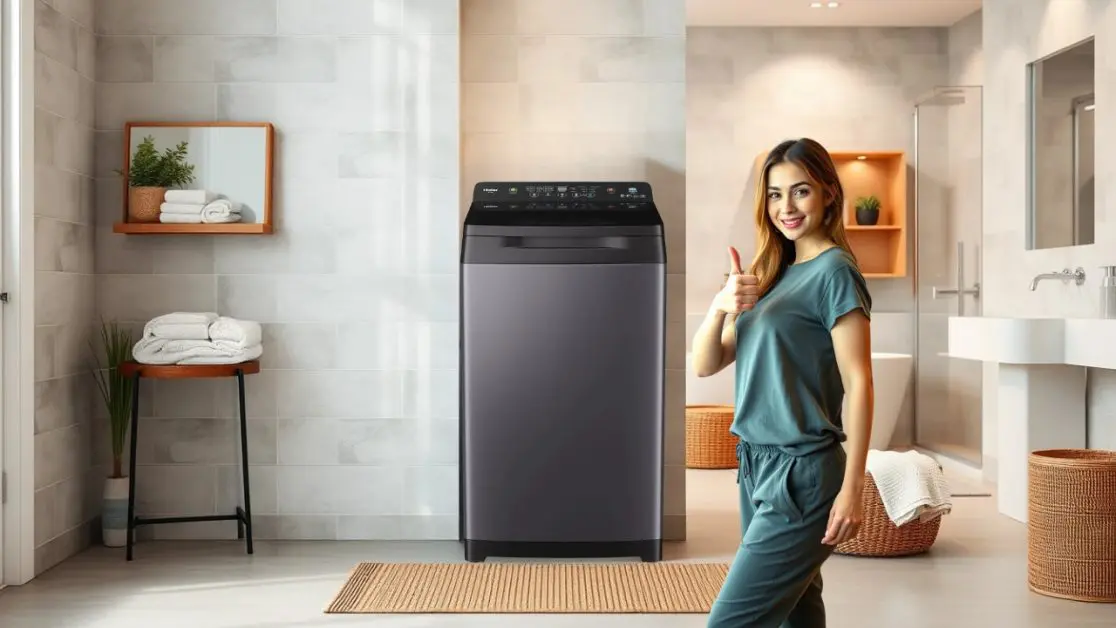
Heavy rains in India create unique laundry challenges:
1. Intermittent supply: Many flats receive water supply only for a few hours a day. Eco wash ensures you don’t waste precious litres during these narrow windows.
2. Humidity woes: Clothes take longer to dry. Machines like Haier’s top-load models now come with tub dry functions and Ultra Air Fresh cycles, which spin moisture out more efficiently. This means fewer rounds of rewashing just because clothes smell musty.
3. Low water pressure: Rains often mess with pipelines. Haier’s “Near Zero Pressure” technology ensures that even if the flow is weak, your wash cycle doesn’t stall or demand refills.
4. Frequent washes: Monsoon equals more loads. Eco wash spreads that impact using less per cycle means you don’t feel guilty pressing the start button twice a day.
Breaking the myth: do eco modes really clean?
Here’s where skepticism creeps in. “Will eco wash leave my kid’s cricket whites half clean?”
The answer lies in how cleaning power is designed. Haier integrates:
- Advanced in-built heaters (butterfly design)for germ elimination critical during damp monsoon days.
- Dual Magic Filters that capture lint and mud debris even in reduced-water cycles.
- Memory backup systems so that a sudden power cut doesn’t waste the water already used.
So yes, eco wash cleans thoroughly. Just differently.
Three eco wash choices for different households
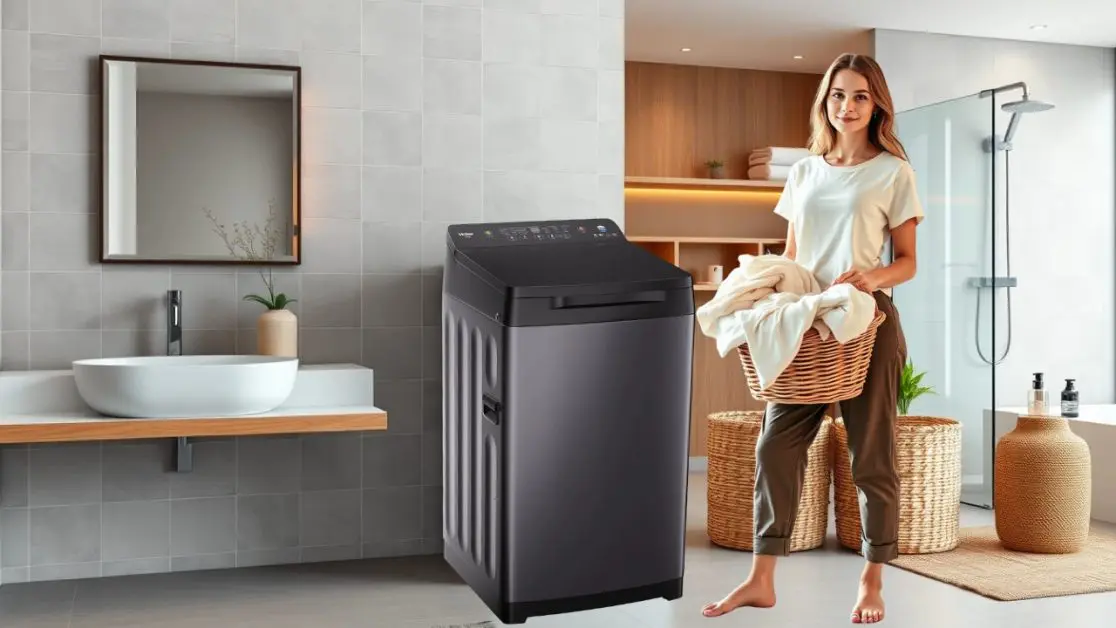
Think of eco wash not as one setting, but as a spectrum.
1. The Quick Saver
- Perfect for bachelors or couples in metro apartments.
- Uses minimal water, shortens wash time, best for lightly soiled clothes after a workday commute.
2. The Family Load Manager
- Designed for households with kids and parents.
- Balances water saving with slightly longer cycles, handling uniforms, towels, and sheets in one go.
- Models like the Haier 8kg HWM80-316BK with its Ultra Air Fresh feature fit well here.
3. The Heavy Rain Specialist
- When rain means three loads a day.
- Larger drums like the Haier 9kg HWM90-H688BK paired with eco wash and anti-scaling technology prevent both water wastage and machine wear.
The hidden benefit: saving more than water
Water is obvious. But eco wash saves:
- Electricity – shorter cycles, less heating.
- Detergent – because rinses are smarter.
- Machine life – less limescale buildup, thanks to anti-scaling features.
In the long run, this isn’t just about conservation. It’s about lowering household expenses in a season when costs from medical bills for flu to taxi fares in flooded roads tend to spike.
Everyday scenarios where eco wash shines
Picture this:
- Sunday cricket with friends. Jerseys smeared with clay. Eco wash + soak mode loosens dirt without wasting two full rinse cycles.
- A working mom’s nightmare. Office clothes need to be ready tomorrow, but only one bucket of water pressure is coming through. Near Zero Pressure ensures the wash finishes anyway.
- Hostel life in Bengaluru. Everyone fights for their turn at the machine. Eco wash keeps cycles shorter and more water-friendly, so no one hogs the supply.
These aren’t features in a manual. They’re realities.
Why Haier gets it right
Among all brands, Haier has consistently designed for Indian constraints, not Western showrooms.
- Softfall Technology prevents lid slamming when kids run around the balcony.
- Toughened glass lids handle the weight of detergent boxes or the occasional elbow.
- 5-star ratings across models mean efficiency is baked in, not an optional luxury.
It’s the difference between machines that “claim eco” and those that actually sustain it through daily disruptions.
The bigger picture: eco as a habit, not a feature
Here’s the real takeaway. Eco wash settings aren’t just buttons. They’re nudges.
When families start choosing eco wash by default, something shifts:
- Kids grow up seeing water as a resource, not a given.
- Parents feel less anxiety about tanker deliveries.
- Communities slowly reduce their collective demand
The washing machine becomes a quiet participant in sustainable living.
Final thought: monsoon as a teacher
Heavy rains remind us of a truth we often forget, abundance doesn’t mean availability.
And so, eco wash isn’t about scarcity. It’s about balance. It says, let’s clean smartly, let’s conserve quietly, and let’s build homes where technology aligns with nature, not against it.
In the Indian monsoon, that’s not just a lifestyle choice. It’s common sense.