
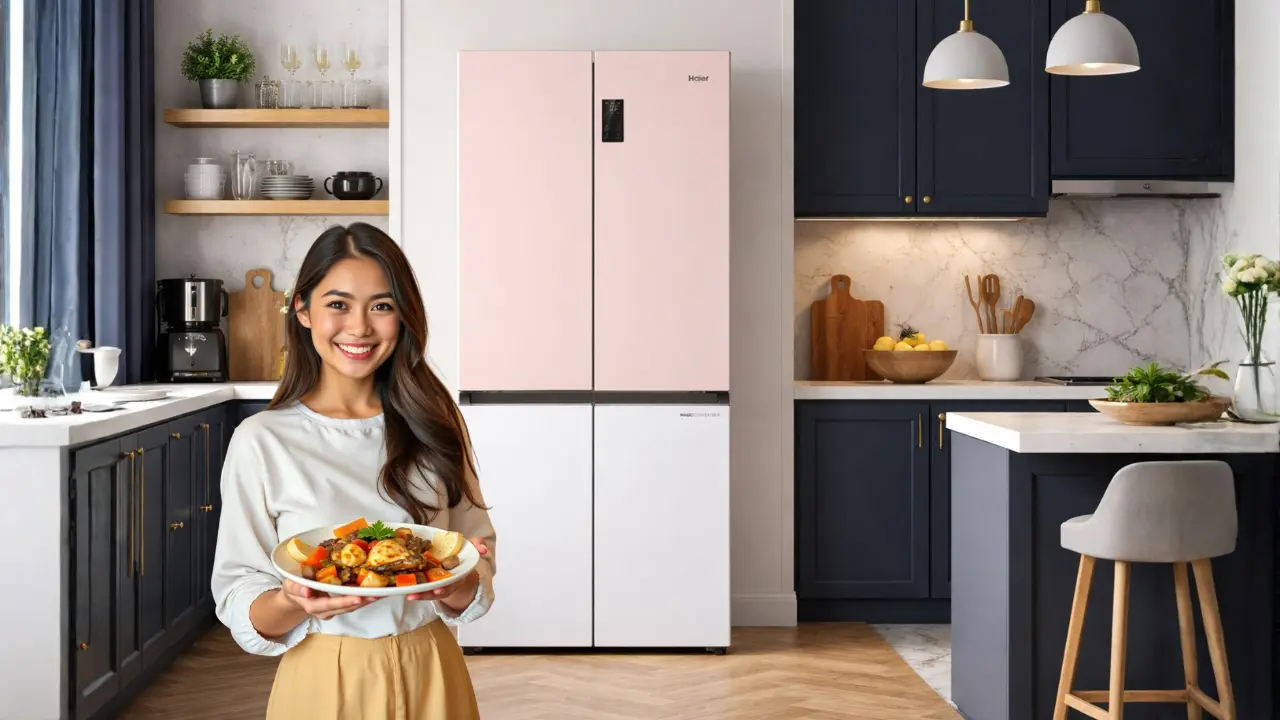

Energy savings that add up over time come from small, consistent improvements in how appliances operate every day.
When refrigerators cool more efficiently, air conditioners regulate power intelligently, and washing machines adjust water and electricity automatically, each cycle uses slightly less energy.
Over months and years, those tiny reductions quietly turn into meaningful savings for both households and the planet.
The ₹50 decision most homes make every night.
It is 10:30 pm in a typical Indian apartment.
The air conditioner switches on after a long day.
The refrigerator hums quietly in the kitchen.
Someone runs the washing machine because tomorrow morning will be rushed.
Nothing feels unusual.
But electricity continues flowing through the home.
This moment repeats in millions of households across India every day.
Here is the hidden pattern.
Energy savings rarely come from dramatic changes.
They come from small improvements repeated thousands of times.
A compressor that runs more efficiently.
A cooling system that adapts to food load.
A washing machine that adjusts water and energy automatically.
Each change feels small.
Time turns those small differences into powerful savings.
Why Energy Savings Work Like Compound Interest
People understand compound interest in money.
Invest a small amount today.
Let it grow quietly.
Years later, the results surprise you.
Energy efficiency behaves the same way.
Every appliance in a home operates for thousands of hours across its life.
Consider this.
| Appliance | Average Daily Use | Lifetime Hours (10 Years) |
| Refrigerator | 24 hours | 87,600 hours |
| Air Conditioner | 6 hours | 21,900 hours |
| Washing Machine | 1 hour | 3,650 hours |
| Television | 4 hours | 14,600 hours |
Now imagine each appliance saving just a little energy every hour.
Across tens of thousands of hours, those savings accumulate.
That is the quiet mathematics behind efficient homes.
Small improvements multiplied by time.
Three Systems That Drive Long Term Energy Savings
Energy efficiency inside a modern home usually comes from three invisible systems working together.
1. Intelligent Cooling Technology
Traditional cooling systems operate like switches.
They turn on.
They turn off.
Modern appliances use inverter technology that adjusts compressor speed gradually depending on cooling demand.
This reduces unnecessary electricity spikes.
For example, refrigerators such as the Haier Vogue Series Lumiere 520L Mauve Pink 4 Door Convertible Refrigerator (HRB-550MGU1-P) use inverter compressors designed to regulate cooling precisely and reduce energy fluctuations during operation.
The result is simple.
- Stable cooling
- Lower power consumption
- Consistent performance
The system works quietly in the background.
2. Multi Zone Storage That Reduces Energy Loss
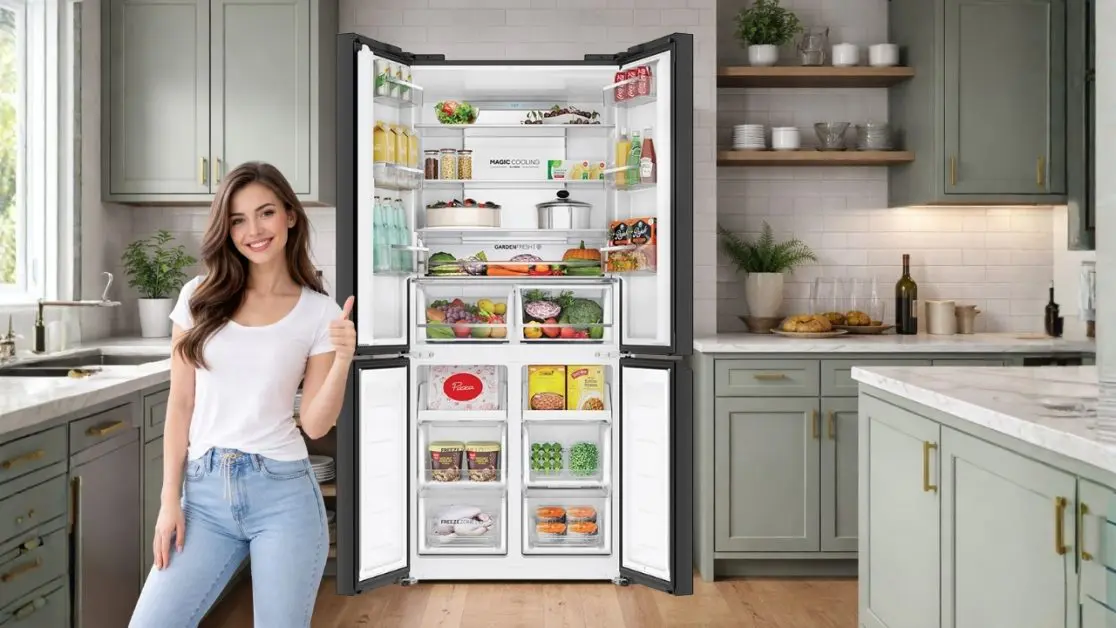
Refrigerators lose energy every time the door opens.
Warm air enters.
Cold air escapes.
Smart design solves this.
Four door refrigerators divide storage into organized sections so users find items quickly.
Models like the Haier Vogue Series Lumiere 520L Rosette White 4 Door Convertible Refrigerator (HRB-550MGU1-R) offer multiple storage zones and flexible compartments that help households access food faster.
The benefit appears small.
But the system creates three advantages:
- Shorter door open time
- More stable cooling temperature
- Reduced compressor workload
Good design quietly reduces energy waste.
3. Convertible Storage That Adapts to Real Life
Most households store different types of food every week.
Sometimes the freezer is full.
Sometimes the refrigerator needs more space.
Convertible refrigerators solve this problem.
For example, models like the Haier Vogue Series Lumiere 520L Pearl White 4 Door Convertible Refrigerator (HRB-550MGU1-PW) allow sections of the refrigerator to convert between freezer and fridge modes depending on storage needs.
This flexibility helps cooling systems operate more efficiently because the appliance adapts to how food is actually stored.
Systems that adapt waste less energy.
The Invisible Energy System Inside Every Home
Most people think electricity consumption is simply about the monthly bill.
But homes actually operate like small energy ecosystems.
Each appliance interacts with others.
When refrigerators maintain stable cooling:
- Food stays fresh longer
- Doors open less frequently
- Cooling cycles stabilize
When washing machines adjust water and electricity based on load:
- Energy waste reduces
- Washing becomes more efficient
When air conditioners maintain consistent room temperature:
- Compressors avoid repeated start cycles
These small systems interact with each other.
The result is a home that runs smoother.
Four Habits That Multiply Energy Savings
Technology creates efficiency.
Habits multiply it.
Here are four patterns that consistently reduce electricity consumption in Indian households.
1. Organize Refrigerator Storage Intentionally
An organized refrigerator saves energy.
When food is arranged properly, the door stays open for shorter periods.
Large multi-door refrigerators help households achieve this easily.
For instance, the Haier Vogue Series Lumiere 520L Mauve Pink 4 Door Convertible Refrigerator (HRB-550MGU1-P) includes multiple storage zones designed for organized food storage.
Better organization creates faster access.
Faster access protects cooling efficiency.
2. Run Appliances During Cooler Hours
Running appliances during the evening or night reduces heat stress on cooling systems.
Examples include:
- Running washing machines at night
- Allowing refrigerators to stabilize after grocery shopping
- Cooking earlier in the evening
Energy demand becomes smoother across the day.
3. Avoid Overloading Cooling Systems
Every appliance performs best within its designed capacity.
Overloading refrigerators or washing machines increases workload.
That increases electricity consumption.
Balanced usage protects energy efficiency.
4. Maintain Appliances Regularly
Small maintenance tasks improve performance dramatically.
Examples include:
- Cleaning air conditioner filters regularly
- Checking refrigerator door seals
- Leaving ventilation space behind appliances
Maintenance keeps appliances operating efficiently for years.
Why Smart Appliances Change the Energy Equation
Older appliances perform a fixed task.
Modern appliances behave like adaptive systems.
They sense conditions.
They adjust automatically.
They optimize energy usage.
Consider how modern appliances operate today.
- Refrigerators regulate cooling based on internal temperature fluctuations
- Washing machines detect load size and fabric type
- Smart air conditioners adjust compressor speed dynamically
These systems remove guesswork.
Homes become more efficient without additional effort.
Efficiency becomes automatic.
How Small Savings Grow Over Ten Years
Let us look at the long term impact.
Suppose a household saves one unit of electricity per day through efficient appliances and better habits.
| Time Period | Electricity Saved |
| 1 Month | 30 Units |
| 1 Year | 365 Units |
| 10 Years | 3,650 Units |
Across a decade, that small daily saving becomes substantial.
Electricity bills are reduced.
Environmental impact decreases.
Homes operate more sustainably.
And all of it begins with small improvements.
The Insight Most Homes Miss
People often search for dramatic upgrades.
But real efficiency usually comes from quiet systems.
A refrigerator that cools efficiently for ten years.
An air conditioner that learns daily usage patterns.
A washing machine that adjusts water and power automatically.
These systems remove waste from everyday living.
And waste reduction creates lasting energy savings.
Efficiency is rarely loud. But its effects are powerful.
The Future of Energy Efficient Homes
Modern homes are evolving.
Not louder.
Smarter.
Appliances are beginning to align with everyday routines.
Cooling adapts to weather changes.
Laundry systems adjust automatically.
Refrigerators maintain precise storage environments.
Homes slowly become intelligent environments that reduce effort and energy consumption simultaneously.
The goal is simple.
Comfort without waste.
The Final Thought
Energy savings that add up over time rarely begin with a dramatic change.
They begin with thoughtful systems.
A refrigerator that cools efficiently.
An appliance that adapts to usage patterns.
A household that organizes energy use better.
Each small decision saves a little electricity.
Those savings repeat every day.
And over years, they quietly transform how homes consume energy.
That is the real story behind modern living.
Small improvements.
Running well.
Changing everyday life.
Frequently Asked Questions
I feel like saving electricity requires constant effort. Is there an easier way?
Yes. The biggest shift comes from choosing appliances that automate efficiency. Inverter compressors, load sensors, and adaptive cooling remove the need for constant manual decisions.
Do I really need to change my habits, or can appliances handle most of it?
Appliances can handle a large portion today. However, small habits like not overloading or organizing storage amplify those built-in efficiencies significantly.
I want to reduce my bill, but I don’t want to compromise on comfort. Is that realistic?
Absolutely. Modern energy-efficient appliances are designed to maintain or even improve comfort while reducing energy usage.
What exactly does an inverter compressor do for energy savings?
It adjusts speed continuously instead of switching on/off, reducing energy spikes and maintaining stable cooling.
Are convertible refrigerators actually useful or just marketing?
They’re practical. Adapting storage space reduces unnecessary cooling and improves efficiency.
Do smart appliances really make a noticeable difference over time?
Yes. Even small per-cycle savings compound across thousands of operating hours.