
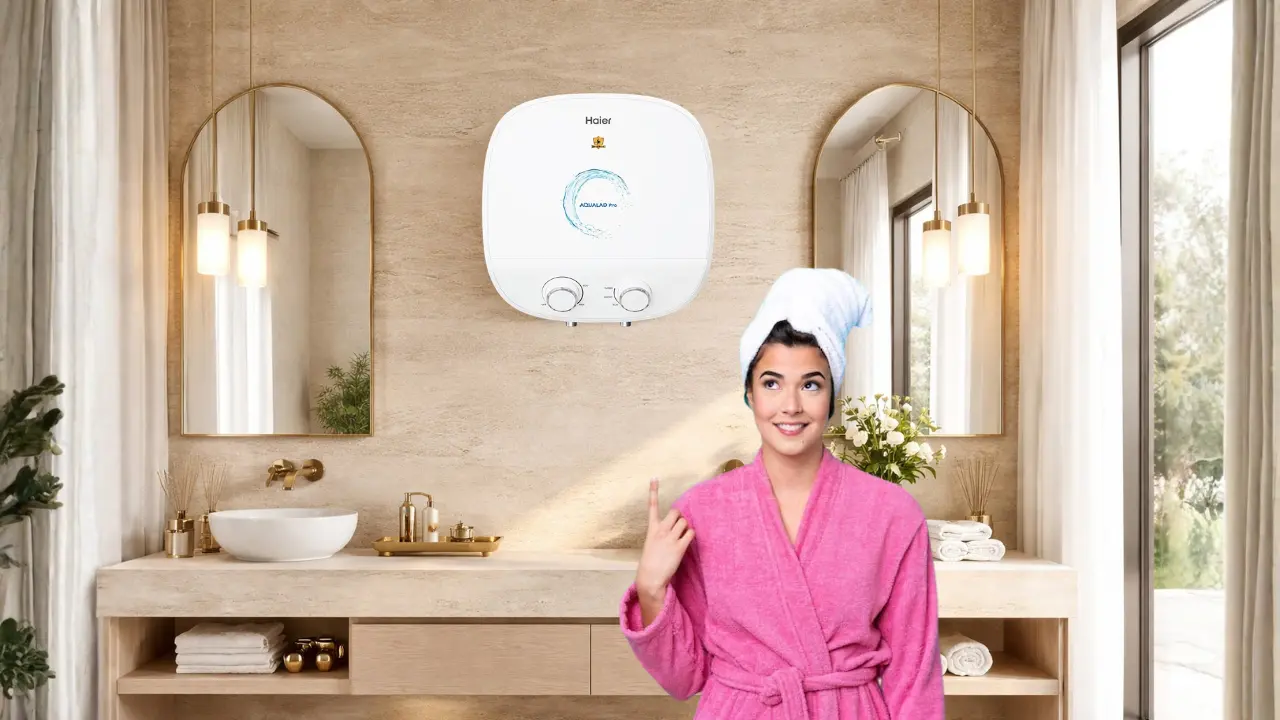

Energy-smart water heating means getting hot water exactly when you need it, at the right temperature, without wasting electricity in the background.
It is about insulation that holds heat, safety systems that think ahead, and power options that adapt to your routine. Comfort without surprise bills. That is the real upgrade.
The 7:30 AM Bathroom Bottleneck
A weekday morning in a typical Indian home.
One person needs a quick shower before the office.
Another has a school bus at 8:15.
Someone else is waiting to wash utensils in warm water.
The geyser goes on at 7:00. No one remembers to switch it off. It keeps heating. And reheating.
This is not irresponsibility.
It is a system problem.
Most homes treat water heating as a switch. On or off.
But electricity bills tell a different story.
According to the Bureau of Energy Efficiency, water heating can account for nearly 18 to 25 percent of household electricity use in urban India during winter months. In colder cities, that number climbs even higher.
Energy-smart water heating is not about bathing less.
It is about heating smarter.
What Does Energy-Smart Water Heating Actually Mean?
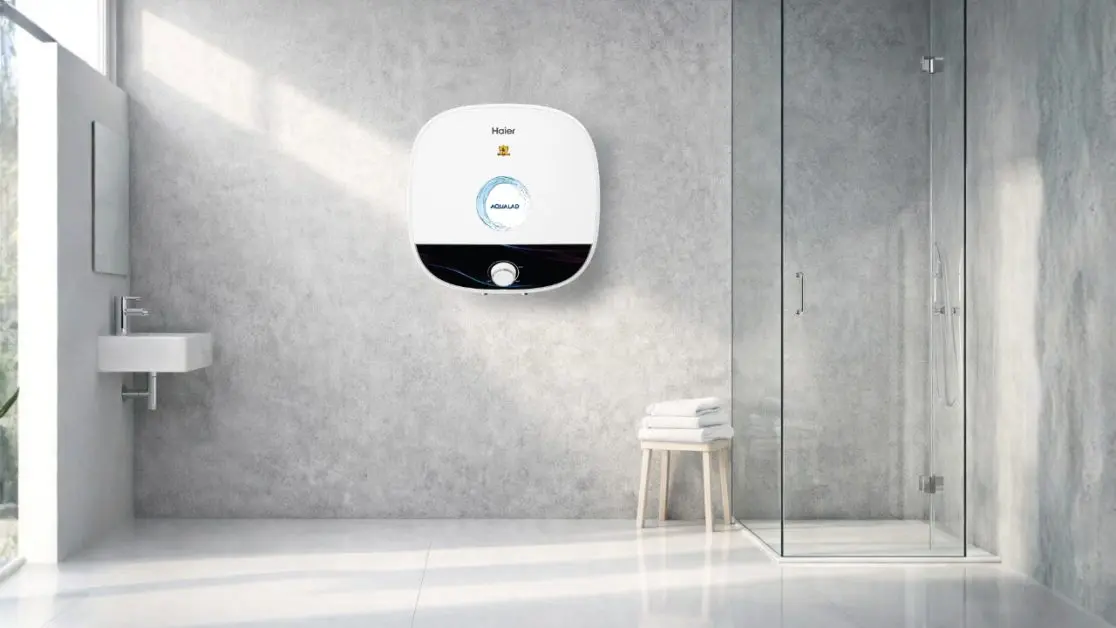
Energy-smart water heating is built around three ideas:
- Heat water quickly
- Retain temperature longer
- Prevent unnecessary reheating
That sounds simple. It is. But execution changes everything.
Take a 5 Star rated storage water heater. It is designed to consume less electricity while maintaining temperature efficiently.
When paired with thick PUF or EPS insulation, the stored water remains hot for longer, reducing the need to switch it back on repeatedly.
In models like the Haier 15L Square AQUALAD PRO 5 Star Water Heater and Haier 25L Square AQUALAD PRO 5 Star Water Heater , the focus is not only on heating speed but on heat retention and safety systems working together.
Because energy saving is not one feature.
It is a layered system.
Where Does Electricity Actually Get Wasted?
Most people assume heating consumes the most power.
That is only half the truth.
Electricity is wasted when:
- The heater reheats water repeatedly due to poor insulation
- The tank accumulates stagnant water
- Thermostats do not cut power precisely
- The unit keeps running in empty bathrooms
Think of it like a pressure cooker left on simmer long after the deal is ready.
Energy-smart water heating solves these hidden leaks.
The Hidden Cost of Reheating
Every time the temperature drops significantly, the heating element restarts. In older models, this cycle happens more often.
Good insulation slows down heat loss.
Precise thermostats stop overheating.
Better water circulation avoids cold pockets.
Less restart. Less consumption.
That is how savings compound quietly.
The Three Pillars of Energy-Smart Water Heating
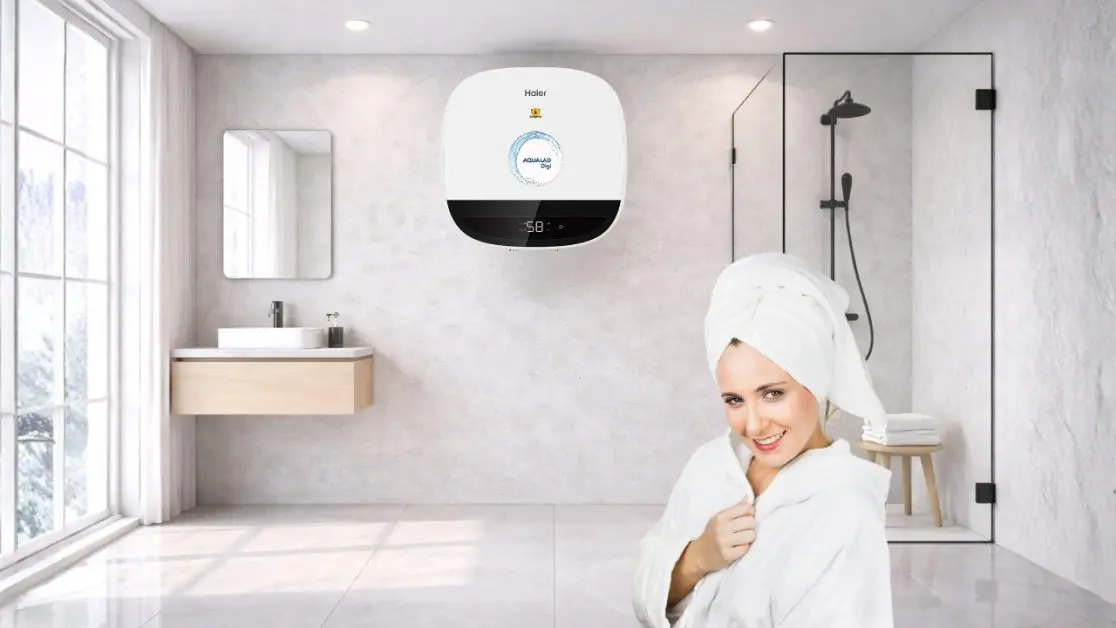
1. Intelligent Temperature Control
Look at Dual Thermal Proof systems.
In the AQUALAD PRO series, the heating element stops at 75°C. If the first control fails, a secondary thermostat cuts power at 95°C.
That is not just safety.
It is precision energy control.
Water does not need to boil to feel comfortable.
It needs accuracy.
2. Superior Insulation That Retains Heat
PUF or EPS insulation holds temperature for longer.
What does that mean practically?
- Fewer reheating cycles
- Less standby energy loss
- Hot water available even after a delay
It is economically efficient and requires no user effort.
Energy-smart water heating works quietly.
3. Flexible Power Settings
Multiple power options like 1 kW, 2 kW, or 3 kW give flexibility.
One option is high power for fast heating during busy mornings.
The second option is moderate power for daily use.
The third option is low power for energy saving.
Choice is control.
Control is savings.
Safety Is Energy Intelligence
Energy-smart water heating is incomplete without safety systems.
Consider these layers:
- Shock Proof technology reduces voltage to safe levels during leakage
- MUV Valve manages pressure, vacuum, and drainage
- 8 Bar rated pressure supports high-rise apartments
- IPX4 water resistance protects against splashes
Why does this matter for energy?
Because unsafe systems fail early.
And failing systems consume more.
An appliance that lasts longer avoids replacement costs and resource waste. The AQUALAD PRO range offers 4 years on product and 10 years on tank.
Durability is sustainability in disguise.
What About Water Hygiene?
Energy-smart water heating also thinks about health.
The BPS mode heats water to 80°C to inhibit bacteria.
Stagnant water can develop microbial growth. Circulation systems like RSC Technology ensure consistent flow and reduce deposition.
In cities where water supply timings vary, stored water freshness matters.
Heating smarter means storing smarter.
Choosing the Right Capacity for Your Home
Capacity decisions define daily comfort.
Here is a simple guide:
| Household Size | Recommended Capacity | Why |
| 1 to 2 people | 10L to 15L | Quick showers, minimal waiting |
| 3 to 4 people | 15L to 25L | Back-to-back usage |
| 4+ members | 25L+ | Consistent supply |
The 15L model fits compact bathrooms and smaller families.
The 25L model supports larger households with longer usage cycles.
Choosing correctly prevents overuse.
Oversized tanks waste standby energy. Undersized tanks cause repeated heating.
Balance saves money.
The High-Rise Reality
Modern Indian homes are vertical.
Water pressure fluctuates. Pumps work harder. Plumbing sees strain.
An 8 Bar rated water heater handles high-rise pressure efficiently. This reduces leakage risk and ensures consistent hot water flow.
It is built for today’s buildings.
Energy-smart water heating respects real living conditions.
The Titanium Factor
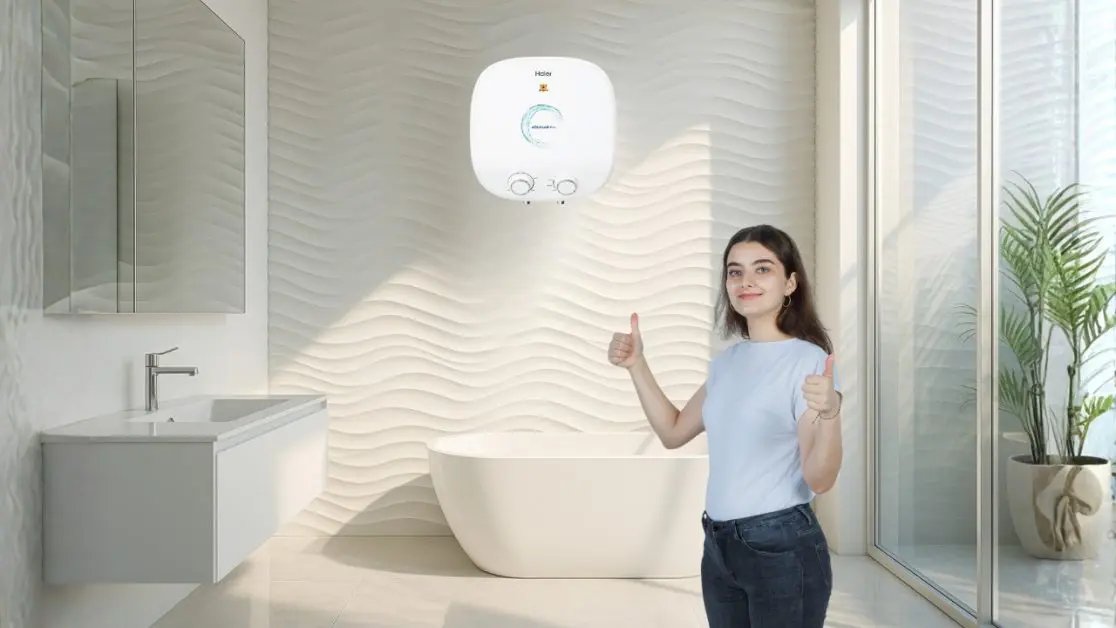
Tank material matters.
Titanium tanks resist corrosion. Magnesium rods reduce internal scaling.
Hard water regions like Delhi NCR, Bengaluru, and Hyderabad face scaling issues. Corrosion reduces heating efficiency over time.
A durable tank preserves performance.
Performance preserved is energy preserved.
Morning Efficiency, Evening Calm
Imagine this.
The heater runs once at 6:45 AM. Everyone bathes by 8:30. Water remains warm till 10:00 due to superior insulation.
No reheating needed.
In the evening, a quick 10-minute boost at moderate power is enough.
Small optimizations.
Big monthly difference.
According to India’s Ministry of Power, replacing inefficient appliances with 5 Star rated systems can reduce electricity usage by up to 30 percent across categories.
Water heating is no exception.
Energy-Smart Is Not About Doing Less
It is about designing better systems.
One option is manual discipline. Switch off. Monitor. Remember.
The second option is smart engineering. Let insulation, thermostats, and power modes handle precision.
The third option is to ignore the system and pay the bill.
Most modern households choose the second.
Because convenience scales.
The Invisible Benefit: Peace of Mind
Energy-smart water heating does not just save units.
It removes mental load.
- No anxiety about overheat
- No fear of shock
- No pressure issues in high-rise apartments
- No constant reheating cycles
When appliances take care of the invisible details, homes feel lighter.
That is the hidden luxury.
Energy-Smart Water Heating Made Simple
Let us distill this.
Energy-smart water heating means:
- High star rating for lower consumption
- Dual thermostats for precise cut-off
- Superior insulation for heat retention
- Flexible power modes for usage control
- Safety systems layered intelligently
- Durable tanks built for Indian water
It is not about complexity.
It is about thoughtful design.
Haier’s Square AQUALAD PRO 5 Star range reflects this system’s approach.
Not loud marketing.
Better engineering.
What This Means for Modern Indian Homes
Young professionals live in compact apartments.
Families live in high-rise societies.
Parents want safety.
Everyone wants lower bills.
Energy-smart water heating is not seasonal anymore. It is a year-round infrastructure.
Electricity costs are rising. Urban density is increasing. Time is limited.
Smart homes are not futuristic. They are practical.
When a water heater quietly reduces reheating cycles, handles pressure variations, prevents bacteria, and retains heat efficiently, it changes daily life.
Comfort becomes predictable.
And predictability is power.
The insight is simple
Energy saved is not always visible, but it always compounds.
The next time you switch on your water heater, ask one question.
Is it just heating water?
Or is it managing energy intelligently?
That answer defines the kind of home you are building.
Frequently Asked Questions
Why does my geyser keep reheating even after everyone finishes bathing?
Most traditional storage heaters lose heat quickly due to poor insulation. As temperature drops, the heating element restarts. Good insulation (PUF/EPS) reduces these restart cycles.
I switch on my geyser at 7 AM and forget to turn it off. How much electricity am I wasting?
Quite a bit. Water heating can account for 18–25% of winter electricity usage in urban Indian homes. Continuous reheating increases standby consumption.
Is it normal for hot water to cool down within 30–40 minutes?
Not with well-insulated 5 Star models. Quality insulation should retain usable heat for extended periods, reducing the need to reheat.
Should I switch the geyser on and off manually, or leave it to auto control?
A 5 Star rated heater with precise thermostats automatically cuts off power when temperature is reached. Smart engineering reduces dependence on manual discipline.
What is Dual Thermal Protection, and do I really need it?
It’s a dual-thermostat system. One cuts power at 75°C; a backup shuts off at 95°C if the first fails. It improves safety and energy precision.
Is heating water above 75°C necessary for bathing?
No. Comfortable bathing requires accurate heating, not boiling temperatures.
Can overheating increase electricity consumption?
Yes. Heating beyond usable levels wastes energy and stresses components.