

Energy Star ratings aren’t just labels on appliances; they’re quiet indicators of how efficiently your home survives winter.
When temperatures drop, heaters run longer, fridges work harder, and washing machines battle cold water. In these months, an extra star can mean the difference between comfort and cost.
When Energy Bills Rise, Small Choices Start to Matter
Every winter, Indian homes subtly shift their routines.
Kettles hum longer. Showers run hotter. Families cook more comfort food, store leftovers, and huddle around screens for cricket replays or streaming nights.
What most households don’t realise is that energy consumption spikes quietly in these colder months, not because of one big appliance, but the sum of small habits, heating water, preserving food, washing heavier clothes, and spending more time indoors.
The result? A steeper electricity bill and a home that feels less efficient than it should.
That’s where Energy Star ratings enter the conversation.
They aren’t just about saving a few rupees. They reveal how intelligently your appliances adapt when the season changes.
What the Star Ratings Really Mean
A 5-Star appliance doesn’t just use less power it thinks smarter about how power is used.
Here’s the hidden logic:
- A 1-Star appliance runs at a fixed pace, no matter what’s happening around it.
- A 3-Star one adapts a little, maybe slows down after a few hours.
- A 5-Star model goes a step further, it studies your usage, senses temperature shifts, and automatically optimises its performance.
Think of it as moving from manual to semi-automatic to intelligent automation.
When energy costs climb and the weather fluctuates, that extra layer of awareness changes everything.
Winter Is a Stress Test for Every Appliance

Summer exposes cooling systems. Winter exposes everything else.
- Refrigerators face external cold but internal demands, soups, gravies, dough, and dairy need stable freshness.
- Washing machines deal with thicker fabrics and colder inlet water.
- Water heaters become daily essentials, not occasional luxuries.
- Air conditioners switch to heating mode in some regions, pushing their compressors in reverse.
Each of these shifts draws more electricity than most households estimate.
Which is why the efficiency standard you chose months ago suddenly defines your winter comfort now.
How Energy Efficiency Works Behind the Scenes
Let’s decode this through a concrete example.
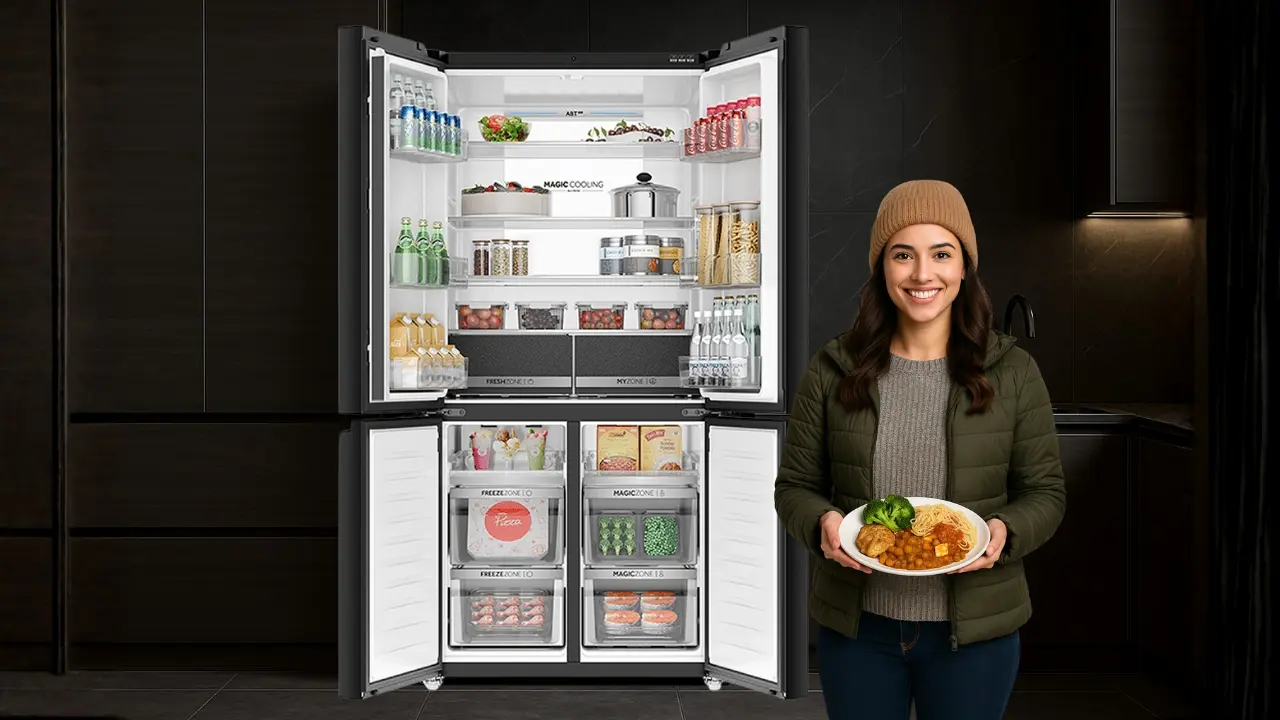
The Haier 630L Lumiere 4-Door Refrigerator doesn’t shout about its efficiency, it demonstrates it quietly.
- Its Smart Sense AI learns your family’s usage patterns and adjusts temperature accordingly, saving power every time you open and close the door.
- The Convertible fridge space lets you switch sections between fridge and freezer ideal when you’re storing winter vegetables or festive desserts and don’t need deep-freeze capacity.
- The Inverter compressor and R600a refrigerant maintain consistent cooling with minimal energy loss.
- And its Smart Connectivity via Haismart App means you can tweak energy modes even when you’re away, reducing waste without compromise.
It’s not just design. Its foresight is visible.
The Science of Why Cold Weather Consumes More Power
Most people assume energy bills drop when it’s cooler. But here’s the twist:
In winter, appliances work harder to maintain the same internal temperatures.
Refrigerators compensate for fluctuating ambient temperatures. Washing machines use more power to heat cold water.
Geysers run longer because inlet water is several degrees colder. Even your TV and Wi-Fi router draw slightly more energy as you spend longer hours indoors.
According to the Bureau of Energy Efficiency (BEE), households can cut up to 30% of their seasonal energy costs simply by using 4- or 5-Star appliances during high-consumption months.
Efficiency isn’t a luxury metric anymore it’s a survival metric.
Understanding Energy Star Ratings in Indian Context
India’s BEE Star Rating System ranks appliances from 1 to 5 based on their energy performance.
Here’s a simplified way to see it:
| Star Rating | Efficiency Level | Approx. Energy Savings | Ideal For |
| ★ | Basic | 0–10% | Rare use / backup devices |
| ★★ | Moderate | 10–20% | Budget homes |
| ★★★ | Standard | 20–30% | Average households |
| ★★★★ | High | 30–40% | Urban families |
| ★★★★★ | Superior | 40%+ | Smart homes / long-term investment |
That fifth star isn’t just bragging rights, it’s a signal of future savings baked into design.
Energy Ratings and Real-Life Scenarios
Picture two households this winter:
House A runs a basic 2-Star refrigerator and water heater.
House B invests in 5-Star models both inverter-based.
Over three months, House B’s electricity bill could be 15–20% lower even though their lifestyle is the same.
Why? Because smart sensors, inverter motors, and temperature algorithms distribute power intelligently reducing idle consumption when not needed.
In essence, you’re not paying for the hours an appliance is on, you’re paying for how efficiently it stays on.
Why Winter Magnifies Energy Inefficiency
In summer, inefficiency shows up as discomfort in a warmer room or melted ice cream.
In winter, it shows up as waste.
You run the geyser longer. You overload the fridge with leftovers. You wash more woollens. Each of these adds hidden kilowatts to your bill.
Energy-efficient appliances mitigate this through three levers:
1. Smarter load balancing – Sensors track internal temperature, load weight, or water levels to reduce unnecessary strain.
2. Adaptive run cycles – Compressors and motors adjust speeds based on conditions, not timers.
3. Standby optimisation – Minimal power draw when idle, especially during nights.
That’s the invisible system behind every extra star.
Fridge Efficiency: The Everyday Example
A refrigerator never takes a break. It’s the one appliance that works 24×7, 365 days a year.
So even a small bump in efficiency compounds dramatically over time.
In a family of four, a 5-Star fridge can save roughly 100–120 units of electricity per year compared to a 3-Star one. That’s enough to run a ceiling fan for months or offset a portion of your winter heating bill.
Modern models like the Haier Lumiere Series go beyond mechanical savings. Their AI-based energy logic, ABT Pro technology, and dual fans ensure consistent freshness with minimal overcooling, an often-overlooked source of energy waste.
It’s not about turning the fridge off. It’s about ensuring it never overworks.
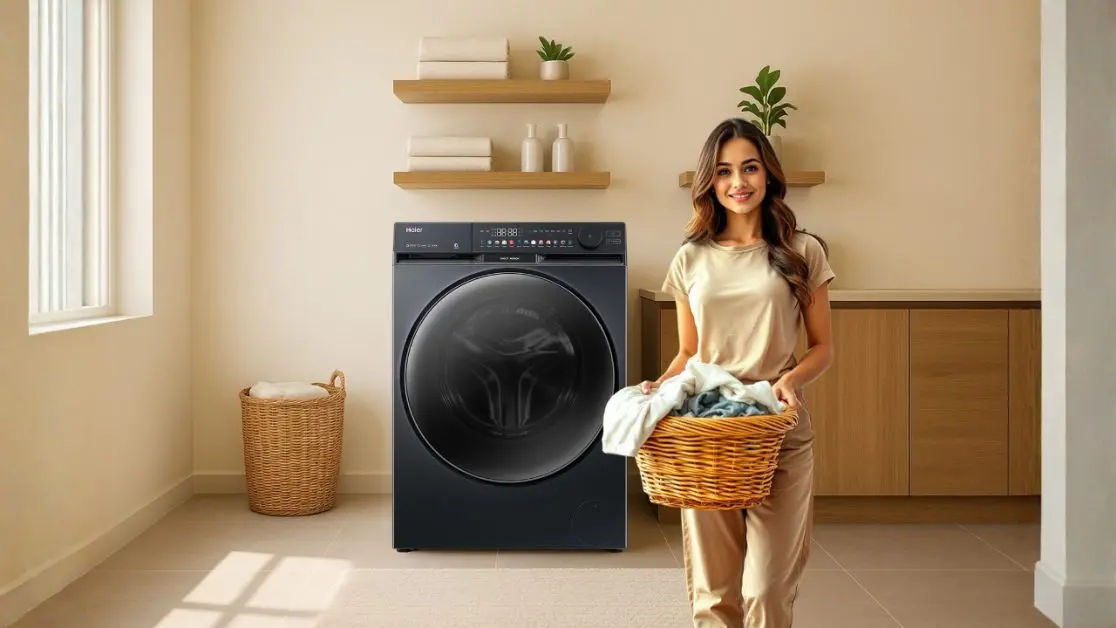
Water Heaters: The Unsung Energy Hogs
A geyser is a comfort we rarely question until the electricity bill lands.
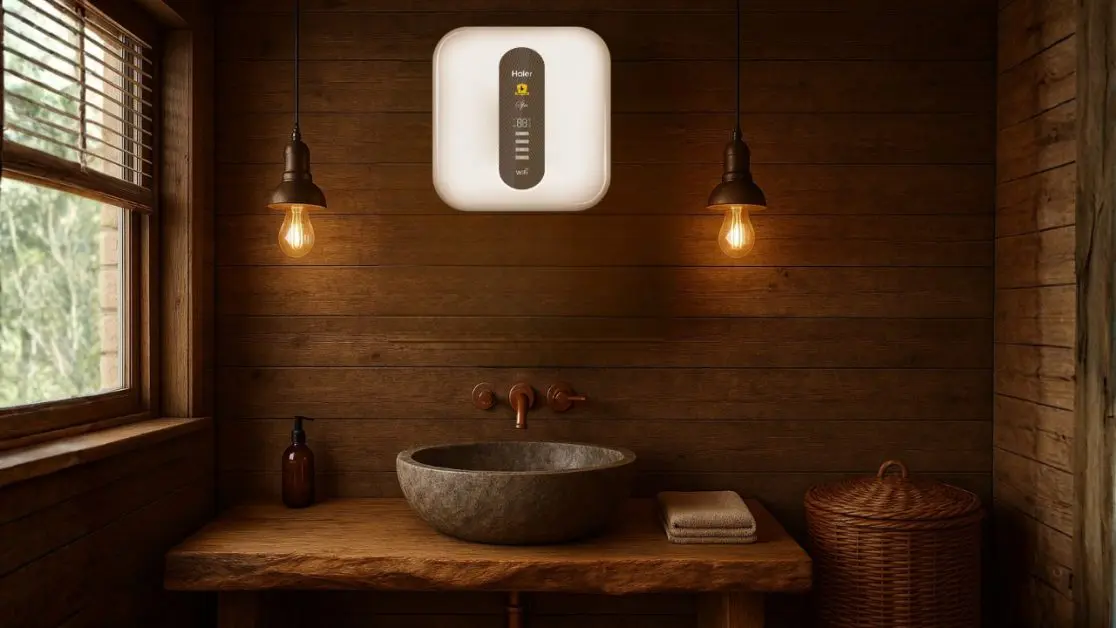
Traditional coil-based heaters consume up to 2000 watts per cycle. Compare that with a 5-Star rated water heater that uses improved insulation, smart thermostats, and quicker recovery times to deliver the same hot water using 25–30% less energy.
Pair it with simple habits, shorter showers, better temperature settings and you multiply savings without losing comfort.
Washing Machines and Winter Fabrics
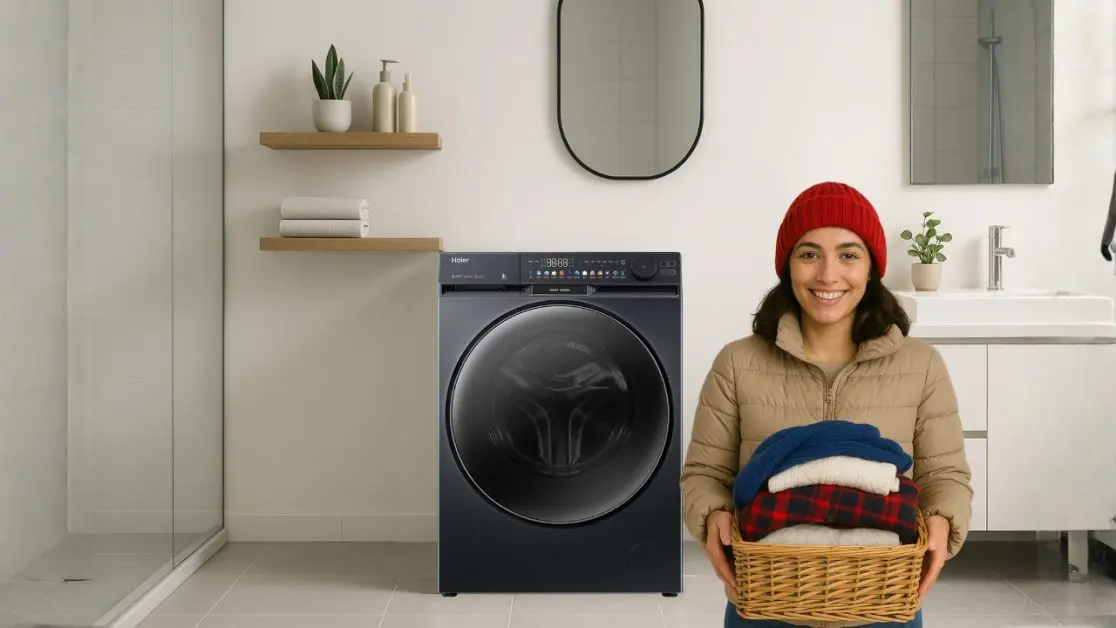
Colder water means longer wash cycles and harder detergent activation.
A 5-Star inverter washing machine offsets this by optimising drum speed and motor load based on fabric type. It maintains wash quality without extra electricity.
Haier’s front-load range with AI-driven motion control adjusts water levels and spin patterns dynamically, saving both energy and water, two resources that winter makes us overuse.
The Long Game: Why Efficiency Equals Freedom
An extra star doesn’t just save energy it buys you freedom from worry.
Freedom from inflated bills. From overheating motors. From overworked compressors. From constant maintenance.
The real benefit isn’t what you save this month, but what you preserve over years. Efficiency extends appliance life, reduces carbon footprint, and supports national energy conservation efforts.
Every responsible choice quietly strengthens the grid that powers millions of homes like yours.
Practical Ways to Maximise Energy Efficiency This Winter
- Keep refrigerator temperature between 2°C–4°C and freezer at –18°C.
- Avoiding overloading air circulation improves cooling efficiency.
- Use washing machines at off-peak hours or eco modes.
- Set water heaters to moderate temperatures (~50°C).
- Unplug idle chargers and entertainment systems at night.
- Use curtains to retain room warmth your AC/heater will thank you.
Efficiency isn’t one decision, it’s a lifestyle built on small, thoughtful ones.
The Bigger Picture: Smart Homes, Smarter Seasons
India’s homes are evolving.
We’re moving from “plug and forget” to “connect and optimize.”
Smart appliances, like Haier’s Lumiere refrigerator or AI-enabled ACs, aren’t just about luxury, they’re about intelligence that learns your rhythm. The goal isn’t to make life colder or hotter, but balanced.
As our cities grow and seasons shift unpredictably, energy-rated, AI-enabled appliances become a climate resilience strategy, not a lifestyle upgrade.
Closing Thought
Winter has a way of revealing what your home is really made of.
The warmth you feel isn’t just from geysers or heaters, it’s from a system that works quietly, efficiently, and intelligently.
Energy Star ratings are that system’s signature.
They’re not stickers. They’re promises that your comfort doesn’t have to come at the cost of your planet, or your peace of mind.