


October in India brings that odd in-between season. The heat softens, the breeze picks up, and suddenly the air conditioner feels like overkill. Fans’ simple, quiet, energy-friendly steps back into the spotlight.
The shift happens quietly every year
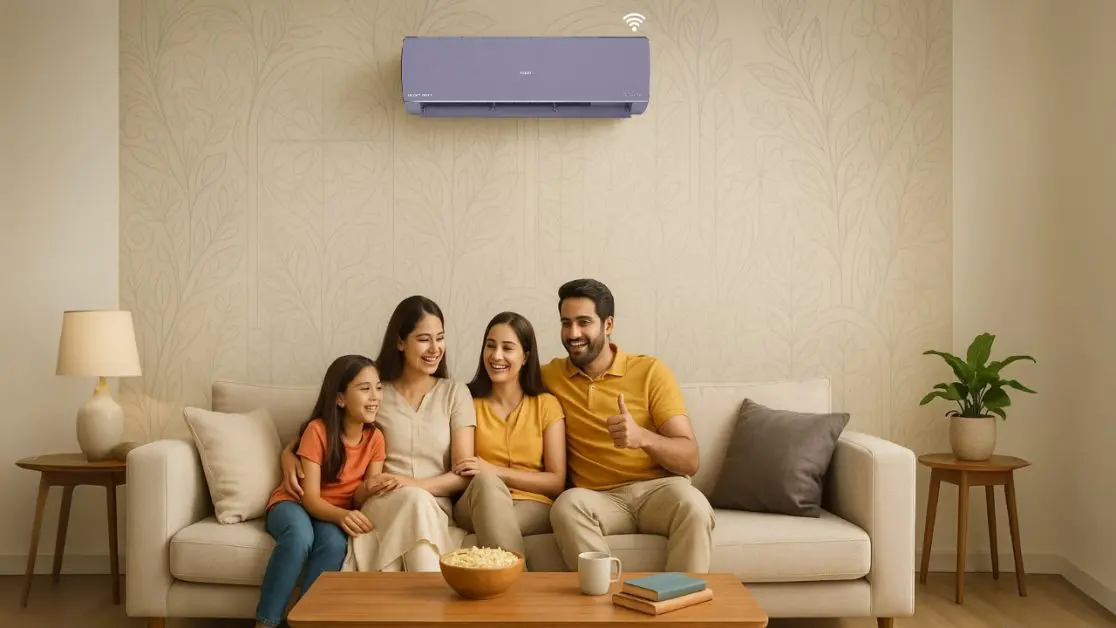
Think about the first week of October.
Monsoon showers have washed the city, mornings are cooler, and nights don’t demand that full blast of cold air anymore.
This is the season when families in Jaipur, Mumbai, and Lucknow reach for the remote, set the AC on fan mode, and eventually just switch it off. By the second week, the ceiling fan, often ignored in peak May heat, becomes the main character again.
It’s not just nostalgia. It’s thermodynamics meeting everyday life.
Why fans suddenly feel “just right”
Fans are making a comeback for three big reasons:
1. Comfort in moderation
After weeks of sticky humidity, people want circulation, not freezing. Fans move the air, keep the room breathable, and don’t shock the body with temperature swings.
2. Lower electricity bills
A fan uses about 75 watts. An AC? Anywhere between 900–2000 watts. As soon as evenings get pleasant, the mental math kicks in. Why pay a heavy bill for light cooling?
3. Seasonal rhythms
Indian households know how to adapt. Summer is for ACs, October is for fans, and December brings the blankets out. Appliances aren’t just machines; they’re part of this seasonal choreography.
ACs don’t disappear they downshift
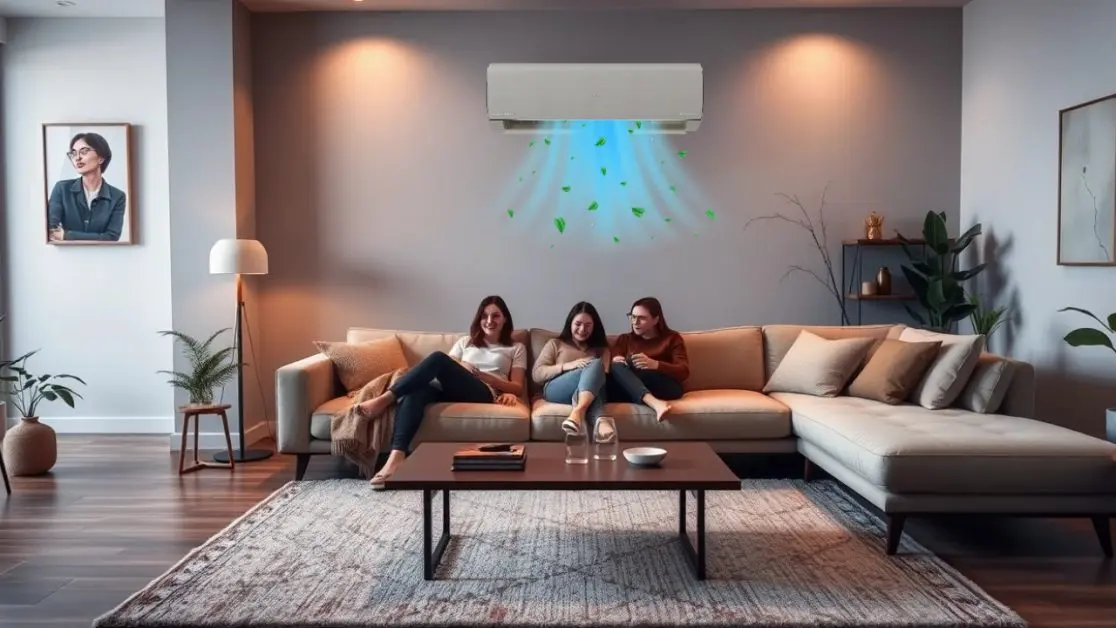
Here’s the interesting part: ACs aren’t really abandoned. They just fade back.
Most families don’t unplug them. They shift to 26–28°C or fan mode. Couples in Gurugram still keep the AC on during humid evenings, but it runs less often. Solo professionals in Bengaluru use it for an hour, then switch to the fan through the night.
Smart ACs, like Haier’s Gravity Series 1.6 Ton 5 Star AI Smart, are designed for exactly this rhythm. They sense room conditions, optimize power, and make sure you’re not wasting energy when the weather itself is helping.
So the story isn’t AC versus fan. It’s AC and fan, in balance.
The economics of “cooling choice”
Let’s put numbers to it.
| Appliance | Power Consumption | Average Daily Use (Sept) | Cost per Day (Approx) |
| Ceiling Fan | 75 watts | 12 hours | ₹7–8 |
| AC (1.5 ton, inverter) | 1200 watts | 3–4 hours | ₹40–50 |
| Combo (AC + Fan) | Mixed | Balanced | ₹20–25 |
The table tells a story. The “combo” approach AC for an hour or two, fan for the rest isn’t just comfortable, it’s economically efficient.
That’s why the comeback isn’t about rejecting ACs. It’s about rediscovering the sweet spot.
Fans carry cultural memory
A fan isn’t just a machine. It’s part of Indian family life.
- The ceiling fan in the living room that doubles as the spot for hanging birthday balloons.
- The pedestal fan dragged onto balconies for chai evenings in Delhi.
- The quiet whir of a table fan during exams, when parents insist AC air is “too strong for health.”
When October arrives, these memories resurface. The fan becomes more than functional; it’s familiar, grounding, and almost ritualistic.
Technology is blurring the lines
Fans are no longer “basic.” Just like ACs are no longer power guzzlers.
- Smart Fans now come with remote controls, variable speeds, and even app connectivity.
- AI Smart like Haier’s Gravity Series adjusts cooling automatically, saving power when the outside temperature drops.
- Hybrid habits are becoming the norm: running both together for better circulation at lower energy costs.
Technology isn’t choosing sides, it’s helping fans and ACs coexist.
October brings lifestyle changes, not just weather changes
Festivals start rolling in Ganesh Chaturthi, Navratri, Diwali prep just around the corner. Homes become busy with guests, cleaning, cooking, and late-night chats.
And what do people want during this season?
- Comfortable airflow that doesn’t overpower.
- Cooling that doesn’t spike the electricity bill right before festive shopping.
- Appliances that adapt quietly, intelligently, without constant fiddling.
This is why smart appliances resonate. They match the rhythm of life, not just the weather chart.
Three ways households balance ACs and fans in October
1. The Timer Trick
Set the AC for the first two hours of sleep, let the fan carry the night.
Benefit: Saves up to 30% on power bills.
2. Fan + AC Combo
Use both at lower AC settings. The fan circulates the cool air better, so you don’t need extreme cooling.
Benefit: Comfort with moderation.
3. Room Zoning
AC for bedrooms, fans for shared spaces like kitchens or study rooms.
Benefit: Energy used where it matters most.
This isn’t a theory. It’s how Indian families are already adapting, mixing old wisdom with new tech.
What this means for Indian homes
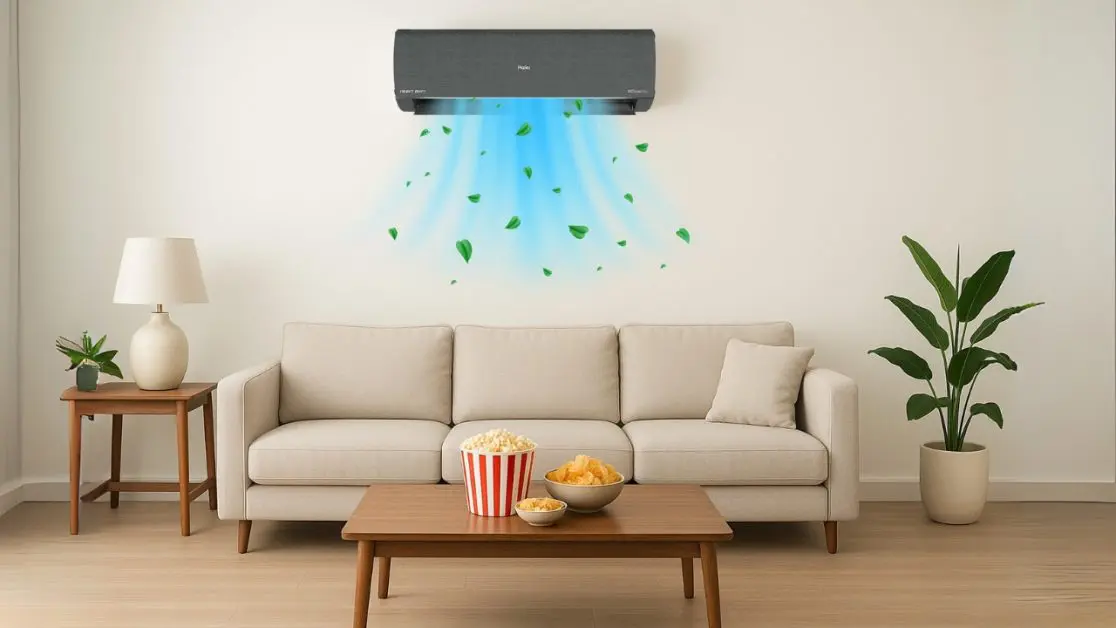
The comeback of fans in October teaches a broader lesson:
- Appliances aren’t rivals, they’re part of a system.
- Energy habits shift with seasons. Summer, monsoon, post-monsoon, and winter each demand different rhythms.
- Smart design matters. Whether it’s a fan with silent mode or a Haier AC with AI energy optimisation, the winning appliances are those that adapt to context.
So, are ACs fading back?
Yes but only in the way a stage actor steps back after delivering a powerful monologue, letting another actor take the spotlight.
Fans are that spotlight in October. But ACs remain in the wings, ready for their scene again in April.
The wise household doesn’t cling to one appliance. It choreographs both using fans for everyday comfort, keeping smart ACs as the energy-savvy partner that knows when to step in.
Haier in this seasonal dance
Haier’s Gravity AI Series ACs are built for exactly this October shift. With 5-Star energy efficiency, AI-driven auto-adjustment, and smart modes, they ensure you don’t waste cooling when the weather itself is helping.
Think of it as an AC that understands seasons the way you do. It knows when to work harder, when to ease off, and when to simply circulate air like a fan.
That’s how modern appliances earn their keep not just by performing, but by understanding context.
The larger implication
October reminds us that comfort isn’t about maximum cooling, it’s about right-sized cooling.
The fan’s comeback is less about technology and more about philosophy: use only what you need, when you need it.
And in that philosophy lies the future of Indian homes smarter, simpler, more sustainable.
Closing thought
Fans making a comeback isn’t a rejection of ACs. It’s India rediscovering balance, rhythm, and context.
October is proof that the best living spaces aren’t defined by appliances alone, but by how thoughtfully we use them.