

You no longer have to lock yourself into one choice. Modern water heating lets you decide moment by moment.
Faster heating when mornings are rushed. Lower power consumption when routines slow down. The real upgrade is not speed or savings. It is controlled.
Every Indian morning starts with the same quiet question
It is early.
Someone is already in the bathroom.
Someone else is watching the clock.
The water heater switch clicks on.
And a familiar thought follows.
“Will this heat fast?”
“Will the bill jump again this month?”
This decision happens every day in Indian homes. It just rarely gets talked about.
Because water heating is not a headline appliance.
It is an invisible system.
And invisible systems shape daily life more than we realise.
Why faster heating feels like freedom
Speed removes friction.
Instant water heaters exist for one simple reason. Indian mornings do not wait. School schedules. Office calls. Packed routines. None of them allow room for pre-heating or planning.
This is where high-power instant water heaters, typically rated around 3 kW, change behaviour. They heat water only when you open the tap. No storage. No waiting. No advance switching.
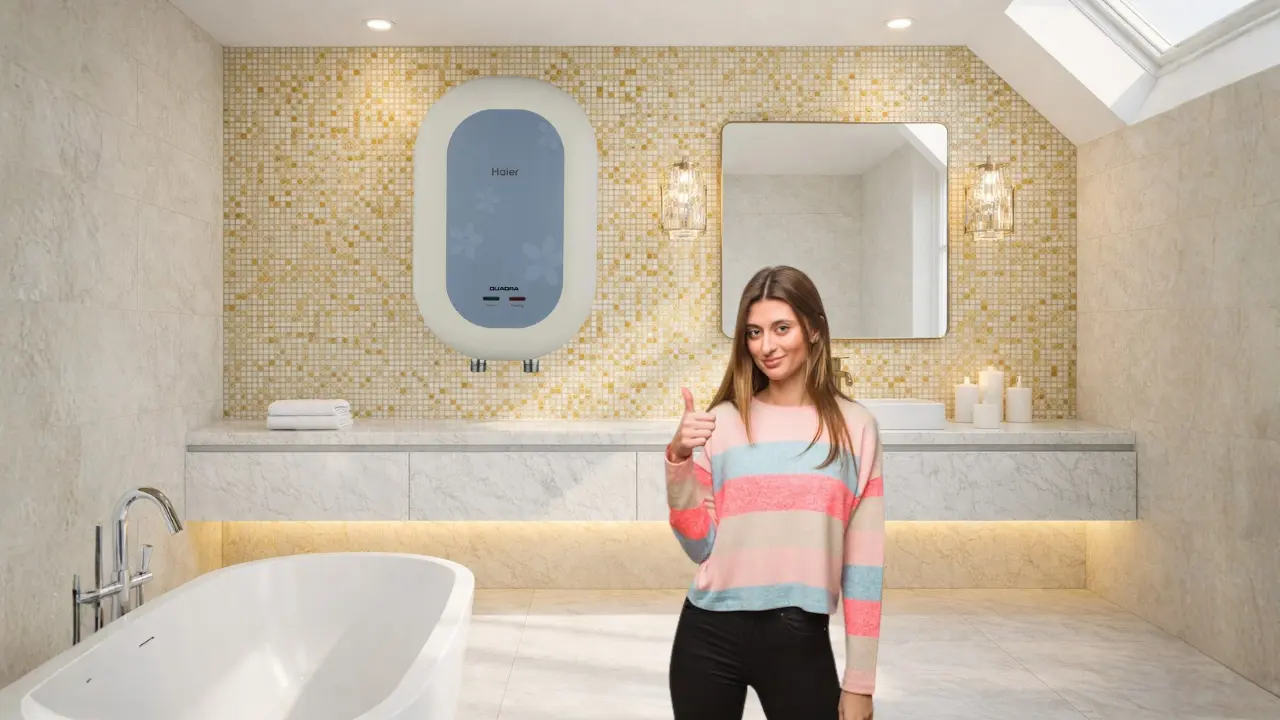
A compact model like the Haier 3L IPX4 Ivory Instant Water Heater (ES3V-C1(I)-P) is designed exactly for this reality. It delivers hot water on demand, without asking you to change how you live.
The benefits are immediate.
- Hot water in seconds
- No need to plan usage
- No energy wasted reheating unused water
In small apartments, rental homes, or single-bathroom setups, faster heating does not feel indulgent. It feels necessary.
But speed raises a concern.
Power consumption.
Why lower power bills feel responsible
Savings offer peace of mind.
Many families still prefer slower, controlled heating because it feels predictable. Heat once. Use multiple times. Keep monthly electricity bills stable.
Lower wattage systems spread energy use over time. They suit homes with fixed schedules and multiple users. They also feel safer for older wiring or high-usage households.
This choice makes sense.
But it hides a cost that often goes unnoticed.
Stored hot water loses heat constantly. Reheating cycles run even when no one is using the water. Over a month, that standby loss adds up.
Efficiency is not just about wattage.
It is about when energy is used and when it is wasted.
The real decision most homes are actually making
The debate is not faster heating versus lower power bills.
The real decision is this.
How adaptable is your water heating system to your life?
Modern instant water heaters are built around this idea. They use power intensely but briefly. They shut off automatically. They heat only what is required.
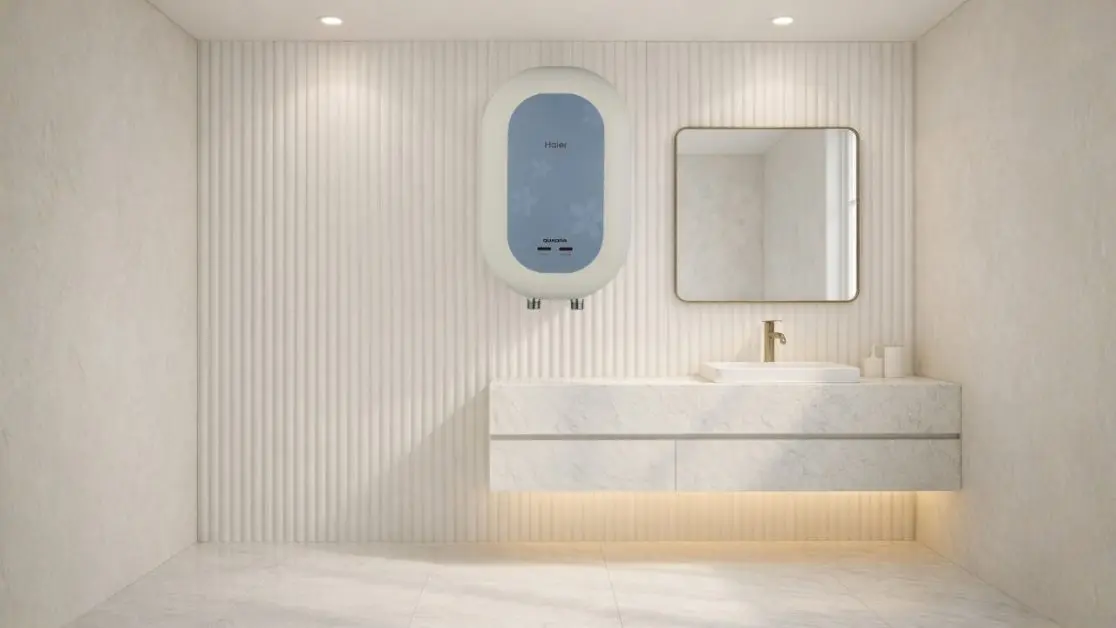
For example, a 3-litre instant heater like the Haier 3L Ivory Instant Water Heater (EI3V-C1(I)-P) uses energy only during active use. No storage losses. No idle reheating. No guessing.
Speed and savings stop being opposites when usage is precise.
How Indian households actually use hot water
Let us look at real patterns, not ideal ones.
One option is the rushed weekday mode
Mornings are chaotic. Speed matters more than optimisation.
Instant heating works best here.
Short usage. High efficiency. Zero waiting.
A fast heater running for two minutes often consumes less energy than a slow heater running for fifteen.
The second option is the predictable family routine
Multiple users. Fixed timings.
Here, consistency drives efficiency. Heating once and using sequentially reduces repeated power draw.
The third option is flexible living
This is where modern design shines.
Homes switch between speed and savings automatically based on usage. Intelligent cut-offs, precise thermostats, and controlled heating cycles do the thinking in the background.
This mirrors real life.
Some days are rushed.
Some days are relaxed.
Good systems adapt.
What most people misunderstand about electricity bills
A high power rating does not equal high bills.
Electricity consumption depends on three things.
- Power rating
- Duration of use
- Frequency of heating
A high-wattage appliance used briefly can consume less electricity overall than a low-wattage appliance running repeatedly.
This is why instant water heaters often surprise users with stable monthly bills, especially in homes with irregular usage.
Efficiency is about precision, not restraint.
Why safety design changes energy behaviour
Safety is not just protection. It influences efficiency.
Modern instant water heaters now include:
- Dual thermal protection that shuts off heating at safe temperatures
- Pressure relief valves that prevent stress on the system
- Anti-bacterial heating modes that activate only when required
- IPX4-rated water resistance for safer installation near wet zones
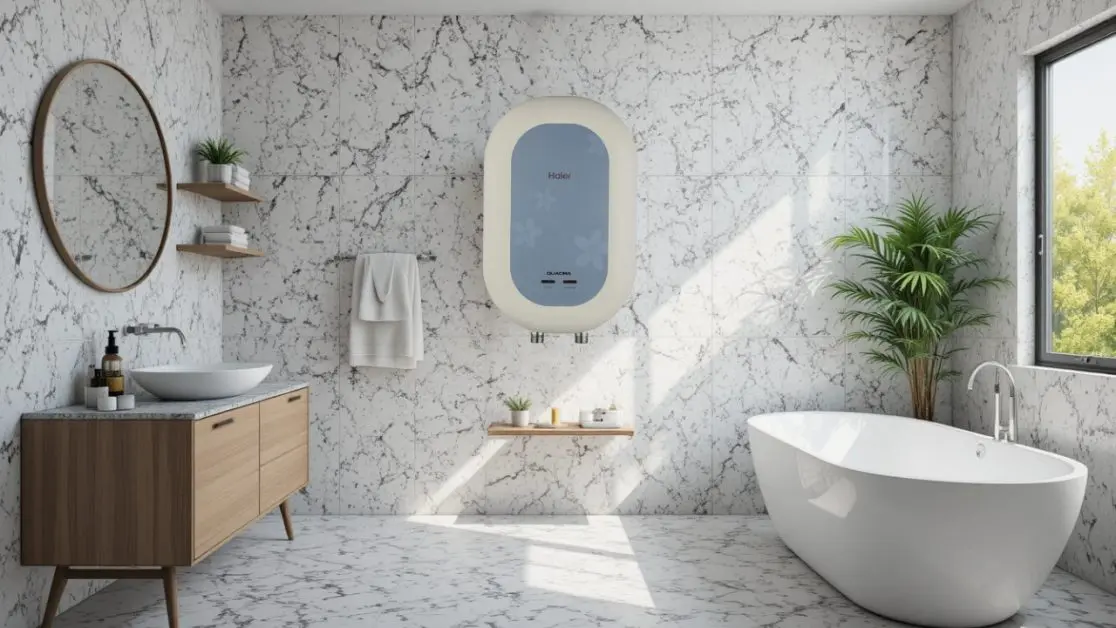
Models like the Haier 3L IPX4 Ivory Instant Water Heater (ES3V-C1(I)-P) integrate these features so the system never overheats, never dry-heats, and never consumes power unnecessarily.
When appliances feel safe, people stop overusing them “just in case”.
Trust reduces waste.
Design details that quietly improve efficiency
Small design choices create long-term impact.
- Compact tanks reduce standby heat loss
- Glass-lined interiors resist corrosion and retain heat longer
- High-grade stainless steel heating elements improve heat transfer
- Wall-mounted designs place heaters closer to usage points
These details shape daily habits.
Good design does not demand discipline.
It removes the need for it.
Why urban Indian homes are choosing instant heating
Homes are getting smaller. Lifestyles are getting faster. Usage is becoming more individual.
Instant water heaters fit this shift naturally.
They do not ask families to plan.
They do not store unused heat.
They do not disrupt routines.
For young professionals, couples setting up new homes, and families in apartments, instant systems offer a balance of speed, safety, and controlled energy use.
This is not a trend.
It is a response to how cities live today.
The bigger system behind smarter homes
The future of appliances is not automation alone.
It is optional.
Systems that allow speed when time is tight.
Systems that support savings when routines are calm.
When appliances adapt to people, efficiency becomes effortless.
That is how trust is built.
Quietly.
Daily.
So what should you actually choose
Do not lock yourself into faster heating forever.
Do not sacrifice daily comfort in the name of lower bills.
Choose flexibility.
Choose systems that respect your mornings and your electricity bill equally. Choose appliances designed for real Indian homes, not idealised usage charts.
The best appliances do not force a decision.
They give you one.
One thought worth keeping
Speed solves moments.
Efficiency sustains months.
Smart homes know when to prioritise each.
That insight applies far beyond water heating.
Frequently Asked Questions
Why does this choice feel stressful every morning?
Because water heating is invisible but time-sensitive. When comfort, schedules, and bills collide daily, even small delays or surprises feel personal.
Is reheating stored water less efficient than heating fresh water instantly?
Often, yes. Reheating compensates for heat loss, not usage. Instant heating aligns energy use directly with demand.
How do modern water heaters actually save energy without me doing anything?
Through:
Automatic shut-off after use
Precise thermostats
No standby heating
Safety systems that prevent dry-heating or overheating
These features remove human error from daily usage.
Are compact instant heaters really enough for daily use?
For single-bathroom homes or short showers, yes. Compact design reduces heat loss and places the heater closer to the tap, improving efficiency.
Why does my storage heater seem to run even when I’m not using hot water?
That’s a standby loss. Stored water cools down and triggers reheating cycles silently.
What should I actually look for when buying a water heater?
Usage pattern (not family size alone)
Duration of hot water use
Safety features
Standby loss vs on-demand heating
How much planning it demands from you
Who might still prefer storage heaters?
Large families with fixed routines and back-to-back usage where one heating cycle serves many users.