
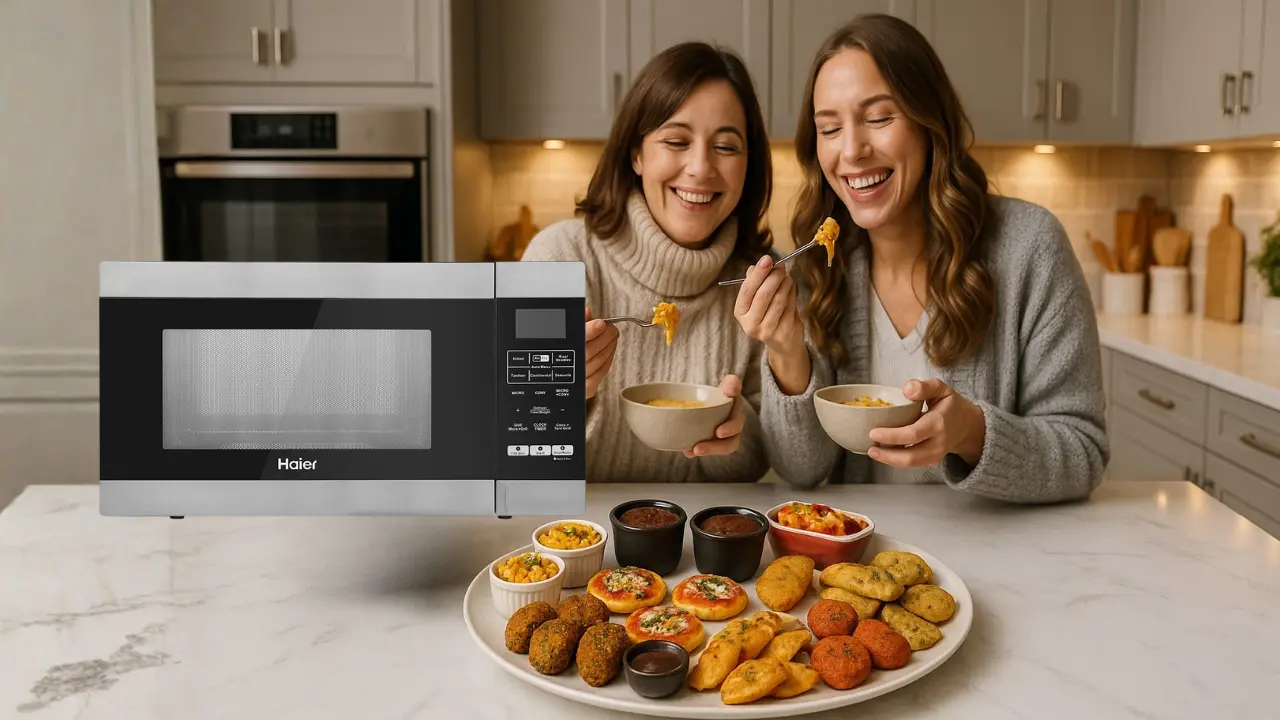

February meal prep without standing in the kitchen is about building food systems that run quietly in the background.
It means fewer daily decisions, less physical effort, and smarter use of appliances that cook while you live your life. Instead of showing up at the stove every evening, you set things up once and let technology take over.
That is the real February upgrade.
Why does February quietly change how we cook at home?
February sits in an in-between space.
Winter is easing out. Summer has not arrived yet. The body wants warmth, but the mind wants ease. Long cooking sessions feel unnecessary. Daily decision-making feels tiring.
You still want home food.
You just do not want to stand for it.
This is why February becomes the perfect month for meal prep that does not demand your presence in the kitchen.
Not dramatic changes.
Small systems that stick.
The real issue is not cooking. It is cognitive load
Most people think standing is the problem.
It is not.
The real drain is attention.
Think about a regular weekday evening. Work ends late. Messages are still coming in. The house needs attention. Cooking asks you to focus, decide, monitor, and react.
Each small choice adds friction.
Meal prep works when it removes thinking from the process.
Load.
Set.
Step away.
That is the difference between cooking as labour and cooking as a system.
Appliances change everything when they stop asking questions
Traditional cooking assumes presence.
Stir this.
Check that.
Lower the flame.
Switch vessels.
Modern meal prep assumes absence.
The food cooks whether you are watching or not. The appliance holds temperature. Timers handle precision. Even heat replaces supervision.
This is where convection-based cooking quietly earns its place.
A single appliance handling baking, grilling, reheating, and air frying reduces both effort and mental noise.
The Haier 30L Convection Microwave With In-Built Air Fryer (HIL3001ARSB) fits naturally into this role because it combines multiple cooking methods in one cavity, allowing bulk preparation without constant monitoring .
The win is not speed.
It is a mental relief.
Three practical ways Indian homes are meal-prepping this February
Meal prep fails when it feels heavy. These approaches work because they respect how Indian homes actually function.
Option one is batch cooking without supervision
The biggest mistake people make is batch cooking on the stove.
Standing for an hour defeats the purpose.
Convection cooking allows you to prepare larger portions without hovering. Dals, roasted vegetables, paneer dishes, grilled chicken, baked pasta, and kebabs can all be cooked evenly while you do something else.
You load the tray.
You set the mode.
You leave.
The appliance handles the rest.
This approach saves posture, time, and attention in one move.
Option two is reheating that respects the food
Reheating decides whether meal prep feels like a win or a compromise.
Poor reheating dries food out and kills motivation. Controlled microwave and convection reheating keeps texture intact.
Rice stays fluffy.
Curries stay rich.
Grilled food stays crisp.
Smart reheating turns leftovers into planned meals.
That shift changes behaviour.
Option three is cooking that overlaps with life
The best meal prep happens while life continues.
You prep vegetables during a call.
You cook while laundry runs.
You reheat between conversations.
Modern kitchens are no longer single-task spaces. Appliances now work in parallel with daily routines.
This overlap is the real luxury.
Sitting down changes how food decisions are made

Standing makes cooking feel urgent.
Sitting makes it intentional.
When cooking does not demand constant presence, people think in portions and patterns. They plan for the week instead of reacting to the day.
February supports this rhythm.
Soups deepen overnight.
Marinades improve with time.
Baked dishes settle and mature.
The food gets better because the process slows down.
Meal prep is also an energy management decision
February is when power usage begins to climb.
Fans return. AC season approaches. Kitchens that rely heavily on stovetops add unnecessary heat to the home.
Appliance-led meal prep reduces this load.
Convection and microwave cooking generate less ambient heat. Batch cooking cuts daily power spikes. Air frying avoids extended oil heating.
According to energy efficiency insights from the Bureau of Energy Efficiency, shifting from daily stovetop cooking to batch-based appliance cooking can reduce kitchen energy consumption by up to 20 percent over time.
Comfort improves.
Bills stay controlled.
Why Indian food naturally supports meal prep
Indian cooking is already built for this.
Rajma tastes better the next day.
Biryani improves overnight.
Curries develop depth with rest.
Meal prep is not a foreign idea. What was missing was technology that supported it without effort.
Modern appliances now support:
- Large-capacity cooking without constant stirring
- Auto programs that remove guesswork
- Consistent reheating without texture loss
This evolution feels natural, not forced.
Where Haier fits into this system quietly
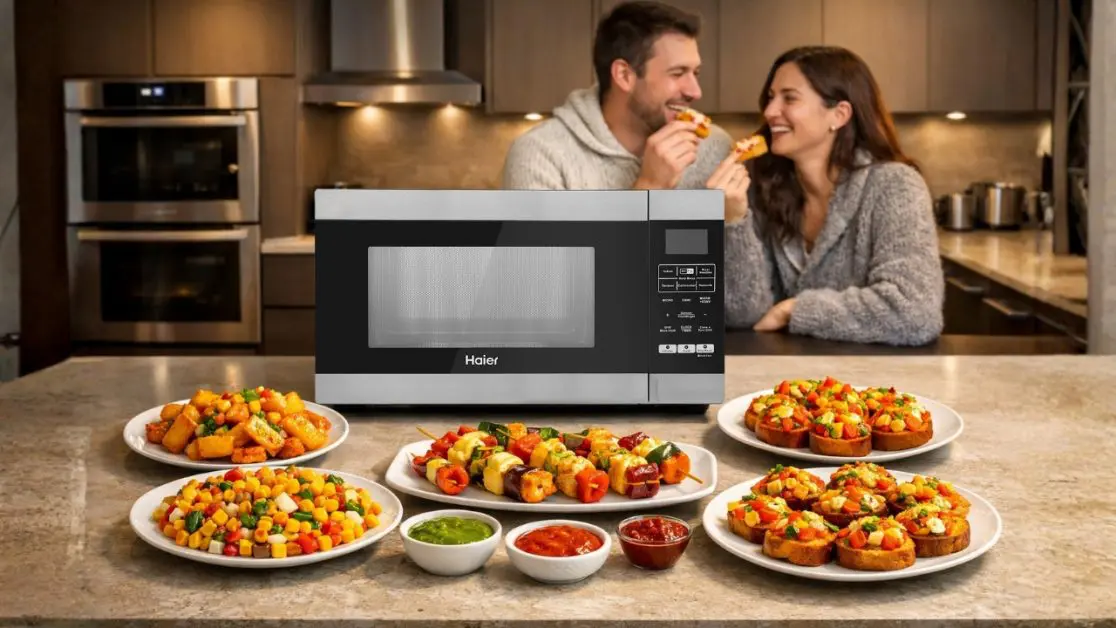
Good appliances do not demand attention.
They disappear into routines.
Haier India focuses on products that adapt to real household behaviour rather than ideal scenarios. The Haier 30L Convection Microwave With In-Built Air Fryer (HIL3001ARSB) supports multiple cooking styles in one unit, reducing clutter, effort, and decision fatigue .
It is not about features.
It is about fewer interruptions.
That is what builds trust.
A February meal prep framework that actually lasts
Forget complex recipes. Think in systems.
The three-box system
- One protein base cooked in bulk
- One versatile vegetable preparation
- One carb that reheats cleanly
This structure creates variety without extra effort.
Paneer bhurji becomes wraps, bowls, or toast toppings.
Roasted vegetables shift from lunch to dinner.
Rice transforms into pulao or fried rice.
One cooking session.
Multiple outcomes.
The temperature ladder
Cook foods from highest to lowest temperature.
High heat dishes first.
Medium heat next.
Reheating last.
This reduces warm-up cycles, saves energy, and shortens active kitchen time.
Small discipline.
Big payoff.
Standing less leads to eating better
When cooking feels exhausting, people default to delivery.
When cooking feels effortless, people plan ahead.
February meal prep without standing in the kitchen lowers the barrier to home food. You eat better because it is easier than ordering out.
That habit compounds quietly.
The bigger system is not food. It is flow
Modern homes manage flow more than tasks.
Work flow.
Energy flow.
Family flow.
Food flow.
Kitchens that respect this flow feel supportive instead of demanding. Appliances that handle timing and precision allow people to focus on living.
February reminds us that comfort and efficiency are not opposites.
You do not need to stand to cook well.
You need systems that stand in for you.
That idea lasts well beyond the month.
Frequently Asked Questions
Why do I feel so tired thinking about dinner every single evening in February?
Because it’s not just cooking, it’s decision-making. February sits in a transitional season where energy is lower, routines feel repetitive, and daily food choices add cognitive load. Meal prep reduces the number of decisions you make during the week.
Is standing really the problem, or is it the constant thinking about food?
For most people, it’s the thinking. Monitoring heat, adjusting spices, timing multiple dishes, it drains attention. Systems-based cooking shifts the mental load to appliances and pre-set plans.
How does meal prep actually reduce stress?
It removes reactive decisions. When food is already cooked or partially prepared, dinner becomes execution not problem-solving.
Why does February feel harder for cooking compared to January?
January feels fresh and structured. By February, motivation dips, routines settle, and decision fatigue increases. Simple systems work better than ambitious cooking plans this month.
Will my food taste stale if I meal prep for 3–4 days?
Not if reheated correctly. Controlled microwave and convection reheating preserves moisture and texture better than stovetop reheating.
Does reheating ruin rice or make it dry?
Poor reheating does. But moisture-controlled reheating in a convection microwave keeps rice fluffy instead of brittle.
Is batch cooking safe in Indian homes with fluctuating temperatures?
Yes if food is cooled properly and refrigerated within two hours. Reheat thoroughly before serving.
Why do my leftovers taste worse the next day?
Usually because of uneven reheating or overcooking during the first round.