
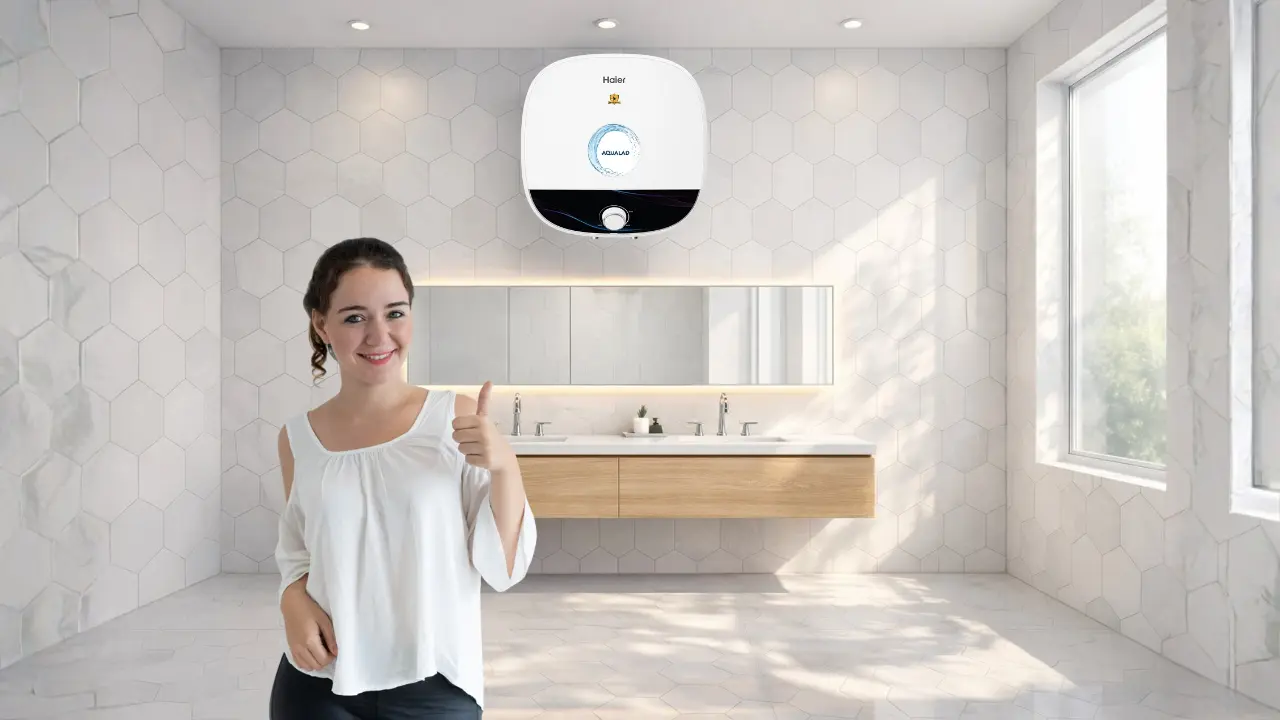

Free connection pipes reduce hidden costs by removing surprise installation charges, preventing plumbing mismatches, and improving long-term safety and efficiency.
When water heaters include free pipes and installation support, homeowners avoid extra labour fees, last-minute hardware purchases, and performance issues that quietly increase electricity and maintenance bills.
A new home always looks sorted on the outside.
Fresh paint. Clean tiles. A neatly mounted water heater.
Then the bill arrives.
Extra pipes. Extra fittings. Extra labour.
And suddenly the appliance price was only the beginning.
This is where free connection pipes quietly change the equation.
Not as a freebie.
As a system decision.
The Hidden Costs No One Mentions During Installation
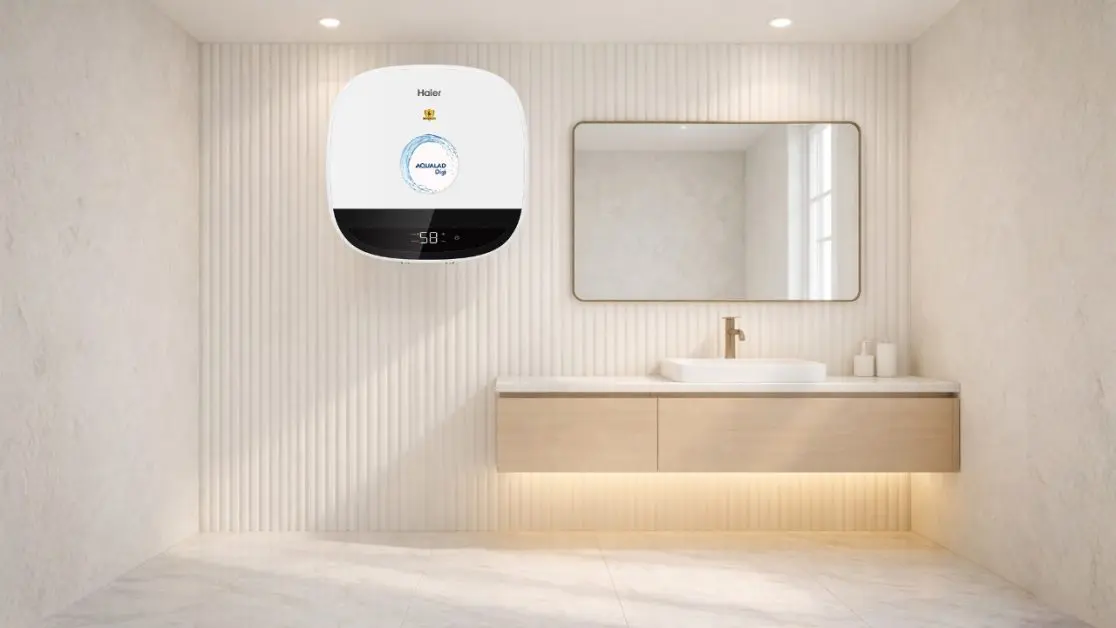
Walk into any new apartment handover in Mumbai, Bengaluru, or Gurgaon. The excitement is real. So is the checklist.
Curtains. Gas connection. Internet. Water heater installation.
It is the last one that surprises people.
The typical breakdown looks like this:
| Item | Average Extra Cost in Urban India |
| Connection pipes | ₹800 to ₹1,500 |
| Additional fittings | ₹500 to ₹1,000 |
| Labour adjustment | ₹700 to ₹1,500 |
| Revisit charges | ₹500+ |
Source benchmarks from local installation vendors and service platforms across major Indian cities.
The appliance might cost ₹10,000 to ₹15,000.
But the real installation total quietly climbs by 10 to 20 percent.
And this happens because of one small assumption.
The pipes are “minor.”
They are not.
Why Connection Pipes Matter More Than We Think
A pipe is not a decoration.
It controls pressure. It handles heat. It decides leak risk.
When mismatched pipes are used:
- Water pressure fluctuates.
- Heating cycles increase.
- Mineral buildup accelerates.
- Leak probability rises.
The Bureau of Energy Efficiency notes that inefficient heating systems increase electricity consumption significantly in residential settings.
Small inefficiencies multiply.
And plumbing inefficiency is silent.
No one notices until water drips or electricity bills rise.
Three Installation Paths Homeowners Usually Take
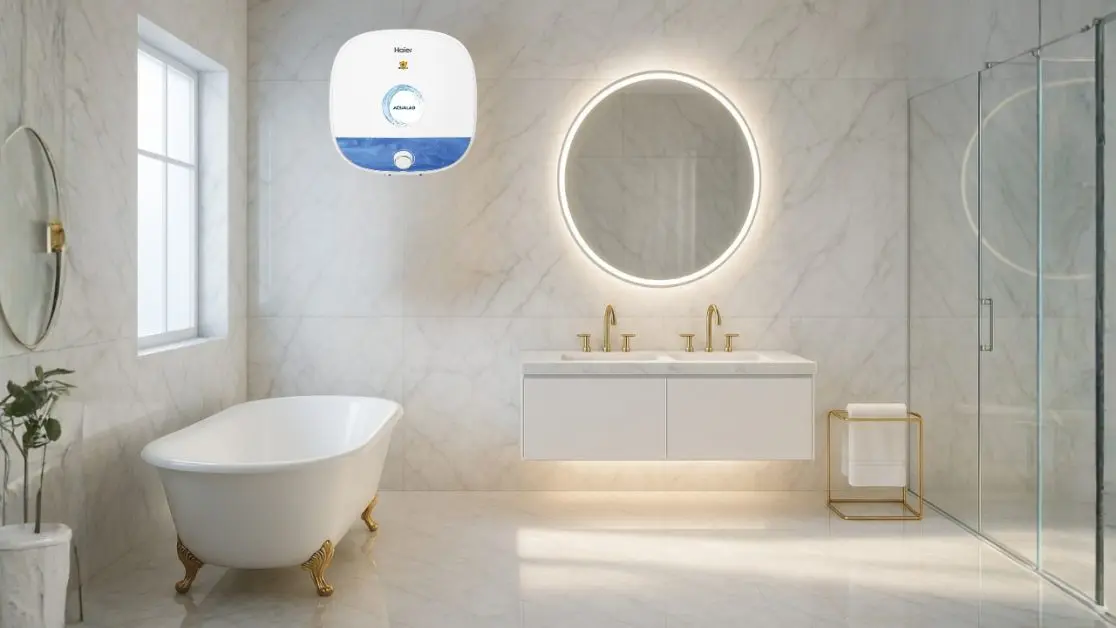
When buying a storage water heater, there are usually three choices.
One option is buying the cheapest unit and sourcing pipes separately.
It feels economical upfront.
But it requires:
- Coordinating with plumbers.
- Choosing compatible pressure ratings.
- Managing multiple bills.
Cost benefit:
- Lower initial appliance price.
- Higher coordination and installation risk.
The second option is relying entirely on the installer’s inventory.
This works.
But installers often use whatever pipes are available that day.
Cost benefit:
- Quick solution.
- Unpredictable material quality.
The third option is choosing a model that includes free connection pipes and installation support.
This is structured.
The pipes are matched to:
- Pressure rating.
- Heating element capacity.
- Safety standards.
Cost benefit:
- Predictable installation cost.
- Reduced leak and maintenance risk.
Hidden costs disappear when the system is integrated.
That is the difference.
How Free Pipes Reduce Long-Term Electricity Waste
Water heaters work in cycles.
Heat.
Store.
Reheat.
If pipes leak heat or pressure fluctuates, reheating frequency increases.
The Haier 15L Square AQUALAD PRO 5 Star Water Heater ES15V-AQUALAD PRO includes superior PUF insulation and 1/2/3 kW power options.
Better insulation reduces reheating.
Matched connection pipes ensure:
- Stable pressure.
- Controlled flow.
- Efficient heat retention.
Now add data.
According to BEE star rating benchmarks, 5 Star appliances consume up to 20 percent less electricity compared to lower-rated units under standard usage conditions.
Efficiency depends on the entire system.
Not just the tank.
Safety Is a Cost Issue Too

We treat safety like a separate topic.
It is not.
Electrical shocks, pressure leaks, and burst valves create both physical and financial risk.
The Haier Square AQUALAD PRO models offer:
- Shock Proof technology.
- Dual Thermal Proof system.
- 8 Bar rated pressure capability.
- MUV multi usage valve.
These features are detailed in the official product sheets for both 15L and 25L variants .
When pipes are included and installed as part of the design system:
- Pressure ratings match 8 Bar capacity.
- Drainage aligns with MUV valve design.
- The anti-vacuum function works properly.
Poor quality pipes compromise safety systems.
And safety repairs are expensive.
One water damage incident in an apartment can cost ₹15,000 to ₹50,000 in repairs.
Free pipes reduce the chance of that domino effect.
What Happens in High Rise Buildings
Urban India is vertical.
High rise apartments generate higher water pressure.
That is why 8 Bar pressure rating matters.
The 8 Bar rated pressure feature is specifically designed for high rise buildings.
But pressure rated tanks alone are not enough.
Connection pipes must match pressure tolerance.
Otherwise:
- Pipe bulging occurs.
- Joint stress increases.
- Slow leaks begin.
Free connection pipes ensure pressure alignment.
Which means fewer service calls.
And fewer disruptions.
The Financial Math Is Simple
Let us compare.
| Scenario | Appliance Price | Extra Installation | Risk Exposure | Total Effective Cost |
| Separate pipes | ₹11,000 | ₹2,500 | Medium | ₹13,500+ |
| Installer sourced pipes | ₹11,000 | ₹1,800 | Variable | ₹12,800+ |
| Free pipes included | ₹11,000 | ₹0 | Low | ₹11,000 |
These are indicative numbers based on metro city averages.
The difference is not small.
It compounds.
Like interest.
A Small Example From Real Life
A young couple in Pune recently shifted into a 2BHK.
They bought a storage water heater online.
The unit price looked attractive.
Installation day arrived.
The plumber said existing pipes were incompatible.
New pipes cost ₹1,200.
Additional fittings ₹600.
Labour ₹1,000.
Total surprise ₹2,800.
They paid.
Because no one wants a cold shower.
Contrast that with systems that include free installation and pipes as listed in the Haier AQUALAD PRO product details under exclusive offer section .
The difference is not dramatic.
It is quiet.
And that is why it matters.
Why Modern Homeowners Prefer Integrated Systems
Millennials and Gen Z homeowners prefer clarity.
Fixed costs.
Transparent benefits.
Minimal coordination.
Free connection pipes align with that mindset.
They remove friction.
And friction always has a cost.
Sometimes financial.
Sometimes emotional.
When installation feels predictable, the appliance feels premium.
Even before it heats water.
The Bigger System Insight
Homes run on invisible systems.
Plumbing.
Electrical load.
Pressure.
Insulation.
When appliances respect those systems, costs stay controlled.
When they ignore them, costs leak.
Literally.
Free connection pipes are not about generosity.
They are about integration.
Integration reduces entropy.
And entropy is expensive.
What This Means for Indian Households
Indian homes today operate under two pressures:
- Rising electricity tariffs.
- Rising service costs.
Every unnecessary service visit costs ₹500 to ₹1,000 minimum.
Every inefficient heating cycle adds to the monthly bill.
Every plumbing mismatch increases risk.
When choosing a water heater, look beyond:
- Capacity.
- Star rating.
- Price tag.
Also check:
- Are connection pipes included?
- Is installation structured?
- Are safety valves integrated?
- Does pressure rating match your building height?
The right questions reduce hidden costs.
The wrong assumptions multiply them.
The Quiet Advantage of Thoughtful Design
The Haier Square AQUALAD PRO 5 Star series, available in 15L and 25L variants, integrates safety systems, convertible 1/2/3 kW power, titanium heating elements, and includes free installation and pipes.
That combination is not accidental.
It reflects a design philosophy.
Design is not what we see.
It is what we do not have to fix later.
Final Thought: Small Inclusions Change Big Outcomes
A pipe looks insignificant.
Until it leaks.
A small inclusion looks minor.
Until it saves ₹3,000 and three service calls.
Homeownership is not about avoiding spending.
It is about spending wisely.
Free connection pipes reduce hidden costs because they eliminate surprises, protect efficiency, and align safety with structure.
In a world where everything feels uncertain, predictable installation is underrated.
Sometimes the smartest upgrade is the one that removes problems you never wanted to solve.
And that is how a simple pipe becomes a financial decision.
Frequently Asked Questions
Why do I feel like the water heater price is never the final price?
Because installation often adds surprise costs pipes, fittings, labour which can increase your total spend by 10–20%. Models that include matched connection pipes eliminate that uncertainty.
Should I choose a slightly costlier heater if it includes free pipes and installation?
Yes, if it prevents ₹2,000–₹3,000 in surprise installation costs and reduces future maintenance risk, the total effective cost is often lower.
Is buying separate pipes really cheaper in the long run?
Usually no. While the appliance price looks lower, coordination, mismatched fittings, and extra labour charges often erase those savings.
I just moved into a high-rise. Does pipe quality really matter that much?
Yes. High-rise buildings have higher water pressure. If pipes don’t match the 8 Bar pressure rating of the heater, bulging, joint stress, and slow leaks can develop.
Can poor-quality pipes increase electricity bills?
Indirectly, yes. Pressure fluctuations and heat leakage can increase reheating cycles, raising power consumption over time.
Is safety really affected by something as small as connection pipes?
Absolutely. Pipes must align with safety valves, anti-vacuum systems, and pressure ratings. Poor alignment compromises the entire safety design.
Does insulation matter more than pipe quality? Or do both matter?
Both matter. Insulation reduces heat loss from the tank, while matched pipes maintain stable pressure and heat retention. Efficiency depends on the entire system.
How much electricity can I actually save with a 5 Star rated heater?
According to benchmarks from the Bureau of Energy Efficiency, 5 Star appliances can consume up to 20% less electricity under standard usage conditions.
If my heater reheats frequently, could plumbing be the reason?
Yes. Pressure instability and heat leakage from poor connections increase reheating frequency.