


In the Bigg Boss house, the fridge isn’t just an appliance, it’s a quiet scoreboard of alliances.
Who gets what shelf, who sneaks whose milk, who “guards” the butter compartment these tiny negotiations mirror the bigger power plays.
And when the fridge is a Haier Lumiere, designed for shared yet personalised use, it becomes a perfect metaphor for how modern households (and reality shows) manage trust, space, and shifting dynamics.
Why the Fridge Is the Real Game Master

Every season of Bigg Boss teaches us that food is a strategy.
Cooking duty sparks bonds. Eating together builds trust. And the fridge cold, silent, steady reveals what contestants really value.
- Who hoards?
- Who shares?
- Who cleans up the leftovers?
The answers decide more nominations than arguments ever do. The fridge becomes a mirror of invisible politics.
Shared Shelves, Shared Power
Think of it this way:
When three contestants claim the top shelf, what they’re really fighting for is visibility and control. The bottom drawer, on the other hand, often goes to the underdog.
This isn’t just a TV drama , it’s a universal pattern. At work, in families, in flatmate situations, storage reveals hierarchy. The fridge is less about cold air and more about warm signals of respect and dominance.
Lessons From Haier’s Lumiere
Here’s where life imitates design. The 520L Lumiere 4-Door Refrigerator comes with:
- Convertible fridge space like alliances that switch between freezer-cold and friendship-warm.
- Smart Food Management tracks what’s running out before fights break out.
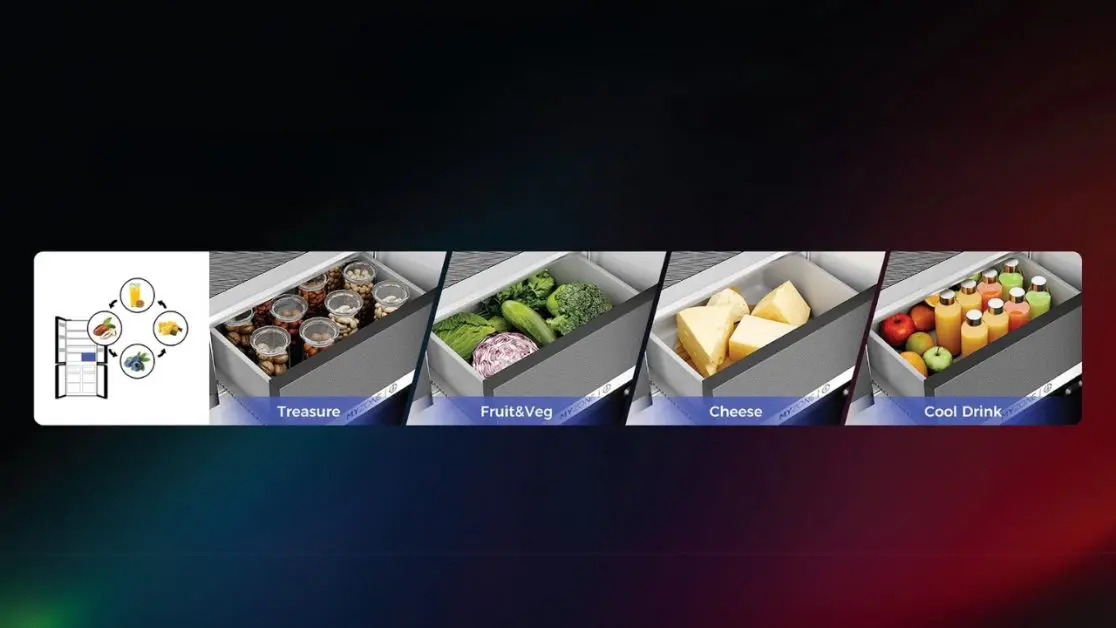
- My Zone & Sun Lit Interior (Mirror Glass variant) a personal spotlight for the items you want to keep visible.
- Anti-tipping shelves (Inox Steel variant) because alliances collapse when foundations aren’t stable.
Bigg Boss contestants don’t have this luxury. But Indian homes do.
The Psychology of Fridge Politics
Why does the fridge matter so much?
Because scarcity sharpens behaviour.
When butter runs out, alliances get tested. When someone finishes the last gulab jamun, loyalties crack. The fridge is a stage where generosity, selfishness, and strategy collide in small, repeatable acts.
It’s why psychologists often say: show me how a family uses its fridge, and I’ll show you its power dynamics.
How Households Echo the Bigg Boss House

Let’s zoom out.
- Parents vs Teens: One claims the vegetable drawer for meal prep; the other sneaks Coke bottles into the back corner.
- Couples: The “your shelf, my shelf” rule often decides peace or conflict.
- Flatmates: Labels on dabbas aren’t just ink, they’re invisible contracts of respect
The fridge in every home is a quiet Bigg Boss. The alliances are different, but the rules are the same.
From Conflict to Coordination
What’s fascinating is how technology can soften these frictions.
A fridge with ABT Pro Technology doesn’t just keep coriander fresh it prevents fights over smell and mess.
A fridge with Smart Connectivity lets you create a shared shopping list, so no one can blame anyone else for the missing paneer.
The right design doesn’t just store food. It stores peace.
What This Teaches Us About Leadership
Bigg Boss fridge politics are more than entertainment. They reveal timeless truths about leadership:
1. Space is power. Who gets the best shelf decides influence.
2. Scarcity reveals character. Sharing in plenty is easy; sharing in shortage defines trust.
3. Systems matter. A fridge with flexible compartments prevents fights the way good policies prevent office politics.
The fridge isn’t neutral. It shapes behaviour by the way it’s built.
The Bigger Picture for Indian Homes
Indian families are moving fast to nuclear homes, urban flats, and work-from-home setups. The fridge is no longer just storage, it’s a system for:
- Managing multiple diets in one home.
- Balancing bulk shopping with daily cravings.
- Keeping relationships sweet by keeping food sorted.
And as the Lumiere shows, design can quietly solve the same problems Bigg Boss contestants fight over on camera.
A Thought to End On
Bigg Boss teaches us drama. The fridge teaches us systems.
Put the two together, and you realise:
The way we share cold space defines the warmth of our relationships.
In the house. In the office. In the family.
And sometimes, the smartest alliances begin not in the living room arguments, but in the quiet, everyday opening of a fridge door.