
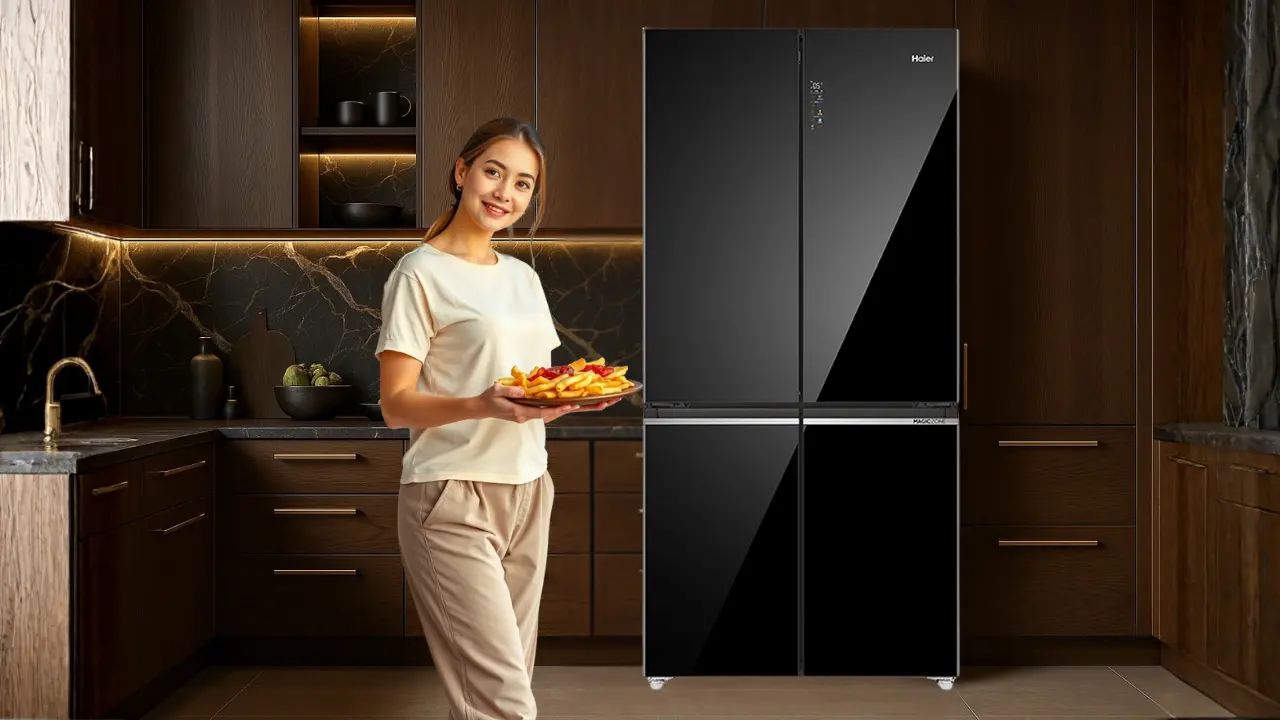

After the monsoon, the fridge should hold moisture-sensitive foods like fruits, veggies, dairy, and leftovers, while the freezer is best for proteins, frozen snacks, and long-term staples.
Knowing what goes where reduces waste, keeps food fresher, and saves energy.
Why Food Storage Feels Trickiest After the Monsoon
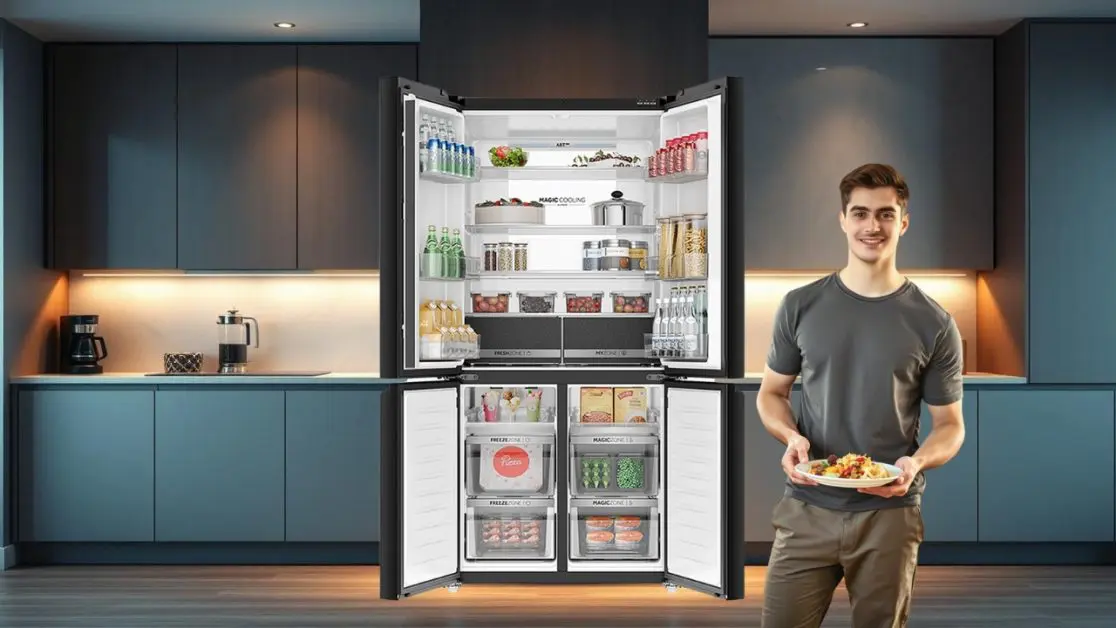
Think about it. The rains have just ended. Your market haul looks fresh, but the air still carries a damp heaviness. Vegetables wilt faster, cooked food doesn’t last overnight without proper chilling, and even dry goods attract moisture.
That’s when the fridge and freezer stop being just storage spaces. They become survival systems for the Indian kitchen.
The challenge is not space. It’s a strategy. What belongs where, and for how long?
Fridge Is for Freshness, Freezer Is for Longevity
Here’s the simplest principle:
- Fridge = short-term freshness
- Freezer = long-term preservation
Your fridge is like the front desk of a hotel, always active, high turnover. The freezer is the archive with less movement, longer storage.
What Belongs in the Fridge After Monsoon?
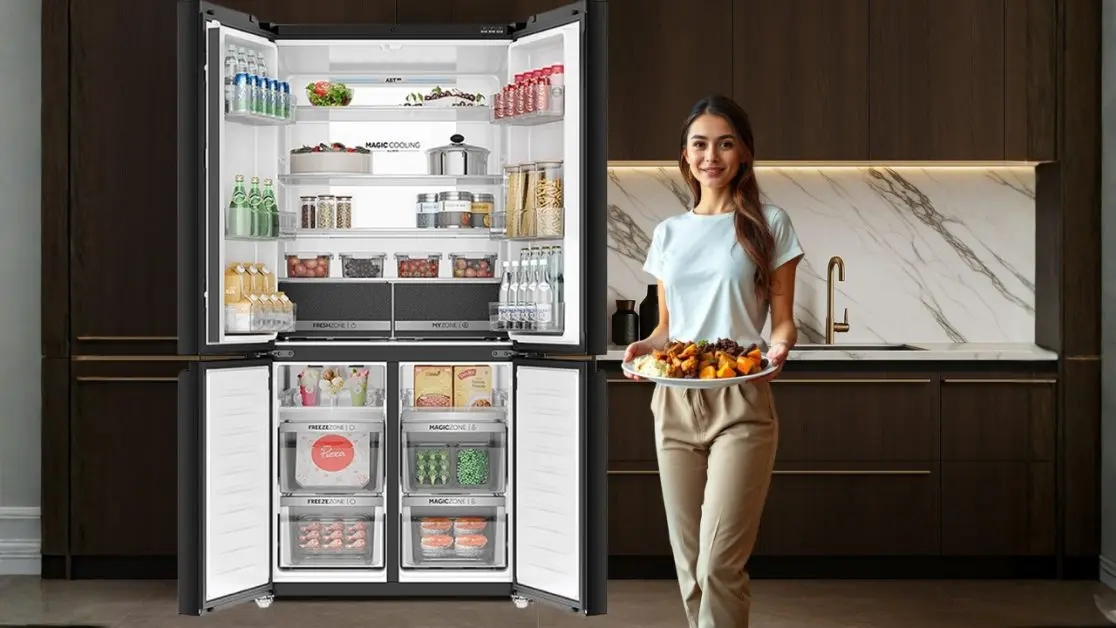
Moisture is the enemy of freshness in humid weather. The fridge shields what you’ll eat in the next 2–5 days.
1. Fruits and Vegetables
- Leafy greens like spinach, coriander, and methi stay crisp for up to 4 days when kept in the crisper box.
- Tomatoes, cucumbers, and gourds do best in breathable bags to prevent sogginess.
- Berries, grapes, and apples belong here to wash only before eating, not before storing.
2. Dairy Essentials
Milk, paneer, curd, and cheese are highly perishable. A steady 2–4°C keeps them safe without losing taste.
3. Leftovers and Cooked Food
That dal from dinner, or yesterday’s biryani should never sit out overnight in post-monsoon humidity. Cool them, then refrigerate within 2 hours.
4. Ready-to-Use Condiments
Pickles, sauces, chutneys, and opened tetra packs (juice, coconut milk) last longer in the fridge.
Tip: Organize by “eat soonest.” Keep food with shorter shelf life at eye level.
What Belongs in the Freezer After Monsoon?
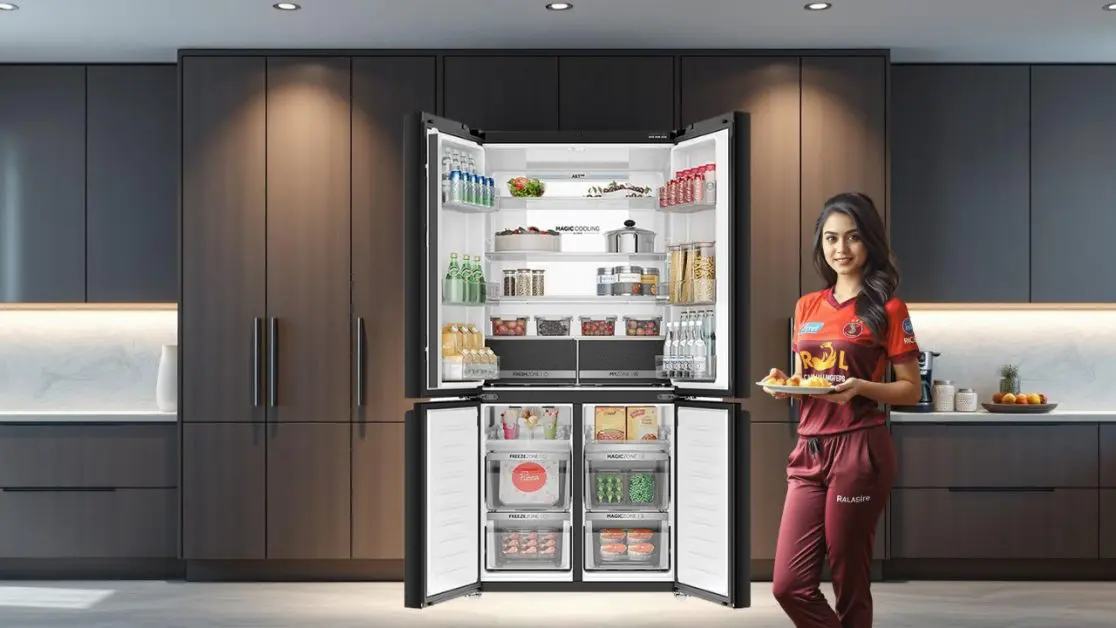
If the fridge is for the week, the freezer is for the month. This is where you park food that humidity would otherwise destroy.
1. Proteins
Chicken, fish, and mutton stay fresh up to 2–3 weeks when frozen. Paneer too can be frozen if wrapped airtight.
2. Frozen Snacks and Quick Meals
Samosas, nuggets, parathas, or French fries are freezer-friendly, making rainy-day cravings easier to handle.
3. Herbs and Pastes
Instead of watching coriander turn slimy, chop and freeze it. Ginger-garlic paste, curry leaves, and even grated coconut freeze beautifully.
4. Bulk Buys
Rotis, bread, or flour-based items can be frozen and reheated without loss of taste.
Fridge vs Freezer: A Simple Table for Post-Monsoon Storage
| Category | Fridge (2–4°C) | Freezer (-18°C) |
| Fruits & Veg | Leafy greens, cucumbers, berries | Chopped herbs, grated coconut |
| Dairy | Milk, paneer (short-term), curd, cheese | Paneer (long-term), butter stock |
| Cooked Food | Leftovers, curries, rice (2–3 days) | Parathas, frozen gravies |
| Proteins | Eggs (fridge only), fresh meat (2 days) | Chicken, fish, mutton |
| Snacks | Open packs of chips, sauces | Frozen samosas, fries, nuggets |
Why Smart Refrigerators Change the Game
Here’s where design meets daily reality. Modern refrigerators, like the Haier 630L Lumiere 4-Door, solve the classic fridge vs freezer confusion with convertible sections.
- Need more freezer space during festive prep? Convert.
- Got extra fresh produce after a weekly sabzi mandi trip? Convert back to fridge mode.
Add to that Smart Sense AI (which adjusts cooling based on usage) and ABT Pro technology (which tackles odour in humid months), and your fridge becomes more than storage it becomes a system that anticipates how Indian kitchens actually work.
The Hidden Costs of Getting It Wrong
When food ends up in the wrong compartment, the costs aren’t just financial.
- Wastage: Spoiled veggies mean more shopping trips.
- Health: Improperly stored leftovers can cause stomach infections.
- Energy: Overloading one section forces the fridge to work harder.
A little awareness today saves tomorrow’s bills and illnesses.
Actionable Post-Monsoon Habits
Here are three small systems anyone can adopt:
1. Label and Rotate – Write storage dates on containers. First in, first out.
2. Batch Cooking + Freezing – Make larger portions of curries or parathas and freeze half. Perfect for busy weekdays.
3. Moisture Control – Use paper towels in crisper boxes to absorb excess dampness.
So, What’s the Real Takeaway?
Post-monsoon India teaches us one thing: freshness is fragile. But with the right balance of fridge vs freezer, you don’t just stretch shelf life, you protect health, save money, and make cooking feel effortless.
The fridge is not just an appliance in the corner. It’s a quiet partner in the rhythm of every Indian household. And when it’s smart enough to adapt to your lifestyle, like Haier’s Lumiere series, it stops being storage and starts being a strategy.
Because in the end, what we keep and where we keep it decides how well we eat.