


Hotels and hostels prefer tankless water heaters because they save energy, free up space, deliver hot water instantly, and scale effortlessly with fluctuating guest demand.
In hospitality, where efficiency meets comfort, this combination is hard to beat.
The hidden stress of hot water in hospitality

Walk into any hotel or hostel in India during peak season. Guests are checking in with families, students are arriving in groups, solo travelers are looking for quick showers before heading out. Behind the polished lobby and welcoming smile, there’s a silent pressure building in the background.
Will every guest get a hot shower on time?
Can the system handle back-to-back usage across multiple rooms?
How do you keep bills low while ensuring no complaints?
This is where the choice of water heating system becomes not just a maintenance decision but a business strategy.
Why traditional storage heaters fall short
Hotels once relied almost entirely on bulky storage geysers. At first, it seemed logical to store water, keep it hot, and release it when required. But the cracks became obvious:
- Energy waste: Heating large volumes continuously, even when occupancy is low.
- Delayed service: If a tank runs out during peak hours, guests wait for reheating.
- Space demand: Storage geysers eat into valuable utility and room space.
- Maintenance costs: Sediment build-up, corrosion, and frequent repairs.
For a sector where reputation rests on reviews, these limitations are costly. A guest left waiting for hot water is a guest who won’t recommend the property.
The rise of tankless water heaters

Tankless, or instant water heaters, flip the script. Instead of storing hot water, they heat only what you use, as you use it. For hospitality businesses, this means:
1. Instant hot water – no waiting, no “last person missed out.”
2. Endless supply – as long as water flows, heating continues.
3. Energy savings – no energy wasted on keeping a tank warm all day.
4. Compact design – frees up wall and floor space.
It’s the equivalent of moving from a buffet that’s always half-eaten to a kitchen that cooks fresh, on demand.
Why hotels and hostels choose tankless systems
Let’s break down the reasons systematically.
1. Peak demand handling
Morning showers in a hostel with 50 guests. Evening fresh-ups in a business hotel before dinner. In both cases, demand spikes are predictable and heavy. Tankless heaters shine here because there’s no concept of “water ran out.” The flow may be shared, but it doesn’t stop.
2. Operational savings
According to the U.S. Department of Energy, tankless heaters can be 24–34% more efficient for homes that use less than 155 litres per day. In hotels, where usage varies sharply by season, the savings multiply because you aren’t wasting energy during low occupancy.
3. Compact utility
Hotels value every square foot. Replacing a 50-litre tank with a slim, wall-mounted instant heater gives back space for storage, housekeeping, or even guest amenities.
4. Guest satisfaction
The absence of complaints often matters more than visible upgrades. A hot shower available at all times becomes part of the invisible promise that defines hospitality standards.
Real-world examples
- Business hotels in metros: Guests often check in late, expect quick hot water, and leave early. A tankless system aligns with this rhythm.
- Budget hostels in Goa or Manali: Backpackers share dorm bathrooms. With tankless heaters, the hostel avoids awkward “cold shower” complaints after the first few users.
- Boutique stays and homestays: Smaller properties can save on electricity bills while still providing a “premium” shower experience.
How Haier builds for this reality
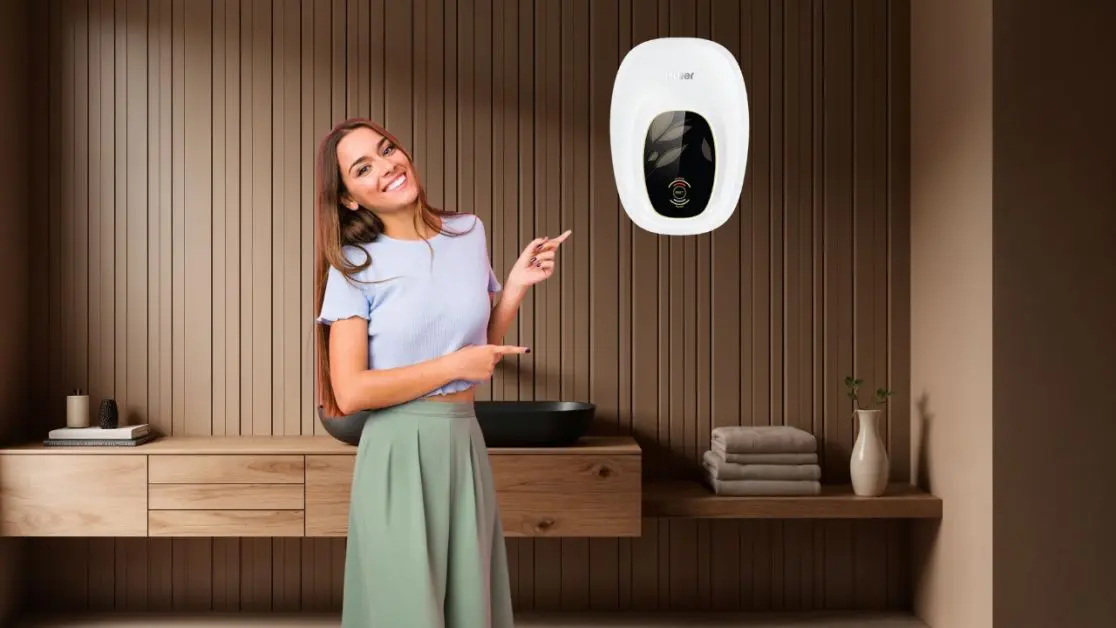
Take Haier’s 3L instant water heater range. They’re compact, powerful, and designed to withstand Indian usage patterns.
- Fast heating (3 kW) – hot water within seconds
- Durable tanks – options like 304 stainless steel or glass-lined tanks resist rust and corrosion
- Safety features – dual thermal protection cuts power at 75°C and again at 95°C if needed
- High-rise readiness – designed for up to 6.5–8 bar pressure, ideal for tall buildings
- Anti-bacterial BPS mode – water heated to 80°C to inhibit bacterial growth
For a hotel maintenance team, this translates into fewer worries, longer service life, and consistent guest satisfaction.
The economics of tankless heaters in hospitality
Initial cost vs long-term gain
- Upfront: Yes, tankless systems can cost slightly more per unit than storage heaters.
- Running costs: Lower, since there’s no standby heating.
- Maintenance: Lower, thanks to corrosion-resistant materials and smart thermostats.
Over a 5- to 7-year cycle, the financial benefits outweigh the entry cost especially when paired with Haier’s 5- to 7-year tank warranties.
The sustainability factor
Guests today care about more than just comfort. Eco-labels, sustainability pledges, and green certifications matter to both corporate clients and tourists. Tankless systems align perfectly:
- Lower carbon footprint – less energy wasted.
- Water safety – anti-bacterial heating cycles maintain hygiene.
- Smart use of resources – heating only what’s needed.
A single line in a hotel’s brochure “All our rooms are powered by energy-efficient tankless heaters” can appeal to environmentally conscious travelers.
Challenges and considerations
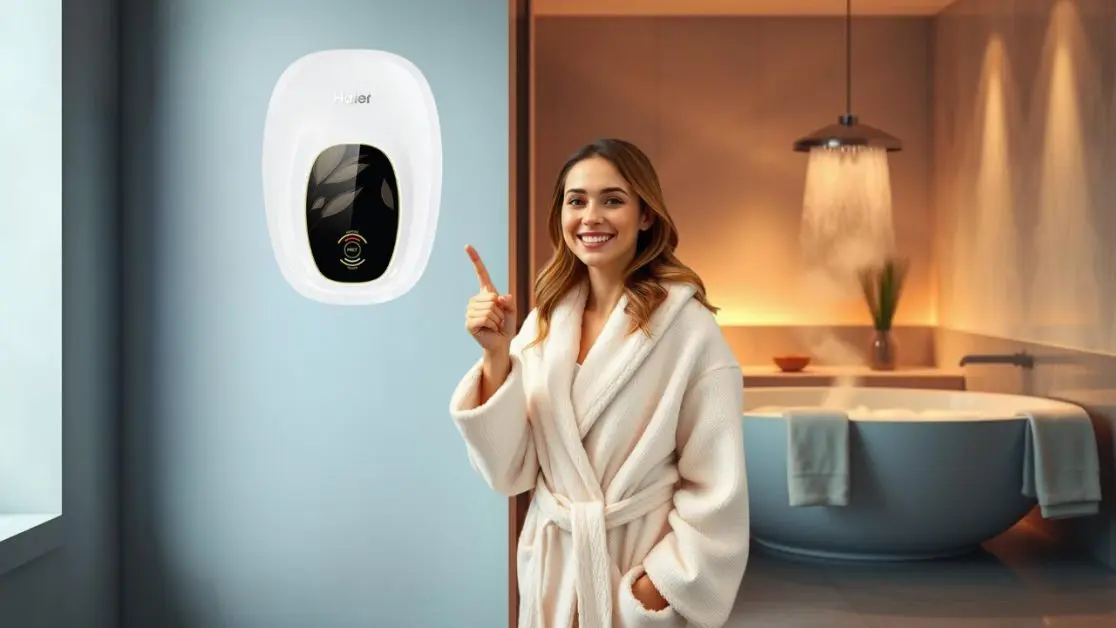
Of course, tankless heaters aren’t without constraints.
1. Flow capacity – one unit per bathroom is often recommended to ensure stable temperature.
2. Initial wiring and load – requires stable electricity and proper installation.
3. Cost scaling – large hotels need multiple units, so planning is essential.
But with modern compact models and professional installation, these are manageable trade-offs. In fact, many hotels already bundle them into renovation cycles.
Lessons for Indian households
Here’s the hidden twist. What works for hotels and hostels often makes sense at home too.
- Small families benefit from instant heating without waiting.
- Apartments in cities save space with compact designs.
- Elderly parents appreciate safety features like automatic shut-off.
- Young professionals value the “on-demand” convenience of shower in, shower out, no delay.
The same logic that drives a hostel in Bengaluru to install a Haier ZYON Instant Heater applies to a single-bedroom home in Pune.
Parallel to other appliances
We’ve seen this shift before:
- From CRT TVs to flat screens – more space, less bulk, instant upgrade in experience.
- From storage cupboards to modular wardrobes – tailored use of space.
- From desktop computers to laptops – on-demand, portable, efficient.
Tankless water heaters belong to this lineage. They represent a mindset change: from storing for later to producing exactly when needed.
The broader principle: systems that flex
Hospitality teaches us simple truth systems that flex with demand and survive longer. Fixed, bulky solutions look safe but buckle under pressure. Adaptive, on-demand systems may cost more upfront but deliver resilience.
Tankless water heaters are a perfect example. They flex with guest flow, occupancy, and timing. And in doing so, they reveal a principle relevant to both homes and hotels: build systems that don’t just work, but work with you.
Final takeaway
Hotels and hostels prefer tankless water heaters because they deliver three things that matter most: efficiency, consistency, and adaptability.
For the industry, it’s about guest satisfaction and operational savings.
For households, it’s about everyday convenience and smarter living.
And for brands like Haier, it’s about designing appliances that quietly dissolve stress turning hot water from a hidden problem into an effortless everyday experience.