
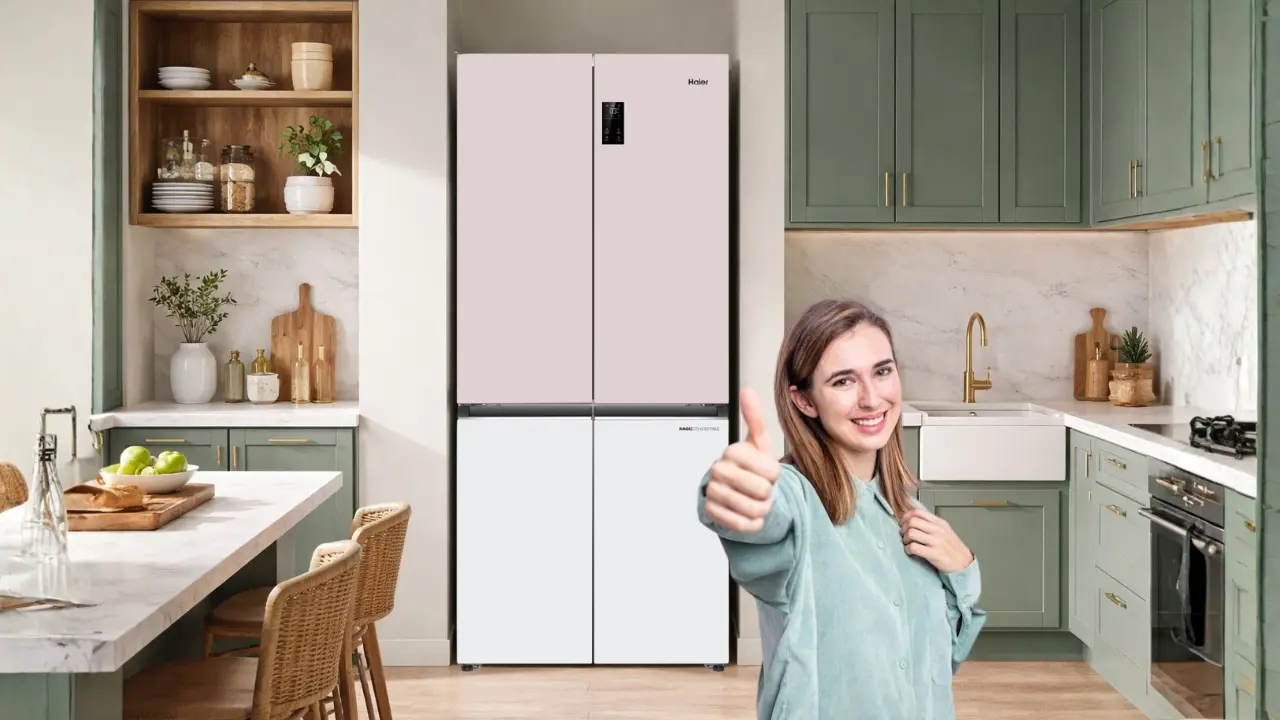

Hygiene-first refrigeration means building food safety into the design of the fridge itself, not relying on habits alone.
For Indian kitchens, where raw vegetables, cooked meals, dairy, masalas, and leftovers coexist every single day, hygiene is not an optional upgrade. It is the foundation of everyday health.
This is not about colder cooling.
It is about cleaner living.
Why has hygiene become the new priority in Indian kitchens?
Open any Indian refrigerator after dinner.
There is sabzi in a steel dabba.
Milk packets stacked near fruit.
Leftover rice from lunch.
Raw vegetables bought for tomorrow’s cooking.
Nothing here is careless.
This is simply how Indian homes function.
We cook often.
We store a mix of raw and cooked food.
We open the fridge many times a day.
And every door opening brings warm air, moisture, and the risk of cross-contamination.
Food safety research consistently shows that cross-contamination inside refrigerators is a common household hygiene issue, especially in warm and humid climates like India. Bacteria spreads not because people are unhygienic, but because storage systems are not designed for mixed food lifestyles.
A fridge that only cools is no longer enough.
The invisible hygiene problem most homes overlook

The biggest hygiene risk is not visible dirt.
It is invisible mixing.
- Air mixing between compartments
- Odour mixing between food types
- Temperature variation across shelves
When everything shares the same air and cooling path, hygiene becomes dependent on constant manual effort.
That is where modern refrigeration quietly changes the system.
Why hygiene improves when food gets its own space
Indian kitchens demand separation.
Raw vegetables behave differently from cooked food.
Milk reacts differently from masalas.
Meat needs stricter temperature control than fruit.
One option is to manage this manually using a conventional fridge.
That means careful wrapping, frequent cleaning, and constant rearranging.
It works, but only as long as discipline holds.
The second option is refrigeration that builds separation into the design.
Multiple doors.
Dedicated zones.
Controlled airflow paths.
When food types do not share air, they do not share bacteria.
That is not premium thinking.
That is systems thinking.
Why multi-door refrigerators matter for hygiene
Multi-door refrigerators are often marketed as spacious or stylish. The real benefit lies elsewhere.
Each additional door reduces unnecessary air exchange.
Each compartment limits exposure.
Each zone maintains its own environment.
Fewer door openings mean less warm air entering the fridge.
Less warm air means lower moisture.
Lower moisture means reduced bacterial growth.
Hygiene improves quietly, without reminders or rules.
Odour control is actually hygiene control
The smell is not cosmetic.
It is information.
If your fridge smells, something is spreading.
Modern hygiene-focused refrigerators use active deodorisation systems to absorb odour-causing particles and impurities instead of allowing them to circulate. This helps maintain food freshness while reducing bacterial growth caused by lingering moisture and mixed airflow.
In the Haier Lumiere 520L 4 Door Convertible Refrigerator, Deo Fresh Technology is designed to absorb odours and impurities, helping keep different food types truly separate in taste and safety.
Milk stays neutral.
Fruit stays fresh.
Leftovers stay contained.
Taste integrity and hygiene go hand in hand.
Why lighting plays a role in cleanliness
Poor lighting hides spills.
Hidden spills become hygiene risks.
Bright, evenly distributed interior lighting allows users to spot leaks early, clean faster, and organise better.
Gradually brightening LED interiors illuminate every corner of the refrigerator, making hygiene visible rather than accidental. When people can see clearly, they maintain cleanliness naturally.
Good hygiene often begins with good visibility.
Temperature precision reduces food risk
Not all foods need the same temperature.
Vegetables need stable cooling.
Dairy needs consistency.
Meat needs tighter control.
Single-temperature refrigeration forces compromise.
Convertible zones change that.
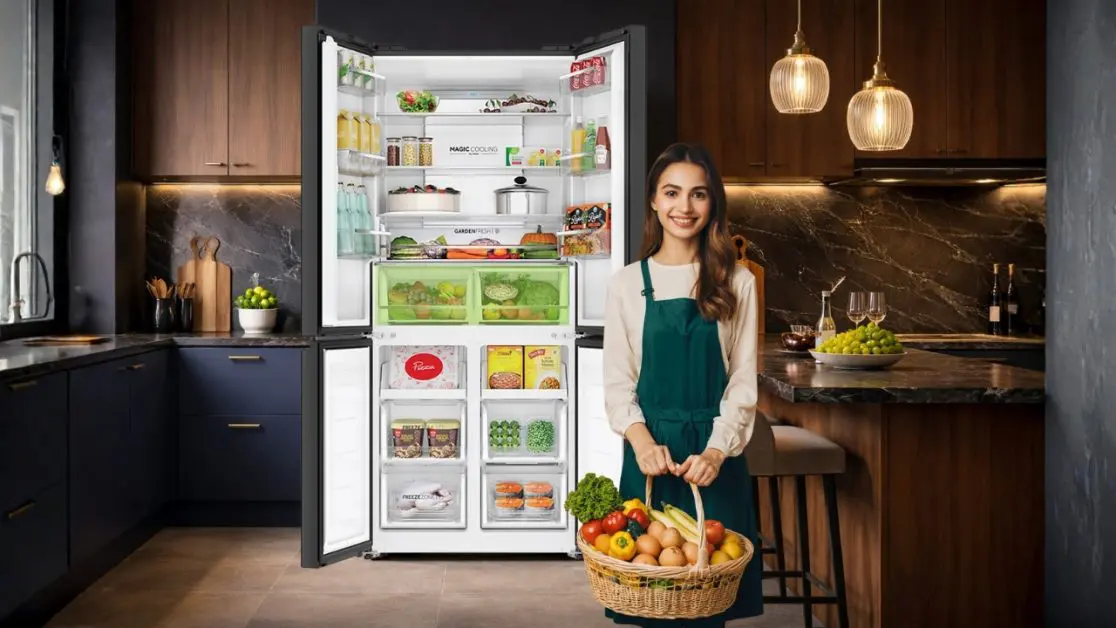
In the Haier Lumiere 520L 4 Door Convertible Refrigerator, the Magic Convertible Zone allows users to adjust storage temperatures based on what the household needs that week. A freezer can become a fridge. A chiller can adapt for beverages or dairy.
When temperature matches food type, spoilage reduces.
When spoilage is reduced, hygiene improves.
Systems that adapt reduce human error.
Why Indian utensils demand stronger, safer shelves
Hygiene is also physical.
Spilled curries.
Toppled bottles.
Cracked containers.
Heavy Indian cookware needs shelves that do not bend, tilt, or trap residue. Toughened glass shelves and anti-tipping door racks help prevent spills that create hidden contamination zones.
Stable storage reduces mess.
Reduced mess reduces cleaning fatigue.
Consistency improves hygiene.
The hygiene benefit of opening fewer doors
Every fridge opening introduces warm air.
Warm air increases moisture.
Moisture encourages bacteria.
Multi-door refrigerators limit exposure by letting users open only the section they need.
This is one of the quiet hygiene advantages of four-door designs. The fridge maintains temperature balance longer, especially during busy cooking hours.
Less exposure.
More stability.
Better hygiene.
Designed for real Indian routines
Think about everyday Indian scenarios.
- Weekend vegetable shopping
- Festival cooking in advance
- Daily tiffin prep
- Late-night leftovers
A hygiene-first refrigerator supports these habits without friction.
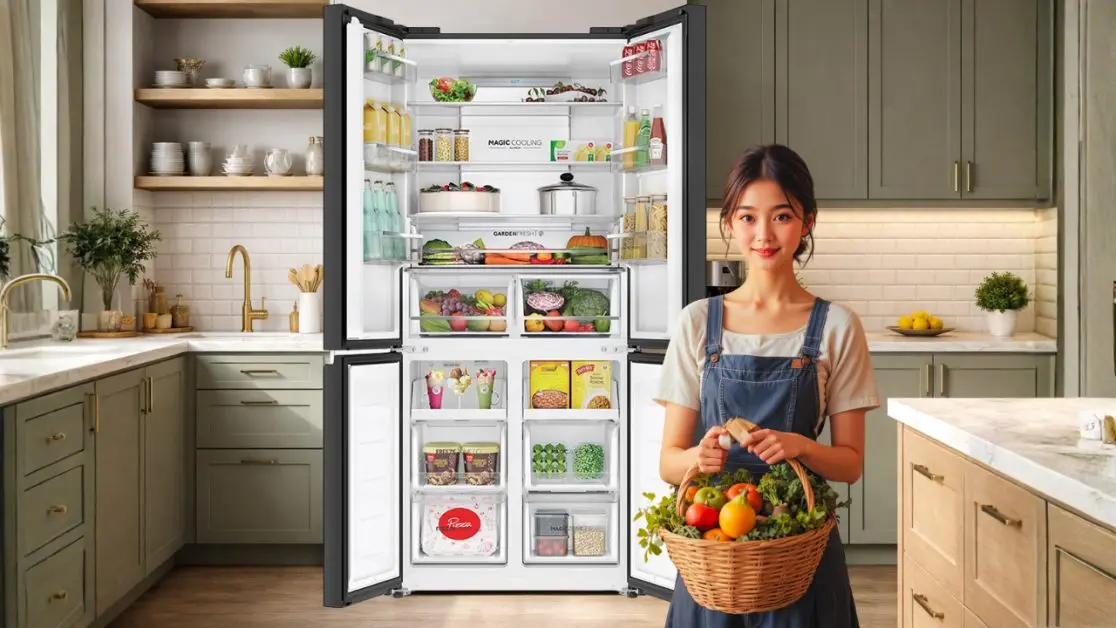
The Haier Lumiere 520L 4 Door Convertible Refrigerator is designed around these real rhythms, offering organised storage zones, large fresh food capacity, and flexible compartments that adapt as household needs change.
Good design removes guesswork.
Three ways Indian homes approach fridge hygiene today
One approach is manual discipline.
Careful wrapping. Frequent cleaning. Constant organising.
Cost: Time and effort.
Benefit: Familiarity.
The second approach is assisted hygiene.
Better airflow. Odour control. Strong shelves.
Cost: Moderate upgrade.
Benefit: Reduced risk.
The third approach is system-level hygiene.
Multiple doors. Convertible zones. Dedicated storage environments.
Cost: Higher upfront investment.
Benefit: Lower daily effort and long-term health confidence.
Each household chooses differently. The direction, however, is clear.
Why hygiene-first thinking is becoming standard
Indian homes are evolving.
Smaller families.
Busier schedules.
Greater health awareness.
People no longer want appliances that demand attention.
They want systems that work quietly in the background.
This shift is why refrigeration design has moved from capacity-first to behaviour-first thinking.
Design that anticipates real life.
Hygiene is not a button you press
It is the outcome of many small design decisions working together.
Airflow.
Lighting.
Temperature control.
Storage stability.
Compartmentalisation.
When these systems align, hygiene becomes effortless.
That is when a refrigerator stops being an appliance and becomes infrastructure.
What hygiene-first refrigeration really means
Choosing a hygiene-first refrigerator is not about buying something bigger or more expensive.
It is about reducing daily risk without increasing daily effort.
The smartest appliances do not demand discipline.
They build trust through design.
In Indian kitchens, that trust begins with hygiene.
Frequently Asked Questions
I already clean my fridge regularly. Do I really need a hygiene-first refrigerator?
If you’re cleaning often but still dealing with odours or spoilage, the issue may be airflow and shared compartments. Hygiene-first designs reduce cross-contamination automatically, so you rely less on constant manual effort.
Is a multi-door refrigerator actually better for my family’s health, or is it just a premium trend?
Multi-door systems reduce shared air circulation and frequent exposure to warm air. That means lower moisture buildup and reduced bacterial spread a structural hygiene benefit, not just a style upgrade.
I’m confused between a standard double-door and a four-door fridge. What am I really paying for?
You’re paying for separate cooling paths, fewer unnecessary door openings, and controlled storage zones. These features reduce contamination risk and improve food longevity.
If my kitchen routine hasn’t changed, why should my refrigerator design change?
Because food habits haven’t changed but awareness about hygiene has. Design improvements reduce invisible risks that manual habits alone can’t fully control.
I store sabzi, milk packets, fruits, and leftovers together. Is that actually unsafe?
It’s common in Indian homes, but shared airflow can allow odours and bacteria to circulate. Separation reduces that invisible mixing.
My fridge smells sometimes even though I clean it. What does that mean?
Smell signals circulating odour-causing particles. Active deodorisation systems absorb these impurities instead of letting them spread.
How does moisture inside my fridge affect hygiene?
Frequent door openings let warm air in, increasing condensation. Moisture supports bacterial growth especially in humid climates.
Is odour control really about hygiene, or just freshness?
It’s both. When smells spread, airborne particles spread too. Controlling odours helps control contamination.
How does the Haier Lumiere 520L 4 Door Convertible Refrigerator help with food separation?
It uses multiple compartments and Deo Fresh Technology to absorb odours and maintain distinct storage zones, helping prevent cross-contamination between food types.