
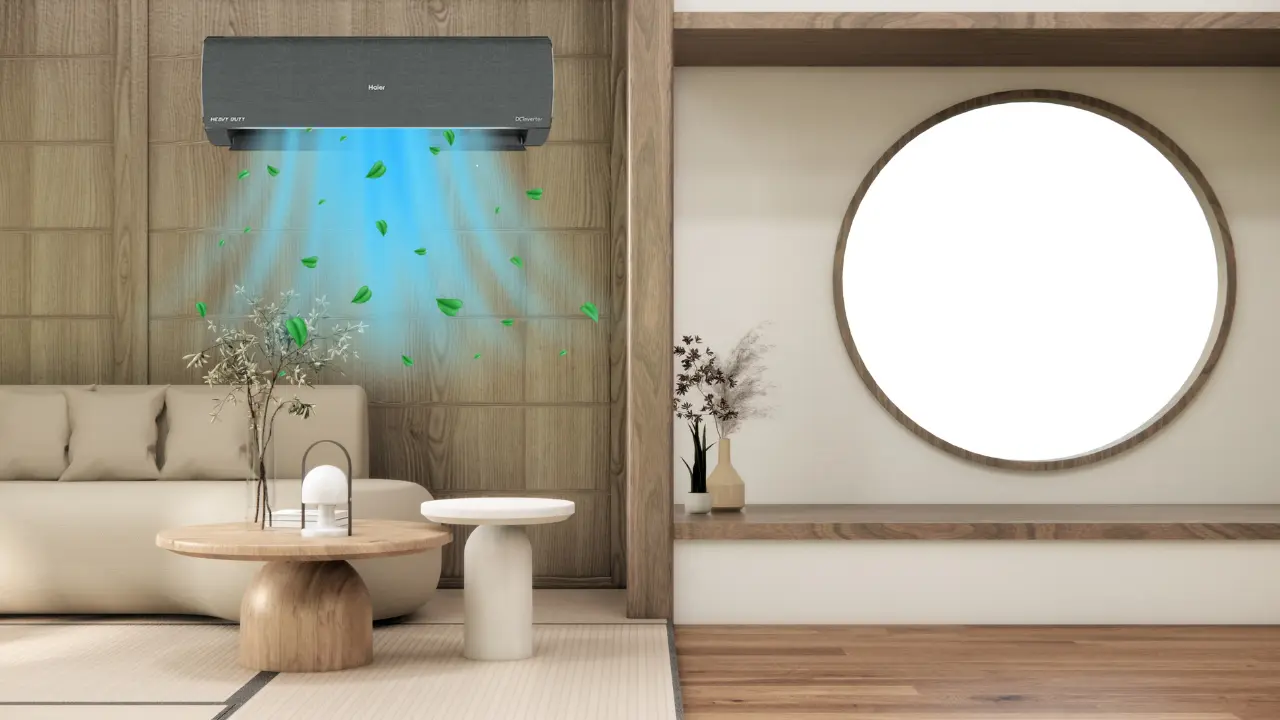

Ideal energy saving for busy households is not about switching everything off. It is about building systems that quietly work in the background.
Smart appliances, thoughtful habits, and small design choices reduce energy use without asking for extra time, reminders, or effort. The best savings feel invisible. Life stays comfortable. Bills quietly shrink.
The modern Indian household is busy by default.
It is 8:30 pm.
One person is finishing a late Zoom call.
Another is reheating dinner.
A child is watching highlights from today’s match.
The AC is on. The fridge hums. The washing machine waits its turn.
Nobody is thinking about energy consumption.
And that is exactly the point.
Most Indian households today are not careless. They are occupied. Energy waste does not come from ignorance. It comes from friction. Too many decisions. Too many switches. Too much mental load.
Energy saving fails when it demands attention.
So the real question becomes simpler.
How do busy homes save energy without thinking about it?
The hidden truth about energy bills
Most people assume energy savings come from big sacrifices.
Less cooling.
Less comfort.
More reminders.
That assumption is wrong.
Energy bills rise not because we use appliances. They rise because systems are inefficient.
Think of it like traffic.
You do not burn fuel because you drive.
You burn fuel because you stop, start, wait, and reroute.
Homes work the same way.
Where energy actually leaks at home
- Appliances running when nobody is using them
- Cooling entire rooms when only one corner is occupied
- Reaching peak temperature faster than necessary
- Repeating manual settings every single day
- Forgetting appliances that quietly stay on
None of this is intentional.
All of it is predictable.
Energy waste is not random. It follows patterns.
The system shift busy homes need
Busy households do not need discipline.
They need design.
Design that assumes people forget.
Design that adapts to routines.
Design that works even when nobody is paying attention.
This is where modern appliances change roles.
They stop being machines.
They become systems.
Energy saving works best when it becomes automatic
There are three ways households usually try to save energy.
Option one: Manual discipline
Turn things off.
Set timers.
Constant reminders.
This works in theory.
It collapses in real life.
Option two: Fixed schedules
Timers.
Preset modes.
Rigid routines.
Better.
Still fragile.
Life changes. Schedules do not.
Option three: Adaptive systems
Appliances that sense.
Learn.
Adjust.
This is where real savings happen.
Automation beats intention every time.
Cooling is the biggest energy conversation in Indian homes
Cooling is not optional in most parts of India.
It is survival.
Which makes air conditioning the single biggest opportunity for smarter energy use.
The old idea of cooling is inefficient
Traditional cooling works like this.
- Cool the entire room
- Maintain one fixed temperature
- Ignore occupancy
- Ignore time of day
- Ignore weather shifts
It treats every hour the same.
Homes are not static.
They breathe. They are empty. They refill.
Smarter cooling changes the equation
Modern cooling systems now focus on context.
- Who is in the room
- Where they are sitting
- When they are likely to arrive
- How long the room stays occupied
Instead of blasting cold air, the system optimises flow.
Cool where needed. When needed. For as long as needed.
The difference shows up quietly on the electricity bill.
Why pre thinking saves more than post fixing
Most energy waste happens before anyone notices.
Rooms are cooled before someone enters.
Or long after they leave.
The smartest homes reverse this.
They anticipate.
Pre cooling beats panic cooling
Everyone knows this moment.
You come home.
It is hot.
You turn the AC to the lowest temperature.
The system works harder.
Consumes more power.
Overshoots comfort.
Pre-cooling avoids this.
By starting earlier and slower, systems use less energy to reach the same comfort.
Slow efficiency beats fast correction.
Targeted comfort is the new luxury
Cooling an entire room for one person is like lighting every room in the house to read one book.
It works.
It wastes.
Targeted cooling changes the logic.
- Focused airflow
- Shorter run cycles
- Faster comfort
The benefit is twofold.
Comfort improves.
Energy drops.
This is not minimalism.
It is precision.
Busy homes need appliances that adapt to humans
The most energy efficient setting is often the one nobody manually selects.
Because people forget.
Or change rooms.
Or fall asleep.
Smart systems account for this.
Occupancy awareness changes everything
When appliances detect presence, energy logic becomes dynamic.
- Power reduces when rooms empty
- Systems shut down gradually, not abruptly
- Cooling levels adapt without human input
No reminders.
No guilt.
Just sensible behaviour at machine speed.
Visibility changes behaviour without effort
Another quiet shift matters.
Seeing energy use.
Not in technical units.
But in daily patterns.
When households see energy consumption mapped to time, behaviour adjusts naturally.
People notice.
- Which days spike
- Which modes consume more
- Which habits cost extra
Awareness without anxiety.
Why visual data works better than advice
Advice feels abstract.
Charts feel real.
When energy becomes visible, decisions follow.
Not immediately.
But consistently.
The refrigerator conversation nobody has
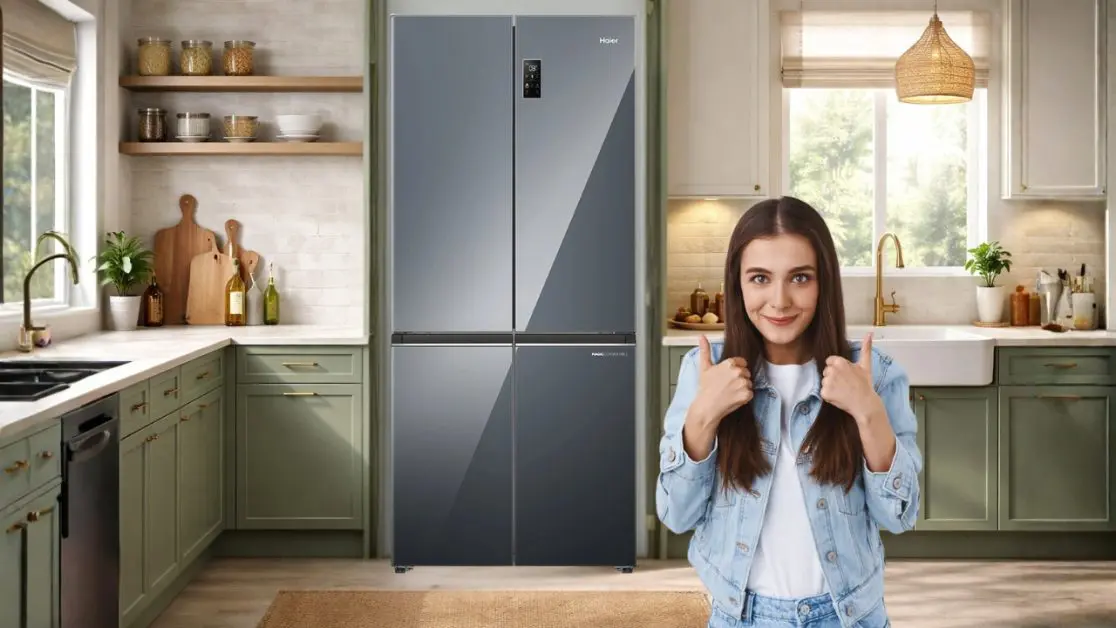
Cooling food runs 24 hours a day.
Which makes refrigerators silent energy anchors.
Most energy loss here comes from small habits.
- Frequent door opening
- Overcrowding
- Temperature imbalance
Modern refrigeration addresses this with stable cooling zones and faster recovery.
Stability saves more energy than extreme cooling.
Laundry is not about speed. It is about timing
Washing machines today save energy through smarter cycles.
But the bigger shift is when laundry happens.
- Shorter cycles for lighter loads
- Adaptive water heating
- Load detection
Running one heavy cycle beats three light ones.
Efficiency is often about consolidation.
Energy saving is a household culture, not a checklist
Busy households succeed when energy saving becomes cultural.
Not rule based.
Not restrictive.
Cultural changes stick because they feel normal.
Small shifts that compound quietly
- Cooling only occupied zones
- Letting machines decide optimal settings
- Using eco modes consistently
- Trusting automation
None of these feel dramatic.
Together, they change everything.
Where Haier fits into this rhythm
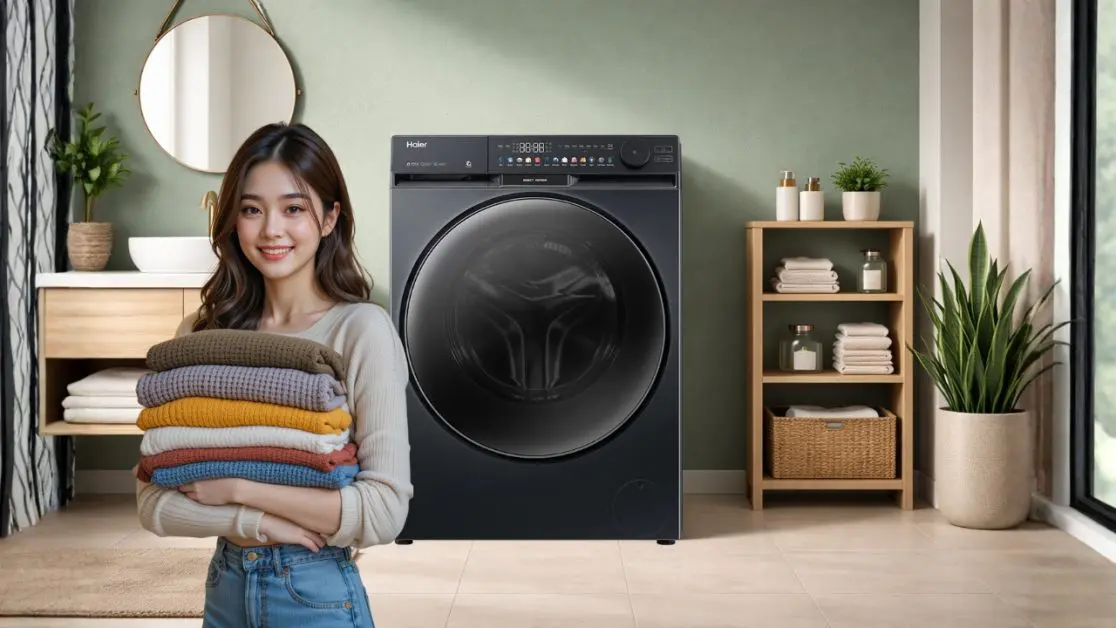
Haier’s approach to energy efficiency is not about shouting features.
It is about fitting into life.
Systems that learn routines.
Cooling that adapts to movement.
Appliances that monitor consumption without demanding attention.
Energy saving that does not interrupt living.
That is the real luxury in modern homes.
The deeper pattern worth noticing
Energy saving has shifted meaning.
It used to mean doing less.
Now it means doing things smarter.
The best systems reduce decisions.
They reduce reminders.
They reduce effort.
And in doing so, they reduce bills.
A simple way to think about energy at home
Do not ask,
“How do I consume less?”
Ask,
“How can my home think better?”
Because busy households do not fail at discipline.
They win with design.
The insight worth remembering
The future of energy saving is not sacrifice. It is alignment.
Alignment between routines and systems.
Between comfort and efficiency.
Between life as it is and homes as they should be.
When appliances quietly understand how people live, energy saving stops being a task.
It becomes the default.
And that is ideal.
Frequently Asked Questions
I don’t have time to keep adjusting AC settings. Can I still save energy?
Yes. Energy saving works best when the AC adjusts automatically. Busy households save more when the AC adapts to usage instead of relying on manual control.
What is the most energy-efficient temperature for my AC in daily use?
A setting around 24–26°C provides comfort while keeping power consumption stable, especially important for ACs running many hours in busy homes.
Why is cooling an entire room for one person inefficient?
Because the AC works to maintain temperature across unused space. Targeted airflow and focused cooling reduce runtime and energy use.
How does occupancy-based cooling help busy households?
The AC reduces power when the room is empty and increases cooling only when someone is present, no reminders needed.
What makes a smart AC better for energy saving in busy homes?
Smart ACs sense usage patterns, adjust cooling automatically, and avoid unnecessary operation, ideal when household routines change daily.
Is automation better than using timers on my AC?
Yes. Timers follow fixed schedules, while smart systems adapt in real time to how and when rooms are actually used.
What small AC habits save the most energy without effort?
Keeping doors and curtains closed
Using eco or auto mode regularly
Avoiding extreme temperature settings
Letting the AC decide cooling intensity