
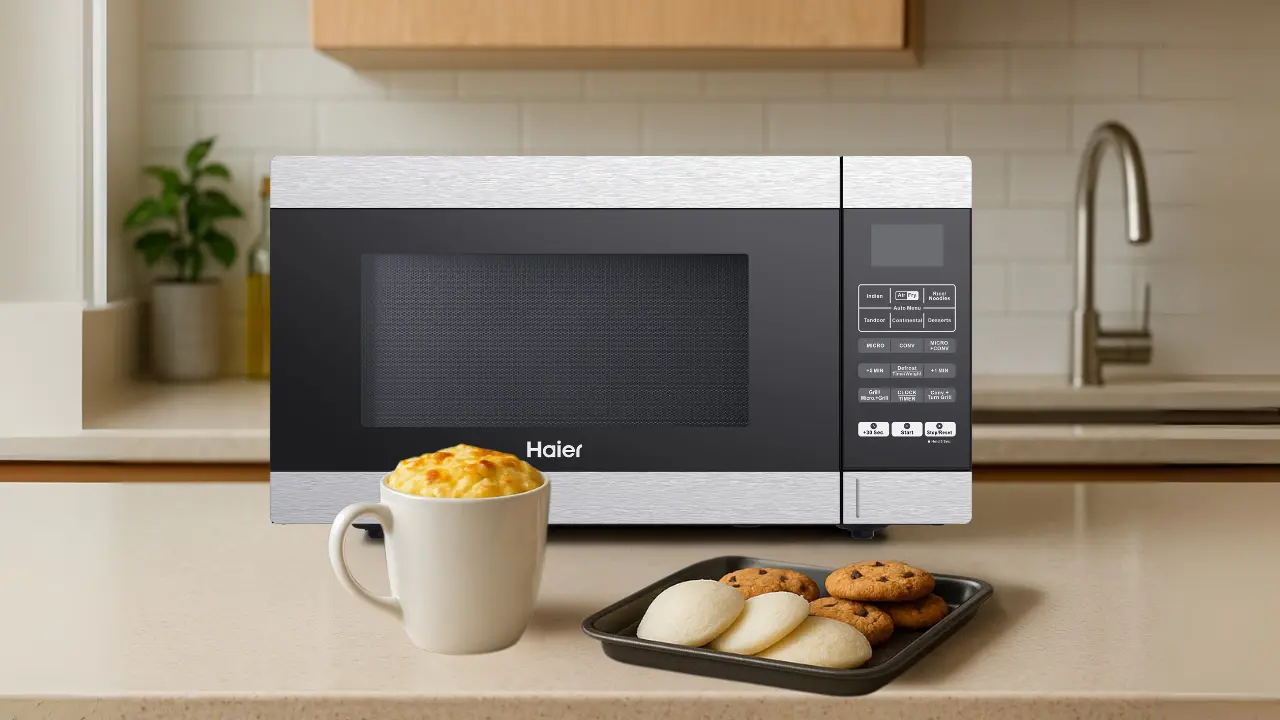

January breakfasts take too long because we still treat mornings as if time is flexible.
In reality, winter mornings in Indian homes are tight, cold, and mentally crowded.
The fix is not skipping breakfast or switching to packaged food. The fix is redesigning how breakfast fits into real life, using faster heat, smarter sequencing, and appliances that quietly remove friction.
The January morning everyone recognises.
The alarm rings.
It is still dark outside. The floor feels icy.
The geyser needs a few extra minutes.
One person has an early meeting.
Another has a school bag half packed.
The kitchen light turns on. And suddenly, breakfast feels heavier than it should.
January mornings reveal a truth we usually ignore.
Our mornings run on fragile systems.
When one step slows down, everything does.
The issue is not effort.
It is friction.
Why January breakfasts stretch longer than planned
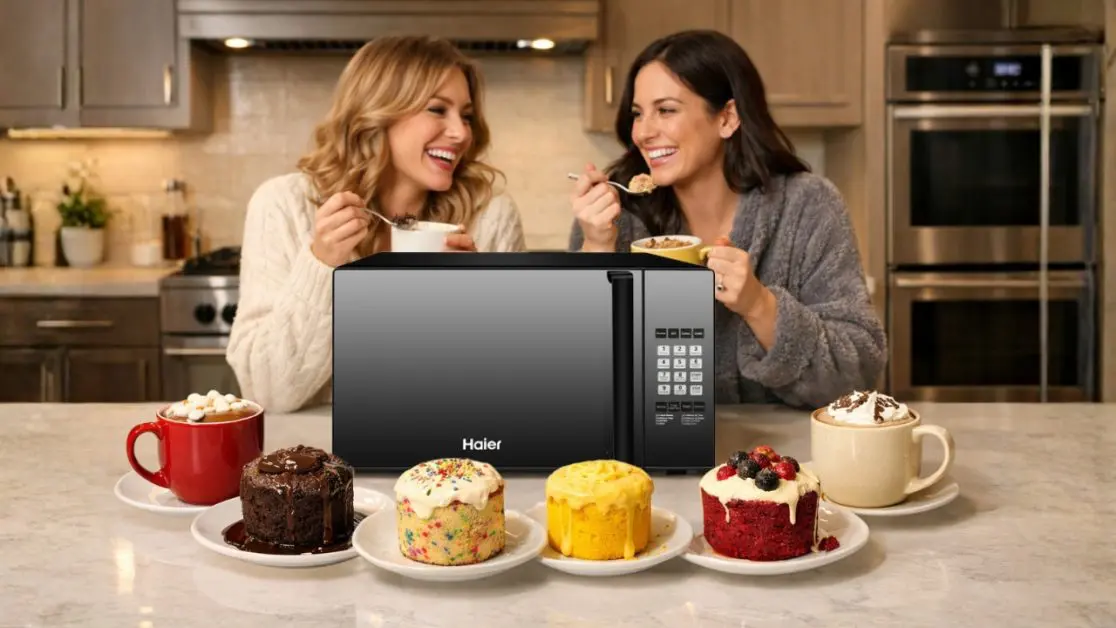
Winter adds hidden delays that pile up fast.
- Ingredients come straight from the fridge, colder than usual
- Dough resists rolling
- Pans heat slower
- Hands move cautiously instead of quickly
Each delay is small. Together, they steal time.
Urban Indian households already spend around 30 to 45 minutes on weekday breakfast prep. In winter, that quietly stretches closer to an hour. The real cost is not just minutes. It is energy and patience.
Breakfast turns into a task instead of a moment.
The belief that quietly ruins mornings
A good breakfast takes time.
This idea stays deeply rooted.
We link effort with care.
Slowness with health.
Complex cooking with quality.
But look at everyday Indian breakfasts.
Poha
Upma
Parathas
Oats
Sandwiches
Leftover rice repurposed into something warm
None of these demand long cooking.
They only take long when the system around them is inefficient.
Breakfast is not a food problem. It is a system problem
Every system has three parts.
Inputs.
Tools.
Flow.
Most kitchens fail at flow.
Picture a typical January morning.
- Milk comes out ice cold
- Bread is still frozen
- Batter needs resting
- The pan heats unevenly
- One burner is already occupied
Nothing is wrong. Everything is inefficient.
Time leaks between steps, not during cooking.
What fast breakfasts actually optimise

Fast breakfasts optimize only three things.
- Heat delivery
- Sequence
- Decision load
That is the entire secret.
Not shortcuts.
Not compromise.
Just smoother flow.
The cold start problem nobody names
January mornings begin cold in every sense.
Cold kitchens.
Cold ingredients.
Cold cookware.
This is why reheating food on a stove feels slow and irritating in winter.
Microwaves solve this specific problem well. They heat food directly instead of waiting for surfaces to warm up.
Food science research shows that microwave reheating often preserves nutrients better than prolonged stovetop heating because cooking time is shorter. Speed, in many cases, protects nutrition.
Fast does not mean careless.
Often, it means efficiency.
Why leftovers suddenly make sense in January
Winter breakfasts are not about cooking fresh every single morning.
They are about using leftovers intelligently.
- Last night’s sabzi folded into toast
- Leftover rice turned into lemon rice
- Paneer from dinner added to wraps
- Idlis reheated evenly instead of drying out
The difference between bad leftovers and good ones is even heating.
Convection microwaves with stainless steel cavities heat more uniformly and reduce texture loss. Models like the Haier 20L Convection Microwave With Mirror Glass Design (HIL2001CSSH) use auto cook menus and digital controls to remove guesswork during rushed mornings.
The food stays familiar.
The effort drops.
Three January breakfast systems that actually work

Let us talk about practical structure.
Option one: The reheat and build system
This is the most realistic for working households.
How it works
- Cook dinner with breakfast in mind
- Store components separately
- Reheat only what you need
Examples
- Warm leftover aloo sabzi and layer it into bread
- Heat dal and pour it over toast
- Reheat parathas without extra oil
Cost
- Minimal planning
- Requires reliable reheating
Benefit
- Breakfast in under 10 minutes
- Almost no cleanup
Option two: The batch cook weekday system
This system respects Monday mornings.
How it works
- Cook once over the weekend
- Portion meals smartly
- Rotate flavours through the week
Examples
- Vegetable uttapam batter
- Oats upma mix
- Paneer bhurji base
Cost
- One focused cooking session
- Needs storage discipline
Benefit
- Predictable mornings
- Less mental effort
- Consistent nutrition
Microwaves like the Haier 25L Convection Microwave Oven With Bread Basket (HIL2501CBSH) support this system well. Combination cooking modes help reheat or finish foods faster, saving up to 30 percent cooking time in real use.
Option three: The appliance assisted system
This is where modern kitchens quietly change habits.
How it works
- Reduce active cooking time
- Let appliances handle heat
- Multitask while food cooks
A convection microwave that grills, reheats, and bakes removes multiple steps from the morning routine.
The Haier 30L Convection Microwave With In Built Air Fryer (HIL3001ARSB) adds air frying and auto cook menus, which means fewer appliances and faster transitions between breakfast tasks.
This is not about technology.
It is about time control.
Why parents feel January mornings the hardest
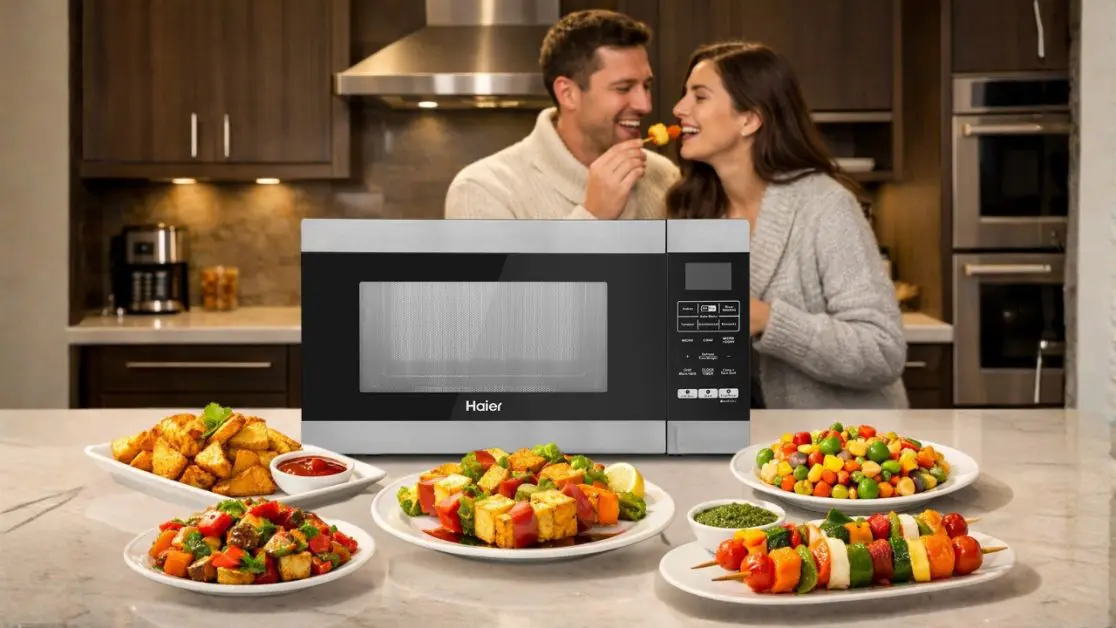
Parents run two clocks.
The real clock.
The school clock.
When breakfast slows down, everything else follows.
- Rushed tiffins
- Late school drop offs
- Skipped meals
Nutrition studies in India consistently show that children who eat breakfast perform better in morning classes.
Speed matters because nourishment still matters.
The goal is not elaborate plates.
It is warm, filling food delivered on time.
Solo living creates a different risk
For solo professionals, effort decides everything.
If breakfast feels complicated, it disappears.
Biscuits replace meals.
Coffee becomes food.
Over time, energy crashes follow.
A warm omelette, reheated oats, or leftover sabzi beats packaged food every time.
Speed is not indulgence.
It is self maintenance.
The quiet shift in Indian kitchens
Indian kitchens are changing without announcements.
Not bigger.
Smarter.
Modern appliances reduce active effort, not food quality.
A convection microwave that handles reheating, grilling, baking, and air frying brings flexibility. Toast in the morning. Snacks in the evening. Experiments on weekends.
The value is not featured.
It is optional.
When mornings are tight, options matter.
Why faster breakfasts change the mood of the home
When breakfast is quick, mornings breathe.
People talk.
Kids sit longer.
Stress reduces.
This is the invisible benefit.
Time saved in the kitchen returns as calm elsewhere.
January mornings do not need heroics.
They need better systems.
A rule worth remembering
If breakfast takes longer than eating it, something is broken.
Fix the system.
Not the food.
What January breakfasts really teach us
Breakfast is not about recipes.
It is about momentum.
January sets the rhythm for the year.
When mornings feel manageable, days follow.
Smart kitchens do not announce themselves.
They disappear into routine.
And that is the real upgrade.
Breakfast should warm you.
Not wear you out.
Frequently Asked Question
Is reheating food unhealthy?
Not inherently. In fact, shorter reheating times (like microwaving) can preserve nutrients better than prolonged stovetop reheating.
Do appliances really change morning speed?
Yes, when they reduce active cooking, not replace food. Appliances that reheat, grill, and finish dishes shorten transitions between steps.
How do smart appliance presets help in the morning?
Preset modes remove micro-decisions, time, power, temperature, allowing you to start heating and focus on other tasks like packing bags or getting ready.
Why do leftovers make more sense in winter?
Because cooking fresh every morning multiplies cold-start delays. Reheating pre-cooked food shortens active effort while still delivering warm meals.
Why do appliances matter more in homes with kids?
Because parents operate on fixed school deadlines. Faster, predictable reheating ensures children eat warm food without delaying departures.
Do appliances really change morning stress levels?
Indirectly, yes. They remove waiting, monitoring, and guesswork, three major stress triggers in winter mornings.