
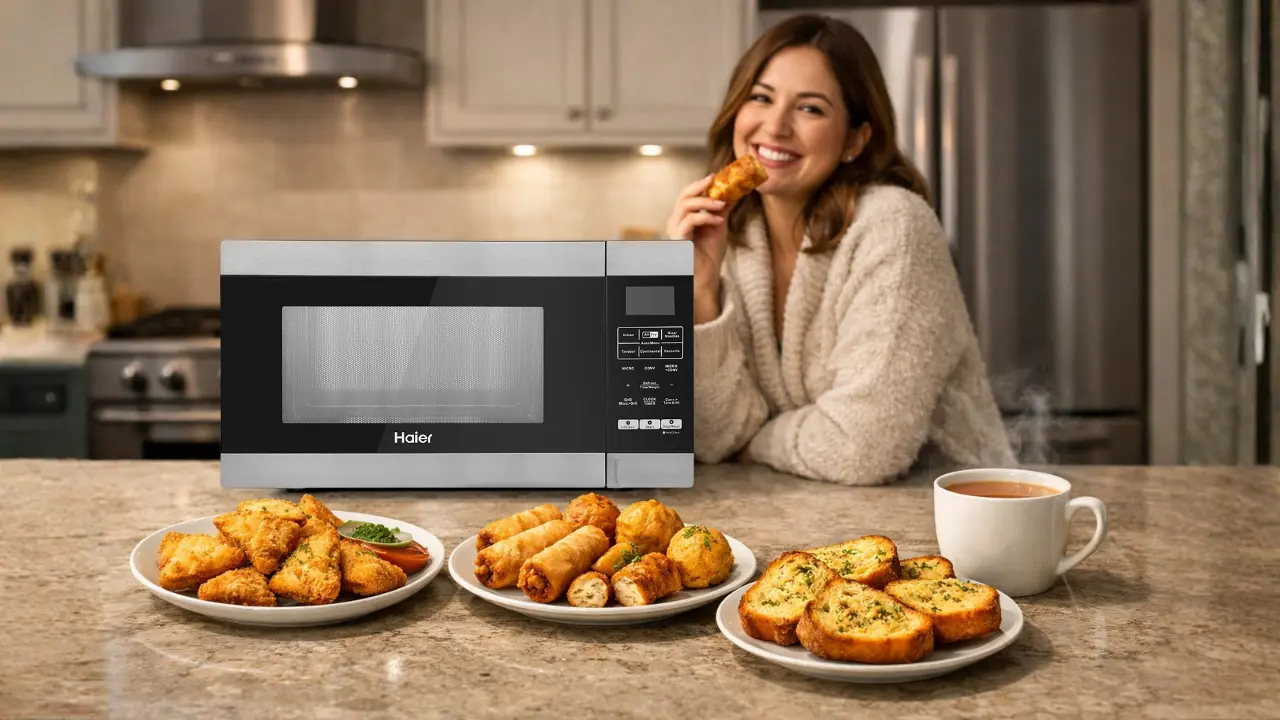

January chai time snacks taste better when they are warmed slowly and intentionally.
Multi power levels in convection microwaves allow heat to build in layers, so samosas stay crisp, pakoras stay soft inside, and bread snacks do not turn chewy.
The right power level does not just heat food. It protects the moment.
January evenings slow down for a reason
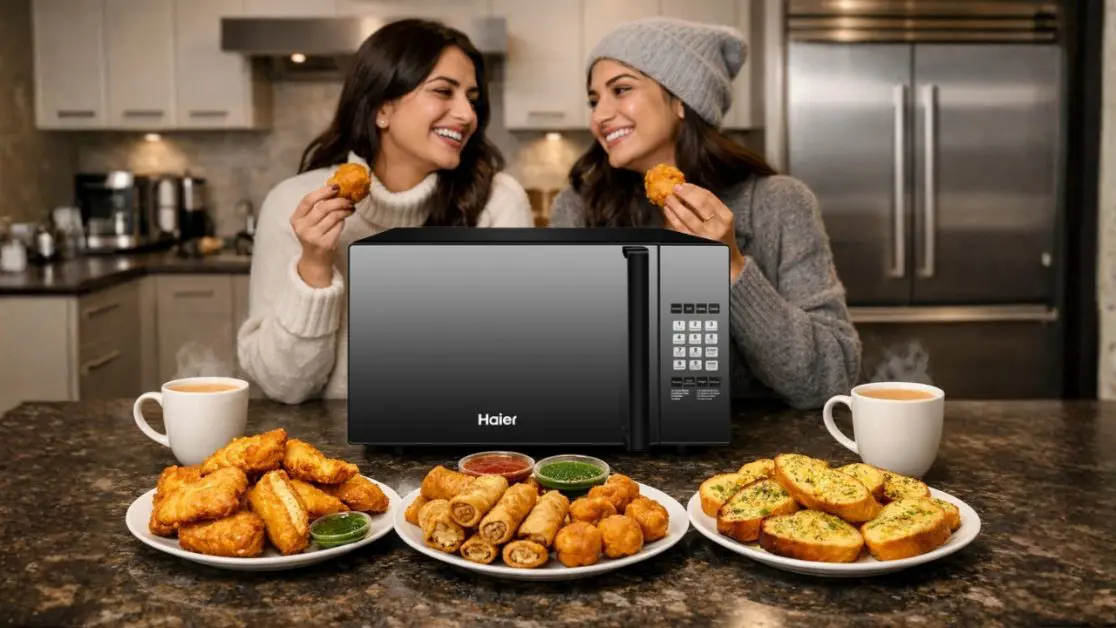
January does not rush Indian homes.
Sunset arrives early. Socks appear without discussion. Kitchens glow a little warmer in the evening. And somewhere between the last meeting of the day and dinner prep, chai happens.
Not planned.
Not announced.
Just understood.
Chai time is the pause between obligations. It is where conversations loosen. Phones go face down. Silence becomes comfortable.
But the snack matters.
A poorly reheated samosa can break the spell faster than a cold cup of tea.
Why reheating chai snacks feels harder in winter
Most of us blame the food.
The truth is simpler.
We use too much heat.
Indian snacks are layered. A samosa has a shell and a filling. Pakoras hold moisture inside. Bread snacks absorb heat unevenly. High power forces heat into the surface faster than it can travel inside.
What you get is familiar.
- Outside too hot
- Inside still cold
- Texture lost
This is not a food problem.
It is a heating problem.
What multi power levels really change

Multi power levels allow you to decide how heat enters food.
Instead of one aggressive burst, heat arrives gradually. It moves inward. Moisture redistributes. Texture survives.
In daily terms, this means:
- Low power warms gently
- Medium power stabilises texture
- Combination modes finish without damage
This layered approach is built into modern convection microwaves, including models that offer multiple power levels for different food types .
The difference is subtle.
But once you feel it, you do not go back.
The three chai time situations every home knows
January evenings repeat patterns. The snacks may change, but the situations stay the same.
One: Leftover snacks from earlier in the day
Samosas from the afternoon. Pakoras wrapped in foil. Cutlets resting in the fridge.
What usually happens:
High power for speed. Texture collapses.
What works better:
- Start at low power for 60 seconds
- Let heat settle
- Finish at medium power
This approach allows fillings to warm through before the crust reacts.
Compact models like the Haier 20L Convection Microwave with Mirror Glass Design (HIL2001CSSH) are designed for this kind of everyday reheating. Its digital controls and stainless steel cavity help distribute heat evenly, making it easier to warm snacks without surface damage .
Two: Fresh snacks arrive but chai is already ready
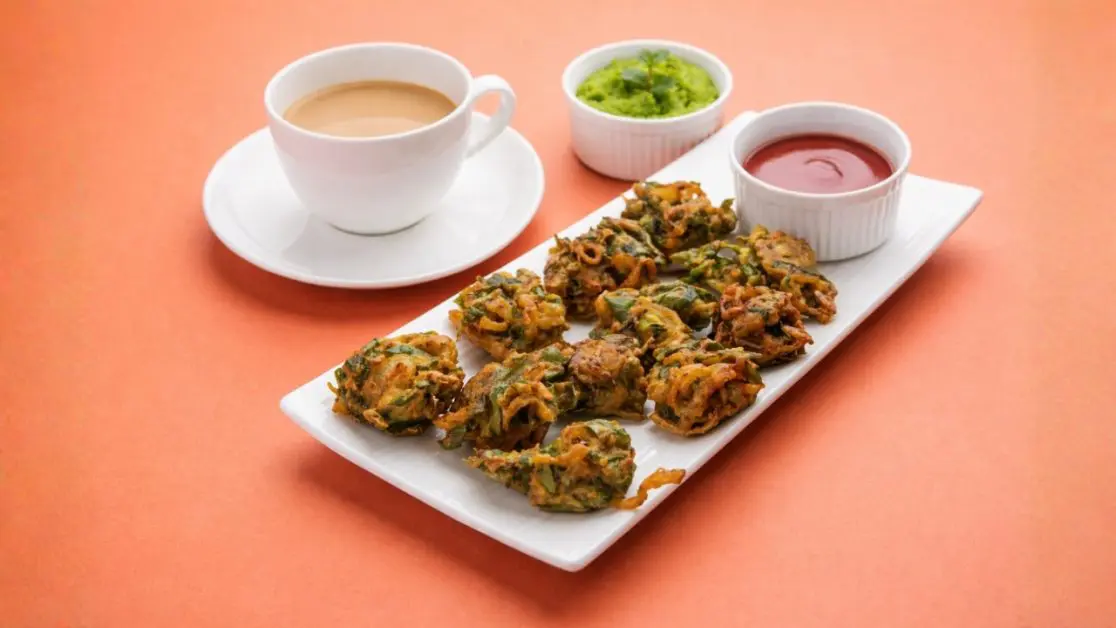
Guests are seated. Cups are full. Snacks arrive lukewarm.
The instinct:
Turn the power up.
The better system:
- Medium power
- Short heating cycles
- Pause between bursts
This lets steam escape and prevents sogginess.
Microwaves with combination cooking logic blend microwave and convection heat to reduce reheating time while maintaining texture. Some models can save up to 30 percent time using this method .
Speed is useful.
Control is essential.
Three: Bread based snacks that turn chewy
Bread pakoras. Rolls. Garlic bread.
Bread loses moisture faster than most foods. High power makes it tough.
The fix is counterintuitive.
Lower power works better.
The Haier 25L Convection Microwave Oven with Bread Basket (HIL2501CBSH) includes functions designed specifically for bread based items.
These modes adjust power and time automatically so bread warms without drying out, a detail that quietly solves a common winter problem .
A simple power level framework for chai snacks
Think in categories, not rules.
| Snack type | Power approach | Why it works |
| Samosa, kachori | Low then medium | Heats filling before crust |
| Pakora, bhajiya | Medium | Preserves inside softness |
| Bread pakora | Low first | Prevents chewiness |
| Cutlets, tikkis | Medium | Even heat through thickness |
| Garlic bread | Low | Keeps surface intact |
This framework removes guesswork.
Why winter demands gentler heating
Cold weather changes food physics.
- Oils thicken faster
- Fillings cool unevenly
- Steam escapes more aggressively
High power exaggerates these effects.
Multi power heating works with winter conditions rather than fighting them. Stainless steel cavities also help by reflecting heat evenly and preventing cold spots during reheating .
Seasonality matters in kitchens too.
When chai time becomes a shared ritual
In larger households, chai time scales up.
More cups.
More snacks.
More timing coordination.
The Haier 30L Convection Microwave with In-Built Air Fryer (HIL3001ARSB) is built for these moments. With five multi power levels and a larger cavity, it allows snacks to warm in batches without sacrificing control. Auto cook menus handle the timing, while power levels protect texture .
The appliance does not rush the moment.
It supports it.
The invisible benefit most people overlook
Good reheating reduces waste.
Snacks that taste right the first time do not get reheated again. Less drying. Less throwing away. Less frustration.
Preset menus in convection microwaves automate power and time decisions based on food type, reducing trial and error during busy evenings .
Efficiency here is emotional as much as practical.
What this says about modern Indian homes
Homes today are quieter systems.
Smaller kitchens.
Tighter schedules.
Shorter breaks that need to feel complete.
Appliances now carry emotional responsibility. They are not just tools. They protect moments.
Multi power levels are part of that shift.
They acknowledge that not everything needs maximum speed.
Chai time is not about heat alone
It is about care.
A snack warmed properly tells people the pause mattered. That no one rushed through the moment just to get it done.
High power heats food.
Thoughtful power levels heat experiences.
That is what January teaches, every evening, one cup at a time.