
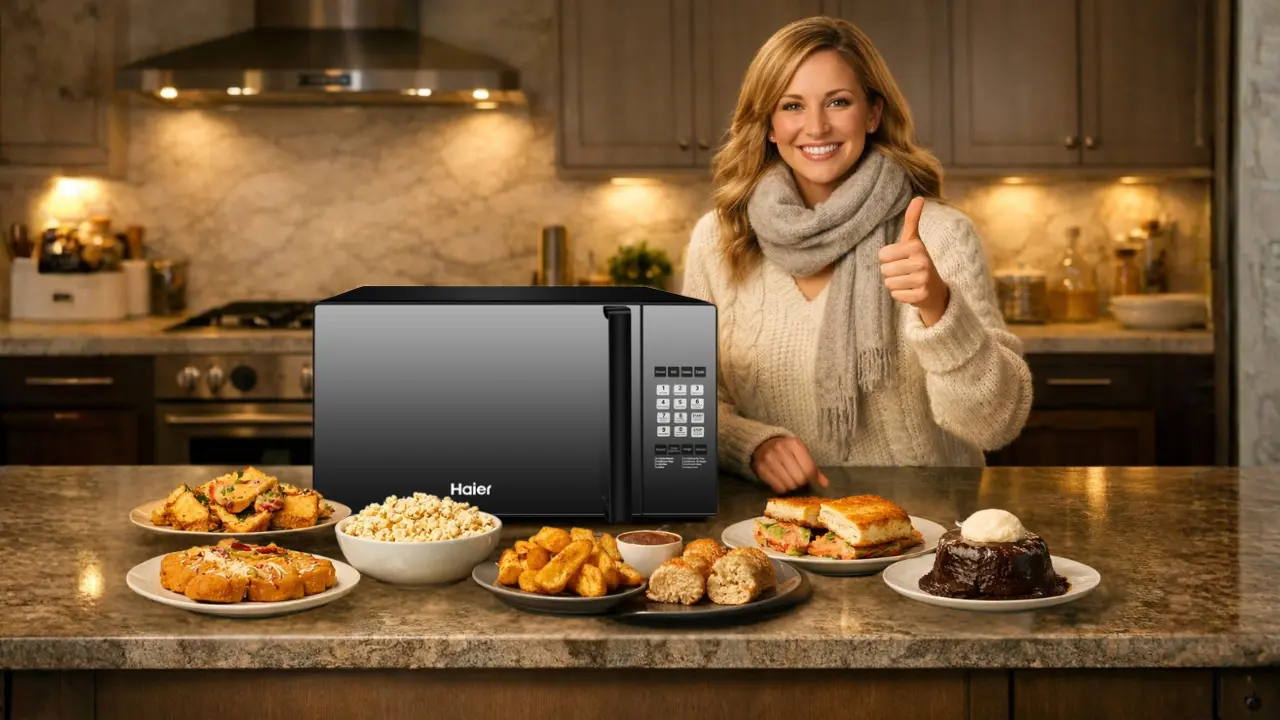

January meal prep feels difficult because we imagine it as rigid, repetitive, and time-heavy. In reality, Indian kitchens already have a natural system for it.
When leftovers are reheated well, decisions are reduced, and appliances handle the repetitive work, January meal prep becomes calmer, faster, and far more sustainable than most people expect.
January is not a motivation problem. It is a systems problem
January slows everything down.
Mornings feel heavier.
Evenings arrive sooner.
Energy dips without warning.
And every day ends with the same quiet question.
What are we eating tonight?
Most people assume meal prep fails because of discipline. Because we did not plan enough. Because we gave up too early.
That explanation feels neat.
It is also incomplete.
Meal prep fails when it asks people to fight January instead of designing around it.
Cold weather changes how we cook, eat, and move. A system that ignores that reality rarely survives beyond the first week.
Indian kitchens have always practiced meal prep. They just never named it
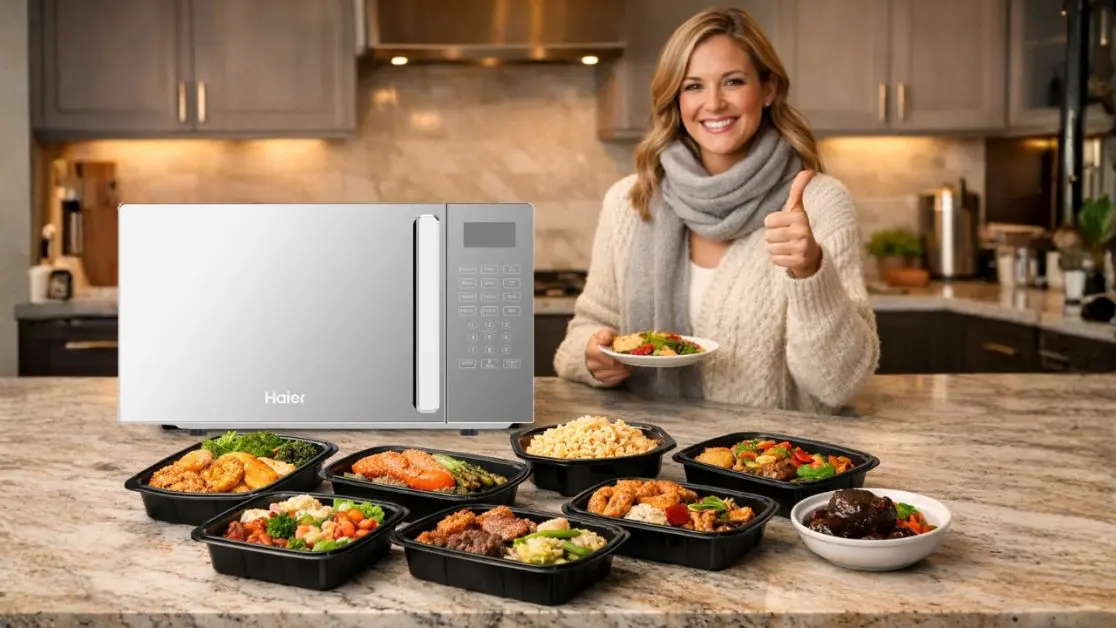
Look at how real homes function in January.
Extra dal in the cooker.
Sabzi made the last two meals.
Rice cooked in larger batches.
Rotis warmed again at night.
One curry stretched across lunch and dinner.
This is not cutting corners.
This is inherited wisdom.
Indian kitchens have always understood that cooking once and eating twice saves energy. What has changed is pace. Smaller households. Unpredictable schedules. Longer workdays.
The logic still works. The tools simply need to support it better.
Meal prep is not about cooking more food. It is about making fewer decisions
The real cost of January cooking is not time.
It is decision fatigue.
Every evening decision drains energy faster than chopping vegetables. When meals are undecided, everything else feels harder than it should.
Effective meal prep removes decisions before hunger arrives.
Not through strict meal charts.
Through clear boundaries.
One option is fixed breakfasts.
Rotate two or three warm breakfasts across weekdays.
- Oats
- Upma
- Poha
- Reheated paratha with curd
Benefit
- Zero morning decision load
- Faster starts
- Consistent energy
Cost
- Mild boredom, solved with rotation
The second option is repeatable lunches.
Cook once. Eat twice.
- Dal
- Rajma
- Chole
- Sambhar
Benefit
- Time saved
- Portion clarity
- Less food waste
Cost
- Depends on good reheating
The third option is flexible dinners.
Prepare bases in advance. Finish cooking fresh.
- Onion tomato gravies
- Chopped vegetables
- Boiled legumes
Benefit
- Fresh taste
- Faster cooking
- Less repetition
Cost
- Needs storage discipline
This is not a rigid plan.
It is a decision framework.
Reheating quality decides whether meal prep survives January
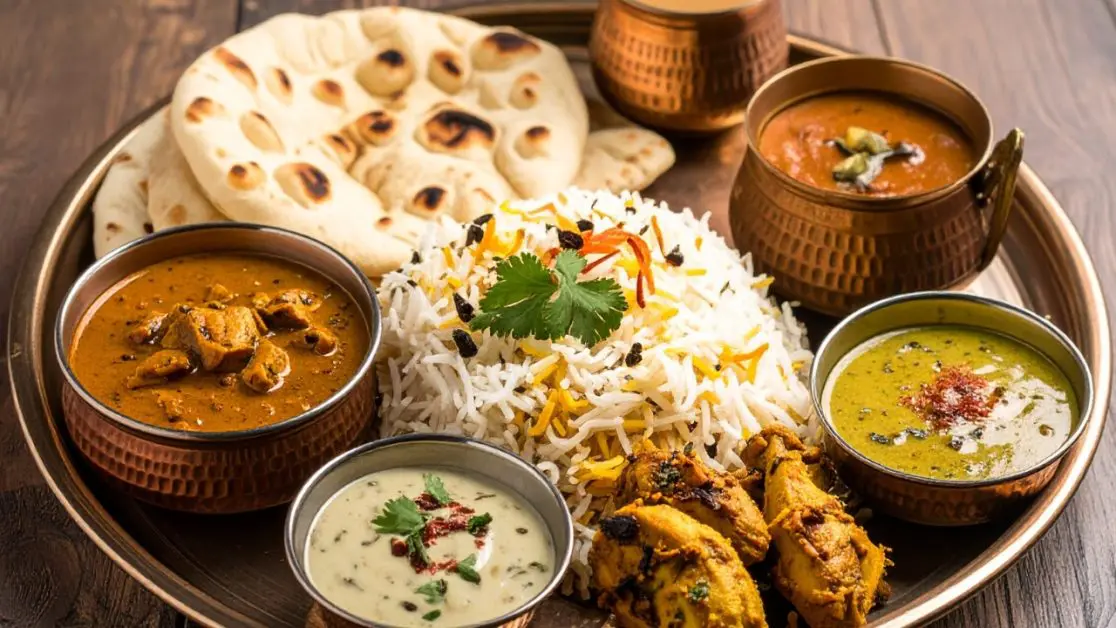
Most people quit meal prep for one simple reason.
Reheated food disappoints.
Rice dries out.
Rotis turn chewy.
Sabzi loses aroma.
This is where appliances quietly decide whether your system holds or collapses.
A microwave is not just a shortcut. It is a consistency tool.
Modern convection microwaves allow controlled reheating, combination cooking, and even gentle crisping. Features like preset menus and stainless steel cavities exist to reduce guesswork and uneven heating.
For example, the Haier HIL2501CBSH 25L Convection Microwave Oven comes with 305 auto-cook menus, combination cooking modes, and a stainless steel cavity designed for even heating. These features help reheat Indian meals without drying them out or overcooking edges .
When reheated food tastes intentional, meal prep stops feeling like compromise.
Cold weather rewards warm systems, not effort
January punishes cold kitchens.
Standing longer.
Waiting for pans to heat.
Managing multiple utensils.
Meal prep systems that work in summer often fail in winter because they ignore comfort.
Warm systems reduce resistance.
- One-pot meals instead of multi-dish spreads
- Reheating instead of recooking
- Bulk baking or roasting instead of frying in batches
Convection microwaves that combine grilling, convection, and microwave functions help here by reducing standing time and supervision.
The Haier HIL3001ARSB 30L Convection Microwave with In-Built Air Fryer adds 36 dedicated air fryer menus and a motorised rotisserie. This allows bulk cooking with minimal oil while keeping food warm and crisp enough to reheat well later .
Comfort is not indulgence.
It is what keeps habits alive.
Meal prep works when it respects Indian eating rhythms.
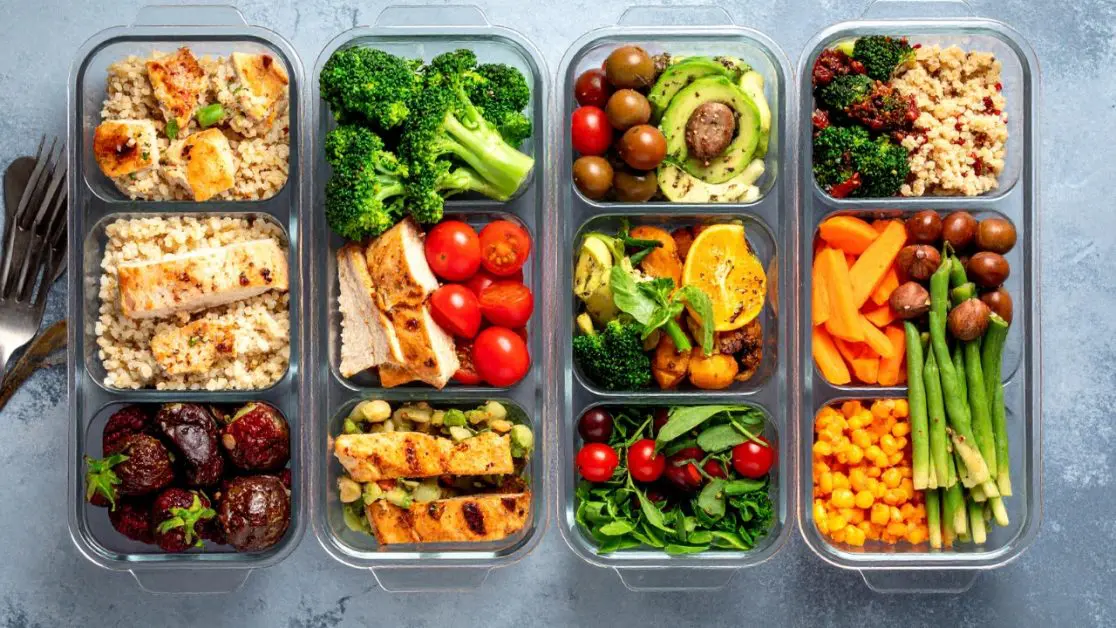
Most Western meal prep assumes fixed timings and identical portions.
Indian homes do not function that way.
Someone eats early.
Someone eats late.
Someone wants seconds.
Someone skips a meal.
Flexible systems last longer.
What flexibility looks like in practice
- Neutral gravies paired with different sides
- Dry sabzis that reheat cleanly
- Rice and rotis stored separately
- Portions that scale without recalculation
Compact appliances make this easier in smaller homes.
The Haier HIL2001CSSH 20L Convection Microwave with Mirror Glass Design fits well in solo and couple households. With oil-free cooking, stainless steel interiors, and auto-cook menus, it supports reheating and light cooking without occupying excessive counter space .
Flexibility reduces friction.
Reduced friction sustains routines.
Meal prep is emotional before it is logistical.
January food carries meaning.
Warmth.
Comfort.
Routine.
A system that feels restrictive will fail. One that feels supportive will last.
People stick to meal prep when it gives time back.
- Dinner ready in eight minutes instead of forty
- Leftovers that still feel satisfying
- A kitchen that stays cleaner
That emotional relief compounds quietly over weeks.
How appliances shape habits without announcing themselves
Good habits survive when friction is low.
Smart appliances do not demand attention. They disappear into routines.
- Preset menus reduce guesswork
- Combination modes save time
- Deodoriser functions keep kitchens fresh after repeated reheating
Over time, behaviour changes.
People prep more because it feels easier.
They waste less because food reheats better.
They order less because home food feels reliable.
That is how systems change lives quietly.
What January meal prep really teaches us.
Constraints reveal priorities.
January limits energy.
Limits time.
Limits patience.
That is why it exposes what actually works.
Meal prep is not about cooking like a content creator. It is about designing for tired evenings, busy mornings, and unpredictable days.
When the system respects reality, consistency follows.
And consistency turns the kitchen from a daily stress point into a calm anchor.
The one insight worth carrying forward.
Meal prep does not fail because people lack discipline.
It fails because systems are unrealistic.
Design for January.
Design for warmth.
Design for real energy levels.
Do that, and meal prep stops feeling like effort.
It starts feeling like relief.
Frequently Asked Questions
Why does reheated food make me hate meal prep?
Because badly reheated food feels like a compromise. Dry rice, chewy rotis, flat sabzi aromas, this emotional letdown kills consistency faster than lack of discipline.
Is reheating quality really that important?
Yes. Reheating decides whether leftovers feel intentional or punishing. When food reheats evenly and stays moist, meal prep stops feeling like “adjustment” and starts feeling like relief.
Can appliances really make me order less food?
Yes. People order out when home food feels unreliable. When reheated food tastes good and arrives fast, home meals regain trust.
My rotis turn hard when reheated. Is there a fix?
Yes. Separate storage, light moisture, and controlled reheating prevent chewiness. Hard rotis are usually a reheating problem, not a storage one.
Do I really need advanced features like auto-cook or combination modes?
You don’t need more features. You need fewer decisions. Features work when they disappear into routine and stop demanding attention.