
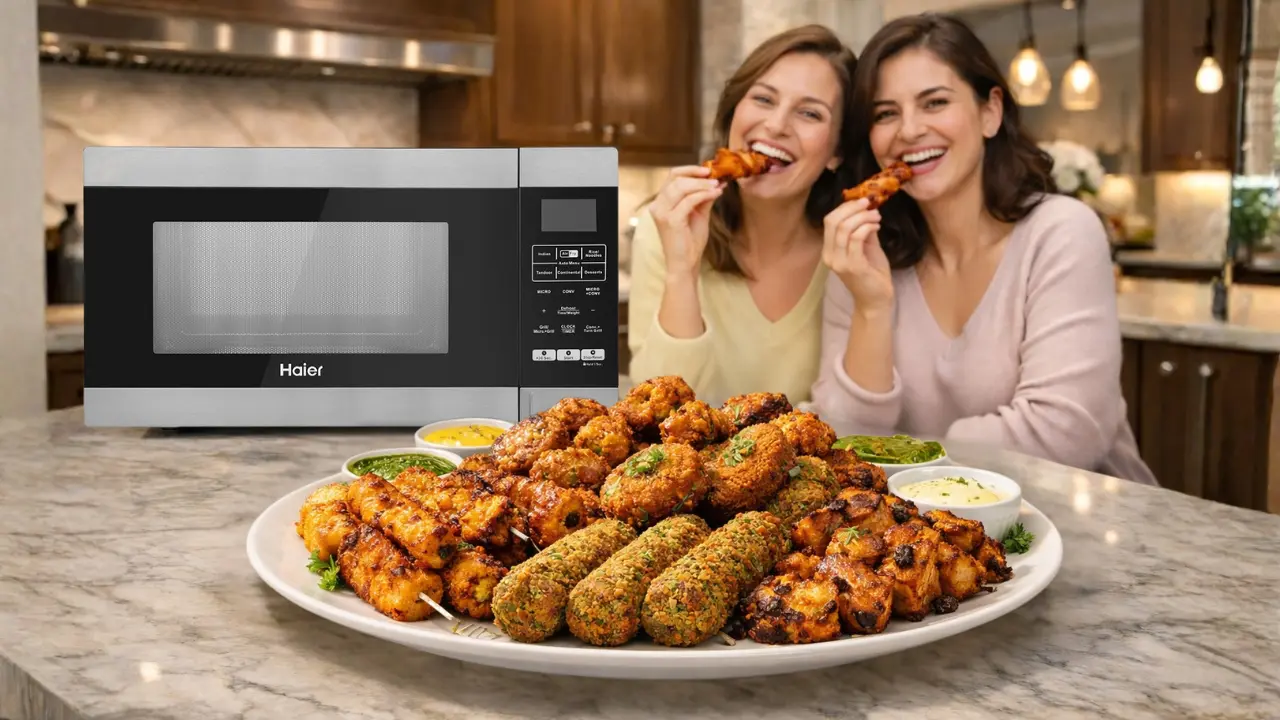

Crisp, evenly browned kebabs, cutlets and tikkas at home are no longer about deep oil or constant turning over a pan.
With the right heat circulation, surface contact and timing, everyday Indian snacks can come out restaurant-level crisp on the outside, soft inside with far less effort and mess.
That shift is changing how Indian kitchens cook everyday indulgences.
Crisp food is not about oil. It is about control.
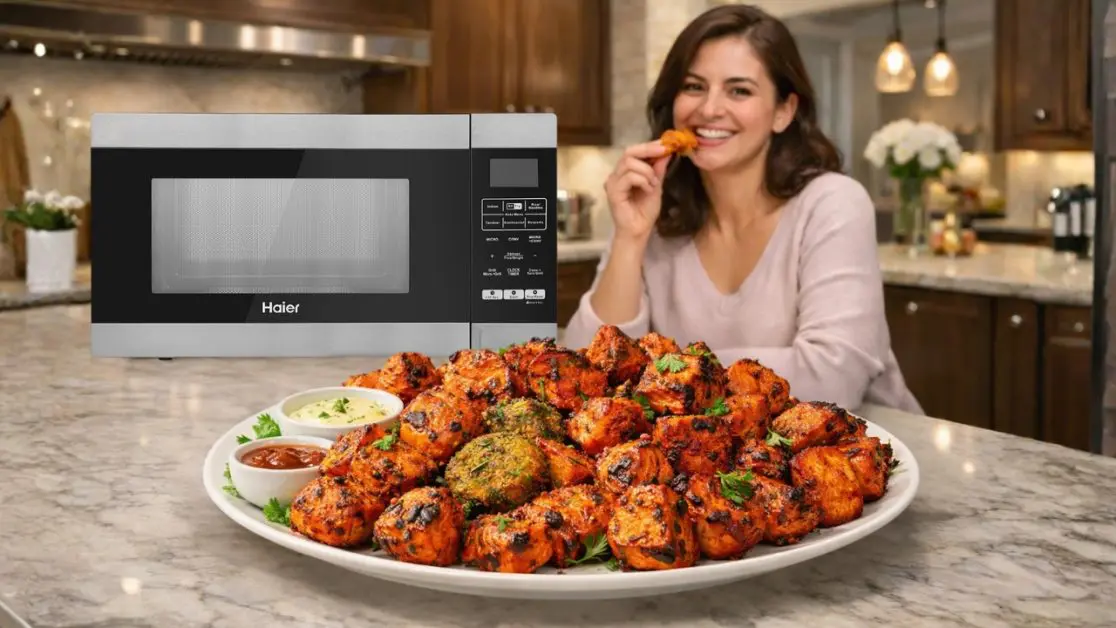
Think about the last time you made kebabs at home.
One side browned.
The other stayed pale.
Oil splattered.
Someone stood guard at the stove.
The problem was never the recipe.
It was the system.
Crispness depends on three invisible forces working together.
- Consistent heat
- Even air circulation
- Direct surface contact
Miss one, and food turns soggy or uneven.
This is why street stalls and restaurant tandoors work so well. Not magic. Just systems designed for heat control.
Modern Indian kitchens are finally catching up.
Why kebabs, cutlets and tikkas are harder at home than they look
These snacks sit in an awkward middle space.
They are not flat like rotis.
They are not liquid like gravies.
They demand surface browning without drying the centre.
At home, most people try one of three approaches.
One option is pan frying.
- Fast browning
- High oil absorption
- Constant supervision
The second option is oven baking.
- Lower oil
- Uneven browning
- Longer cooking time
The third option is shallow grilling.
- Decent texture
- Smoke issues
- Temperature swings
Each works. None are effortless.
The real breakthrough happens when heat moves around the food, not just from below.
The crisp plate is the unsung hero
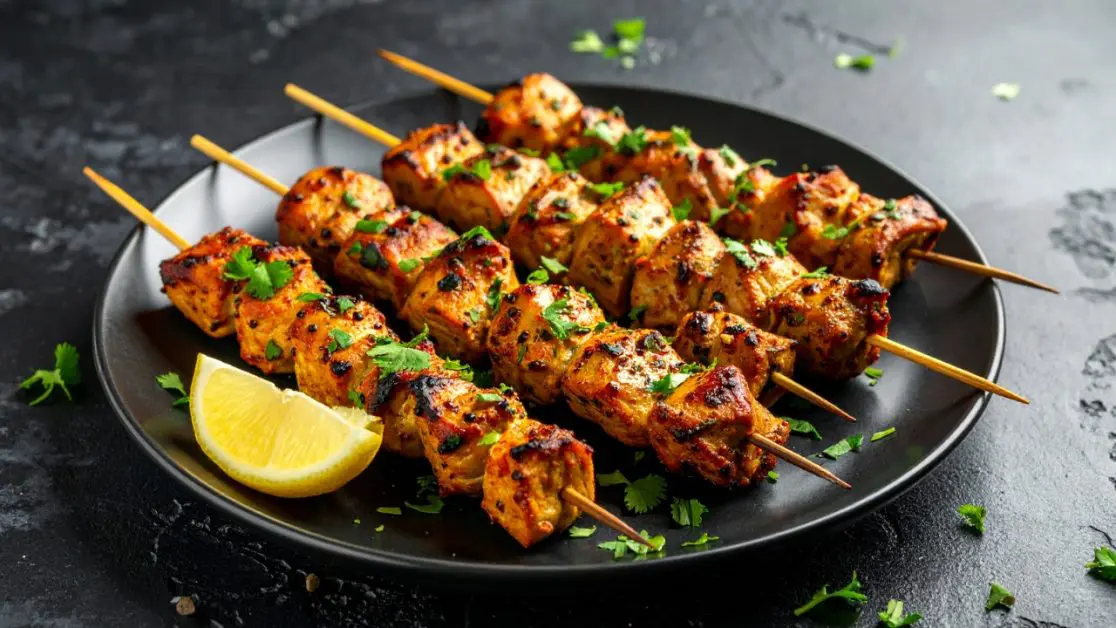
Crisp plates exist for one reason.
To turn moisture into texture.
A crisp plate heats up quickly and stays hot. When kebabs or cutlets touch it, moisture evaporates instantly. That instant evaporation is what creates browning.
No waiting.
No flipping panic.
This is why crisp plates are commonly used for snacks that need both crunch and structure.
According to Haier’s convection microwave specifications, accessories like crisp plates are designed specifically to enable even browning and surface crisping for foods like kebabs and tikkas .
Air movement matters more than temperature
Here is a counterintuitive truth.
More heat does not equal more crisp.
What matters is how heat moves.
Hot air circulating evenly cooks food from all sides. This prevents sogginess and reduces the need for excess oil.
In Haier convection microwave systems, the combination of convection heat and controlled airflow ensures food cooks evenly while retaining internal moisture .
That balance is why tikkas stay juicy while developing a browned exterior.
What actually happens when you cook a tikka properly
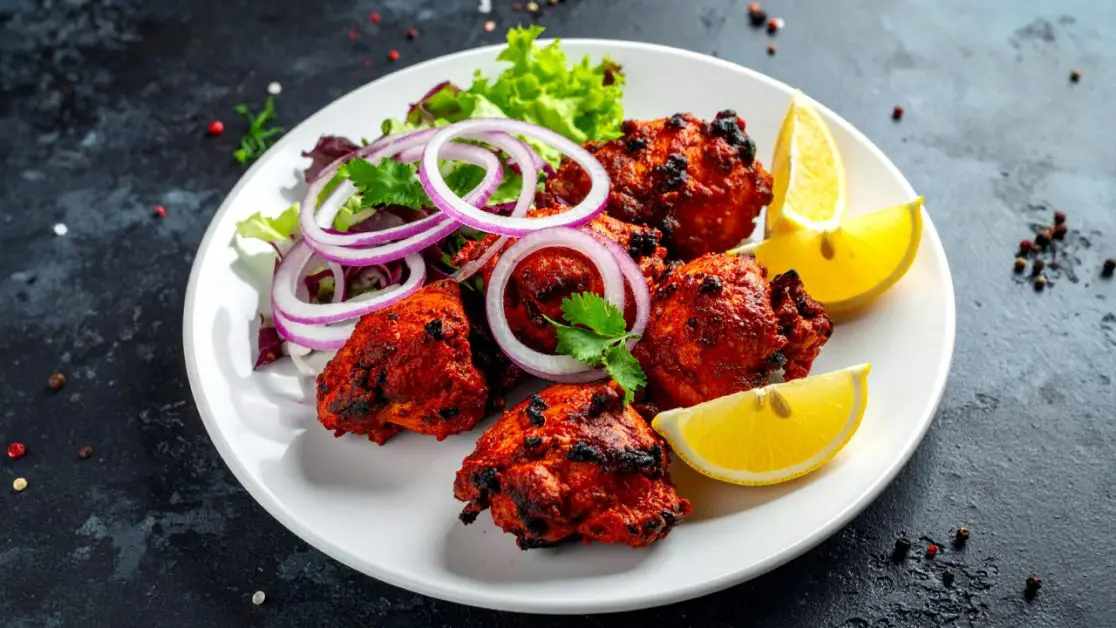
Let us break it down simply.
1. The surface heats fast
Moisture evaporates instead of soaking the plate.
2. Proteins brown, not burn
Even heat avoids black spots and pale patches.
3. The inside stays intact
No dry crumble. No rubbery bite.
This is not luck.
It is repeatable.
Repeatable systems change habits.
Cutlets are a texture test
Cutlets expose weak cooking systems instantly.
Too hot, and the coating burns.
Too slow, and they absorb oil.
Uneven heat, and the centre collapses.
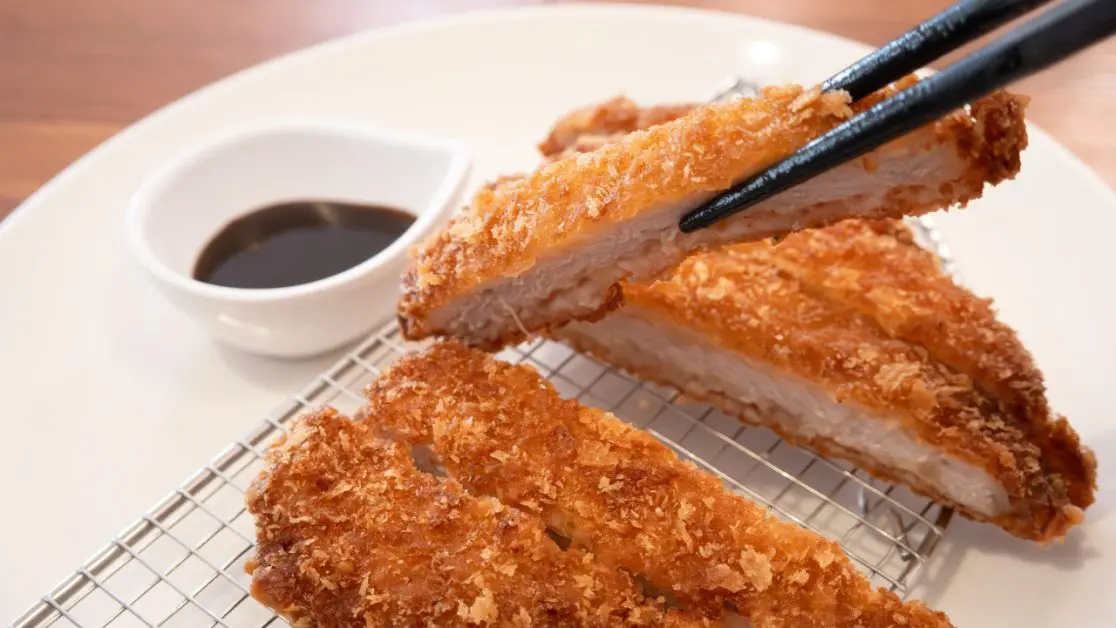
A crisp plate solves this by giving cutlets a firm base while circulating heat around the crumb.
The result feels familiar but cleaner.
- Audible crunch
- Defined edges
- No oil-soaked aftertaste
That difference changes how often people make them.
Why Indian kitchens are rethinking snack prep
Indian homes are busier now.
Work hours stretch.
Cooking windows shrink.
Clean-up tolerance drops.
The snack that once required Sunday planning now needs to fit a Tuesday evening.
This is where systems thinking enters everyday cooking.
- Fewer steps
- Less monitoring
- Predictable outcomes
Appliances that reduce friction get used more.
Kebabs are about timing, not turning
Anyone who has made seekh kebabs knows the stress.
Turn too early, they break.
Turn too late, they burn.
Rotisserie and convection systems remove that anxiety.
In Haier’s 30L convection microwave with in-built air fryer, motorised rotation and circulating heat help kebabs cook evenly without manual turning .
That single change transforms kebabs from special-occasion food to weeknight food.
The hidden benefit of less oil
Most people frame oil reduction as a health decision.
There is another benefit.
Less oil means flavours stay cleaner.
- Spices taste sharper
- Marinades stay distinct
- Smoke does not overpower
Food tastes closer to how it was intended.
According to appliance FAQs, microwave convection cooking preserves more nutrients than boiling or deep frying, while using significantly less oil .
Taste improves when excess is removed.
Why this matters beyond food
This shift is not really about kebabs.
It is about reclaiming time and attention.
When cooking stops demanding constant monitoring, kitchens become calmer. Conversations happen. Music plays. Kids hover without danger.
Good systems fade into the background.
That is the real luxury.
A simple framework for crisp snacks at home
If you want consistently crisp kebabs, cutlets or tikkas, remember this framework.
- Surface contact matters
Use a hot, stable base like a crisp plate. - Airflow matters more than oil
Circulation beats saturation. - Timing beats intuition
Preset systems reduce guesswork.
Once you internalise this, recipes stop being stressful.
Why modern appliances are changing Indian food culture
Indian food is complex.
Indian kitchens are emotional spaces.
When appliances respect that complexity instead of oversimplifying it, adoption happens naturally.
Haier’s convection microwave range focuses on controlled heat, multi-mode cooking and accessories designed for Indian snacks rather than generic Western dishes .
That alignment matters.
From occasional indulgence to everyday comfort
Crisp kebabs once meant guests or festivals.
Now they mean:
- Post-work hunger
- Weekend cricket snacks
- School tiffin experiments
When friction drops, frequency rises.
That is how habits change.
The bigger insight
Crisp food is not indulgence.
Unnecessary effort is.
When systems are designed well, good food becomes normal, not special.
And that is when homes start feeling more sorted, more relaxed and quietly happier.
Not because of technology.
But because of thoughtful design working in the background.
That is the real upgrade.