


The joy of a pakoda is its crunch. The sound of that first bite. The steam rising. The quick dip into chutney. It’s not just food, it’s mood therapy.
But here’s the problem every Indian household knows. Pakodas don’t age well. Fry them today, and by tomorrow they feel like someone swapped them for damp bread. Soft. Soggy. Spiritless.
So the real question is this, can you keep pakodas crunchy even two days later?
Why Does Crunch Fade So Fast?

Crunch is fragile. It thrives on two things, low moisture and high air circulation. The moment humidity sneaks in (think monsoon kitchens or even winter fog in Delhi), that crispness collapses.
Oil, ironically, is both the maker and the breaker. While frying seals moisture out, leftover surface oil becomes a sponge for ambient dampness once food cools down.
And here’s the overlooked truth, Storing fried food is less about the pakoda and more about the system around it.
The Three Ways Most Indians Try – and Why They Fail
1. The Cloth-Wrapped Plate Trick
Your mother wraps pakodas in a kitchen towel and tucks them away. Result? The towel soaks oil, yes, but it also traps steam. By the next morning, your pakodas are confused, half dry, half soggy.
2. The Plastic Box Shortcut
Quick, easy, stackable. But plastic locks in heat and moisture like a pressure cooker. Pakodas sweat inside. You open the box to a puff of disappointment.
3. The Refrigerator Compromise
Cold storage halts bacterial growth, but it also pulls moisture inward. The pakoda’s outer layer absorbs condensation, turning limp. You end up reheating, hoping for resurrection.
Each method solves one problem but creates another. The system is broken.
The Smarter Way: Think Like a System, Not Like a Snack Lover
Here’s the shift: Don’t store pakodas. Store conditions.
Three levers control crunch:
- Airflow – keeps surface moisture away
- Temperature balance – cools food without shocking it
- Humidity control – stops the sogginess before it begins
This is where technology quietly enters the kitchen. Modern refrigerators, like HRB-700KGU1 with Triple Cooling Zones and Humidity Control, aren’t just about “keeping food cold.” They actively manage micro-climates inside, separating moist areas for greens from crisp zones for fried snacks.
So, when pakodas sit in the right compartment, they don’t just survive. They retain the identity they were fried for crunch.
How to Store Pakodas for Crunch That Lasts
Here’s a system you can follow:
1. Cool Before Storing
Let pakodas rest on a wire rack, not tissue paper. Airflow below prevents trapped steam.
2. Choose the Right Box
Use glass or steel containers with vented lids. Avoid airtight plastic that suffocates.
3. Leverage Modern Cooling
In a refrigerator with humidity control, place pakodas in the low-moisture zone (often labeled “Dry Zone” or “Snack Zone”). In Haier’s case, that’s where the airflow tech does the heavy lifting.
4. Reheat with Strategy
Avoid microwaving directly; microwaves excite water molecules, creating sogginess. Instead, use an air fryer or convection mode for 3–4 minutes. The outer layer crisps back beautifully.
The Real Lesson from the Pakoda

Pakodas aren’t just snacks. They’re proof of how fragile pleasure can be. A five-minute treat demands foresight to last 48 hours.
And here’s the aphorism worth remembering, Crunch is not preserved by chance. It’s preserved by the system.
This isn’t just about food, it’s about how Indian homes are evolving. From bachelors reheating chai-time snacks on exam nights to parents saving pakodas for the kids’ tiffin, everyone is designing a system where little pleasures last longer.
What This Means for Modern Indian Kitchens
- For parents: No more waking up at 5 AM to refry pakodas for school lunch. Store once, serve twice.
- For bachelors: Fry on Sunday, snack till Tuesday. Your fridge is your flatmate.
- For working couples: Serve pakodas when guests arrive unannounced, without the stress of starting from scratch.
Technology here isn’t replacing tradition. It’s extending it. The same way a clay matka evolved into a refrigerator, the humble pakoda now finds its ally in smart cooling zones.
Where Haier Fits In Naturally
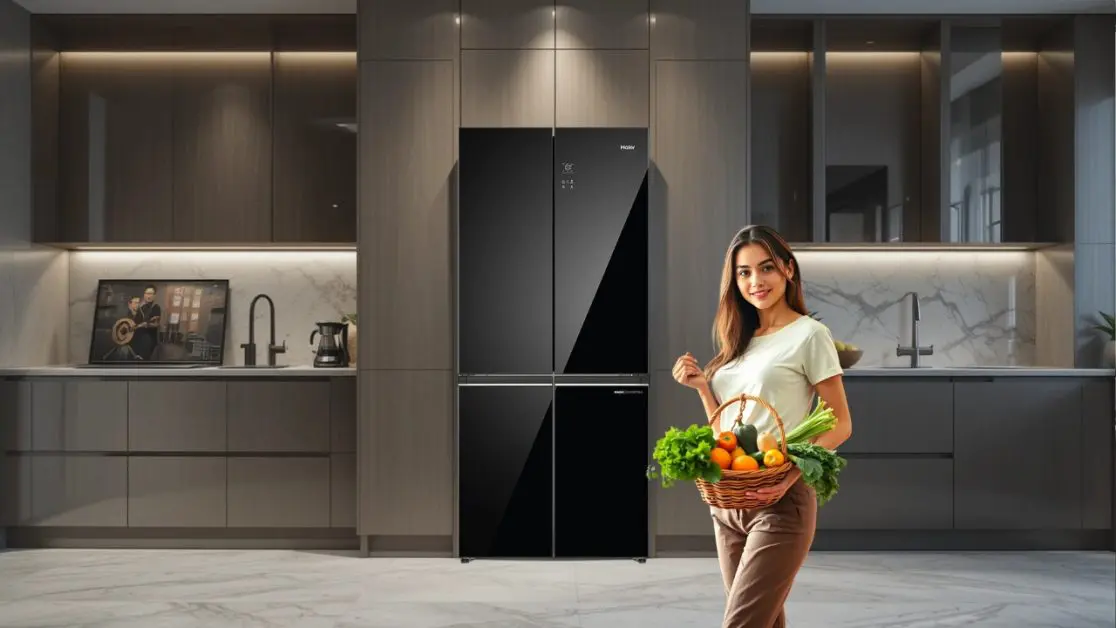
Haier India has been leaning into this idea for years, don’t just cool food, create food zones. Their refrigerators with Moisture Fresh Zone, Triple Cooling System, and Anti-Bacterial Gasket aren’t just engineering specs. They’re quiet enablers of Indian lifestyles where freshness equals respect for food.
It’s subtle but profound. A fridge that keeps pakodas crunchy also keeps spinach crisp, milk safe, and mithai from going sticky. It respects the diversity of an Indian kitchen.
The Bigger Picture: Crunch as Culture
Think about it.
Crisp dosas. Crunchy papads. Flaky samosas. India has a cultural bias toward crunch. Soft is comfort, but crisp is celebration.
Preserving crunch, then, is not just culinary, it’s cultural. And when a modern appliance enables that, it isn’t just selling convenience. It’s protecting a value system.
Closing Thought
Pakodas lose crunch the same way memories lose clarity with time and neglect. But when you build the right environment, both stay sharper, longer.
So next time you bite into a crunchy pakoda two days after frying, remember it’s not luck. It’s design.
And if your fridge helps make that design possible? That’s when home appliances stop being machines and start becoming allies.