

When kids are home for winter holidays, the fastest way to save time and reduce stress is not stricter routines or bigger plans.
It is a smarter system. Small, everyday upgrades that quietly handle meals, entertainment, storage, and energy use, so parents can stop firefighting and start enjoying the break.
Winter holidays sound slow and cosy.
Until they actually begin.
School bags vanish, snack demands multiply, screens stay on longer, and the kitchen somehow works overtime from morning till night. What looks like “family time” on paper quickly turns into decision fatigue in real life.
The truth is simple.
Holidays do not add chaos. They expose weak systems.
And the good news is this. Once you fix the systems, the season starts feeling lighter almost immediately.
Why winter holidays feel harder for parents than they should
The problem is not the kids. It is the collision of routines.
During school days, life runs on autopilot. Fixed timings. Predictable meals. Clear breaks.
Winter holidays remove those guardrails.
- Kids wake up at different times
- Hunger strikes at odd hours
- Screens stay on longer because daylight fades early
- Parents juggle work calls, errands, and festive prep together
The home shifts from structured to fluid.
But most homes are designed for structure.
That mismatch is where stress comes from.
When routines disappear, systems have to take over.
Start with food, because hunger drives everything else
The fastest way to calm a winter holiday home is to stabilise food flow.
Not gourmet meals. Not elaborate planning.
Predictable access.
The hidden cost of winter snacking
Cold weather changes behaviour.
Kids snack more.
They crave warm food.
They ask for variety.
They eat in small bursts.
Each request feels minor.
Together, they pull parents back into the kitchen again and again.
That is not a cooking problem.
That is a system problem.
One option is manual cooking every time
- Fresh food every request
- High effort
- High interruption
- Maximum fatigue
The second option is reheating leftovers endlessly
- Fast
- But repetitive
- Kids lose interest quickly
The smarter option is controlled variety with automation
This is where modern kitchens quietly change the game.
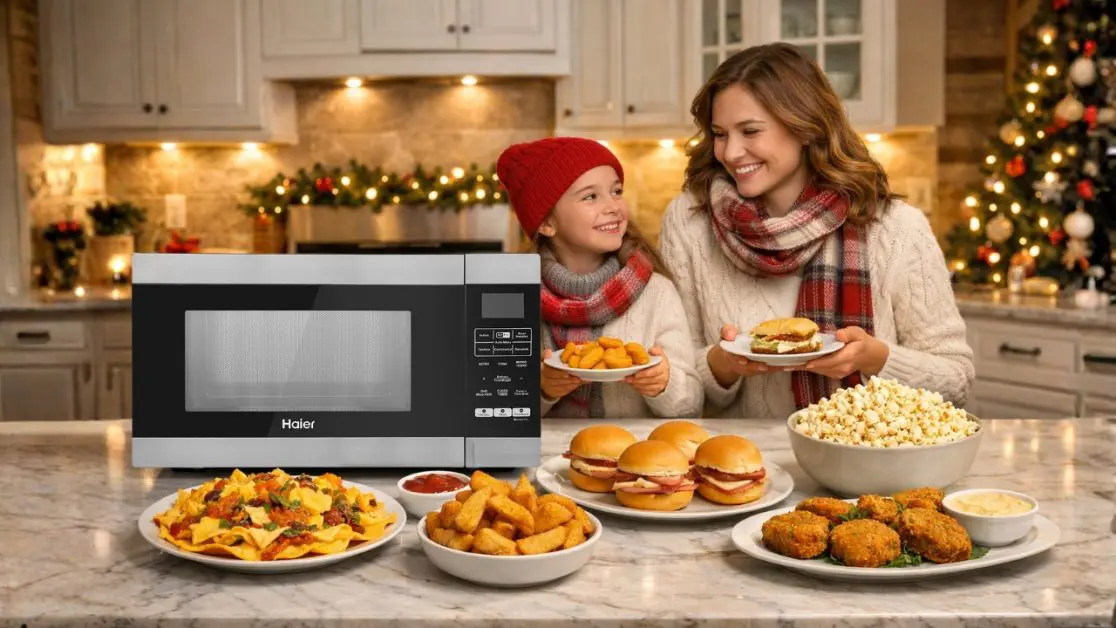
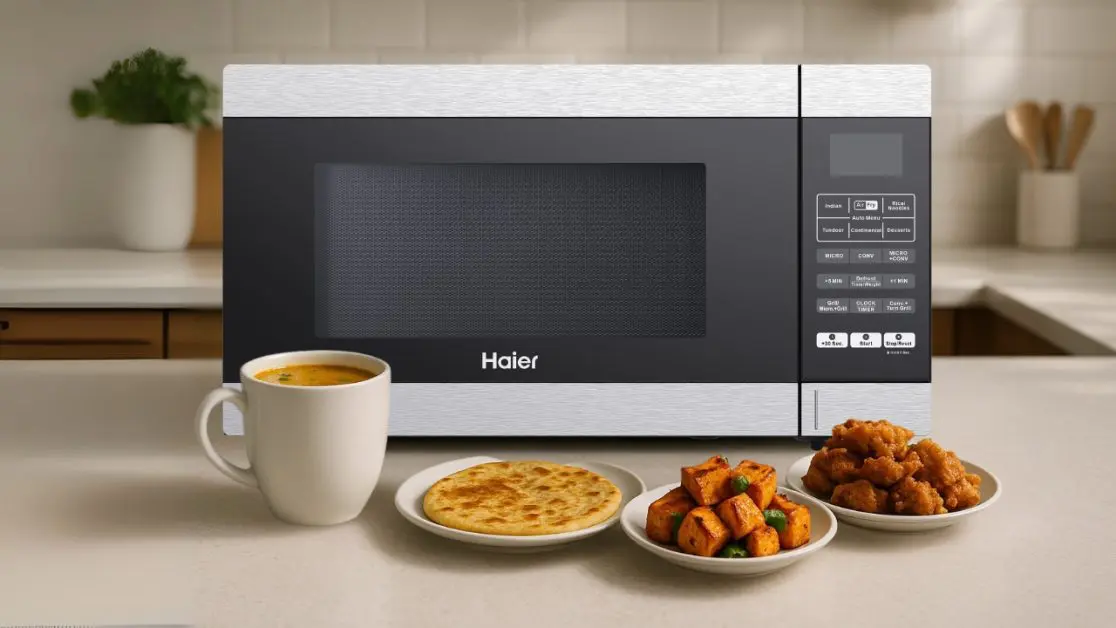
A convection microwave with preset menus, air frying options, and reheating precision turns winter snacking into a background task, not a full activity.
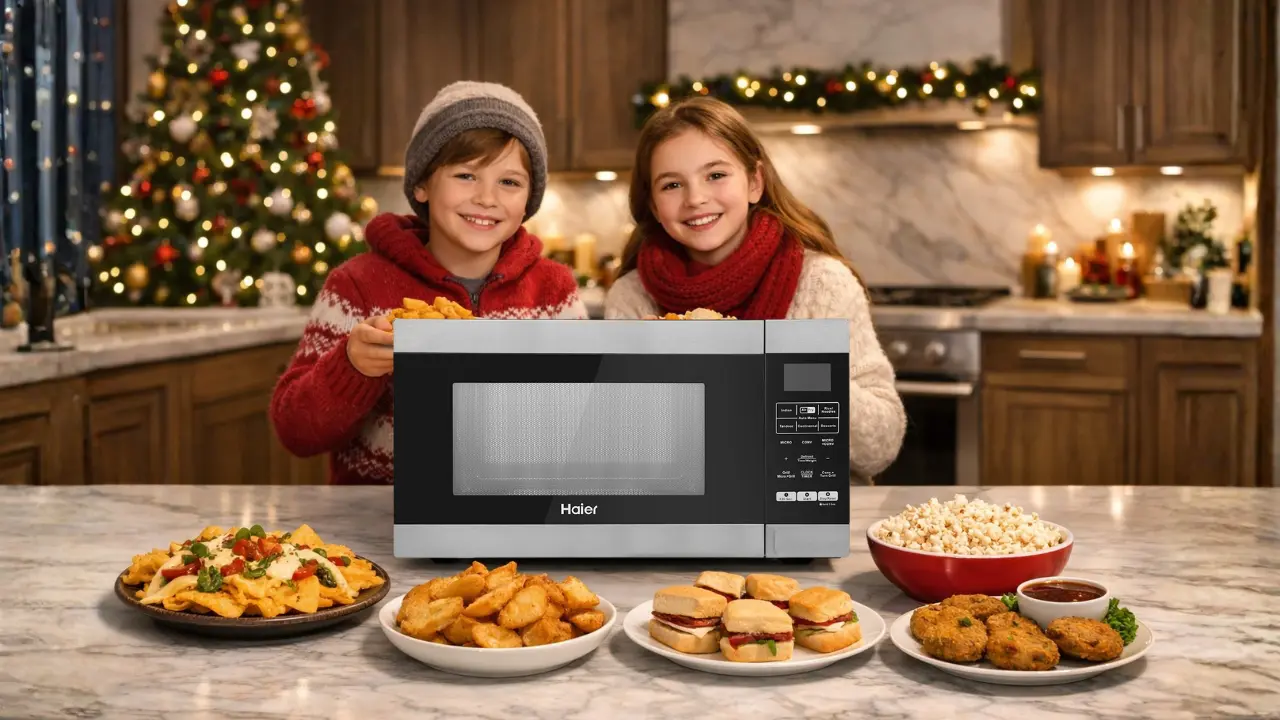
For example, Haier’s 30L Convection Microwave with In-Built Air Fryer allows parents to rotate between grilled sandwiches, roasted snacks, reheated meals, and quick bakes without standing near the stove or monitoring timings manually.
It comes with 305 preset menus and dedicated air fryer modes, which means fewer decisions and fewer mistakes during rushed moments.
The insight here is bigger than the appliance.
When food becomes predictable, everything else calms down.
Design snack windows, not snack chaos
Kids do better with boundaries they can see.
Instead of reacting to every hunger call, create visible snack windows.
Morning warm snack
Midday light meal
Evening comfort food
Not strict timings. Clear expectations.
What changes when you do this?
- Fewer interruptions
- Better appetite balance
- Less kitchen mess
- Fewer arguments
This works especially well in winter because warmth becomes part of the rhythm.
Structure does not remove freedom. It removes friction.
Winter holidays stretch screen time. Accept it. Then design it.
Fighting screens is exhausting. Designing screen time is smarter.
Winter evenings arrive early. Outdoor play shrinks. Screens naturally expand.
The mistake parents make is treating screen time as the enemy.
It is not.
Unstructured screen time is the enemy.
One option is unlimited access
- Short-term peace
- Long-term meltdowns
- Zero control
The second option is constant restriction
- Power struggles
- Emotional fatigue
- No one wins
The better option is anchor-based viewing
Anchor screen time to shared moments.
- Afternoon movie sessions
- Evening cartoon hour
- Weekend family shows
This turns screens into events, not escapes.
A good TV setup helps here. Larger screens with balanced audio allow kids to sit back instead of leaning in.
Parents can stay nearby instead of negotiating constantly. It becomes shared time, not isolated scrolling.
When screens become social, they stop becoming a problem.
Cold weather means higher energy use. Systems can lower it quietly.

Winter holidays increase power bills without anyone noticing.
More lights.
More cooking.
More screen hours.
More hot water use.
None of this feels dramatic.
Until the bill arrives.
Smart habits that make a difference
- Batch cooking instead of repeated cooking
- Reheating over fresh cooking when possible
- Using preset cooking modes that reduce trial-and-error
- Turning appliances off completely, not standby
These habits do not require discipline.
They require design.
Appliances that finish faster, retain heat better, and automate settings reduce energy waste without effort.
Energy saved invisibly is stress saved later.
Storage stress multiplies when kids are home all day
More people at home means more things out of place.
Winter clothes.
Board games.
Extra groceries.
Snack packets.
Craft supplies.
The house did not suddenly get smaller.
Storage just stopped adapting.
The real issue is static storage
Most storage stays fixed while usage changes daily.
Smart storage systems adapt.
- Adjustable fridge compartments
- Clear zones for snacks
- Easy-access shelves for kids
- Separation between daily and occasional items
This reduces the daily cleanup cycle that drains parents mentally.
A home that resets itself daily feels calmer than one that waits for weekend cleaning.
Winter cooking safety matters more when kids hover around
Cold kitchens pull kids closer to heat.
They want warmth.
They want to watch.
They want to help.
This increases risk during traditional stove cooking.
Microwaves, convection cooking, and enclosed heating reduce exposure without reducing participation. Kids can help set timers, choose presets, and plate food without standing near open flames.
This builds confidence without danger.
Safety that teaches independence beats safety that restricts movement.
The real shift is not technology. It is mental load reduction
Parents do not burn out from effort. They burn out from decisions.
Winter holidays multiply micro-decisions:
What to cook
When to cook
What to allow
What to restrict
When to step in
When to ignore
Smart homes reduce decision density.
When food systems work, screens are anchored, storage adapts, and energy use stays predictable, parents stop reacting.
They start enjoying themselves.
That is the real upgrade.
What winter holidays quietly teach us about modern homes
Homes are no longer static spaces. They are dynamic systems.
Workdays, weekends, festivals, school breaks, guest visits. All demand different behaviour from the same four walls.
Appliances that adapt to life stages reduce stress across seasons, not just winter.
This is why brands like Haier focus less on individual features and more on how appliances fit into real Indian homes. Not louder tech. Quieter support.
Because the best technology does not announce itself.
It gives time back.
A final thought to carry into the season
Holidays do not need perfect planning. They need forgiving systems.
When systems work, parents relax.
When parents relax, kids settle.
When kids settle, homes feel warm again.
Winter holidays will always be loud, messy, and full.
But they do not have to be exhausting.
Sometimes, the smartest gift you give your family is a home that works quietly in the background while life happens in the foreground.
Frequently Asked Questions
My kids are hungry all day in winter. Am I overfeeding them or is this seasonal?
It’s seasonal. Cold weather increases appetite, especially for warm foods eaten in small bursts. The issue isn’t hunger, it’s unstructured access.
Is reheating food all the time unhealthy or lazy?
No. Reheating is a smart energy and time-saving strategy when done correctly. Precision reheating reduces waste, effort, and burnout, especially during holidays.
I feel guilty choosing speed over “proper cooking.” Should I?
No. Speed doesn’t mean carelessness. When speed reduces stress and keeps meals consistent, it improves family dynamics, not harms them.
Is batch cooking really worth it during holidays?
Yes. Batch cooking + reheating saves time, energy, and decision fatigue, especially when kids eat in short, frequent bursts.
My kids keep coming close when I cook in winter. Is this dangerous?
Traditional stove cooking increases risk because kids seek warmth and curiosity. Enclosed cooking methods reduce exposure without excluding them.
How can kids help in the kitchen without it becoming unsafe?
Let them choose presets, set timers, and plate food. Safety that builds independence works better than constant restriction.