


Every Indian kitchen knows the heartbreak.
You cook a hearty rajma chawal on Sunday, carefully box it into steel dabbas, slide it into the fridge and by Tuesday evening it smells just a little “off.” The same happens with yesterday’s paneer butter masala, mom’s handmade parathas, or the salad you promised yourself you’d eat at lunch.
The question is simple. Why do leftovers foods meant to save time, money, and stress often feel like a race against the clock?
Let’s pull the lid off this everyday mystery.
Food doesn’t spoil. Systems do

The truth is, food rarely “just” goes bad. It spoils because systems fail temperature, airflow, storage, or hygiene. And most of us underestimate how small missteps add up.
Think about it:
- A fridge door opened 20 times during one cricket match.
- A hot curry pushed straight inside while still steaming.
- An overstuffed fridge where air can’t circulate.
Each of these moments is invisible, ordinary, almost forgettable. Together, they shorten the life of your food dramatically.
Is your fridge helping or hurting?
Refrigeration isn’t just about being cold. It’s about being consistently cold. Spoilage bacteria don’t need much; a small rise above 5°C is enough to wake them up.
Here’s the hidden system at play:
1. Uneven cooling – Traditional single-vent fridges cool more near the back, less in the door shelves. That’s why your milk sometimes curdles faster than your chutney.
2. Humidity battles – Leafy veggies wilt when moisture escapes, but curries mold faster when moisture traps inside. Managing that balance is delicate.
3. Energy rush hours – When power fluctuates (a common reality in many Indian cities), older fridges struggle to maintain steady temperatures.
This is where modern cooling systems quietly change the story. Multi-airflow vents, inverter compressors, and built-in stabilisers aren’t “fancy features” ; they’re defenses against invisible time thieves.
Your habits matter more than you think

A fridge can only do so much. The rest is on us.
- Hot food shock: Put steaming dal straight into the fridge and it raises the entire compartment’s temperature. Suddenly, not just dal, but your chocolate, butter, and next day’s dahi are all at risk.
- Stacking too tight: Airflow is food’s invisible oxygen. No circulation, no freshness.
- Wrong placement: That leftover biryani in the fridge door? It lives a shorter life than the same biryani placed in the middle shelf.
Leftovers are like houseplants; they survive or die depending on the environment you create.
Leftovers tell us about life itself
Here’s the aphorism no one tells you: The way you treat your food mirrors the way you treat your time.
Reheating the same curry thrice until it loses all texture is a lot like postponing that important task until it loses all momentum. Both eventually go bad, just on different timelines.
That’s why small decisions about how we store, when we consume, and what systems we trust matter so much.
Technology is making leftovers smarter
If leftovers are the unsung heroes of busy households, then technology is their shield.
Today’s fridges quietly weave in innovations:
1. Twin/Triple cooling zones – Separate airflow keeps smells from mixing. Your rasgulla doesn’t start smelling like last night’s fish curry.
2. Anti-bacterial gaskets – Small detail, huge impact. Bacteria often enter through the very rubber meant to keep them out.
3. Convertible modes – Hosting cousins for the weekend? Switch one compartment from freezer to fridge. No more stuffing leftover rotis into awkward corners.
4. Power cut protection – Some models now hold cooling for hours even during outages, a lifesaver in India’s patchy power zones.
Haier India, for instance, has leaned into this space with products designed for real Indian lifestyles not just showroom gloss. Large-capacity bottom-mounted fridges, triple-inverter tech, and smart convertible designs directly address the very issues that spoil your leftovers faster.
Not as a sales pitch. As a reality check: appliances aren’t just machines, they’re extensions of how we live.
Culture has always had an answer
Think about how our grandparents handled food.
- Pickles preserved with oil and salt.
- Buttermilk stored in earthen pots.
- Rice kept in cool water overnight for fermentation.
These weren’t just “traditions.” They were system hacks before technology existed.
Modern refrigeration doesn’t erase this wisdom. It builds on it. A well-sealed container in a stable cooling zone is simply the updated version of that clay pot in a shaded verandah.
So what’s really going wrong in your kitchen?
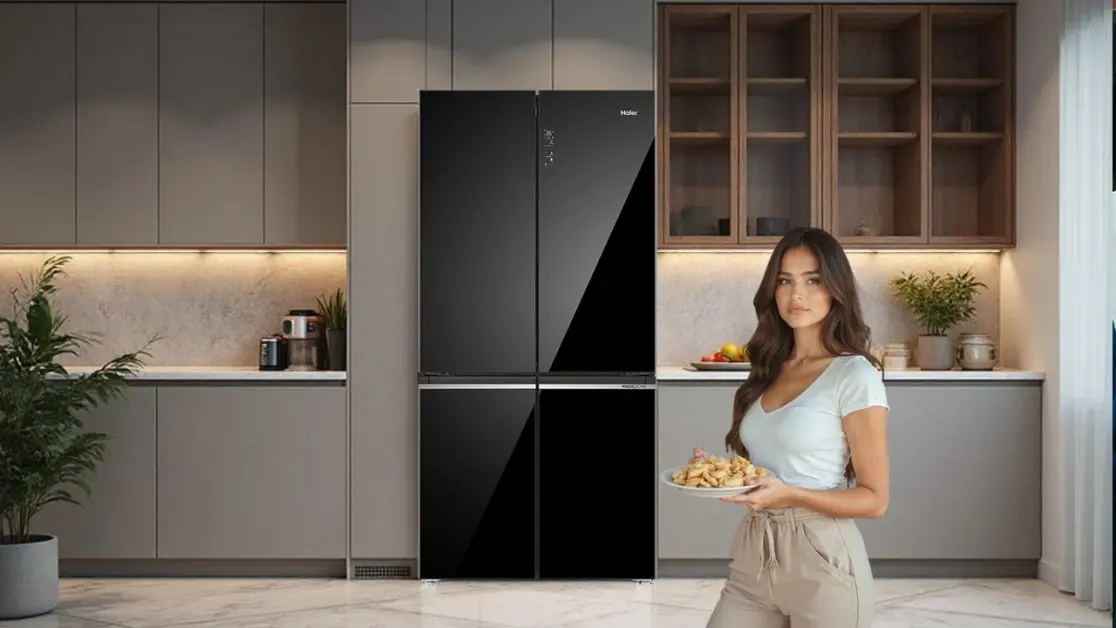
Let’s break it down systematically:
1. Temperature swings – Frequent door opening, hot food insertion, unreliable compressors.
2. Moisture mismanagement – Veggies drying out, curries over-moist.
3. Cross-contamination – Raw chicken stored too close to your ready-to-eat pulao.
4. Over-storage – A fridge that’s more “archive” than “active use.”
Each one may look small. Together, they explain why that leftover pizza lasts two days in your friend’s fridge but barely a night in yours.
Three choices every household faces
When it comes to leftovers, you really have three paths:
1. Ignore the system – Keep storing as usual, accept wastage as “normal.” Cost: money lost, time wasted, health risks.
2. Over-compensate – Reheat everything twice, discard food earlier than needed. Cost: flavour lost, guilt increased, still not sustainable.
3. Fix the system – Upgrade storage habits and appliances so that freshness is predictable, not luck-based. Cost: upfront thought, long-term gain.
The third option is where smart living truly begins.
The hidden economy of leftovers
Here’s what often gets overlooked: wasting food isn’t just about throwing away money. It’s also about:
- Time lost – The hour you spent cooking last night’s sabzi is gone if it spoils.
- Emotional cost – Nothing hurts like tossing your mom’s handmade kheer into the bin.
- Sustainability – In a country where food waste coexists with hunger, spoiled leftovers are more than a personal inconvenience.
Every container saved is time, money, and conscience saved.
Haier’s quiet role in this equation
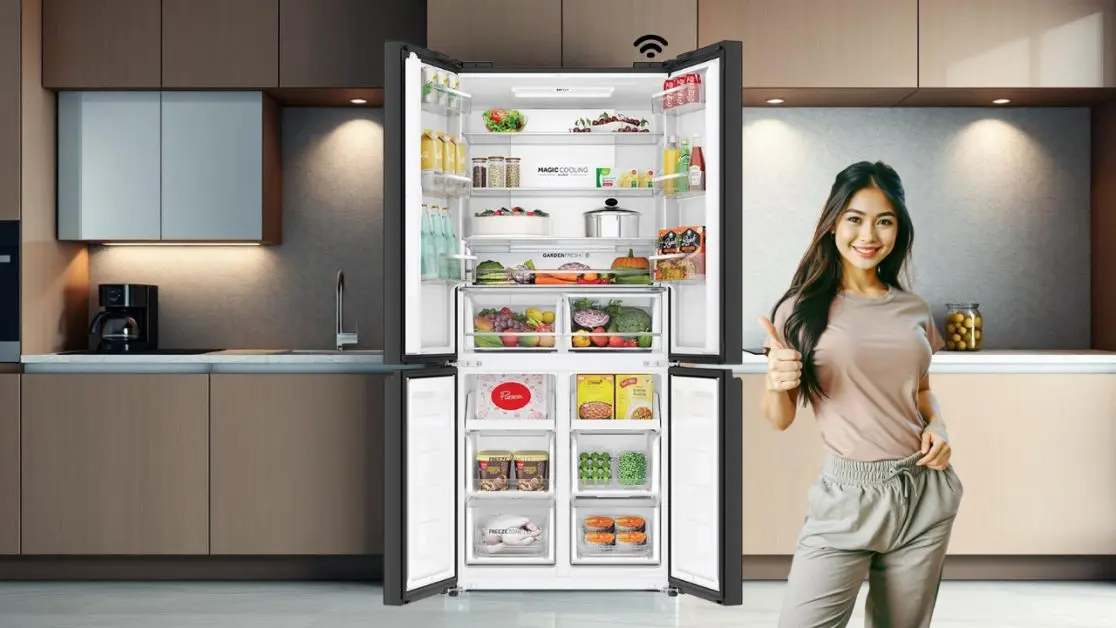
Without shouting about it, brands like Haier have been solving these very pain points.
- Bottom-mounted designs mean less bending, more visibility. You don’t “forget” leftovers at the back.
- Triple Inverter tech means steadier cooling and less power drain.
- Magic Convertible fridges let families adjust space based on need for holiday season storage, weekday survival, bachelor cooking, or kid-friendly snacks.
It’s not about gadgets. It’s about aligning appliances with how Indian homes actually live.
So what should you do tomorrow?
- Let hot food cool before refrigeration.
- Leave gaps between containers.
- Use airtight boxes for curries, open mesh bags for veggies.
- Keep raw and cooked foods separate.
- And yes, consider whether your current fridge is designed for your lifestyle or stuck in yesterday’s kitchen.
Leftovers aren’t just food. They’re memory
Last night’s biryani reheated on a rainy morning.
Yesterday’s parathas were packed for a child’s school lunch.
That extra gulab jamun shared with your neighbour.
Leftovers aren’t about convenience alone. They’re about continuity. The bridge between one meal and the next, one day and the next.
When we let them spoil too fast, it’s not just food we’re losing. It’s a piece of rhythm, routine, memory.
And in that sense, making leftovers last longer is about much more than technology. It’s about respecting the little systems that hold our everyday lives together.